
Best Kids Bikes: A Complete Buying Guide for Every Age

Shopping for a new bike for your child can feel more complicated than it should be, mostly because kids grow so fast that today's perfect fit is next year's too-small frame. Finding the best kids bikes for your family really comes down to matching wheel size and features to your child's current stage, not their age on paper. A toddler learning to balance needs something completely different from a seven-year-old ready for hand brakes and gears. This guide walks through how wheel sizing actually works, how kids typically progress from balancing to pedaling, and which fit and safety details matter at each stage, so you can shop with confidence instead of guesswork.
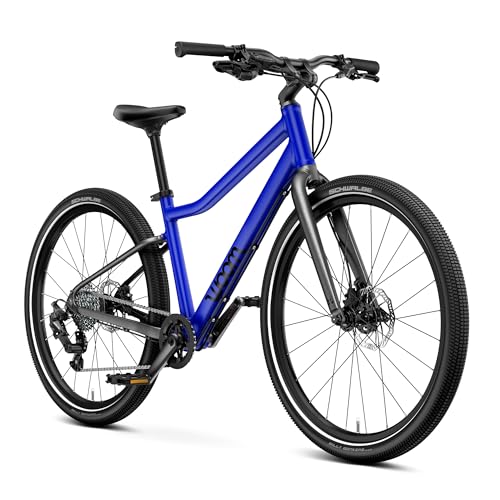
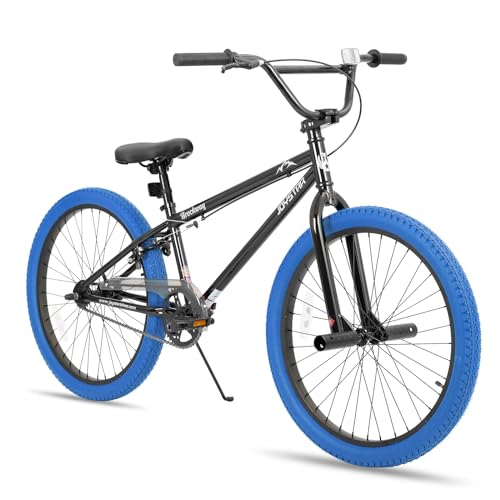
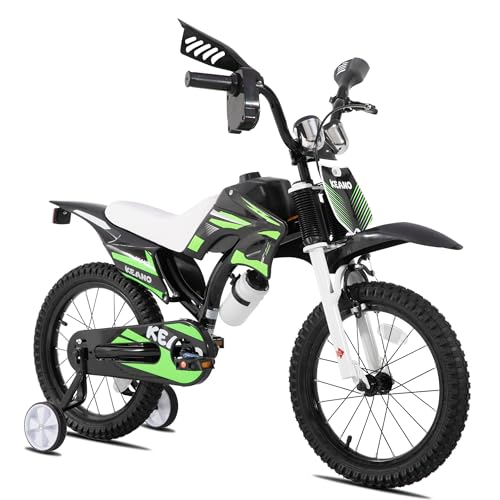
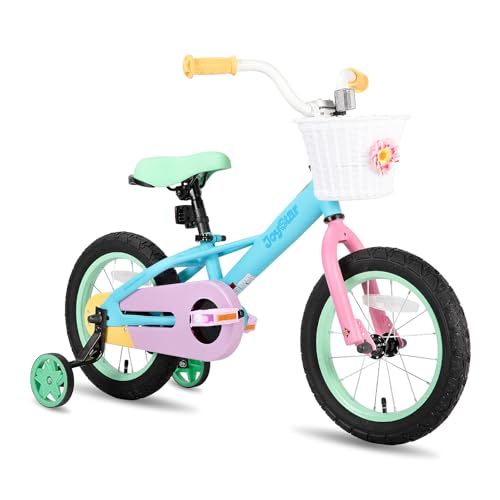
Matching Wheel Size to Age and Inseam
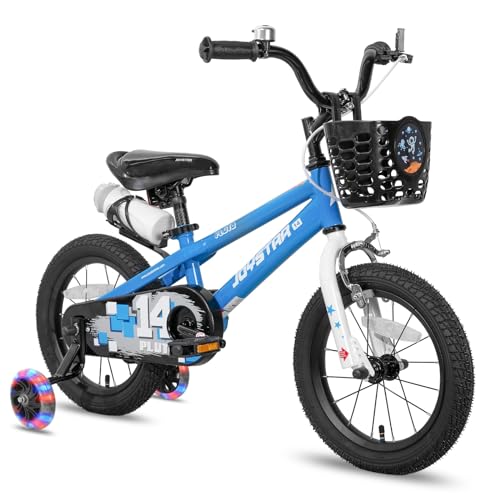
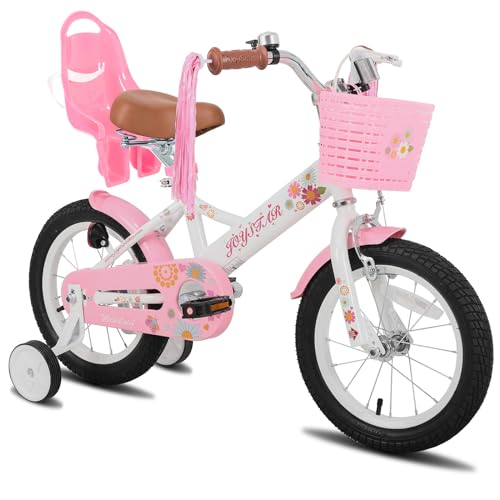
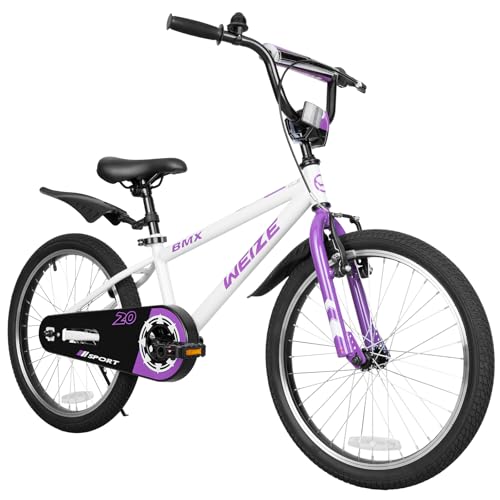
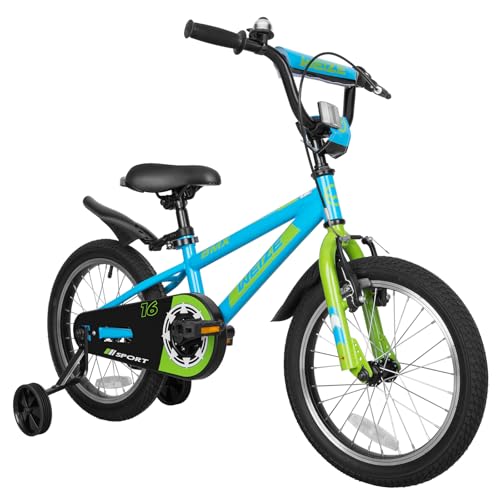
Kids bikes are sized by wheel diameter rather than frame measurements, and the range runs from tiny 12 inch wheels for toddlers up to 24 inch wheels that ride almost like an adult bike. Age charts are a fine starting point, but two kids born the same year can have inseams that differ by several inches, so a bike that fits one perfectly might be unrideable for the other. That is exactly why shoppers hunting for the best kids bikes are told again and again to measure inseam first and treat age as a backup guide.
To measure, have your child stand against a wall in the shoes they will actually wear while riding, then measure from the floor to their crotch. Compare that number to a sizing chart rather than a birthday.
- 12 inch wheels: roughly 14 to 17 inch inseam, typically the first pedal bike after balance biking
- 14 inch wheels: roughly 16 to 20 inch inseam, still small and light enough for early riders
- 16 inch wheels: roughly 18 to 22 inch inseam, often the first bike with a coaster brake
- 18 inch wheels: roughly 20 to 24 inch inseam, a transitional size some kids skip entirely
- 20 inch wheels: roughly 22 to 25 inch inseam, frequently the first bike with hand brakes and gears
- 24 inch wheels: roughly 24 to 28 inch inseam, built for kids nearing adult proportions
When a child falls between two sizes, lean toward the smaller wheel if confidence and control matter more than legroom, and toward the larger one only if they already ride comfortably at the top of their current size.
From Balance Bike to Pedal Bike: The Learning Progression
Most kids now start on a balance bike somewhere between eighteen months and two and a half years old. These have no pedals or chain at all, just a low seat and two wheels, so a toddler learns to steer and stay upright by walking and then gliding with their feet off the ground. Because balancing is separated from pedaling, kids who start this way often skip training wheels altogether.
Families who go straight to a pedal bike with training wheels can still succeed, but the transition off the training wheels tends to take longer since the child never had to master balance on its own. Either path works, and the right choice usually depends on what is available and what your child seems ready for.
Readiness for a true pedal bike shows up as clear signs: your child can walk and run steadily, follows simple directions, and shows interest in bikes their older siblings or friends ride. Once those signs appear, a properly sized pedal bike with the seat set low enough for flat feet at a stop is usually the next step.
Brakes, Weight, and Fit Details That Matter
Two bikes with identical wheel sizes can feel completely different to ride once you factor in weight and brake type. A bike that is heavy relative to your child's body weight is harder to control, slower to stop, and more tiring to pedal up even a gentle slope, so lighter frames are worth prioritizing whenever the budget allows.
Coaster brakes versus hand brakes
Younger riders, typically under six or seven, usually do better with a coaster brake that stops the bike when they pedal backward, since squeezing a hand lever hard enough to stop takes hand strength many young kids do not have yet. As grip strength and coordination develop, hand brakes offer more control and better stopping power, and most kids are ready to make that switch somewhere around the 18 or 20 inch wheel size.
Room to grow versus a snug fit
It is tempting to buy a size up so the bike lasts longer, but a bike that is too big is genuinely harder and less safe to ride, since your child cannot plant their feet flat or reach the brakes comfortably. A snug fit with an adjustable seat post gives a season or two of growing room without sacrificing control on day one.
Matching the Bike to Where Your Child Rides
A bike built mainly for smooth sidewalks and cul-de-sacs does not need the same tires or gearing as one that will spend time on dirt paths, gravel, or a bumpy backyard trail. Narrower tires roll faster and feel snappier on pavement, which suits most beginning riders who are still building confidence close to home. Kids who already ride comfortably and want to explore rougher terrain benefit from wider, knobbier tires that grip loose surfaces and absorb small bumps, and families weighing that option can compare styles in this guide to wide-tire kids bikes for rougher terrain.
Gearing matters too. A single speed keeps things simple for younger kids who are just learning to pedal and steer at the same time, while multiple gears help older riders handle hills once they have the coordination to shift while riding. Think honestly about the terrain your child rides most often, since a bike matched to daily use gets ridden far more than one bought for occasional adventures.
Safety Gear That Belongs on Every Ride
No bike, however well chosen, replaces the basics of riding safely. A properly fitted helmet is the single most important piece of gear, and fit matters as much as wearing one at all, since a helmet that sits too far back or wobbles side to side will not protect a child in a fall. Parents comparing options can find fitting tips and picks in this guide to kids bike helmets that covers sizing and adjustment.
Beyond the helmet, look for a bike with a chain guard so loose pants or shoelaces cannot get caught, and reflectors on the wheels and frame if your child ever rides near dusk. Bright colors also help drivers and other cyclists spot a small rider sooner, especially on shared paths or in driveways.
Frequently Asked Questions
What size bike does a 4 year old need?
Most 4 year olds fall into the 14 to 16 inch wheel range, but inseam is the better guide. Measure your child and compare to a sizing chart before choosing by age alone.
Are balance bikes better than training wheels?
Balance bikes teach steering and balance first, which often leads to a faster, smoother transition to pedaling. Training wheels still work well for many families, so either approach can succeed.
How do I know if a bike is too big for my child?
If your child cannot place both feet flat on the ground while seated, or cannot reach the brake levers comfortably, the bike is too big. Downsize rather than hoping they will grow into it quickly.
When should a child switch from a coaster brake to hand brakes?
Most kids are ready around age six or seven, often when they move up to a 18 or 20 inch wheel. Watch for enough hand strength to squeeze a brake lever firmly before making the switch.
Should I buy a bike a size too big so my child grows into it?
It is better to buy a properly fitted bike and plan to size up again in a year or two. An oversized bike is harder to control and can make learning to ride slower and less enjoyable.
How much should a kids bike weigh?
Lighter is almost always better, since a bike that is heavy relative to your child's own weight is harder to pedal, steer, and stop. Compare weight across models in the same wheel size when possible.
Do kids need gears on their first pedal bike?
No, a single speed is simpler and easier to manage for beginners. Gears become more useful once a child rides regularly on hills or longer distances, typically around age seven or eight.
Building Confidence One Ride at a Time
The right fit does more for a young rider than any feature list, since a bike that matches their inseam, strength, and riding environment is simply easier and more fun to use every single day. Revisit sizing every season, since kids outgrow bikes faster than almost any other piece of gear they own. With a properly fitted bike, the best kids bikes are ultimately the ones that get ridden often, not the ones with the most extras.