Best Generators for RV
Disclosure: We may earn a commission when you buy through links on this page, at no extra cost to you. As an Amazon Associate I earn from qualifying purchases. Learn more
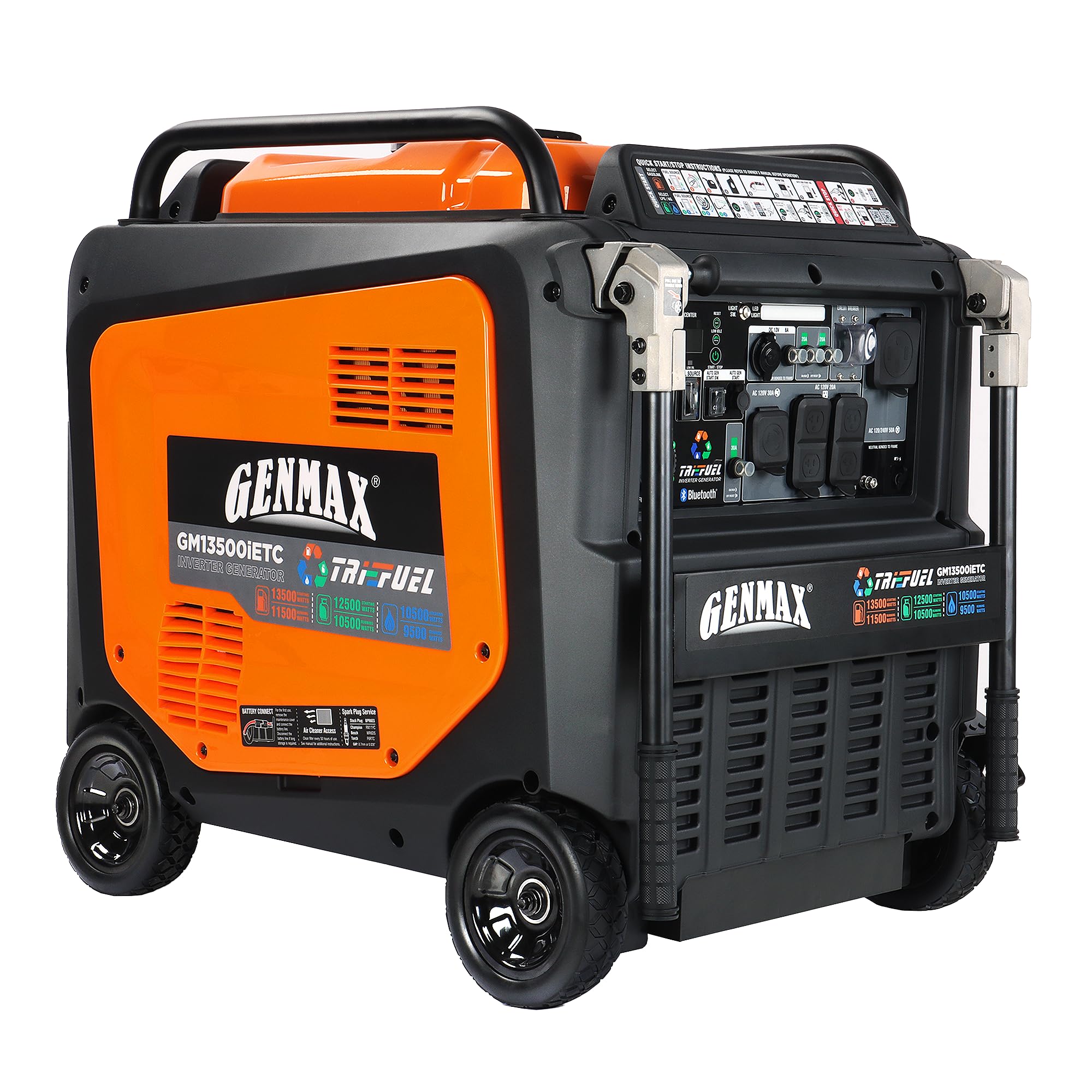
Continuous versus surge wattage, amperage systems, and AC power draw are what actually matter when picking the best generators for RV use.
An RV trip can go from comfortable to miserable fast when the air conditioner cuts out on a hot afternoon at a campground with no shore power. Unlike a generator you might grab for a weekend camping trip, an RV generator has to work with your rig's electrical system, handle a genuine appliance load, and do it reliably for hours at a stretch. Picking the best generators for RV use means thinking about continuous wattage, your hookup type, and which appliances you actually plan to run off-grid, not just picking the biggest unit available. Here is what actually separates a generator that keeps up with RV life from one that leaves you sweating it out.



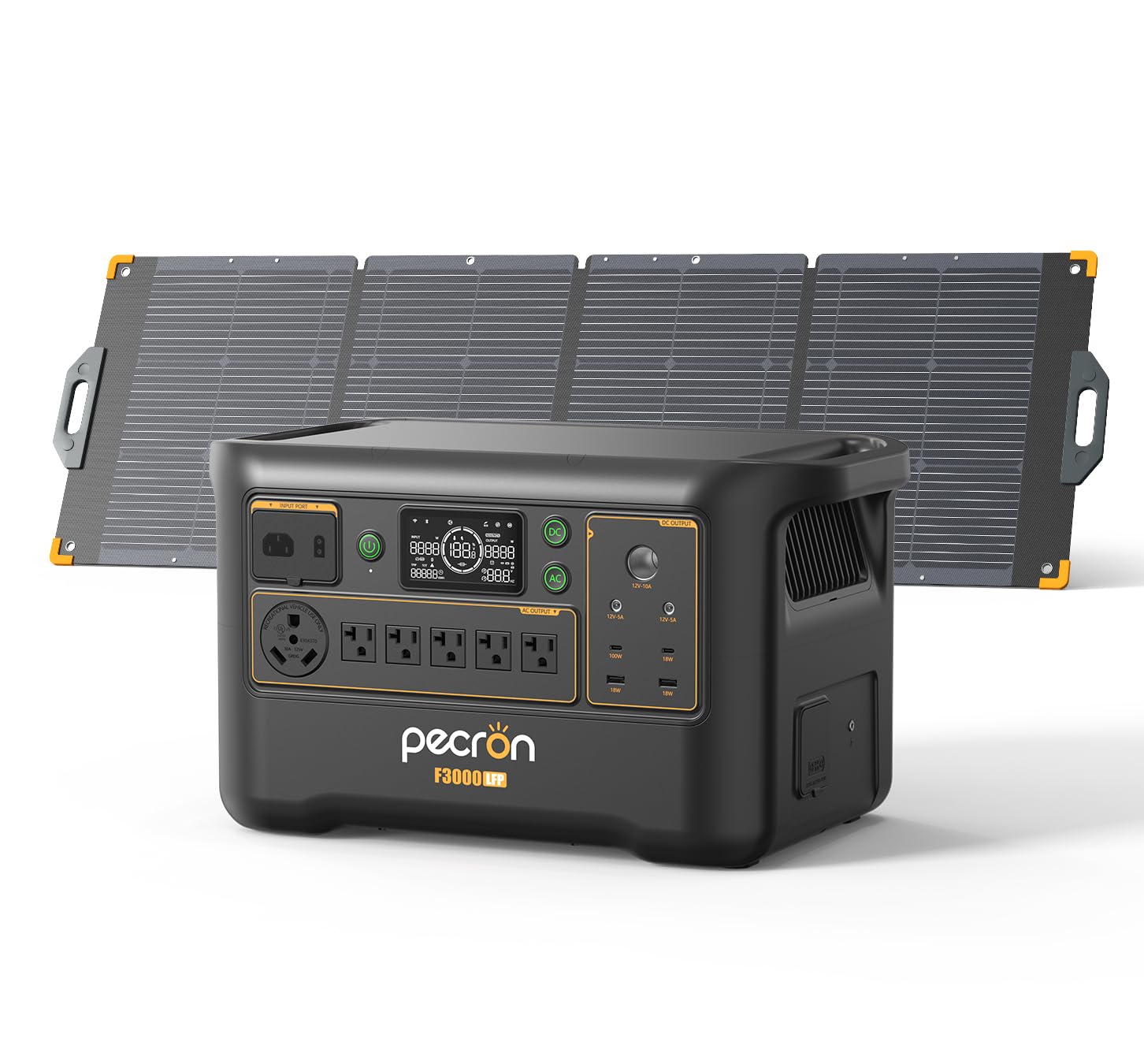
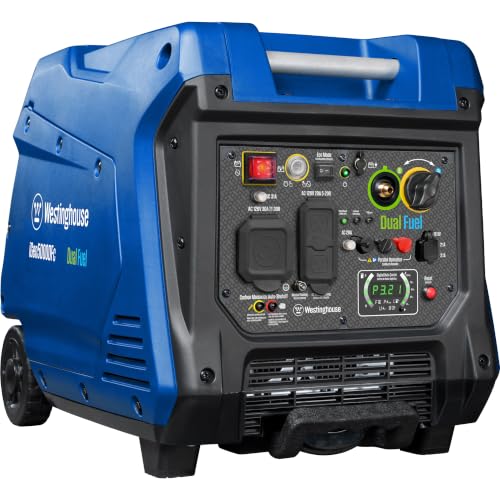
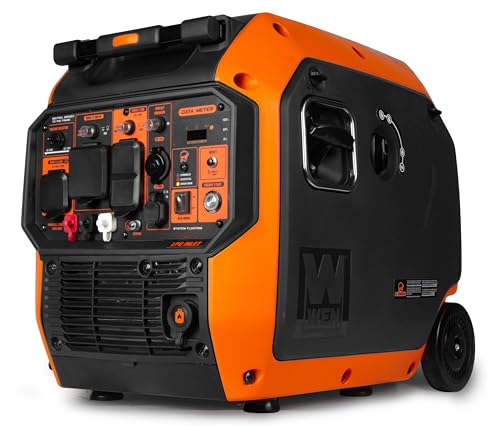
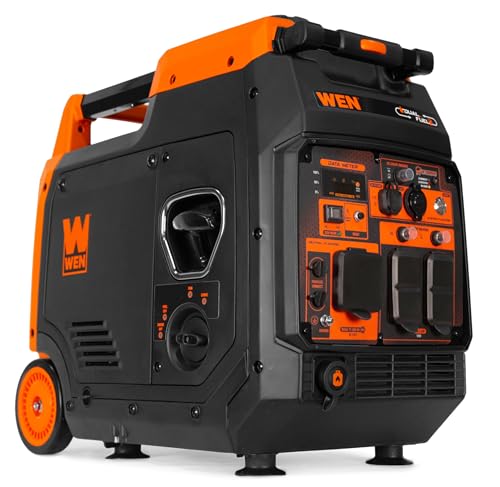


Matching Generator Output to Your RV's Electrical System
Most RVs run on either a 30-amp or 50-amp electrical system, and that distinction changes what generator output you need. A 30-amp RV typically draws up to 3,600 watts at full capacity, while a 50-amp RV, which actually uses two separate 50-amp legs, can draw significantly more, often up to 12,000 watts if everything is running at once.
Check your RV's amperage rating before shopping, since undersizing a generator for a 50-amp rig means constantly juggling which appliances can run together. Adapters exist to step a larger generator's output down to a 30-amp connection, and some RVers run smaller generators successfully by being selective about what runs simultaneously. Still, matching generator capacity to your RV's electrical system from the start avoids a lot of trial and error once you are actually parked somewhere without hookups.
Running the Air Conditioner Without Tripping Breakers
Air conditioning is usually the single biggest power draw in an RV, and it is also the appliance most likely to trip a generator that is undersized or poorly matched to the load. A typical RV AC unit needs a meaningful chunk of wattage just to start, on top of what it draws to run continuously afterward.
If keeping the AC running is a priority, size your generator with that startup spike in mind, and check whether it needs to power the AC alongside other essentials like the refrigerator and charging electronics. Some RVers pair a smaller generator with a soft-start device on the AC unit to reduce the startup surge, which allows a lighter generator to handle a load it otherwise could not manage. Either way, this is the appliance to plan around first, since everything else in the RV draws comparatively little.
Continuous Watts vs Surge Watts Explained
Generator specs list two different numbers, and mixing them up is one of the most common mistakes RV owners make when sizing a unit. Continuous watts, sometimes called rated watts, is what the generator can supply steadily for as long as it runs. Surge watts, or peak watts, is a higher number the generator can supply briefly, typically for a few seconds, to handle the startup spike from motors like an AC compressor or refrigerator.
When sizing a generator for RV use, add up the continuous draw of everything you plan to run at once, then check that the surge wattage rating comfortably covers whichever single appliance has the highest startup spike, usually the air conditioner. A generator that looks adequate based on continuous watts alone can still stall or trip if its surge capacity is too low for that one appliance kicking on. Getting this balance right is what separates generators for RV use from smaller units built for lighter camping loads.
Mounting, Built-In vs Portable Options for RV Use
Many larger RVs come with a built-in generator mounted in a compartment and wired directly into the coach's electrical system, often running on the same fuel tank as the engine. Built-in units offer convenience and integration but are limited to whatever size came with the rig.
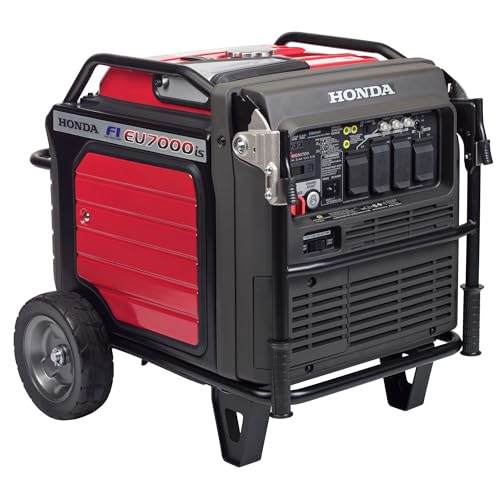
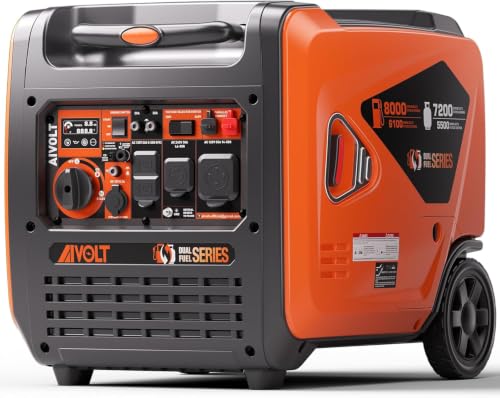
Portable generators offer more flexibility, letting you upgrade capacity independently of the RV itself, and they can also serve double duty for other uses when not attached to the rig. The tradeoff is setup: portable units need to be positioned outside, connected with the right cord and adapter for your hookup, and secured against theft at unfamiliar campsites. Weigh how often you will actually deboondock without hookups against the convenience of a permanently mounted unit before deciding which route fits your travel style.
Carbon Monoxide Safety While Parked
RV carbon monoxide incidents are a real and documented risk, since exhaust can drift into open windows, vents, or slide-out gaps if a generator is positioned poorly. Always run a portable generator well away from the RV itself, with the exhaust directed away from windows, doors, and awnings, and never run one inside an enclosed space like a garage or a covered carport attachment.
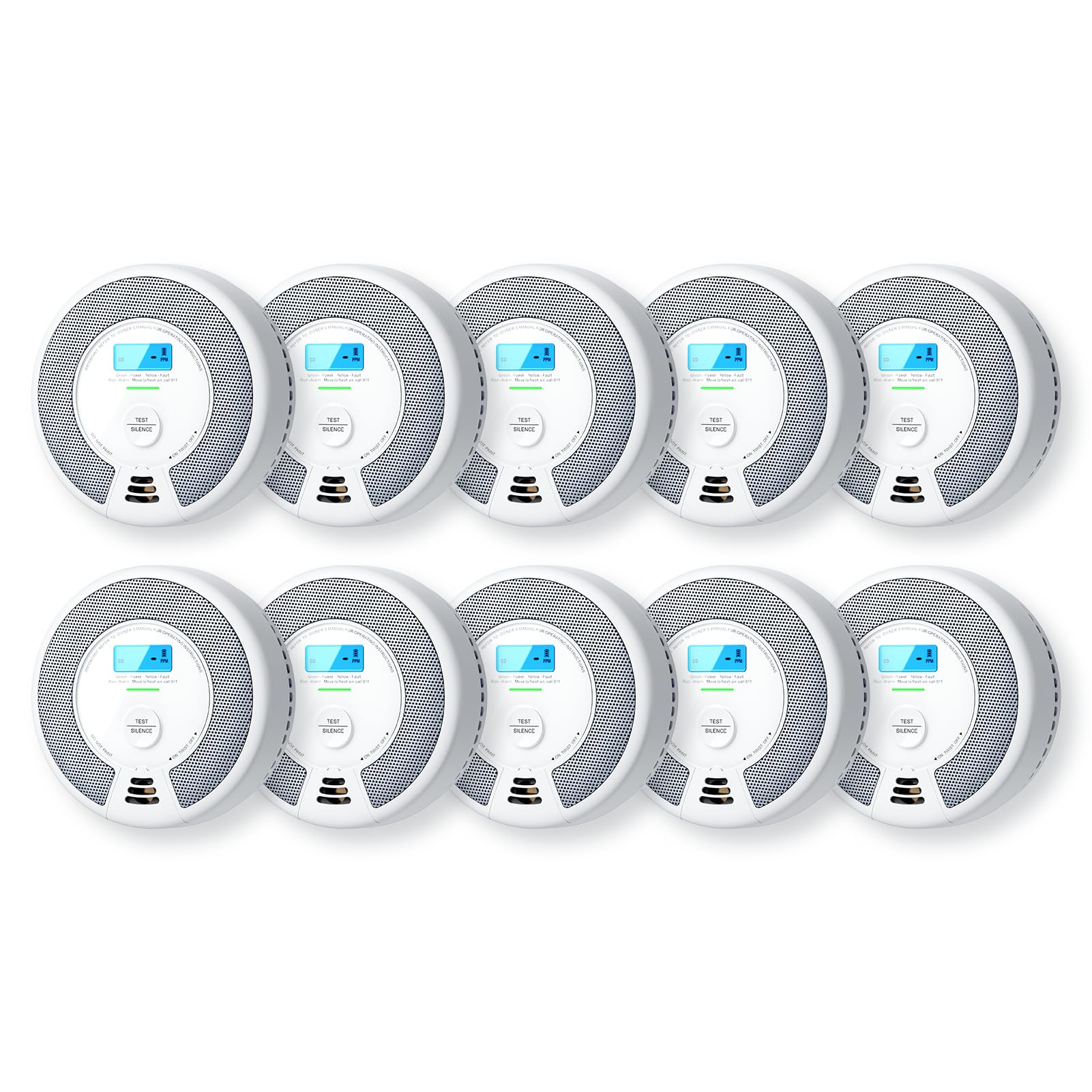
A working carbon monoxide detector inside the RV is essential regardless of generator type, including for built-in units, since generator exhaust can still find its way inside under the wrong conditions. Check detector batteries before every trip, and treat any alarm as a reason to shut the generator down and ventilate immediately.
FAQ
What size generator do I need to run RV air conditioning?
Most single RV AC units need a generator in the 3,000 to 4,000 watt range to handle both the startup surge and continuous running load comfortably.
Can a 2,000-watt generator run an RV?
It can handle lighter loads like lights, charging, and a small refrigerator, but it generally cannot start and run a standard RV air conditioner on its own.
Do I need a 30-amp or 50-amp generator for my RV?
Check your RV's shore power cord and electrical panel rating. A 50-amp RV needs significantly more generator capacity than a 30-amp rig to run comparably.
Is a built-in RV generator better than a portable one?
Built-in units offer convenience and stay with the rig, while portable generators offer more flexibility to upgrade capacity or use the unit elsewhere.
Can I run my RV generator while driving?
Most built-in RV generators are rated for use while driving, but always check your specific model's guidelines and local regulations before doing so.
How long can an RV generator run continuously?
Most generators can run for many hours on a full tank at moderate load, though exact run time depends on fuel capacity and how hard the unit is working.
What is a soft start device and do I need one?
A soft start device reduces the startup power spike from your AC compressor, letting a smaller generator run the unit that would otherwise require more capacity.
Final Take
Choosing among the best generators for RV use comes down to matching real output to your rig's amperage and appliance load, especially the air conditioner. Get the continuous and surge wattage right, plan for carbon monoxide safety every time you set up, and you will have reliable power wherever the trip takes you.
Related reading: best generators for camping and best inverter generators.