Best Emergency Car Escape Tool: What Actually Matters Before You Buy
Disclosure: We may earn a commission when you buy through links on this page, at no extra cost to you. As an Amazon Associate I earn from qualifying purchases. Learn more
A crash rarely gives you time to think. If the doors jam, the car rolls, or water starts coming in through the vents, the difference between getting out and not getting out often comes down to a tool you can find in the dark, in seconds, with one hand. That is what a best emergency car escape tool is actually for, and it is why choosing one deserves more thought than tossing the cheapest option into a cupholder.
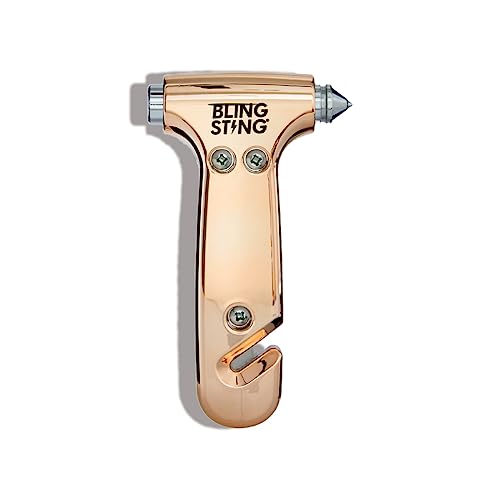
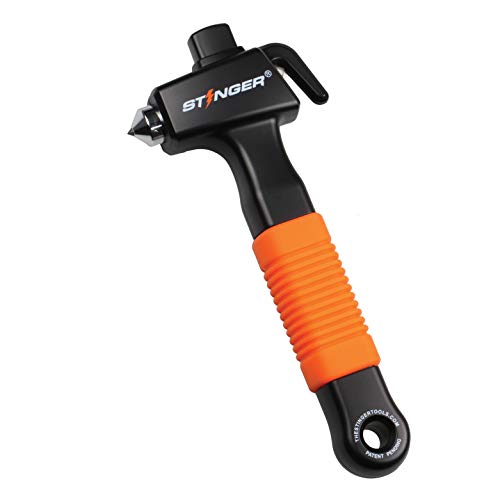
Most of these tools look similar at a glance: small, plastic-bodied, with a spike or hammer head on one end and a hooked blade on the other. But not every version works the same way when it actually matters. This guide walks through the mechanism, the glass types they can and cannot break, the seatbelt cutter design, the common formats on the market, and where to keep one so it is actually within reach when you need it.



Why the Glass-Breaking Mechanism Matters More Than the Price Tag
Every escape tool on the market breaks a window using one of two basic approaches: a spring-loaded spike that fires forward on impact, or a rigid hammer head that relies on the force of your swing. That single design choice matters more than any other spec on the package.
Spring-Loaded Spikes vs. Swing-Style Hammers
A spring-loaded tool works by pressing the tip against the glass until it trips an internal spring, which drives a small hardened point forward with a fixed amount of force. Because the force comes from the spring rather than your arm, it delivers roughly the same impact every time, whether you are calm or panicking, seated or twisted awkwardly against a seatbelt. A hammer-style tool depends on you generating enough swing force in a confined space, which is much harder to do consistently when you are injured, disoriented, or pinned by an airbag.
What Independent Testing Reveals About Reliability
Independent lab testing on a batch of popular escape tools found that hammer-style designs were inconsistent, with some failing to break tempered glass at all when struck with force comparable to an average adult's swing. Spring-loaded spike tools broke the glass more reliably across repeated tests. That gap is exactly why the mechanism, not the brand or the price, should be the first thing you evaluate when comparing options for the best emergency car escape tool you can actually carry every day. A car window breaker that cannot reliably shatter glass under real-world pressure is not worth keeping in the car.
Not Every Window Breaks the Same Way
One detail gets skipped in a lot of marketing copy: not every car window is made of the same glass, and that changes whether any escape tool will work at all.
Tempered Glass vs. Laminated Glass
Side and rear windows in most vehicles are made of tempered glass, which shatters into small, rounded pieces under a sharp point of impact, exactly what a spring-loaded spike is designed to do. Windshields, by contrast, are made of laminated glass, two layers of glass bonded around a flexible plastic interlayer that resists shattering by design. That is intentional for crash safety, but it also means a standard spring-loaded glass breaker will crack a windshield without actually breaking through it. Testing organizations have confirmed that none of the common escape tools on the market could fully penetrate laminated glass.
How to Check What's in Your Own Vehicle
An increasing share of newer vehicles now use laminated glass in side windows as well, not just the windshield, largely for noise reduction and theft resistance. You can usually confirm which type your car has by checking for a small etched label in the bottom corner of each window. If your side windows are laminated, an escape tool alone will not get you out, and a door or window that still opens becomes your more reliable exit.
The Seatbelt Cutter Blade: A Small Feature That Matters Under Panic
The window breaker gets most of the attention, but the seatbelt cutter is just as important, and arguably used more often, since a stuck or jammed buckle can trap you even in a minor collision.
Shielded Blade Design vs. Exposed Blades
A well-designed seatbelt cutter tool uses a recessed, hook-shaped blade that you drag across the webbing rather than a flat, exposed razor edge. The recessed design lets you cut the strap by feel, without looking, and without much risk of slicing a hand or a passenger's skin in the process. An exposed blade cuts faster in a controlled test, but it is a genuine hazard when your hands are shaking or you cannot see what you are doing. Look for a hooded or U-shaped cutting channel over a bare blade every time.
Formats: Keychain Tools, Mounted Hammers, and Multi-Function Kits
Escape tools generally come in three practical formats, and each one suits a different habit rather than a different level of quality.
Keychain-Style 2-in-1 Tools
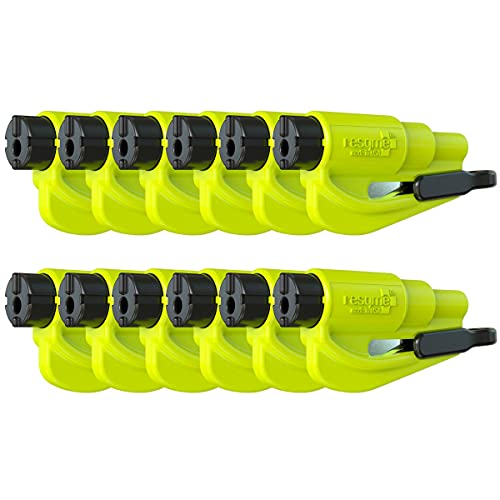
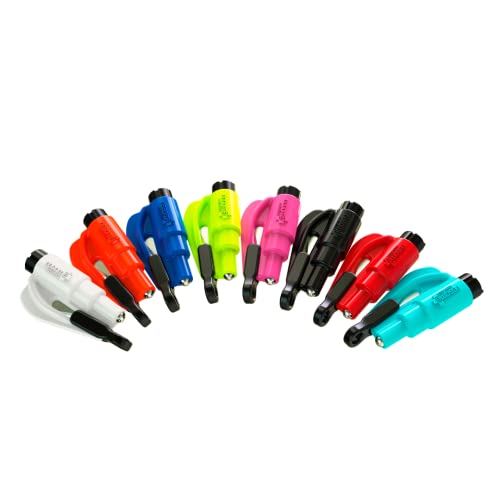
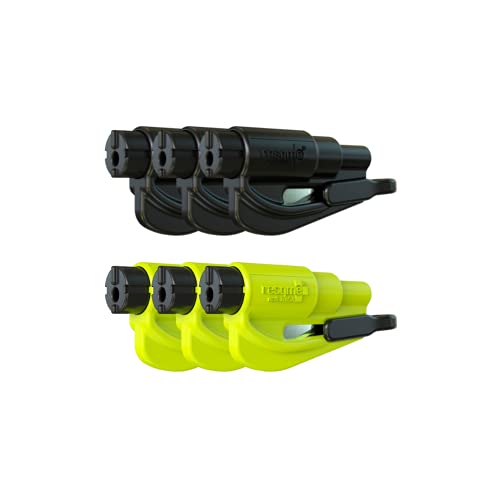
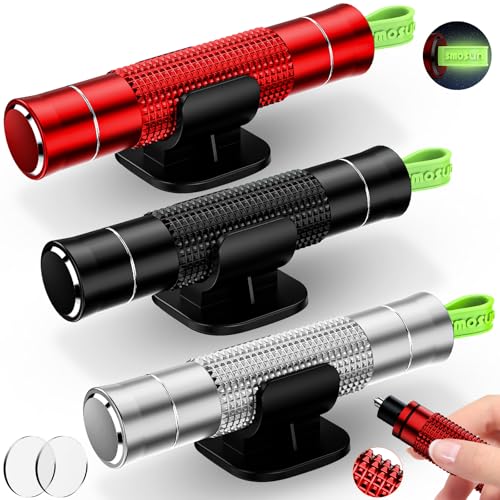
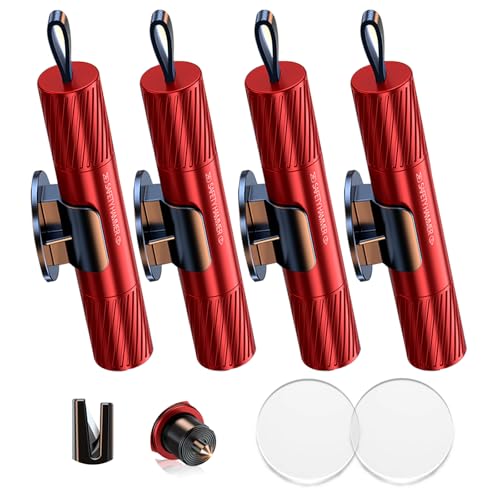
These are compact enough to clip onto your keys, combining a small spring-loaded spike and a seatbelt cutter in one lightweight body. Because they travel with your keys, they solve the biggest real-world problem with escape tools: forgetting where you put one. The tradeoff is a smaller spring mechanism, so grip and aim matter more than with a larger tool.
Mounted Safety Hammers
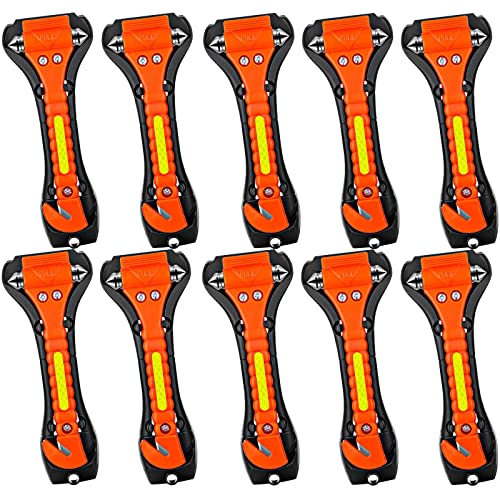
Larger tools with a bracket that mounts to a visor, seat frame, or console give you a bigger head and more leverage, and some glow in the dark for low-visibility situations. They are easy to find by touch once mounted, but only if the mount itself survives the crash and stays within reach.
Multi-Function Kits with Lights or Charging Ports
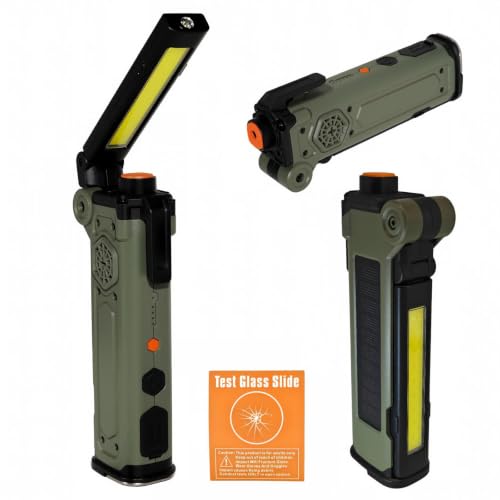
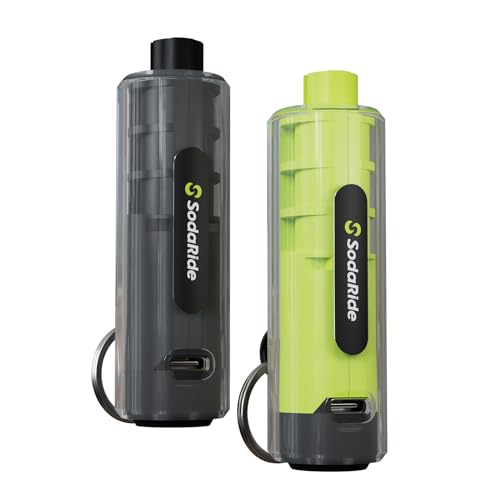
Some kits add a built-in flashlight, a whistle, or a USB charging port that plugs into a car's power outlet, doubling as a phone charger during normal use so it stays somewhere you will actually see it. These extras are convenient, but they should never come at the cost of a weaker core mechanism. If you are shopping for one of these, it is worth comparing them against dedicated options like a dedicated tactical flashlight if visibility, not novelty, is your priority.
Where to Keep It So You Can Actually Reach It
The best escape tool on the market is useless if it is buried in the glove box or trunk when you need it. Both locations are common recommendations for other supplies, but they are poor choices for this specific item, since a jammed door, a rollover, or rising water can make either compartment impossible to reach.
The more reliable spots are places you can reach without unbuckling or reaching far from the driver's seat: clipped to your keys, mounted to the sun visor, tucked into a door pocket, or attached near the center console within arm's length of the driver. If you keep a broader emergency preparedness kit in the vehicle, store the escape tool separately from that kit rather than buried inside it, since seconds matter and digging through a bag does not fit that timeline.
Keeping an Escape Tool Ready Over Time
These tools sit untouched for months or years at a time, which creates its own risks. Spring mechanisms can seize up from dust, temperature swings, or corrosion if the tool is left in a hot glovebox or a damp door pocket, and a seatbelt cutter blade can dull slightly with age even without ever being used.
Most spring-loaded spikes are designed to reset automatically after firing, so a single test press against a scrap piece of tempered glass, if you have access to one, is a reasonable way to confirm the mechanism still works before relying on it in the car. Check the tool every few months for visible corrosion on the blade or spike, and replace it if the spring no longer resets with a firm click. A dead battery in a jump starter is an inconvenience, but a seized escape tool is the kind of failure you only discover at the worst possible moment, similar to how a car jump starter only proves itself the moment you actually need it.
Frequently Asked Questions
Where is the best place to store an emergency car escape tool?
Keep it somewhere reachable from the driver's seat without unbuckling, such as clipped to your keys, mounted on the sun visor, or attached near the center console. Avoid the glove box and trunk, since both can become inaccessible after a crash.
Can an emergency car escape tool break a windshield?
Generally, no. Windshields are made of laminated glass, which is designed to resist shattering, and standard spring-loaded or hammer-style tools are built for tempered glass in side and rear windows instead.
Do car escape tools expire or lose effectiveness over time?
They do not have a fixed expiration date, but the spring mechanism and blade can degrade from corrosion, heat, or age. Periodic checks and a test press against scrap glass help confirm the tool still works.
Is a keychain-style escape tool as effective as a larger one?
A well-made keychain tool can break tempered glass just as reliably as a larger mounted version, since the spring mechanism does the work rather than the size of the tool. The main advantage of a larger tool is easier grip and leverage, not necessarily more breaking force.
What does independent certification like TÜV/GS mean for these tools?
Independent certification means the tool has been tested by a third party to confirm it performs at the force level an average person can realistically generate, rather than relying only on the manufacturer's own marketing claims.
Can a spring-loaded window breaker be reused after it fires once?
Most spring-loaded designs reset automatically once you lift the tool away from the glass, so the same unit can be used again on a different window if needed. It is still worth inspecting the tip afterward for damage.
How do I know what type of glass is in my car's windows?
Check the bottom corner of each window for a small etched label, which typically indicates whether the glass is tempered or laminated. If there is no visible label, the vehicle manufacturer can confirm the glass type for each window.
Making Your Decision
A trustworthy best emergency car escape tool comes down to three things: a spring-loaded mechanism that performs consistently under pressure, a shielded seatbelt cutter blade you can use safely without looking, and a spot in the car where you can actually grab it in the first few seconds after a crash. Extra features like lights or charging ports are worth having, but only after those three basics are covered. Pick a tool built around reliability first, then confirm it works in a quick test before it ever has to prove itself for real.