
Best Emergency Preparedness Supplies: What to Stock
Disclosure: We may earn a commission when you buy through links on this page, at no extra cost to you. As an Amazon Associate I earn from qualifying purchases. Learn more
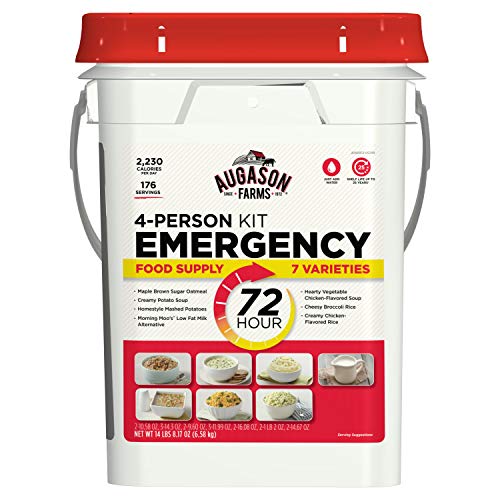
A power outage that stretches past a day has a way of exposing what you don't have. Maybe the flashlight batteries are dead, the tap water looks questionable, or nobody can find a bandage bigger than a Band-Aid. Putting together the best emergency preparedness supplies isn't about stockpiling everything in a catalog. It's about covering a handful of needs, light, communication, first aid, clean water, and warmth, with gear you'll actually reach for. This guide walks through what matters in each category and how to size your kit to your household.


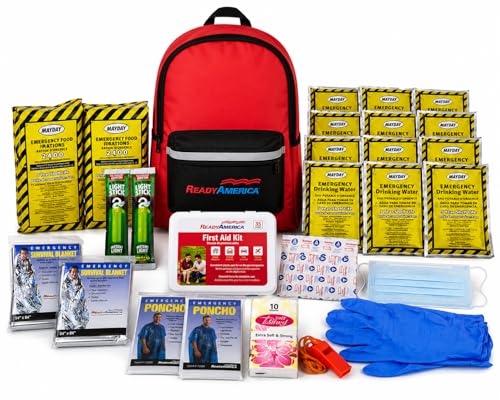
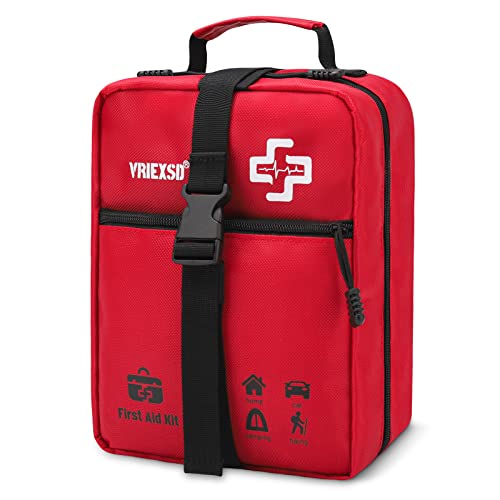
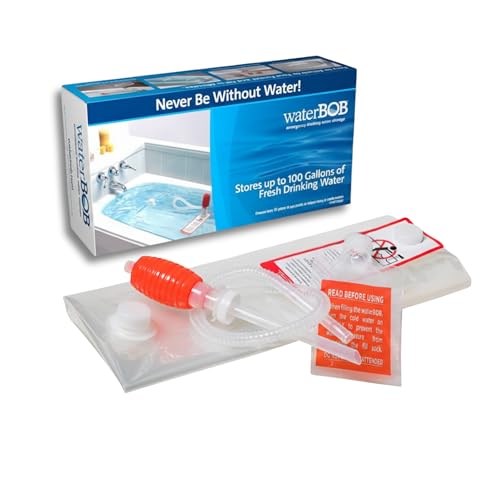
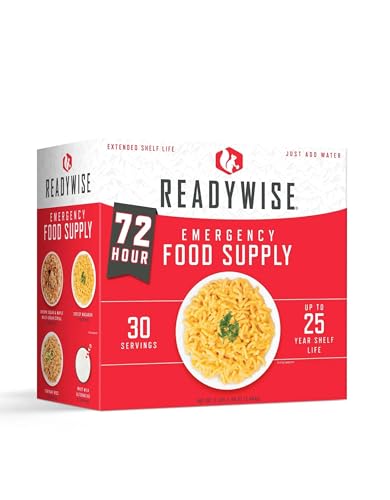

Light and Power Backup You Can Count On
Losing power at night is when a kit either proves its worth or falls apart. A dead flashlight or a phone stuck at 12% turns a minor inconvenience into a genuinely stressful night, so this category deserves more thought than grabbing whatever is in a junk drawer.
Choosing a Flashlight That Won't Die When You Need It
Runtime matters more than raw brightness. A flashlight rated for hundreds of lumens sounds impressive, but if it burns through batteries in under an hour, it's not much use during a multi-day outage. Look for a model with an adjustable low-power mode, since dimming the beam can stretch runtime from hours into days. LED bulbs last longer and handle drops better than older incandescent ones, and a hand-crank or rechargeable option removes battery anxiety entirely. If you'd rather compare models side by side, this roundup of rugged flashlight options breaks down runtime and durability in more detail.
Batteries and Power Banks Worth Stocking
Standardize on one or two battery sizes across your devices so you're not hunting for a specific AAA when everything else takes AA. Lithium batteries hold a charge longer in storage than alkaline ones and perform better in cold garages or basements. A charged power bank with enough capacity for two or three phone charges is worth keeping alongside your flashlight, since a phone is often your only line of communication once the power grid goes down. Label the charge date on any power bank you store away, since lithium cells slowly self-discharge even when they're never used, and a "fully charged" bank from a year ago may only have half its capacity left.
Staying Connected When Networks and Power Go Down
Cell towers can lose backup power within hours of a widespread outage, and internet service tends to go with it. This is where a dedicated radio and a simple signaling tool earn their place in a kit that phones alone can't fill.
What to Look for in an Emergency Radio
A radio that pulls in NOAA weather alerts gives you official updates even when local news stations are offline. Look for multiple power options, battery, hand crank, and small solar panel, so you're never fully dependent on one source. A built-in flashlight and phone-charging port add practical value without taking up extra space in your kit. For a closer look at what separates a reliable unit from a gimmick, this guide to choosing an emergency radio covers the details worth checking before you buy.
Why a Whistle Still Belongs in Your Kit
It sounds almost too simple, but a whistle carries much farther than a shout and takes far less effort to use, which matters if you're injured, exhausted, or trying to signal from a distance. Three short blasts is the universally recognized distress signal. A loud, weatherproof whistle clipped to a bag or kept in a jacket pocket weighs almost nothing but can matter a great deal in a search-and-rescue situation.
First Aid Basics Worth Having on Hand
Most households own a box of Band-Aids and call it a first aid kit, but real emergencies tend to produce injuries a bandage alone won't fix, cuts that need proper cleaning, sprains, or burns.
Core Items Every Kit Should Include
A well-stocked kit covers wound care (adhesive bandages in several sizes, gauze pads, medical tape, antiseptic wipes), pain and fever relief, and tools like tweezers and scissors. Instant cold packs are easy to overlook but genuinely useful for sprains or swelling when ice isn't available. Check expiration dates on any medication or ointment twice a year so nothing in the kit has quietly gone bad.
Matching Your Kit to Your Household
A kit for a family with young kids should lean toward child-dose medication and smaller bandages, while a household managing chronic conditions needs a rotating supply of prescription medication, ideally a week or two ahead of any refill deadline. Pet owners often forget a small first aid section for animals until they actually need one.
Water Purification for When the Tap Isn't Safe
Boil-water advisories and contaminated municipal supplies are common after storms or infrastructure damage, which is exactly why water treatment tools belong on any list of best emergency preparedness supplies you assemble ahead of time. Stored bottled water only stretches so far once a boil-water notice drags on.
Filters vs. Purification Tablets
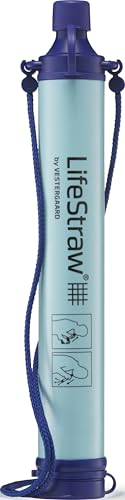
A portable filter, whether a pump-style unit or a straw filter, removes bacteria and parasites from questionable water sources and can be reused hundreds of times. Purification tablets are lighter and cheaper but take longer to work and leave a faint aftertaste. Many experienced preppers carry both: tablets as a lightweight backup and a filter for higher-volume needs.
Storage Containers That Actually Hold Up
Food-grade containers, not repurposed milk jugs, resist cracking and won't leach chemicals into stored water over time. Rotate stored water every six months even in sealed containers, since taste and quality can drift even when the water itself stays technically safe. Keep containers away from direct sunlight and household chemicals, since both can affect the plastic and, over time, the water inside it.
Warmth and Shelter Gear for Unplanned Nights
A furnace that stops working in the middle of winter turns a power outage into a genuine safety issue, especially for kids, older adults, or anyone with a health condition.
Emergency Blankets and Why Mylar Works
The thin, foil-like emergency blankets found in most kits reflect body heat back at you far more effectively than their weight suggests. They pack down to the size of a deck of cards, which is why they show up in car kits and backpacks as often as home kits. For a more detailed comparison of thickness, warmth rating, and reusability, this breakdown of emergency and survival blankets is worth a look.
Rain Protection and Dry Layers
Staying dry matters almost as much as staying warm, since wet clothing pulls heat away from the body far faster than cold air alone. A compact rain poncho and a spare set of dry socks take up little room but make a real difference if you're stuck outdoors or dealing with a leak indoors during a storm.
Frequently Asked Questions
How long should emergency preparedness supplies last?
Most agencies recommend a minimum three-day supply, but seven to ten days is safer for households in areas prone to extended outages, winter storms, or supply chain disruptions. Adjust based on how quickly help typically arrives where you live.
What are the most important emergency preparedness supplies to start with?
If you're building a kit from scratch, prioritize water, a light source, a first aid kit, and a way to receive emergency alerts. Those four categories cover the most common early-stage needs before you expand into other gear.
Do I need a dedicated first aid kit if I already have medicine at home?
Yes. Household medicine cabinets rarely include gauze, medical tape, or tools for treating cuts and sprains. A dedicated kit keeps everything organized and grab-ready instead of scattered across different rooms.
How often should I check or rotate my emergency supplies?
Twice a year is a practical rhythm for most households, often tied to daylight saving time changes. Check battery charge, medication expiration dates, and stored water quality during each pass.
Can I rely on stored tap water instead of a filter or purification tablets?
Stored tap water works for short outages, but it won't help if the water supply itself becomes contaminated. A filter or tablets give you a backup source once your stored water runs low.
Do I really need both a flashlight and an emergency radio?
They serve different purposes. A flashlight solves the immediate problem of not being able to see, while a radio keeps you informed about what's actually happening and how long it might last. Most complete kits include both rather than treating one as a substitute for the other.
What's the difference between a basic emergency kit and full preparedness supplies?
A basic kit usually covers the essentials for a short outage, light, water, and first aid. Full preparedness supplies add redundancy, communication tools, and gear suited to your specific climate and household needs, built up over time rather than bought all at once.
Putting Together Supplies You'll Actually Reach For
The best emergency preparedness supplies aren't the most expensive or elaborate ones, they're the ones stored somewhere accessible, checked periodically, and matched to how your household actually lives. Start with light, water, first aid, and communication, then round out the rest as you find gaps. A kit you've tested and trust will always beat one that's simply been sitting in a closet unopened.