Best Electric Pasta Machine: A Complete Buying Guide
Disclosure: We may earn a commission when you buy through links on this page, at no extra cost to you. As an Amazon Associate I earn from qualifying purchases. Learn more
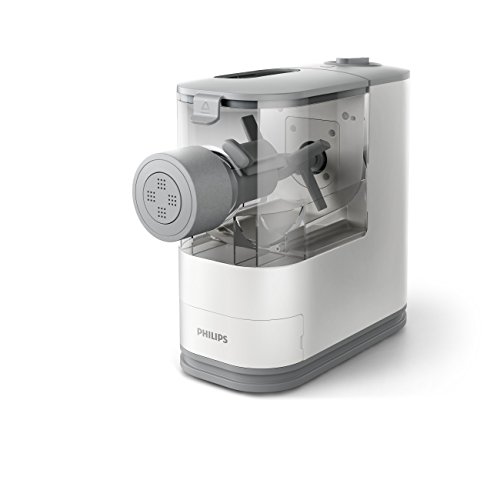
If you make pasta more than once a month, the difference between cranking a hand mill and pressing a button becomes obvious fast. The best electric pasta machine takes over the physical work of kneading, rolling, or extruding dough, so you spend your time shaping and cooking instead of fighting a hand crank. These machines range from compact stand-mixer attachments to standalone extruders that mix and shape pasta with barely any manual input. Picking the right one comes down to matching the machine's mechanism and footprint to how often you actually cook fresh pasta. This guide breaks down how electric machines differ from their manual counterparts, what separates an extruder from a motorized roller, and how to keep the moving parts working well for years.




Extruder or Motorized Roller: How the Mechanism Shapes Your Buying Decision
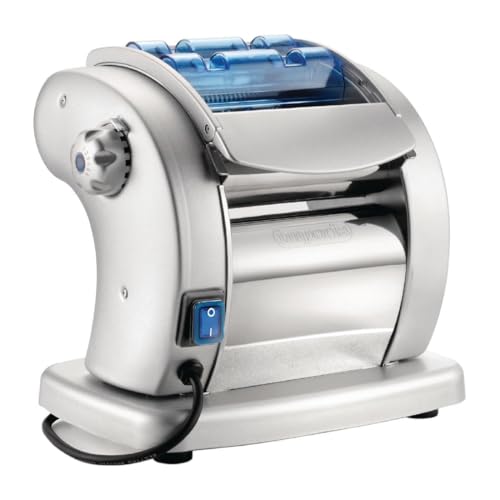
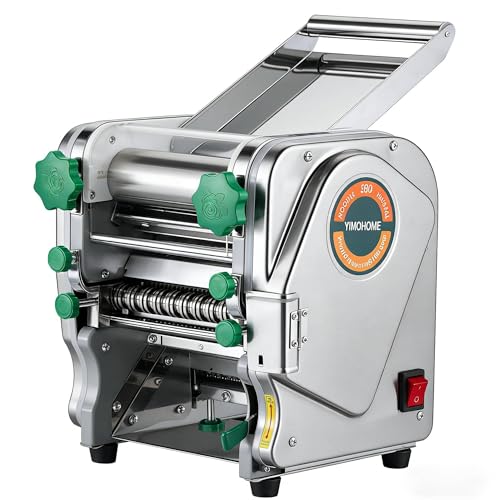
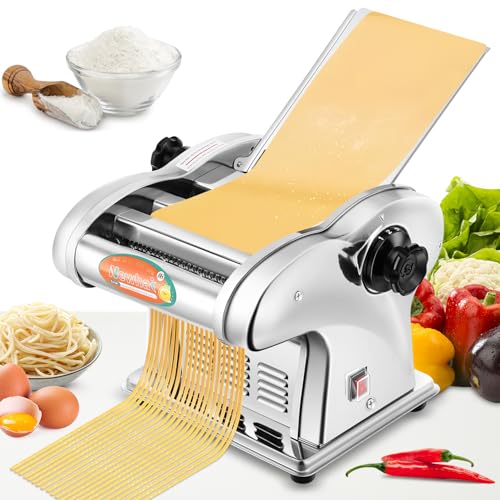
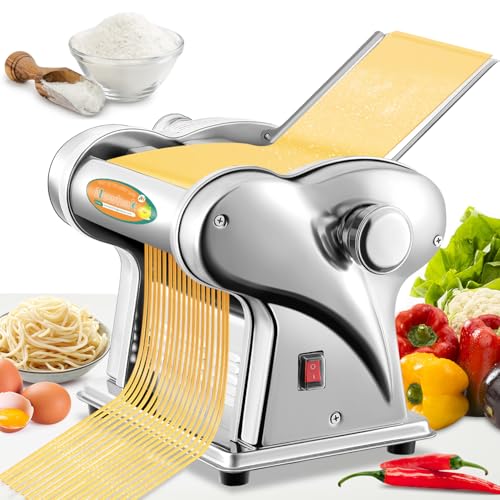
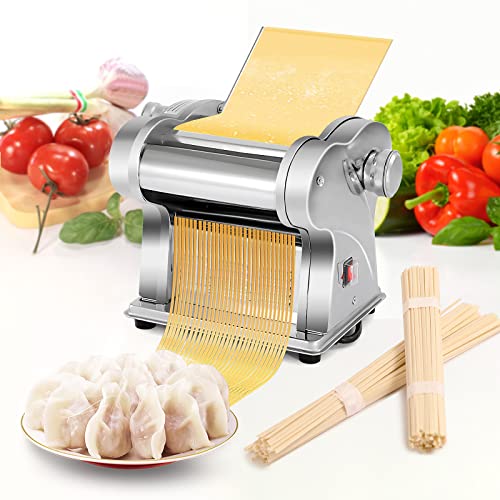
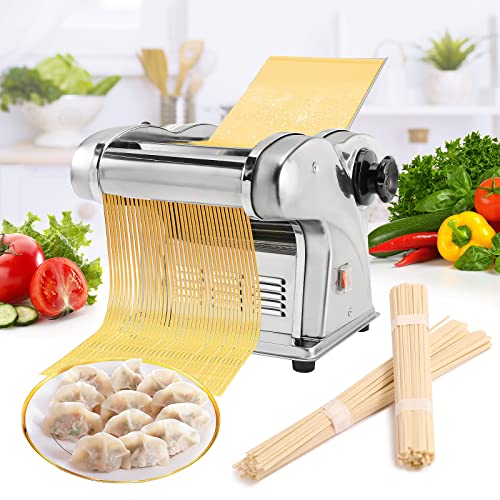
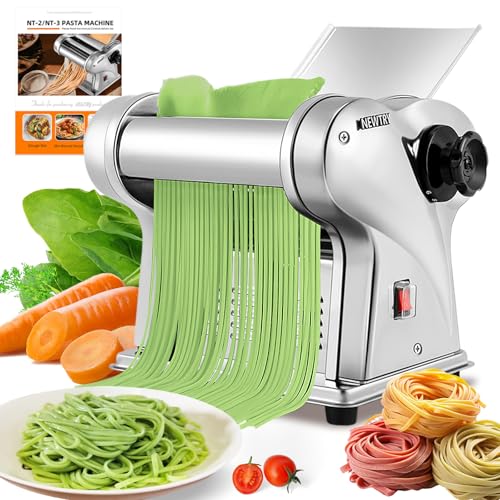
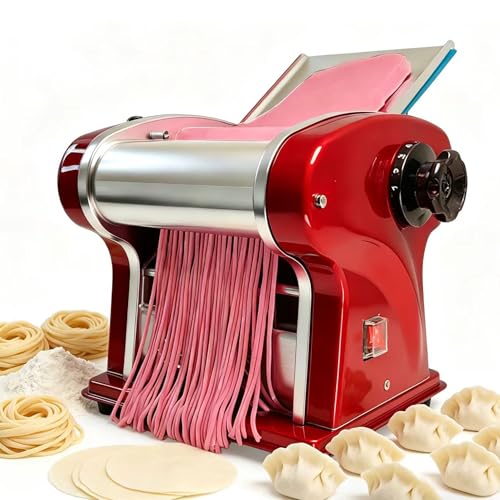
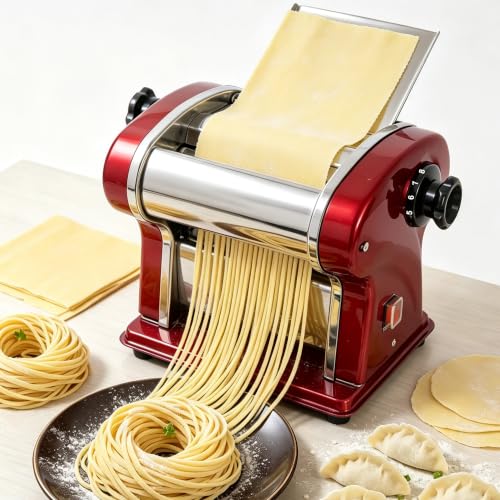
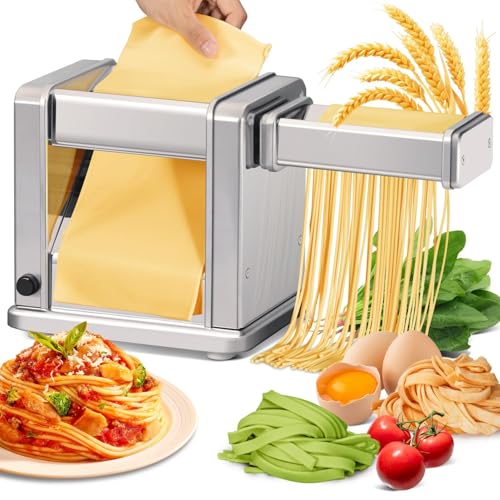
Every electric machine on the market uses one of two mechanisms, and picking correctly matters more than any other spec on the box. A motorized roller works the same way a hand-crank machine does, feeding a flattened piece of dough through a pair of rollers that gradually thin it into a sheet. The motor just replaces your arm, so you still knead and rest the dough yourself before running it through. An extruder works differently: raw flour and egg, or flour and water, go into a hopper, the machine mixes and kneads internally, then forces the dough through a metal or bronze die that stamps out a specific shape as it exits.
Match the mechanism to the pasta you actually eat
If you mostly want long, flat noodles like fettuccine or pappardelle, or you plan to fill your own ravioli and tortellini, a roller gives you more control over sheet thickness and texture. If you want tube shapes like rigatoni, penne, or fusilli that are nearly impossible to form by hand, an extruder is the only realistic option. Some households end up wanting both capabilities, in which case a machine with interchangeable roller and extruder attachments can save counter space compared to owning two separate units.
Standalone Machines vs. Stand-Mixer Attachments vs. Roller Sets
Electric pasta machines come in three basic formats, and each one fits a different kitchen setup. Standalone extruders are self-contained units with their own motor, mixing bowl, and die port, so they don't depend on any other appliance. They take up a fixed amount of counter or cabinet space but offer the most consistent extrusion pressure since the motor is built specifically for that job.
Stand-mixer attachments clip onto a mixer you already own, borrowing its motor to drive a roller or extruder head. This format is a smart choice if storage is tight, since the attachment itself is small enough to fit in a drawer once you're done. The tradeoff is that attachment output depends on how much torque your particular mixer can deliver, and pushing dense pasta dough through an extruder attachment can strain a lower-powered motor over time.
Motorized roller sets sit somewhere in between: they're dedicated pasta equipment, but they only handle the rolling and cutting steps, leaving mixing and kneading to you or a separate mixer. This split appeals to cooks who enjoy the hands-on part of working the dough but want the repetitive rolling automated. If you're weighing whether to skip the motor entirely, the budget pasta machine picks cover hand-crank models that cost less upfront and need no electricity at all.
Why Hands-Free Beats Hand-Cranked for Regular Pasta Making
A hand-crank machine works fine for an occasional pasta night, but the equation changes once you're making dough weekly or feeding a crowd. Turning a crank with one hand while feeding dough with the other gets tiring fast, especially once you're running the same sheet through multiple thickness settings. An electric machine removes that fatigue entirely, which matters if you have limited hand strength or you're making large batches for freezing. This is where the best electric pasta machine earns its keep, since removing hand fatigue directly increases how often you're willing to make pasta from scratch.
Consistency and speed compound over time
A motor turns at a fixed speed every time, so sheet thickness and extrusion pressure stay even from the first batch to the last. That evenness shows up in how the pasta cooks, since uniform thickness means it finishes cooking at the same rate all the way through. Hand-cranked sheets can vary slightly depending on how tired your arm gets by the tenth pass. Speed adds up too: what takes twenty minutes of manual cranking for a family-sized batch can often be done in half that time electrically, which matters most when you're entertaining or meal-prepping for the week.
Keeping Extruder Dies and Rollers in Good Shape
Cleaning routine is one of the biggest practical differences between roller and extruder machines, and it's worth understanding before you buy. Rollers wipe clean with a dry brush in under a minute since dough rarely sticks to polished metal or clings only in small flakes. Extruder dies are a different story: dough packs into the fine grooves that create shapes like penne or fusilli, and any leftover residue can trap moisture and grow mold if the die isn't fully dried before storage.
The drying step is the one people skip
Most extruder dies need to be disassembled, soaked briefly, then scrubbed with a small cleaning tool or toothpick to clear every groove, followed by a full air-dry before you put them away. Skipping the drying step is the most common way people damage bronze or brass dies, since trapped moisture leads to corrosion over repeated use. Budget an extra five to ten minutes after each session if you're running an extruder, versus almost no added time for a roller-only machine. Never submerge the motor housing or electrical base in water regardless of which mechanism you own; a damp cloth on the housing and a dedicated wash for the dough-contact parts keeps the machine running for years without electrical issues.
Frequently Asked Questions
Is an electric pasta machine worth it over a manual one?
If you make pasta more than a few times a month, yes. The time and effort savings compound quickly, and the consistent output reduces wasted dough from uneven sheets or torn extrusions.
Can a stand-mixer attachment handle the same shapes as a standalone extruder?
Most attachment lines offer similar die options for tubes and short shapes, but torque limits on some mixers mean dense, low-hydration dough may need to rest longer or be extruded in smaller batches.
How long does an electric pasta machine last?
With regular cleaning and dry storage, a well-built motorized roller or extruder can last well over a decade. Motor burnout from an underpowered attachment pushed too hard is the most common early failure.
Do I need a separate mixer if I buy a standalone extruder?
No. Standalone extruders mix and knead the dough internally, so you only need flour, eggs or water, and the machine itself to go from ingredients to shaped pasta.
What's the biggest mistake first-time buyers make?
Choosing an extruder without checking die cleaning difficulty first. Some die sets take apart easily, while others require extra tools, and that daily friction determines whether the machine actually gets used regularly.
Can electric pasta machines make gluten-free or alternative dough?
Many extruders can, though gluten-free dough behaves differently and often needs a wetter mix and slower extrusion speed. Check the manufacturer's guidance before running a large batch, since some doughs strain the motor more than wheat dough.
Does electric-made pasta taste different from hand-rolled?
Roller-made pasta from an electric machine tastes the same as hand-rolled since the process is identical, just motorized. Extruded pasta can have a slightly denser bite due to the shaping method, which many cooks actually prefer for holding sauce.
Matching the Machine to How Often You Actually Cook Pasta
Finding the best electric pasta machine for your kitchen depends less on brand reputation and more on how the mechanism, format, and cleanup routine fit your actual cooking habits. A household that makes pasta weekly benefits most from the speed and consistency of a dedicated extruder or roller, while occasional cooks may find a stand-mixer attachment covers their needs without adding another appliance to store. Weigh the cleaning routine as heavily as the shape options, since a machine that's a hassle to clean tends to end up in a cabinet unused.