Best Budget Pasta Machine: A Complete Buying Guide
Disclosure: We may earn a commission when you buy through links on this page, at no extra cost to you. As an Amazon Associate we earn from qualifying purchases. Learn more

Making pasta at home stops feeling like a special occasion and starts becoming a Tuesday-night habit once you have the right equipment on your counter. The best budget pasta machine for your kitchen isn't necessarily the cheapest one on the shelf; it's the one that matches how often you actually plan to roll dough. Some households want a simple hand-crank tool that lives in a drawer between uses. Others already own a stand mixer and just need the right attachment. Before you buy, it helps to understand what separates a genuinely useful budget model from one that frustrates you after a few uses, and why the lowest price tag isn't always the smartest long-term choice.


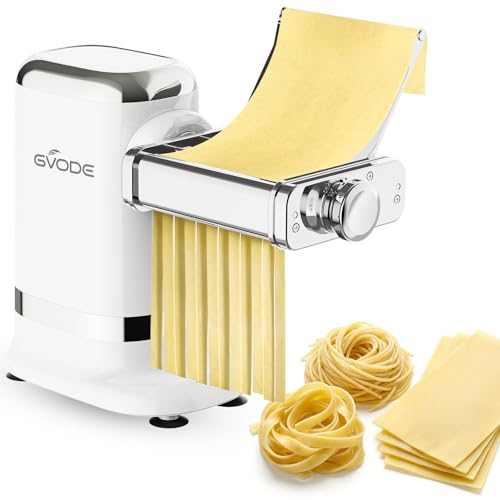
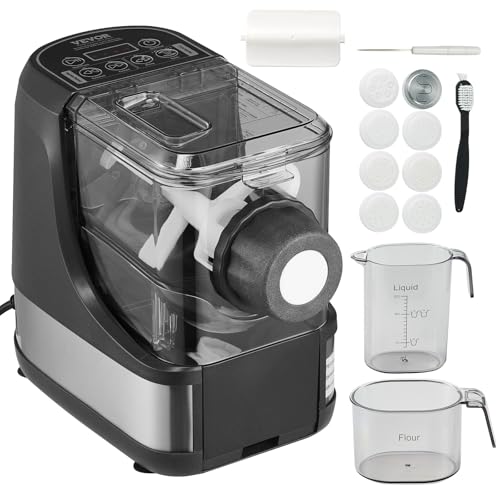
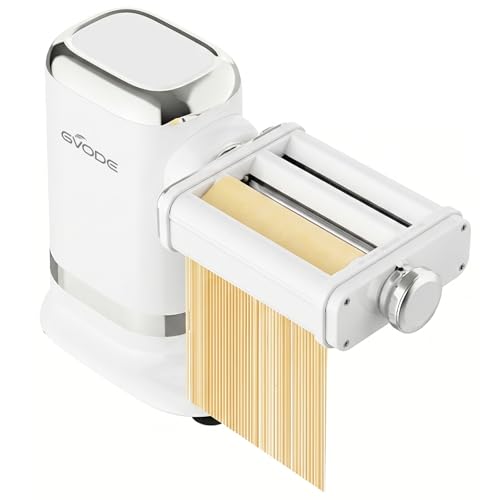
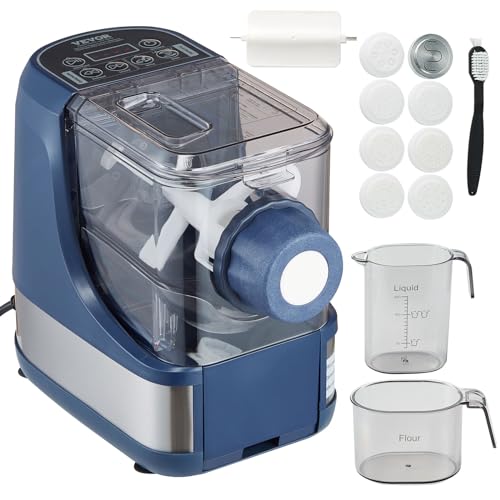
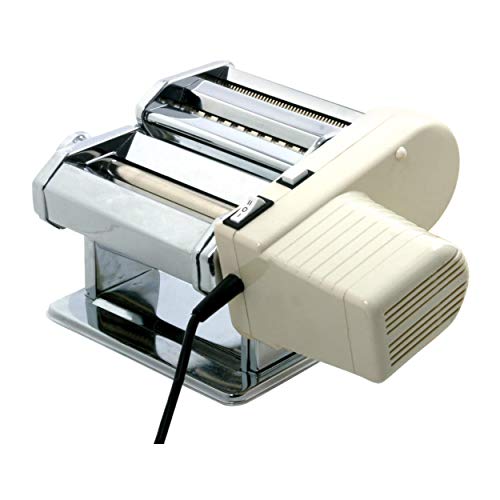
Manual Crank or Motorized: Which Style Fits a Tight Budget
Almost every affordable pasta roller falls into one of two camps, and the split matters more than any single spec on the box.
Hand-Crank Rollers
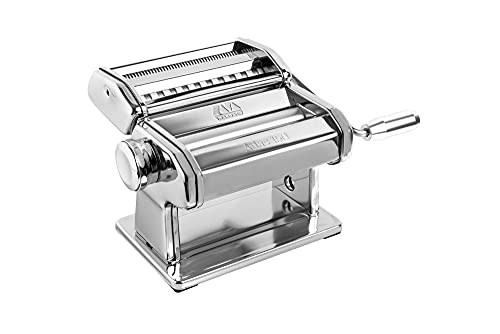
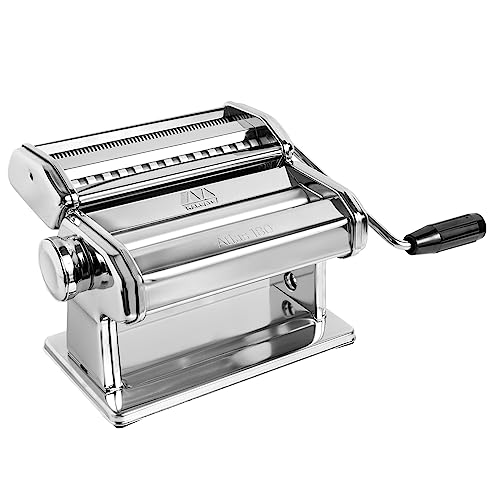
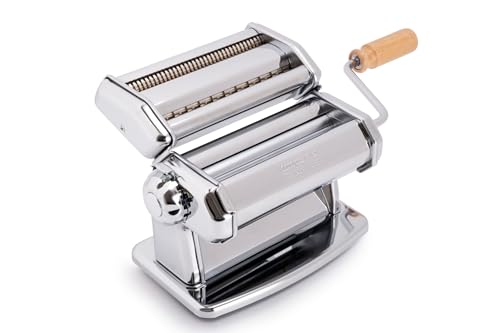
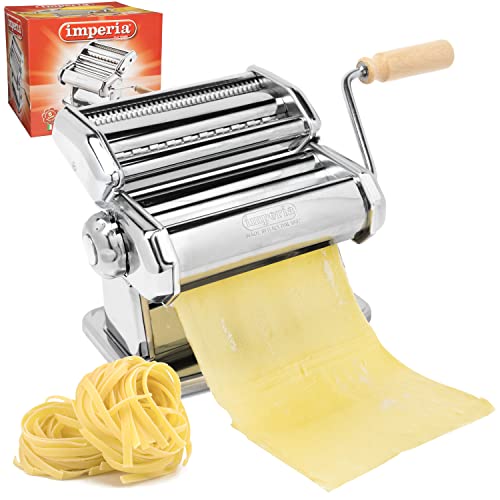
A hand-crank machine clamps to your countertop and uses a simple gear system to pull dough through a pair of steel rollers. You turn the handle yourself, which keeps the price low and gives you direct control over speed and feel. Most models offer somewhere between six and nine thickness settings, adjusted with a dial on the side, plus one or two cutting attachments for fettuccine and tagliatelle style noodles.
Motorized and Stand-Mixer Options
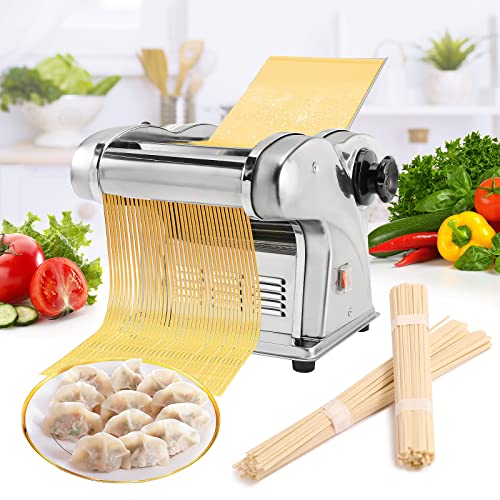
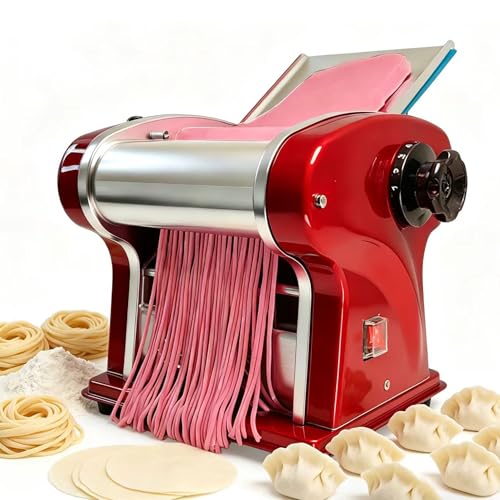
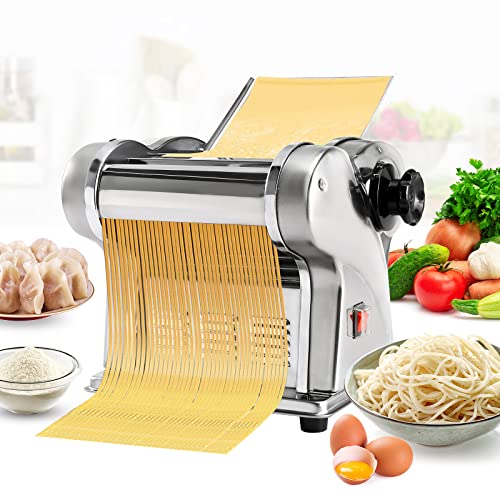
If you already own a mixer, a roller attachment can be the cheapest path to fresh pasta since you're only paying for the attachment, not a motor. Standalone electric rollers exist too, but they tend to cost more than manual models and are harder to find at true budget prices. For a first purchase on a tight budget, a manual crank or a mixer attachment usually delivers the best value per dollar.
How Often You'll Roll Dough Should Drive the Decision
An occasional cook who makes pasta a few times a year has different needs than someone who wants fresh noodles most weeks. Matching the machine to that rhythm keeps you from overspending or underbuying.
- Occasional use: a compact manual roller that clamps on and off quickly is easier to justify and store than a larger, pricier unit.
- Regular use: look for sturdier gears and a wider roller, since the mechanism will see far more cycles over its lifespan.
- Tight kitchens: check the clamp depth and the machine's footprint when open, since some rollers need several inches of clearance to crank the handle freely.
- Shared counters: a model with a carrying case or a compact folding handle stores more easily in a cabinet than one that stays assembled.
Think about where the machine will actually live day to day, not just how it looks sitting on a counter in a photo. A tool that's a hassle to pull out tends to get used less, no matter how good it is.
Where Cheaper Models Cut Corners
Budget doesn't have to mean flimsy, but it's worth knowing where manufacturers trim cost so you can decide which trade-offs you're willing to accept. Roller width is one of the first places to check. Many entry-level machines roll sheets around five to six inches wide, while pricier versions stretch closer to eight, which affects how large a sheet of lasagna or ravioli you can make in one pass.
Gear material and roller coating are the other big variables. Some low-cost models use plastic gears instead of metal, which can wear out faster under heavy or thick dough. Chrome-plated steel rollers resist rust better than uncoated versions and tend to hold up longer with regular use. If you're already comparing this to a stand mixer built for dense bread dough, the same logic applies here: sturdier internals cost a little more upfront but save you a replacement purchase later. Cutter attachment count also varies; some budget bundles include only one or two cutting widths, while others add a ravioli stamp or a wider lasagnette cutter for a similar price. Weighing these details is really what shopping for a best budget pasta machine comes down to: deciding which corners you can live with and which ones you can't.
Keeping Rollers Clean Without Water
Care routines are simple once you know the one rule that matters most: rollers and water don't mix. Water on steel rollers, especially uncoated ones, invites rust that can pit the surface and ruin smooth sheeting within a season. A dry brush and a bit of patience are all a well-maintained machine really needs, which is one more reason a best budget pasta machine pick still needs basic upkeep to last.
After Every Use
Run a small piece of scrap dough through the rollers at the widest setting a few times to pull out leftover bits, then narrow the setting gradually and repeat. This picks up crumbs the brush alone might miss. Let any remaining dough air-dry for about an hour before brushing it away, since dried dough flakes off far more easily than fresh, sticky dough does.
Long-Term Storage
Store the machine somewhere dry, and consider a light wipe of food-safe oil on exposed steel rollers if you live somewhere humid. A dab of flour rubbed onto the rollers before storage can also help prevent surface rust between uses.
Frequently Asked Questions
Do I need a stand mixer to use a pasta roller attachment?
Yes, roller attachments only work with a compatible stand mixer's power hub. If you don't already own one, a standalone hand-crank machine is the more practical starting point.
How many thickness settings do I actually need?
Six to eight settings cover most home recipes, from thick pappardelle to thin ravioli sheets. More settings add flexibility but rarely change the final dish dramatically.
Can I make gluten-free pasta with a budget machine?
Most manual rollers handle gluten-free dough fine, though it can be more delicate and tear more easily. Rolling a touch thicker and handling the sheets gently helps prevent breakage.
Is it normal for the crank to feel stiff at first?
Yes, new gears often feel tight for the first several uses as they break in. A drop of food-safe oil on the gear teeth can smooth things out if stiffness persists.
How wide a sheet can I expect from an entry-level roller?
Most budget models produce sheets around five to six inches wide, enough for standard noodle shapes but sometimes narrow for large lasagna sheets.
What's the safest way to dry fresh pasta before cooking?
Hang cut noodles over a rack or a clean broom handle for twenty to thirty minutes, or dust them lightly with flour and coil them into loose nests on a tray.
Will rust on the rollers ruin the pasta?
Light surface rust can transfer discoloration onto dough and affect texture. Address it early with a dry brush and oil rather than letting it spread.
Settling on the Right Fit for Your Kitchen
The right choice comes down to matching the machine's roller width, gear quality, and included attachments to how often you'll realistically use it. A little attention to material care after each session keeps even an entry-level roller performing well for years. Once you know your own cooking habits, narrowing down the options becomes a much shorter list.