
Best Kitchen Knife Block Sets: A Complete Buying Guide
Disclosure: We may earn a commission when you buy through links on this page, at no extra cost to you. As an Amazon Associate I earn from qualifying purchases. Learn more
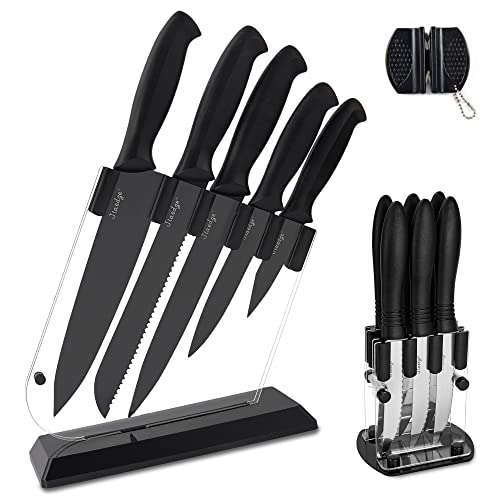
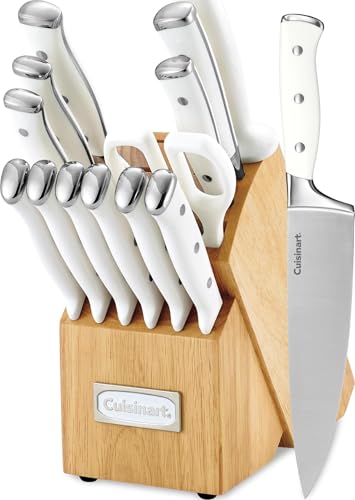
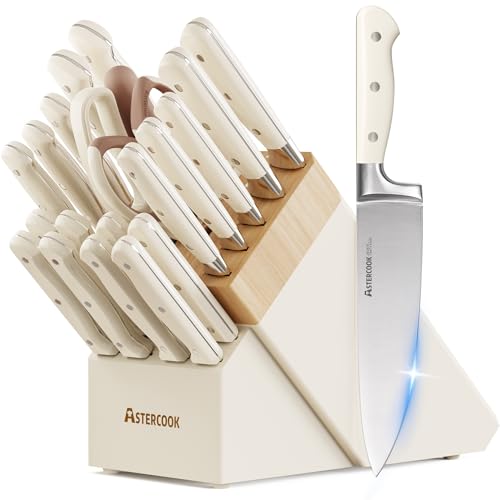
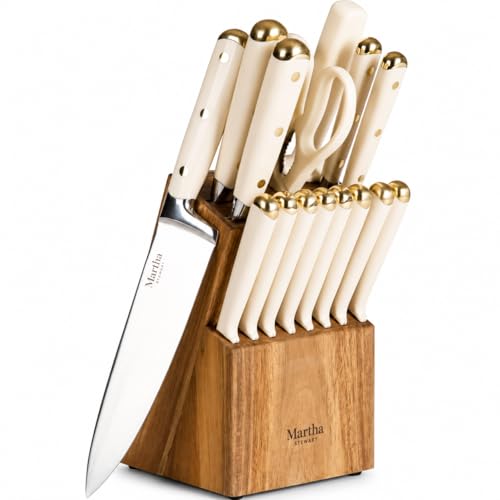
Standing in front of a wall of matching knives sitting neatly in a wood block is one of the more satisfying purchases you can make for a kitchen, but that satisfaction fades fast if half the slots end up holding blades you never touch. The best kitchen knife block sets earn their price by getting three things right at once: a piece count that matches how you actually cook, blade construction that holds up beyond the flagship chef's knife, and a block built well enough to protect the edges you paid for. This guide walks through how to judge piece count, what full tang versus stamped construction really means once you're looking at eight or twelve knives instead of one, how the block itself affects both safety and value, and whether a set genuinely beats buying the pieces on their own.
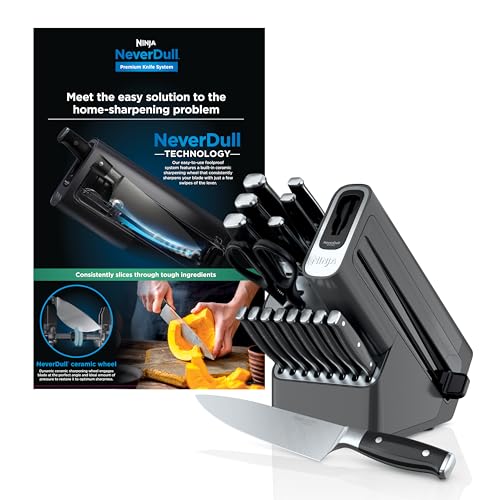

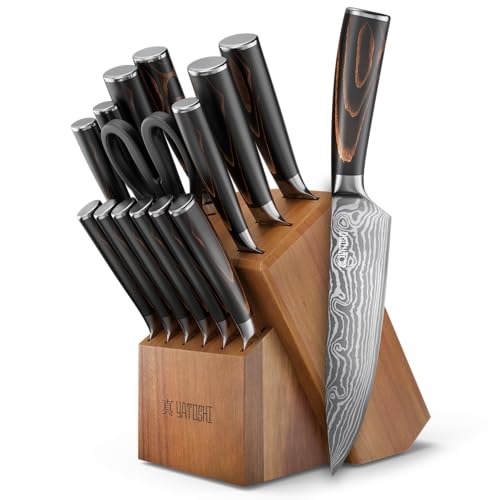
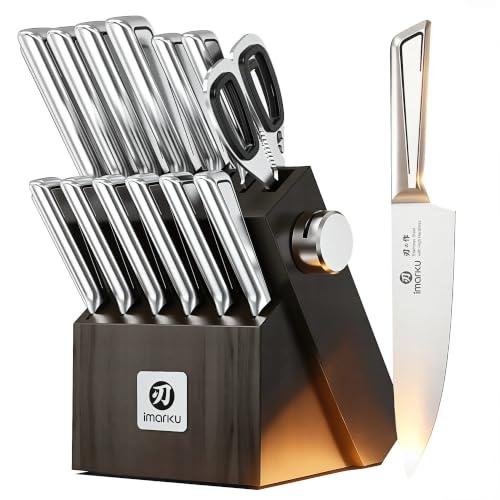
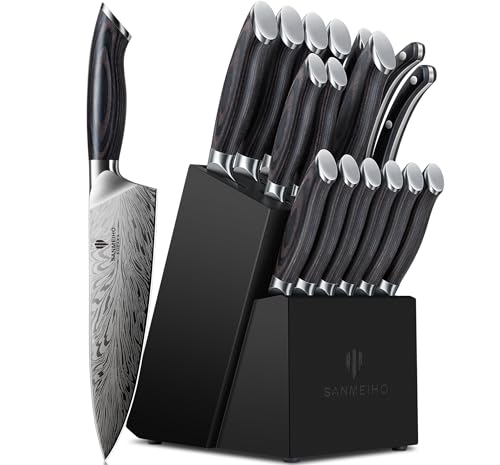
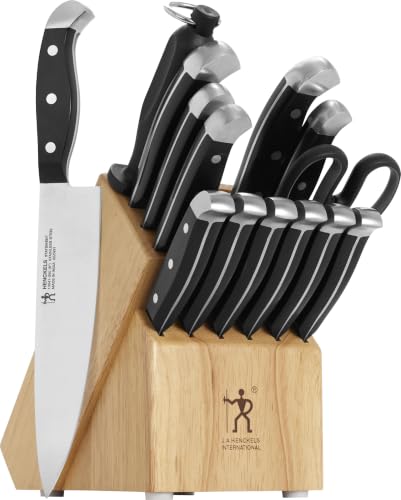
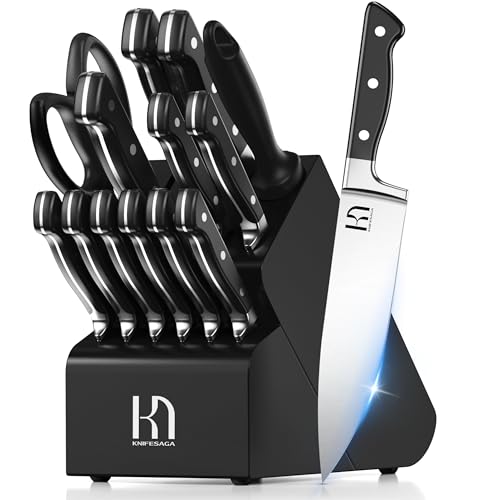
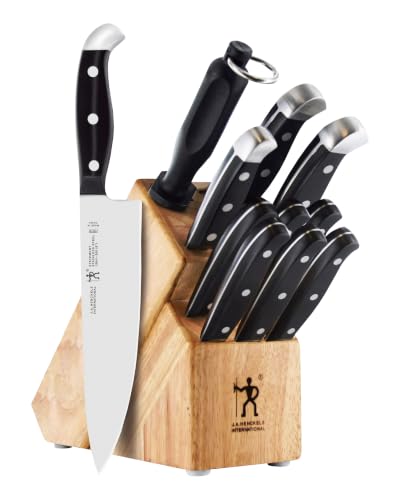
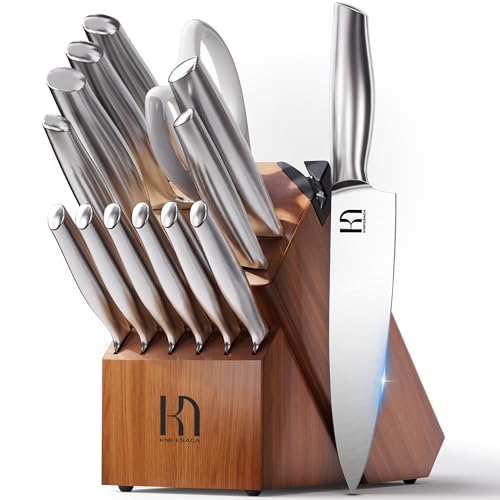
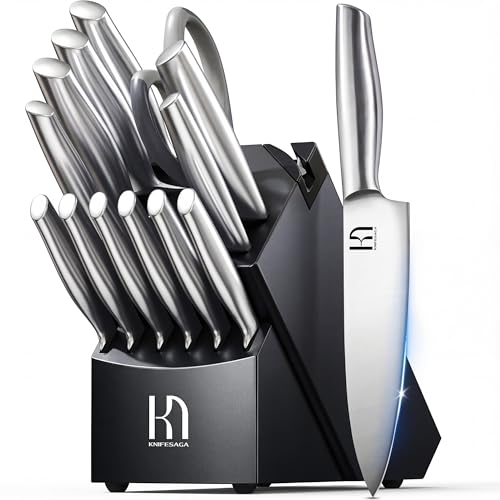
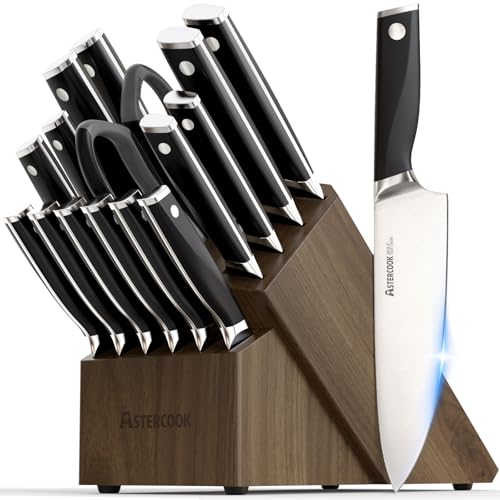
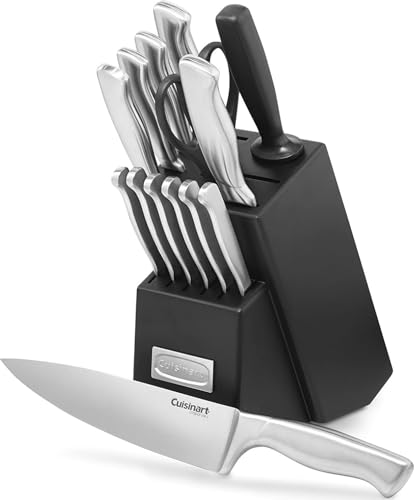
How Many Knives You Really Need in a Block
Piece count is the first number shoppers compare, and it's also the easiest one to get wrong. A bigger block looks impressive on a counter, but every slot that sits empty of regular use is money spent on storage rather than on knives you'll sharpen and reach for. That pattern is exactly what separates the best kitchen knife block sets from ones that photograph well but end up half neglected.
The Core Pieces Almost Everyone Uses
Across nearly every kitchen, three knives handle the bulk of daily prep: a chef's knife for chopping and slicing, a paring knife for small detail work, and a serrated knife for bread or anything with a tough skin and soft interior, like tomatoes. If a set nails the construction on those three, it's already doing the job that matters most, regardless of how many other slots the block includes.
When the Extra Slots Are Worth Paying For
Beyond the core three, extra pieces earn their place only if they match how you actually cook. Steak knives make sense if you regularly serve meat at the table. A utility knife fills the gap between the chef's and paring knife nicely for smaller cuts. Dedicated specialty knives like a boning or fillet blade are worth the slot only for cooks who prep meat or fish often enough to justify a single-purpose tool. If you can't picture reaching for a piece more than a few times a year, it's not adding value, it's just filling the block.
Full Tang vs Stamped: What It Means Across an Entire Set
Construction quality gets talked about constantly for a single chef's knife, but it matters just as much when you're evaluating an entire block, because manufacturers sometimes reserve better construction for the flagship piece and cut costs on everything else. This is where the best kitchen knife block sets pull ahead of budget bundles that only look strong in a single product photo.
Why Full Tang Changes How a Knife Feels
Full tang construction means the metal of the blade runs the entire length of the handle instead of stopping partway through. That extra metal adds weight where your grip sits, which improves balance and gives the knife a sturdier feel during tasks that push back, like cutting through a squash or breaking down poultry. In a set, checking whether full tang extends past the chef's knife to the utility and paring knives tells you a lot about whether the whole block was built with the same standard.
Where Stamped Blades Are a Reasonable Tradeoff
Stamped blades are cut from a flat sheet of steel rather than forged, which makes them lighter and generally more affordable to produce across a large set. That's not automatically a downside. For pieces that don't need heavy leverage, a paring knife or a steak knife, a well-made stamped blade can perform fine for years. The tradeoff shows up most on the chef's knife, where the added weight and rigidity of forged, full tang construction is felt on every cut.
Block Material and Construction
The block rarely gets the attention it deserves in reviews, yet it's the single feature that separates a knife block set from a plain knife set sold without one, and a poorly built block undermines even great knives. It's also one of the easiest ways to spot the best kitchen knife block sets before you even look at the blades.
Wood Density and Why It Matters
Dense hardwoods like acacia or hard maple resist splitting around the slots better than softer, lighter woods, and they hold up longer to the small amount of moisture that inevitably gets on blades before they're fully dry. Bamboo blocks are a lighter, often more budget-friendly alternative, though they can wear faster around slot edges with heavy daily use. Either way, the block should feel solid and heavy enough that it doesn't tip when you pull a knife out at an angle.
Fixed Slots vs Universal (Slotless) Design
Traditional blocks have fixed slots cut to match the exact knives included, which keeps blades snug but limits you if you want to add a knife later that doesn't match any slot width. Universal blocks use bristles or rods instead of carved slots, letting you store knives of almost any size and add pieces over time. The tradeoff is that universal blocks generally hold fewer knives securely and can look less tidy than a block with knives sitting flush in matched slots. If you're someone who tends to build a collection gradually rather than buy everything at once, a universal design is worth the extra look, and it pairs well with other storage options if you eventually outgrow the block itself.
Is a Block Set a Better Deal Than Buying Pieces Separately?
This question decides whether the best kitchen knife block sets are worth choosing over building a collection knife by knife, and the math depends almost entirely on how many of the included pieces you'll actually use. When a set's core three or four knives are well-built and priced close to what those knives would cost individually, the block and the extra pieces essentially come free, which makes the set the better deal. When a set pads its piece count with knives you already own or will never reach for, buying a strong chef's knife and paring knife on their own, paired with a simple stand, often costs less and leaves you with less clutter.
If you're weighing a full block set against building a smaller, more targeted collection, it's worth comparing prices against a broader look at kitchen knife sets without a block requirement, since dropping the block can free up budget for better steel on the knives you'll actually use daily.
Frequently Asked Questions
How many knives do I actually need in a knife block set?
Most home cooks rely on a chef's knife, a paring knife, and a serrated knife for the vast majority of tasks. Anything beyond that should match specific habits, like frequent steak dinners or fish prep, rather than being purchased just because a larger set looks complete. Among the best kitchen knife block sets, the strongest ones nail those core three before adding anything else.
Is a knife block set worth it compared to buying knives separately?
It depends on how many included pieces you'll use regularly. A set is a good value when the core knives are well made and priced fairly against buying them alone, but padded sets with rarely used pieces often cost more per useful knife than buying a few quality pieces individually.
What's the difference between full tang and stamped knives in a set?
Full tang knives have blade metal running the length of the handle, giving better balance and durability for heavy tasks. Stamped blades are cut from flat steel sheets, making them lighter and more affordable, which works fine for lighter-duty pieces but matters less on knives you use for demanding cuts. Checking construction across every piece, not just the chef's knife, is one of the fastest ways to tell the best kitchen knife block sets apart from padded ones.
Is a wood knife block sanitary?
A wood block is sanitary as long as knives go in dry, since moisture trapped in the slots is what allows bacteria to grow, not the wood itself. Wiping blades dry before storing them and occasionally airing out the block keeps it clean over years of use.
Can I add my own knives to a block that came with a set?
Fixed-slot blocks only fit knives close to the width of their carved slots, so adding a differently sized blade often won't work well. A universal or slotless block is far more forgiving if you plan to expand your collection over time.
What's the difference between a universal block and a slotted block?
A slotted block has fixed openings cut for specific knife widths, keeping included knives snug and secure. A universal block uses bristles or rods that flex to hold blades of nearly any size, trading some tidiness for the flexibility to store knives you add later.
Making Your Decision
The right choice among the best kitchen knife block sets comes down to matching piece count to your real cooking habits, checking that full tang construction extends past just the chef's knife, and giving the block itself a closer look than most shoppers bother to. Get those three things right and the set earns its counter space for years instead of becoming a display piece.