Best Electric Hot Water Boiler and Warmer: A Complete Buying Guide
Disclosure: We may earn a commission when you buy through links on this page, at no extra cost to you. As an Amazon Associate I earn from qualifying purchases. Learn more

Refilling a kettle every time someone in the house wants tea, then waiting a few minutes for it to whistle, gets old fast in a busy kitchen. It gets worse at two in the morning when you need warm water for a bottle and do not want to stand over a stove. An electric hot water boiler and warmer solves both problems by holding several liters of water at a set temperature around the clock, so hot water is one push away instead of a five-minute wait.
These countertop units show up in family kitchens, office break rooms, and dorm rooms for the same reason: they save the constant reboiling that a kettle requires. This guide covers what actually separates a good electric hot water boiler and warmer from a mediocre one, how it differs from the kettle and under-sink dispenser you may already be considering, where it earns its counter space, how to use it safely around kids, and how to keep the tank clean for the long haul.


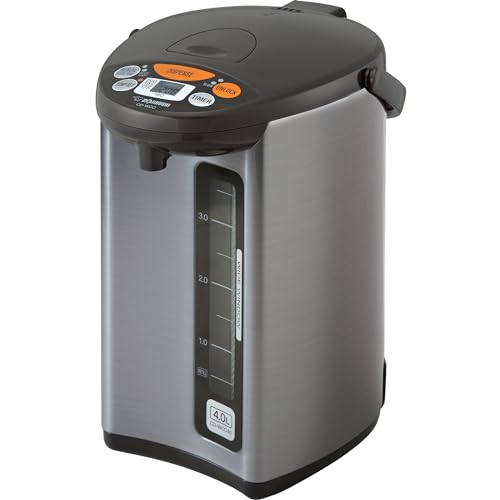
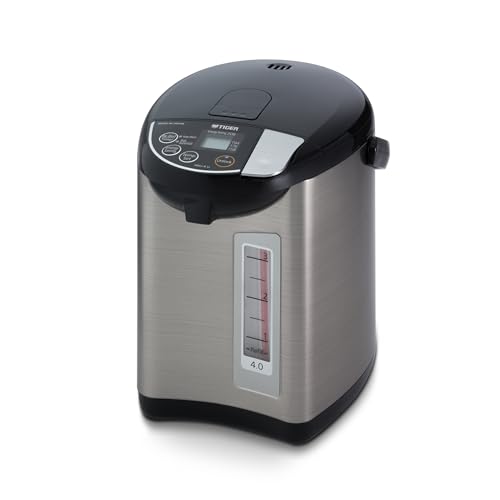
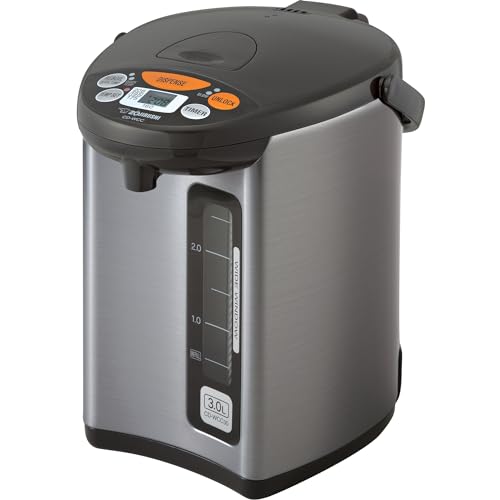
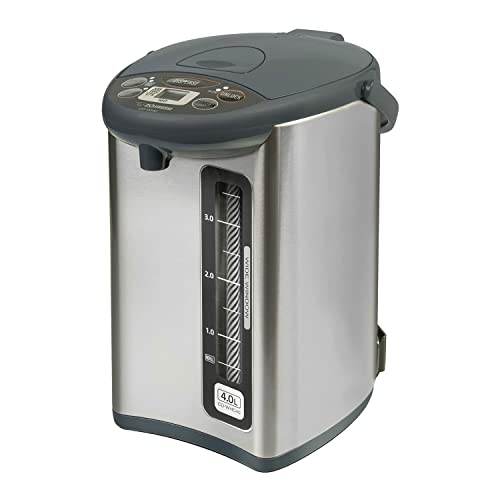
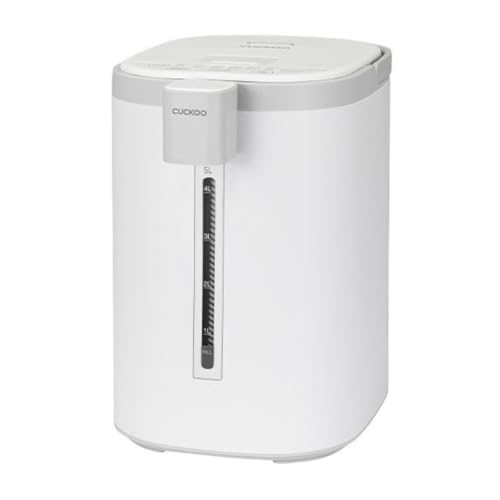
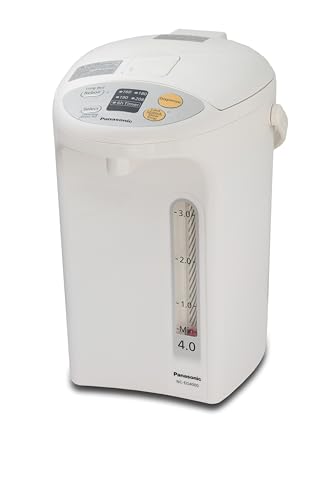
Tank Size, Temperature Settings, and the Other Specs Worth Comparing
Most models of electric hot water boiler and warmer look similar from the outside, but the specs underneath decide whether one fits your household or ends up back in the box. Here is what actually moves the needle.
Tank Capacity Versus How Often You Refill
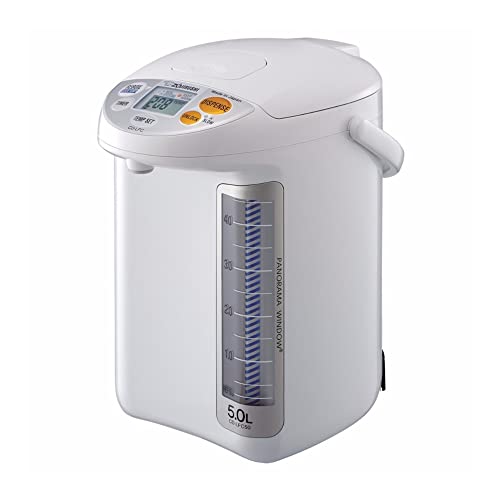
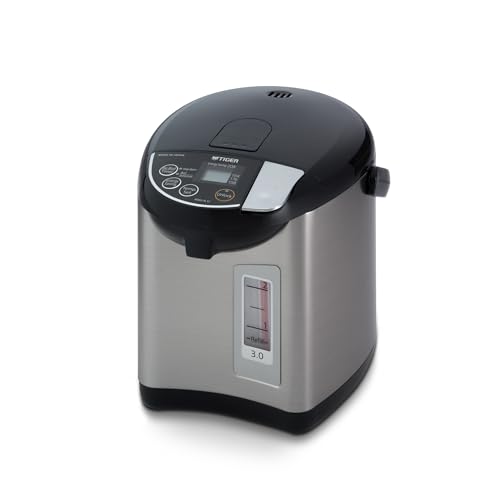
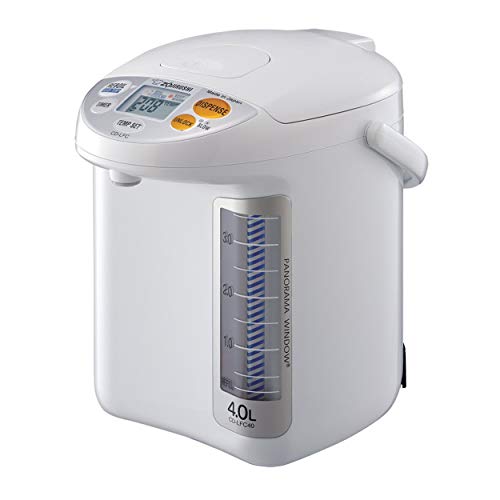
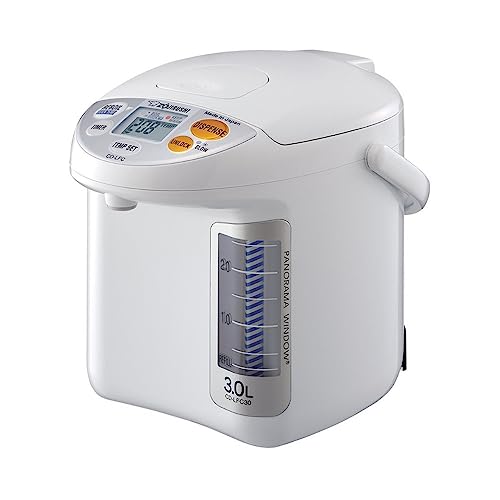
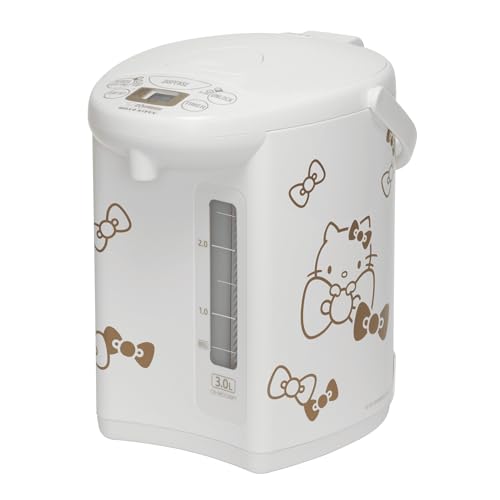
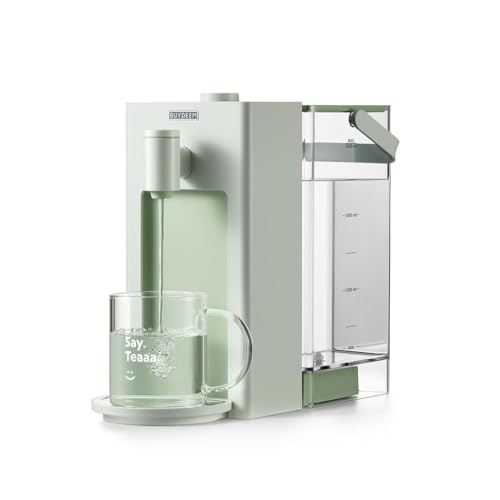
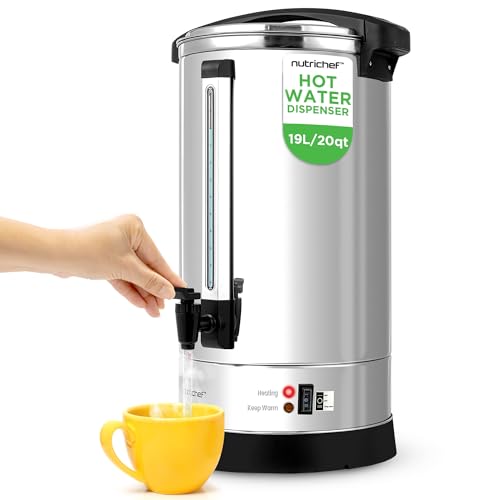
Capacities generally run from around two liters up to five liters. A smaller tank suits one or two people who mostly want tea or instant coffee, while a household that goes through hot water for noodles, oatmeal, and multiple hot drinks a day will empty a small tank fast and end up refilling constantly. Match the size to how many cups you realistically pour in a morning, not to the biggest number on the shelf.
Keep-Warm Temperature Settings
Look for at least three or four selectable temperatures rather than one fixed setting. A lower setting in the 140 to 160°F range works for green tea or lukewarm bottle prep, a middle setting suits coffee and black tea, and a near-boiling setting near 208°F handles instant noodles or cooking needs. Units with only a single high setting force you to let water cool on the counter, which defeats the point of a warmer.
Dispensing Mechanism
Water comes out one of three ways: a manual pump you press by hand, an electric pump triggered by a button, or a gravity lever. Electric pump models are the easiest to use one-handed while holding a mug or a bottle, but they rely on power and a working motor. Manual pump and lever designs are simpler mechanically and tend to need fewer repairs over the years, though they take a bit more effort per pour.
Safety Features
Because the tank sits full of near-boiling water at all times, a child safety lock on the dispensing button is not optional if kids are around the kitchen. Also check for a low-water automatic shutoff, which keeps the heating element from running dry and burning out, plus a stable, wide base that resists tipping if someone bumps the counter.
How a Water Boiler and Warmer Differs From a Kettle or an Under-Sink Dispenser
It is easy to lump these appliances together, but they solve different problems. An electric kettle heats a small batch of water, usually under a liter and a half, then shuts off once it reaches a boil. It is fast and energy-efficient per use, but the water cools within half an hour and you are back to reheating from scratch. A water boiler and warmer trades that quick single boil for standing readiness: it keeps a much larger tank hot for hours or days at a time, so the tradeoff is a small amount of standby power use in exchange for never waiting again. If your household drinks one or two cups a day, an electric water kettle is often the simpler and cheaper choice.
An under-sink or plumbed instant hot water dispenser solves a related problem but requires a dedicated tap installed next to your faucet and a connection to your cold water line, usually with professional installation. A freestanding water boiler and warmer needs none of that. It plugs into a standard outlet, sits anywhere on the counter, and moves with you if you relocate, which makes it the more practical pick for renters, offices, and anyone who does not want to modify their sink.
Where a Water Boiler and Warmer Actually Earns Its Keep
Home kitchens are the obvious spot, especially for households that lean on hot water throughout the day for tea, oatmeal, or a quick pour into a French press without heating a full kettle each round. Multiple family members drawing hot water at different times is exactly the scenario where a always-ready tank beats a kettle you have to babysit.
Office break rooms and shared kitchens benefit for the same reason, since a warmer set at a mid-range temperature keeps coworkers from lining up behind a single kettle, and it pairs well with other shared brewing gear the way an office espresso machine does. Dorm rooms and small apartments also do well with a compact model, since it takes up less counter space than a full coffee station and needs no plumbing hookup. Campers and RV owners tend to like the same convenience for a different reason: a warmer draws steady low power off an inverter, which some travelers prefer over cycling a kettle repeatedly, though anyone leaning heavily on hot beverages on the road should also weigh a dedicated setup, since RV coffee makers built for 12-volt or low-wattage use handle that job more efficiently on limited power.
Using a Water Boiler and Warmer Safely for Baby Formula and Around Kids
Parents often reach for these units at odd hours because the water is already at a stable temperature, which beats standing over a stove during a middle-of-the-night feeding. That said, formula and breast milk should never be served hot. Set a dedicated low-temperature preset, generally close to body temperature, and always test a few drops on your wrist before feeding, since the water coming out of the unit can still run warmer than expected depending on the setting.
If young children are in the house, treat the child lock as a requirement, not a nice-to-have. Test the lock yourself rather than assuming the listing description is accurate, since some units label a simple stiff button as a safety feature when it offers little real resistance. Keep the unit pushed back from the counter edge and the cord away from where a curious hand could reach it.
Descaling and Cleaning Without Ruining the Tank
Because an electric hot water boiler and warmer holds hot water nonstop, mineral scale builds up faster than it would in a kettle you empty after every use. Left alone, that buildup is one of the most common reasons these units eventually leak or lose heating efficiency. Plan on descaling every one to three months in hard water areas, less often if your water is naturally soft.
Citric acid dissolved in warm water and run through the tank, followed by a thorough rinse, is the standard method most manufacturers recommend. Avoid baking soda or abrasive scrubbers on the inner liner, since they can scratch the surface and clog the dispensing valve over time. Wipe down the exterior and the drip tray daily, since standing water there attracts residue faster than people expect.
Frequently Asked Questions
What is the difference between an electric water boiler and a kettle?
A kettle heats a small batch of water and shuts off once it boils, while a boiler and warmer keeps a larger tank hot continuously so water is ready on demand rather than reheated each time.
Is it safe to leave a hot water boiler and warmer on all day?
Yes, these units are built for continuous use and include automatic shutoff features if the water runs low. Just place it on a stable surface away from the counter edge.
Can you use a hot water boiler and warmer for baby formula?
Yes, many parents use one for this exact reason, but always set a dedicated low temperature close to body warmth and test the water before feeding rather than relying on the dial alone.
How often should you descale a water boiler and warmer?
Every one to three months in hard water areas is typical, and less frequently with naturally soft water. Skipping descaling is the most common cause of leaks and reduced heating power.
How much electricity does it use running all day?
Standby keep-warm power draw is modest, generally comparable to a few cents a day, since the unit only needs brief bursts of heat to maintain temperature once the tank is already hot.
How is this different from an under-sink hot water dispenser?
An under-sink dispenser is plumbed into your cold water line and installed next to your faucet, while a boiler and warmer is a freestanding countertop unit that needs no installation and can be moved anywhere.
How long does the water stay hot in a warmer?
Water stays at the selected temperature indefinitely as long as the unit is powered on, since the heating element cycles on and off to maintain the set point rather than heating once and cooling down.
Making Your Decision
The right electric hot water boiler and warmer comes down to matching tank size and temperature range to how your household actually uses hot water, not to the model with the most settings on the box. Prioritize a genuine child lock, a low-water shutoff, and a descaling routine you will actually follow, and the unit should keep pouring reliably for years without drama.