Best Instant Hot Water Dispenser: A Complete Buying Guide
Disclosure: We may earn a commission when you buy through links on this page, at no extra cost to you. As an Amazon Associate I earn from qualifying purchases. Learn more

A complete guide to choosing the best instant hot water dispenser, covering tank capacity, installation type, temperature control, safety locks, and maintenance.
Choosing the best instant hot water dispenser comes down to matching tank capacity, temperature control, and installation style to how your household actually uses hot water. These countertop and under-sink units hold heated water on standby so you get near-boiling water in seconds, without waiting on a stovetop kettle or microwave. Some people want one purely for tea and coffee prep, while others plan to use it for oatmeal, soup starters, or cleaning grease off pans. The right choice depends on your kitchen layout, how many people you're serving, and whether you have room under the sink for a dedicated unit. This guide breaks down what actually matters before you buy.

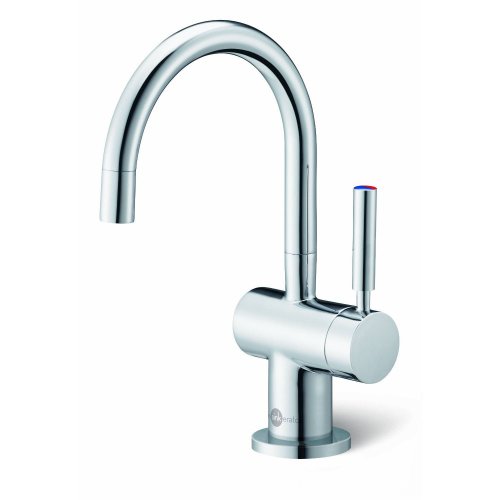


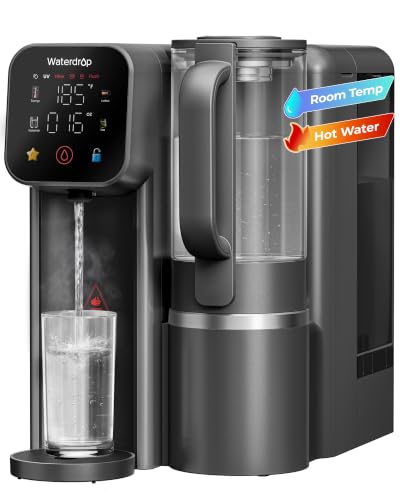
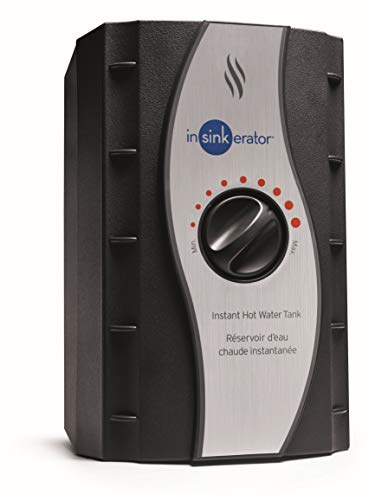
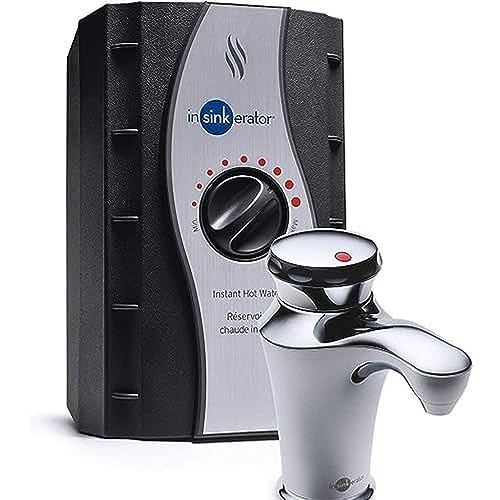
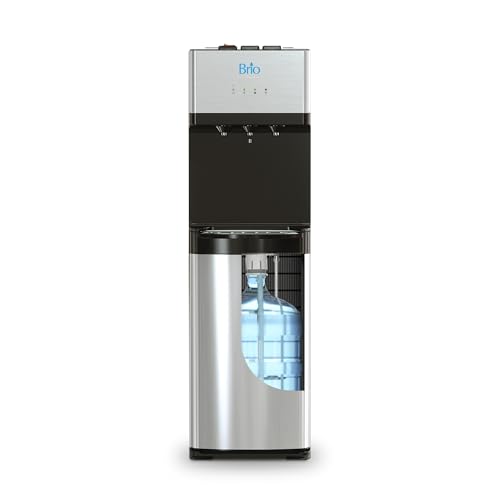
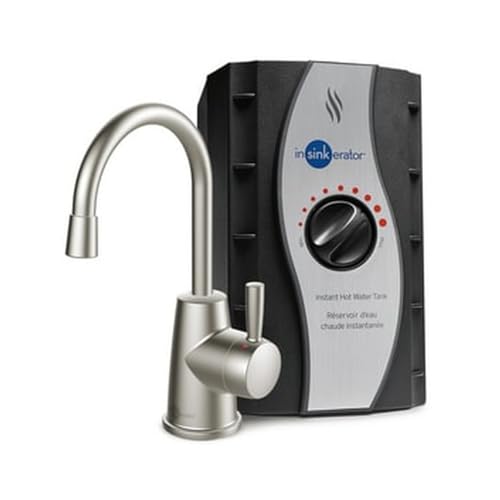


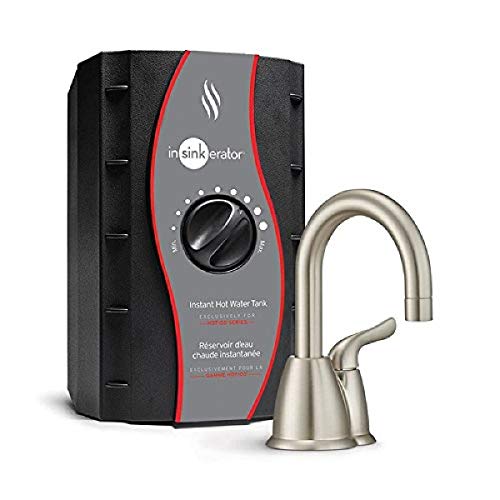
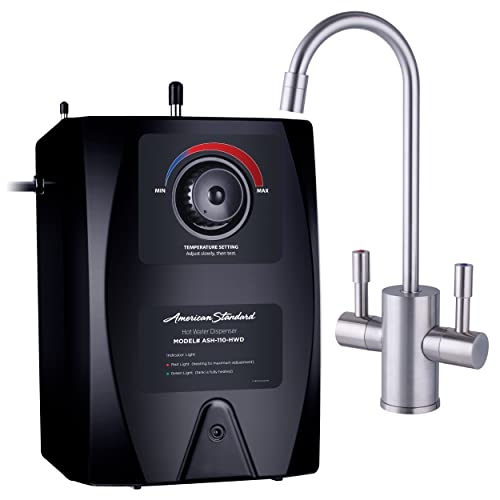
Tank Capacity, Temperature Control, and Safety Locks to Check Before You Buy
Tank size is the first spec worth checking on any instant hot water dispenser, since it determines how many cups you can pull before the unit needs to reheat. A small reservoir works fine for one or two people making tea, but a household that uses hot water for oatmeal, baby bottles, and multiple coffees back to back will drain a compact tank fast. Look at the rated capacity in cups or liters, then think about your busiest morning rather than your average one.
Temperature range matters just as much as capacity. Some dispensers offer a single fixed near-boiling setting, while others let you dial in anywhere from a gentle warm to a full rolling boil. If you make green tea, delicate leaves need cooler water than black tea or coffee, so adjustable temperature settings save you from scalding leaves or under-extracting your brew.
A child safety lock on the spout is worth prioritizing if kids or pets share the kitchen. Look for a lock that requires a deliberate two-step action, like pressing and holding a button while pulling the lever, rather than a single touch that a curious toddler could trigger by accident.
Countertop Units vs Under-Sink Systems: Which Fits Your Kitchen
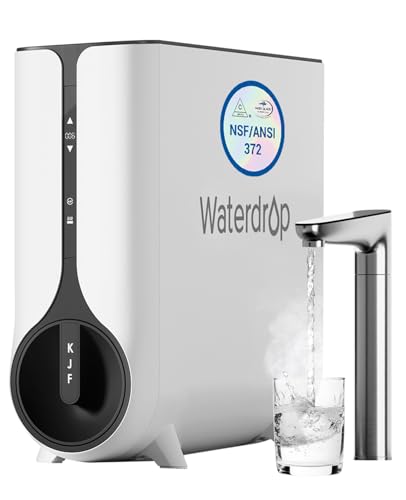
Countertop models are the simpler option. They sit on the counter, plug into a standard outlet, and hold their own water reservoir that you refill by hand. There is nothing to install and no plumbing to touch, which makes countertop units a good fit for renters or anyone who wants hot water on demand without committing to a permanent fixture.
Under-sink systems trade that simplicity for a cleaner look and a self-filling tank. The unit sits in the cabinet below your sink, ties into your cold water line, and feeds a dedicated spout mounted through a hole in the countertop. Because the tank refills automatically from your plumbing, you never have to remember to top it off, and the counter stays clear of another appliance.
If your kitchen already has a spare hole in the sink deck left over from an old soap dispenser, an under-sink system can slot in without cutting anything new. If not, factor a small amount of extra work, or a call to a plumber, into your decision.
Getting an Under-Sink Dispenser Connected: What Installation Actually Involves
An under-sink dispenser needs three things nearby: a cold water supply line to tap into, a dedicated outlet inside or near the cabinet, and enough vertical clearance to fit the tank upright. Most cabinets have the outlet already, but measure the space before you buy, since tanks vary in height and some crowd out storage for cleaning supplies.
You will also need a spout hole in the countertop or sink deck. If your sink already has a spare hole, the job is straightforward. If it doesn't, cutting one into stone or solid-surface countertops is a job for a professional, while some laminate or stainless sinks can be drilled at home with the right bit.
DIY or hire a plumber?
Tool-free push-to-connect fittings have made many kits genuinely doable in an afternoon for anyone comfortable working under a sink. That said, if your shutoff valves are old, corroded, or you aren't confident connecting a supply line without a leak, paying a plumber for an hour of work is cheap insurance against water damage.
Countertop models skip all of this. Fill the reservoir, plug it in, and it's ready within the time it takes the tank to heat, usually well under half an hour.
Where an Instant Dispenser Earns Its Keep in Daily Use
The most obvious use is tea and coffee. Instant coffee, pour-over, and tea bags all come together faster when you aren't waiting on a kettle to whistle, since the water is ready the moment you want it. For households that go through several cups a day between different family members, that adds up to real time saved.
Beyond drinks, near-boiling water on tap speeds up cooking prep. Instant oatmeal, soup bases, blanching vegetables, and pre-heating a pot before you start a sauce all go faster with water that's already hot. It's also genuinely useful for warming baby bottles or mixing formula, though you should always test the temperature before feeding.
Office kitchenettes and small breakrooms benefit for a different reason. With several people making tea or single-serve coffee throughout the day, an always-ready dispenser cuts down on the line at the sink and the noise of a kettle boiling every twenty minutes. If your household or workplace already leans on hot water constantly, a dispenser earns back its upfront cost in convenience fairly quickly.
Standby Heating and What It Adds to Your Energy Bill
Unlike a kettle, which only draws power while you're actively boiling water, most instant dispensers keep a tank hot around the clock so it's ready whenever you need it. That standby heating is the main ongoing cost to factor in, separate from the price of the unit itself.
In practice, a typical countertop or under-sink unit adds a modest amount to your monthly electric bill, usually just a few dollars, depending on your local electricity rates and how well insulated the tank is. Units with better insulation cycle the heating element less often to maintain temperature, which keeps that ongoing cost down.
If you only need hot water occasionally, an electric kettle that heats on demand and then powers off will almost always cost less to run over a month. A dispenser makes more financial sense when hot water is a frequent, daily need rather than an occasional one, since the convenience offsets the standby draw.
Frequently Asked Questions
Is the water from an instant dispenser safe to drink?
Yes, as long as the unit is cleaned and descaled on a normal schedule. The tank simply heats tap water, so water quality depends on your home's supply, not the appliance itself. Filter your water first if your tap needs it.
How hot does the water actually get?
Most units range from about 190°F to just under boiling, with some offering adjustable settings down to a gentle warm. Check the specific temperature range before buying if you need water hot enough for real tea brewing rather than just warm.
Do I need a plumber to install an under-sink model?
Not always. If your sink already has a spare hole and accessible shutoff valves, many kits install with push-to-connect fittings in under an hour. Cutting a new hole in stone countertops or working with old, corroded valves is best left to a professional.
How often does the tank need descaling?
Every three to six months in most homes, more often if you have hard water. Mineral buildup slows heating and can eventually damage the element, so a regular vinegar or descaling rinse keeps the unit running efficiently.
Will it raise my electricity bill significantly?
Expect a modest increase, generally a few dollars a month, from keeping the tank hot around the clock. Better-insulated tanks cost less to maintain than older or poorly insulated models over time.
Can I use it for cooking, not just drinks?
Yes. Many people use the hot water for instant oatmeal, soup bases, blanching vegetables, or pre-warming a pot. Just confirm the output temperature is hot enough for what you're preparing, since some units run cooler than a full boil.
Is a child lock actually necessary?
If children or pets are ever in the kitchen, yes. Near-boiling water dispensed accidentally can cause serious burns in seconds, so a spout requiring a deliberate two-step action to release water is a meaningful safety feature, not just an extra.
Matching the Dispenser to How You Actually Live
The right instant hot water dispenser for your household comes down to how often you reach for hot water and how much kitchen space you're willing to give up for it. A countertop unit suits light or occasional use, or a rental where permanent fixtures aren't an option, while an under-sink system rewards households that use hot water daily and want it built into the kitchen itself. Weigh capacity, temperature range, and installation effort against your actual routine, not just the feature list.