Best Electric Bikes for Kids: A Complete Buying Guide
Disclosure: We may earn a commission when you buy through links on this page, at no extra cost to you. As an Amazon Associate I earn from qualifying purchases. Learn more
Shopping for the best electric bikes for kids is nothing like picking out a regular bicycle. A motor and battery change the speed a child can reach, the weight they have to control, and even whether the bike is legal for them to ride in your state. Parents usually start out focused on color and price, then quickly discover there are wattage limits, battery certifications, and age rules they never had to think about before. This guide breaks down what actually matters, from motor power and control type to where your child is allowed to ride, so you can shop with a clear picture instead of guesswork.
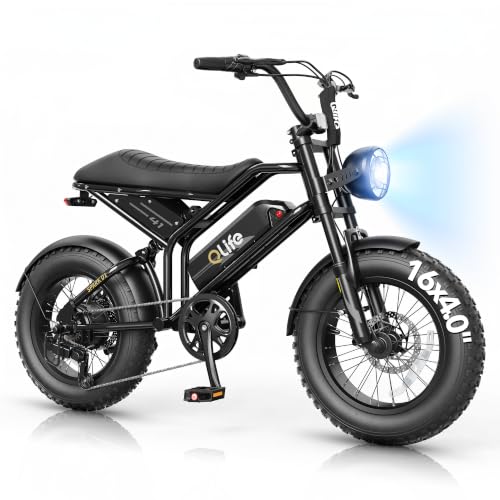
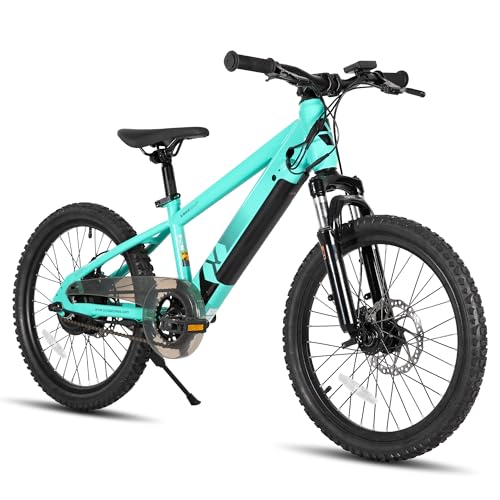
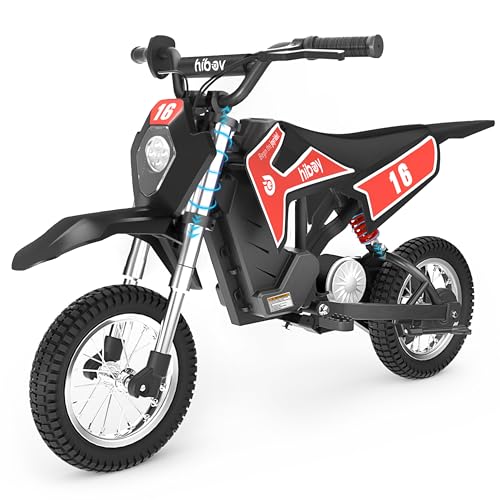
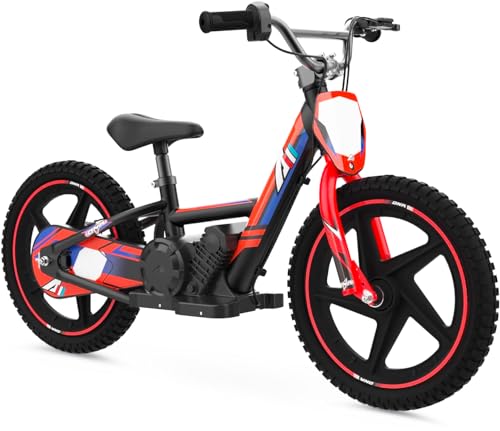
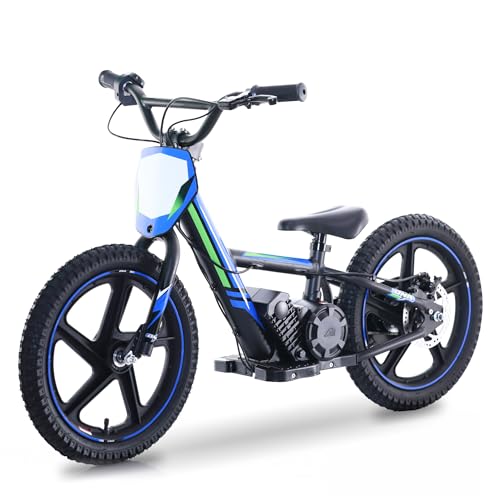
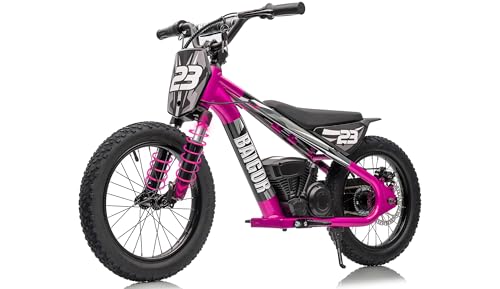
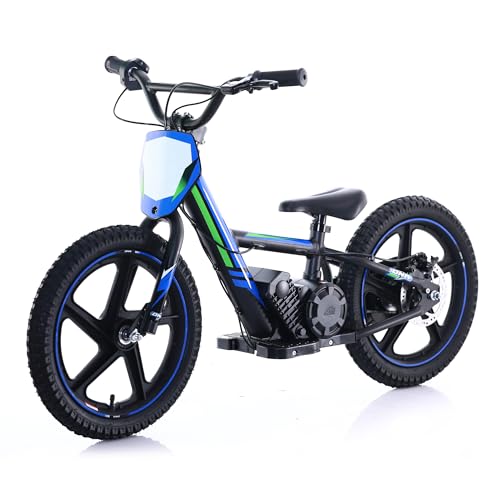
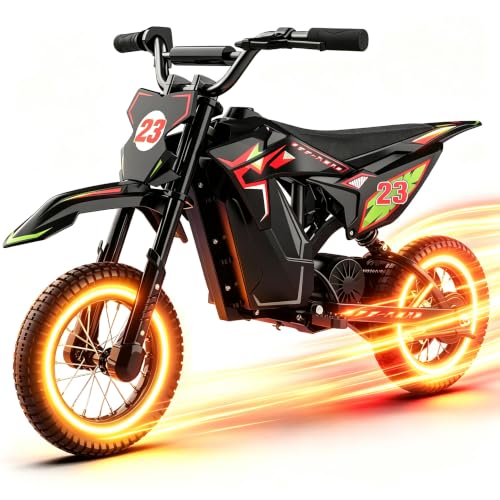
Federal E-Bike Classes and the Local Laws That Actually Apply to a Minor
In the United States, e-bikes are grouped into three federal classes, and knowing which one you are looking at tells you almost everything about how fast and how powerful the bike is. Class 1 bikes use pedal assist only, cap out around 20 mph, and are generally the safest starting point for a young rider because the motor only adds power once the child is already pedaling. Class 2 bikes add a throttle, meaning the motor can move the bike without any pedaling at all. Class 3 bikes can reach up to 28 mph and are typically restricted to riders 16 and older in most states.
There is no single national minimum age for operating an e-bike, so rules vary by state and sometimes by city. Many states set 14 to 16 as the minimum age for public road use, and a growing number require helmets for any rider under 18 regardless of which class the bike falls into. Before you buy, check your state's specific age and helmet requirements, since a bike that is perfectly legal for a neighbor's teenager in one state may not be street legal for your own child in another.
Matching Motor Power and Control Type to Your Child's Riding Level
Motor wattage should scale up with age and experience rather than being chosen for maximum speed. Riders around eight to ten years old generally do better with lower-powered motors and a speed cap closer to 10 to 12 mph, since the Consumer Product Safety Commission has flagged that children under 12 struggle to safely handle products that travel faster than that. Preteens can typically step up to a bit more power once they have solid balance and braking habits, and older teens may be ready for the higher end of the legal range, provided local law allows it.
Pedal assist versus throttle is one of the biggest decisions in this whole search. Pedal assist only engages once the child is actively pedaling, so power builds gradually and stays tied to their own effort, which makes it far more forgiving for a first-time rider. A throttle delivers instant power with a twist or a button press, similar to a small motorcycle, and gives a child no built-in reason to keep pedaling. For most families, starting with pedal assist and saving throttle-equipped bikes for older, more experienced riders is the more cautious approach. This is one of the clearest dividing lines between the best electric bikes for kids and models built with adult riders in mind.
Battery Range, Charging Safety, and the Certifications Worth Checking
Most kids' e-bike batteries fall somewhere between 250 and 400 watt-hours, which is usually enough for neighborhood loops, park paths, or a ride to a friend's house without needing a mid-ride charge. Real-world range depends heavily on rider weight, terrain, and how much the throttle or higher assist levels get used, so treat any advertised mileage figure as a best-case number rather than a guarantee.
Charging safety deserves just as much attention as range. Look for a battery and charging system certified to UL 2849, which means it has been independently tested for overheating and fire risk, a real concern with lower-quality lithium batteries. Charge the bike on a hard, non-flammable surface, never leave it charging unattended overnight, and unplug it once it reaches full charge instead of leaving it connected indefinitely.
Fit, Frame Weight, and Braking Power That Match a Kid's Body
Unlike a regular kids' bike, wheel size alone is not a reliable way to judge fit on an electric model, since some kids' e-bikes use 20-inch wheels and others use 24-inch wheels depending on the frame design. Seat height and inseam are the better guide. Your child should be able to sit on the saddle with both feet reaching the ground comfortably, since e-bikes are heavier than pedal bikes and harder to steady with just one foot down.
Overall bike weight matters more here than with a standard bicycle. A child needs to be able to lift the front wheel over a curb, walk the bike up a driveway, and recover if it tips over while parked. Many kids' e-bikes land in the 30 to 40 pound range, and lighter is generally easier for a smaller rider to manage. Braking power should match that weight, too. Hydraulic disc brakes require less hand strength than mechanical ones to deliver strong, even stopping power, which matters when a child's grip strength is still developing. If your child is still building basic balance and stopping skills, a standard pedal bike sized for their age is often the smarter place to start before adding a motor into the mix.
Where Your Child Should Be Riding, From the Driveway to the Bike Path
Where a child rides matters just as much as what they ride. Younger or newer riders do best in a closed, low-traffic space, such as a driveway, empty parking lot, or fenced yard, until they can consistently control speed and stop on command. Once they have that down, paved bike paths and quiet neighborhood streets with light traffic are a reasonable next step, ideally with an adult riding alongside for at least the first several outings.
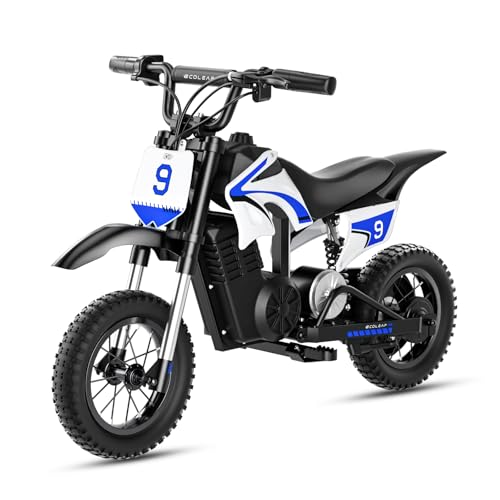
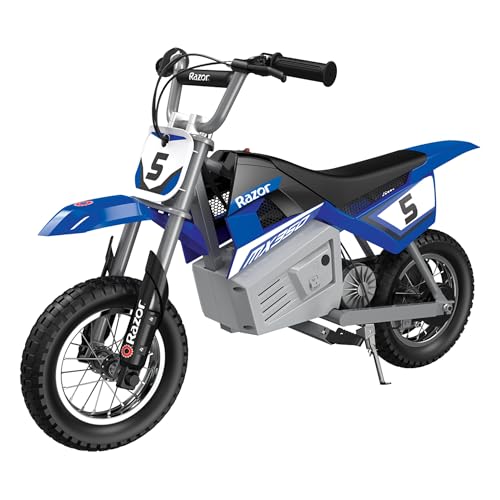
Busy roads, blind intersections, and anywhere cars are moving at higher speeds should stay off limits until a child has significantly more experience and, in most states, has reached the legal minimum age anyway. If your child is drawn to off-road riding instead of street riding, it is worth looking at how that compares to an electric dirt bike built specifically for trails, since the handling, tires, and suspension needs are different from a street-oriented e-bike. A properly fitted bike helmet should be non-negotiable in any of these settings, regardless of what your state technically requires.
Frequently Asked Questions
What age is appropriate for a child to ride an electric bike?
Most safety guidance points to at least 12 in a controlled, off-road setting, with public road riding generally reserved for 14 and up depending on state law. Readiness matters more than a single number, so consider your child's balance, judgment, and ability to follow instructions before their birthday.
Should my child's e-bike use pedal assist or a throttle?
Pedal assist is generally the safer starting point because power only kicks in once the child is already pedaling. Throttle control delivers instant power and is better suited to older, more experienced riders who already understand how to manage sudden speed.
Is a Class 1 or Class 3 e-bike right for a young rider?
Class 1, which is pedal-assist only and capped near 20 mph, is the more appropriate choice for most kids and younger teens. Class 3 bikes reach up to 28 mph and are restricted to older teens in most states, so check local law before considering one.
Does the weight of a kids' electric bike really matter?
Yes. A child needs to be able to lift, steady, and walk the bike without help, so lighter frames in the 30 to 40 pound range are generally easier and safer for smaller riders to manage than heavier models.
Do kids' electric bikes need to be UL certified?
Look for UL 2849 certification on the battery and charging system whenever possible. It confirms the components have been tested for overheating and fire risk, which is one of the more serious hidden dangers with cheaper batteries.
How far can a kids' electric bike go on a single charge?
Most models with a 250 to 400 watt-hour battery cover enough distance for neighborhood rides or a trip to a nearby park. Actual range drops with a heavier rider, hilly terrain, or heavy throttle use, so treat published range numbers as an upper limit.
Making the Call for Your Family
There is no single bike that is right for every child, but there is a clear process for getting it right for yours. Start with the legal class and age rules in your state, match motor power and control type to your child's actual riding level, and confirm the battery meets real safety certifications before size and looks even enter the conversation. Get those fundamentals in order first, and choosing among the best electric bikes for kids becomes a much shorter list.