
Best Chainsaw for the Money: Which One Fits the Way You Cut in 2026?
Disclosure: We may earn a commission when you buy through links on this page, at no extra cost to you. As an Amazon Associate I earn from qualifying purchases. Learn more

How to get the best chainsaw for the money, from corded bargains to 40V battery kits and homeowner gas saws.
Getting the most chainsaw for your money is not about buying the cheapest saw on the shelf. A bargain saw that bogs down in oak, eats batteries or sits broken in the garage after one season costs more in the end than a slightly pricier model that starts every time. This guide to the best chainsaw for the money shows which type of saw delivers the most value for different users, the features worth paying for and the mistakes that waste money.
We cover who should buy which type, the features to compare, common money wasting mistakes, care tips that protect your investment and frequent questions. Chainsaws cause serious injuries, so budget for safety gear: eye and hearing protection, cut resistant chaps, gloves and boots. Read the manual, grip both handles firmly, avoid cutting with the bar tip and leave large trees, leaning trees and anything near power lines to a certified arborist.





Who Should Buy Which Chainsaws?
Value depends on how often you cut, what you cut and where.
For Weekend Beginners
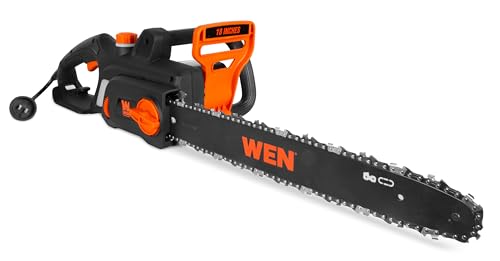
Occasional users who trim limbs and clean up after storms get the best value from corded saws or small battery saws. CRAFTSMAN's 12 amp 16 inch corded saw, around $89, has a low kickback bar and chain, auto oiling, tool free tensioning and a 3 year limited warranty. WEN's 15 amp 18 inch corded saw, around $80, includes a kickback brake, a sheath and a 2 year warranty. Greenworks' 40V 12 inch saw, around $140, weighs just 6 pounds and makes about 50 cuts through 4x4 treated wood per charge.
Prioritize low upfront cost, light weight and simple maintenance.
For Frequent or Serious Users
Homeowners who cut firewood or clear property often get more value from stronger 16 inch battery saws or a reliable gas saw. Greenworks' 40V 16 inch brushless saw, around $250 with a 4.0Ah battery, handles limbs up to 28 inches in diameter, holds its charge for 12 months or more and carries a 3 year tool and battery warranty. EGO's 56V 16 inch CS1611, around $249 with a 2.5Ah battery, lists power equivalent to a 40 cc gas saw and up to 130 cuts on a 4x4.
Prioritize runtime, cutting power and a battery that powers other yard tools.
For Bad Weather and Tough Conditions
Rural properties, remote cabins and storm prone areas need saws that work anywhere and in any weather. Husqvarna's 120 Mark III, around $220, uses a 38 cc, 1.8 HP X-Torq engine with an air purge system, LowVib dampeners and an inertia activated chain brake, and refuels in minutes with no battery to charge. EGO's battery saw has IPX4 weather resistance for light rain.
Prioritize fuel flexibility, weather resistance and power for long cutting sessions.
For Platform Owners on a Budget
If you already own DeWalt 20V MAX batteries, a bare tool saw can be the cheapest way into a full size chainsaw. ReliaRoads sells a 16 inch brushless saw, around $96, that runs on two DeWalt 20V MAX batteries together to create a 40V system, with a chain speed up to 54 feet per second, tool free tensioning, automatic oiling, two chains included and a 2 year warranty. Greenworks, EGO and RYOBI owners can likewise buy bare saws that share batteries with their mowers and blowers.
Prioritize compatibility with batteries you own and a warranty from a responsive seller.
Key Features to Compare in the Best Chainsaw for the Money
Price per cut, power, runtime, warranty and safety features matter more than headline specs.
What You Can Realistically Get on a Budget
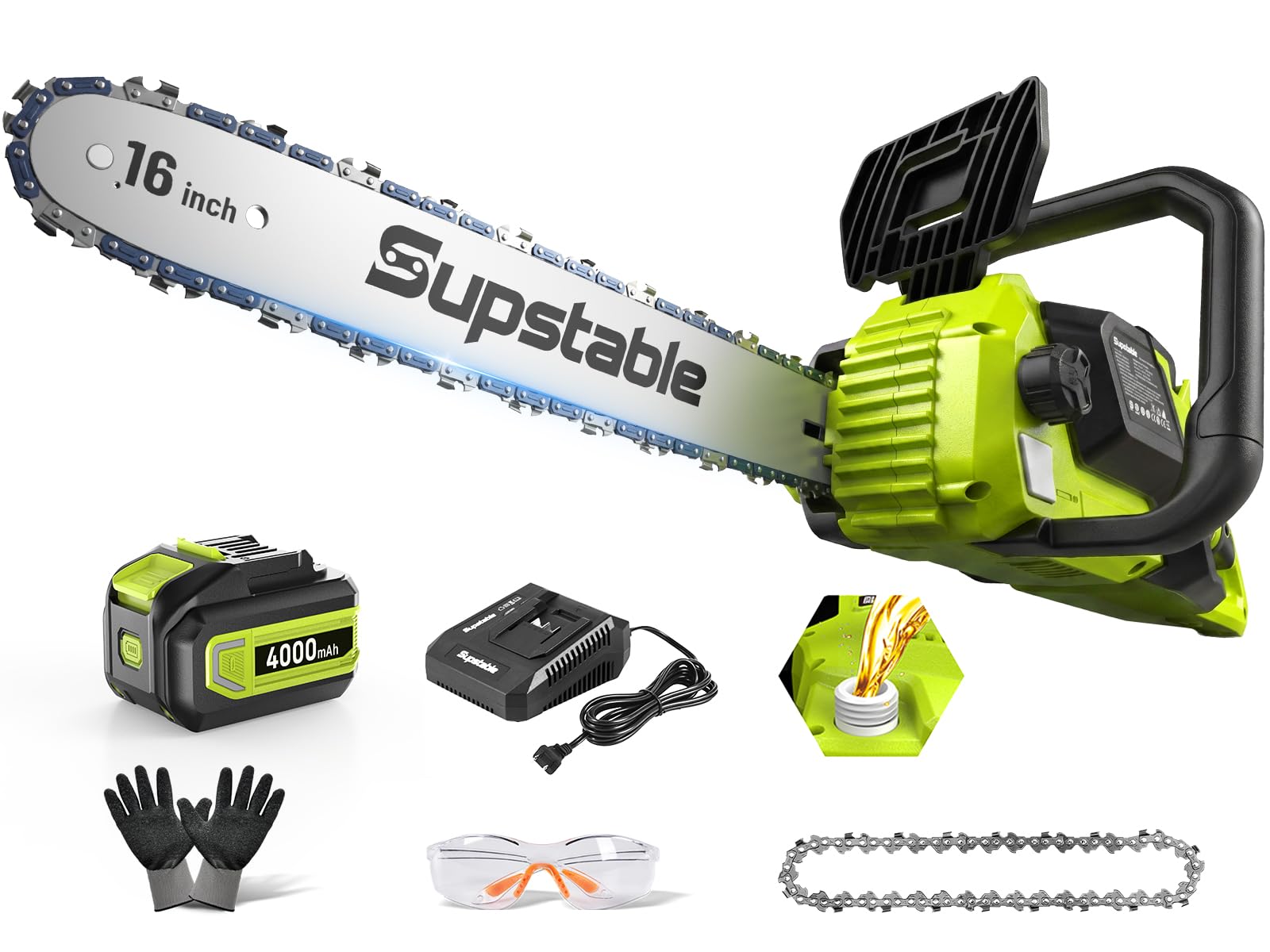
Under around $100 buys corded saws, like CRAFTSMAN's and WEN's, or bare tool battery saws. Around $125 to $140 buys entry battery kits, like Supstable's 40V 16 inch kit and Greenworks' 12 inch kit. Around $200 to $250 buys quality battery kits from Greenworks, EGO and BLACK+DECKER or a homeowner gas saw from Husqvarna. Spending above that mostly buys pro features you may not need.
Power Source (Battery, Gas, Corded)
Corded saws give the most cutting per dollar but limit you to the length of an outdoor extension cord. Battery saws cost more upfront but start instantly and need little upkeep, and their batteries often power mowers, blowers and trimmers in the same family; Greenworks notes its 40V platform shares batteries across tools. Gas saws cost more to run and maintain but deliver unlimited runtime with spare fuel.
Performance Metrics (Bar Length, Chain Speed, Motor Power)
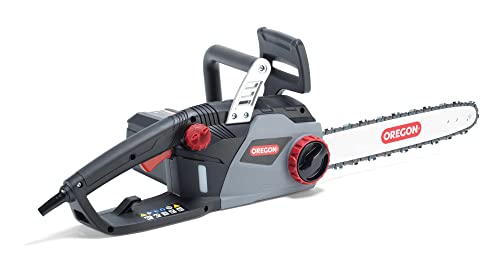
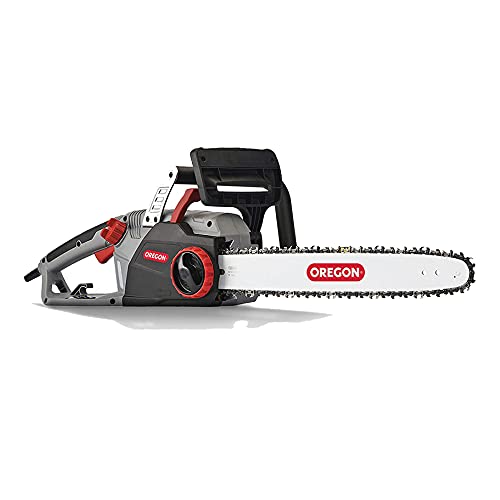
Bar length sets the largest log you can cut in one pass; 12 inches suits pruning and 16 inches suits most firewood. Chain speed and motor power decide how fast the saw cuts: EGO lists 20 m/s, Supstable lists up to 35 feet per second with a 2,000 W brushless motor and WEN lists up to 41 feet per second. Oregon's 15 amp CS1500, around $134, adds a built in PowerSharp system that sharpens the chain in 3 to 5 seconds, saving money on sharpening.
Battery Voltage, Amp Hours, and Runtime
Voltage relates to power and amp hours to runtime. BLACK+DECKER's 40V MAX 12 inch saw, around $199, makes over 60 cuts through 4x4 pine per 2.0Ah charge, and Supstable lists up to 50 minutes of runtime with its 4.0Ah battery. Larger batteries cost more but reduce downtime; check the price of a spare battery before choosing a platform.
Warranty and Long Term Value
Warranties protect your investment. Greenworks lists 3 years on tools and batteries, CRAFTSMAN 3 years and Oregon and WEN 2 years. A longer warranty often signals a sturdier build and lowers the true cost of ownership.
Noise and Neighbor Friendliness
Battery and corded saws are far quieter than gas, run silent between cuts and suit suburban yards with close neighbors. Gas saws are loud enough to require hearing protection and may run into local noise rules early in the morning. Hearing protection is still smart with any saw.
Safety Features That Protect Your Investment
Safety features prevent injuries and expensive mistakes. Look for a chain brake, which Husqvarna, WEN, Oregon, Supstable and ReliaRoads list, a low kickback bar and chain, like CRAFTSMAN's and Greenworks', and a safety lock or dual trigger that prevents accidental starts, like Greenworks' 12 inch saw. Supstable also lists overload protection that helps protect the motor when the chain binds.
Common Mistakes to Avoid When Buying Chainsaws
Buying the biggest bar you can afford. Longer bars cost more, weigh more and are harder to control.
Ignoring battery costs. A cheap bare tool becomes expensive if you must buy a new battery system.
Skipping safety gear in the budget. Chaps, a helmet and gloves cost far less than an injury.
Choosing gas for occasional use. Old fuel gums up carburetors in saws that sit for months.
Forgetting chain and oil costs. Replacement chains and bar oil add up; pick a saw with easy to find chains.
Care and Maintenance Tips
Keep the chain sharp. Sharp chains cut faster, save battery and reduce kickback.
Check bar oil every session. Running dry ruins the bar and chain.
Clean chips from the bar groove and vents. Debris causes overheating.
Store batteries partly charged indoors. Extreme cold and heat shorten battery life.
Drain or stabilize gas before storage. Use fuel stabilizer for gas saws.
Tension the chain correctly. It should snap back but still turn by hand with gloves on.
FAQs
Gas or battery: which is better value for a small yard?
Battery saws are usually better value for a small yard. They need no fuel, tune ups or pull starting, and the battery can run other yard tools. A corded saw is even cheaper if you work near an outlet. Gas only pays off for large properties and frequent heavy cutting.
Is a battery chainsaw powerful enough to be worth it?
Yes, modern 40V to 56V battery saws handle most homeowner jobs. EGO lists 40 cc gas equivalent power on its 16 inch saw, and Greenworks says its 16 inch saw handles limbs up to 28 inches. For felling big trees often, a gas saw still offers more power.
How long do chainsaw batteries last?
Per charge, a 2.0Ah battery makes roughly 50 to 60 cuts through 4x4 lumber, and 4.0Ah batteries run up to about 50 minutes, according to Greenworks, BLACK+DECKER and Supstable. Over their life, lithium batteries usually last several years; Greenworks says its battery holds a charge for 12 months or more in storage.
What voltage gives the best value?
For pruning and light cleanup, 20V to 40V saws with 12 inch bars give the best value. For firewood and storm cleanup, 40V to 56V saws with 16 inch bars balance price and power. Stay with a battery platform you already own whenever possible.
Is a corded chainsaw a good value?
Yes, corded chainsaws are often the best value for small yards near an outlet. Saws like CRAFTSMAN's 12 amp and WEN's 15 amp models cost under around $90, never run out of battery and need little maintenance. The tradeoffs are cord management and limited reach, so use a heavy gauge outdoor extension cord rated for the saw.
Our Verdict
The best chainsaw for the money matches your workload so you do not overpay for power you will not use. Corded saws from CRAFTSMAN, WEN and Oregon offer the most cutting per dollar near an outlet, 40V and 56V battery saws from Greenworks and EGO deliver the best overall value for most homeowners and Husqvarna's 120 Mark III is the value pick for remote properties and heavy use.
For more saw guides, see the best chainsaw brands, the best chainsaw for home use, the best mini chainsaws and the best work gloves. Then compare current prices in the product table above.


