Best Patio Chairs: A Complete Buying Guide for Any Patio
Shopping for patio chairs usually starts the same way: you sit in a few at the store, they feel fine for five minutes, and then you get them home and realize the seat is too low for your table or the cushions flatten out after a month of use. Patio chairs take a beating from sun, rain, and daily wear that indoor furniture never sees, so picking the right style, frame, and fit up front saves you from replacing a whole set two summers from now. In this guide, you'll learn the main chair styles worth considering, which frame materials actually hold up outdoors, how seat height affects comfort at the table, and how to put together a set that looks intentional instead of mismatched.
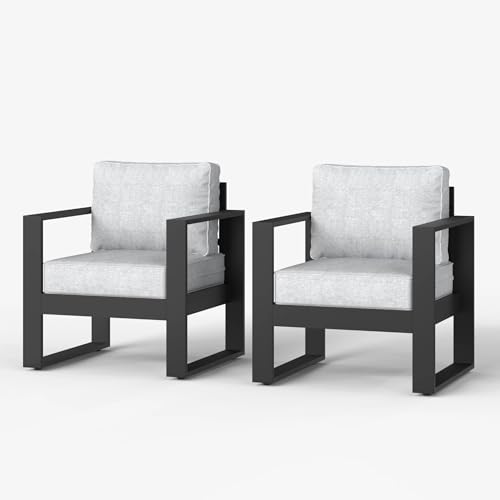
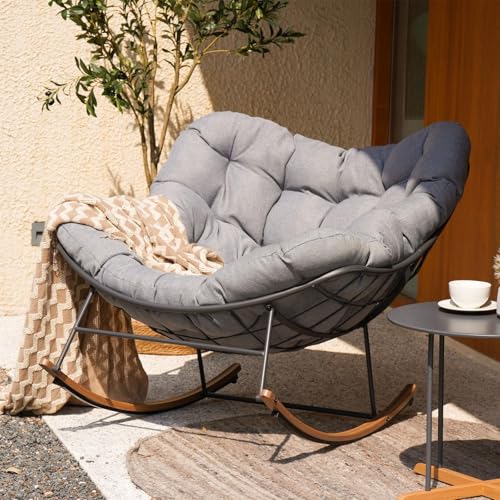
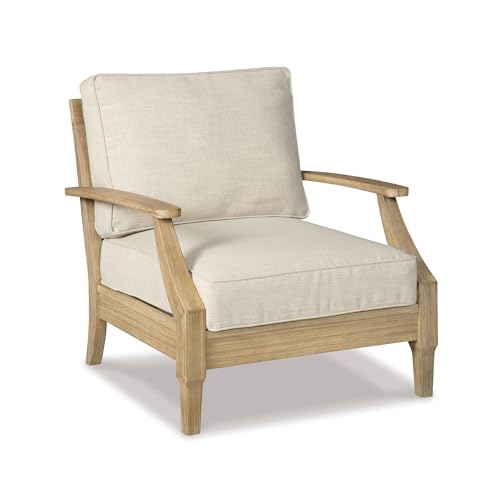
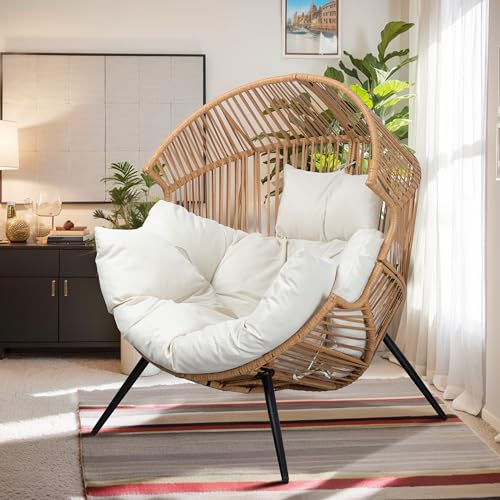
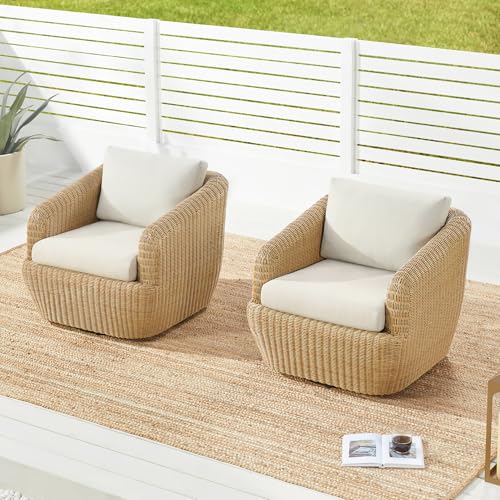
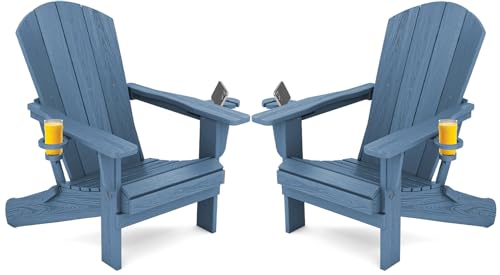
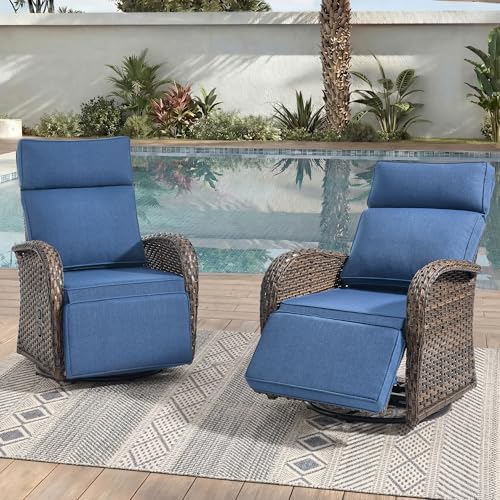
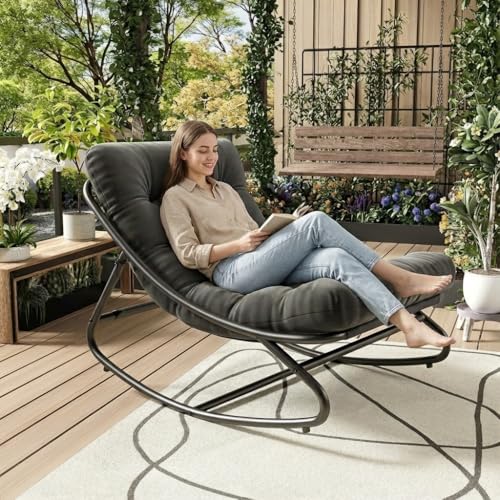
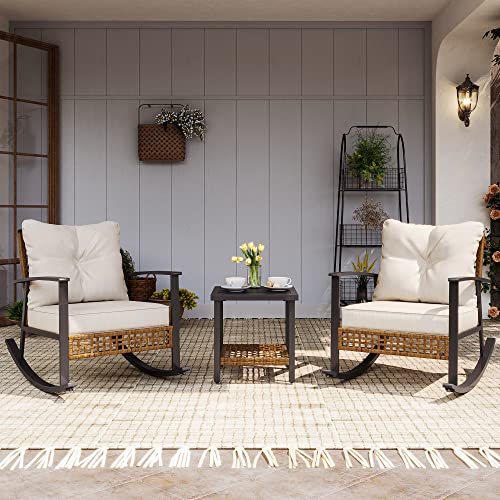
Sling, Strap, and Cushioned: The Main Styles Worth Knowing
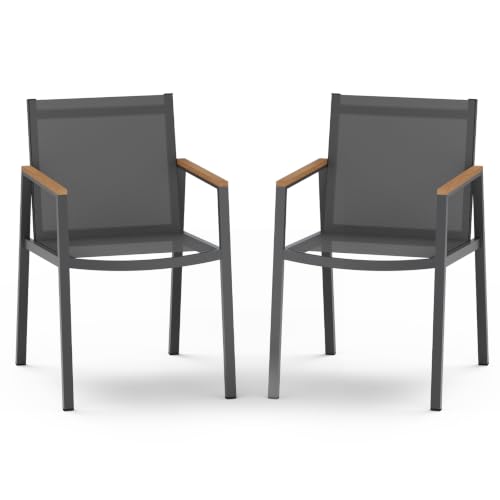
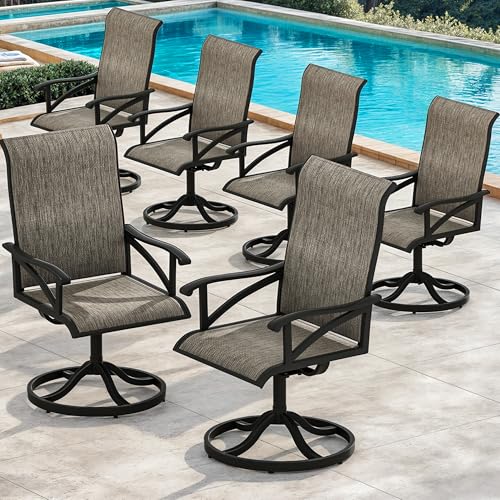
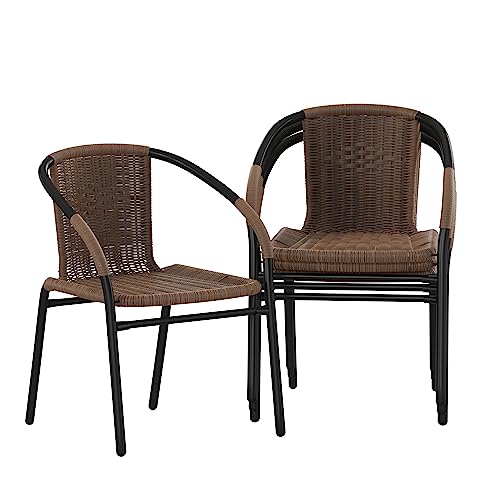
Most outdoor seating falls into a handful of categories, and each one trades off comfort, weight, and upkeep differently. Sling chairs use a single piece of stretched fabric across a metal frame, which keeps them light, quick-drying, and easy to carry around the yard. Strap chairs use woven vinyl or resin straps instead of one continuous sling, giving a bit more support under the thighs while staying just as weather friendly.
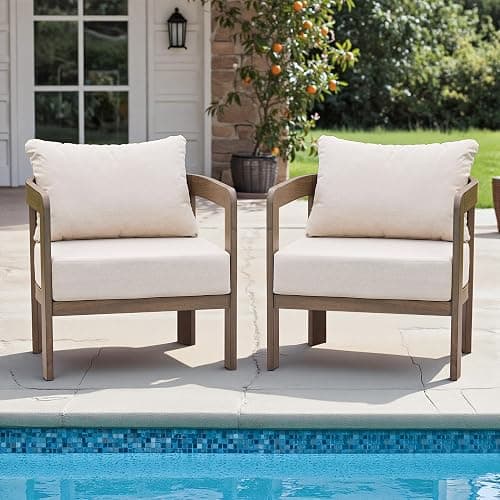
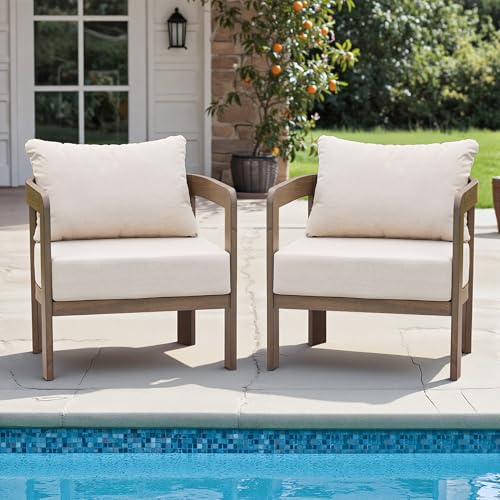
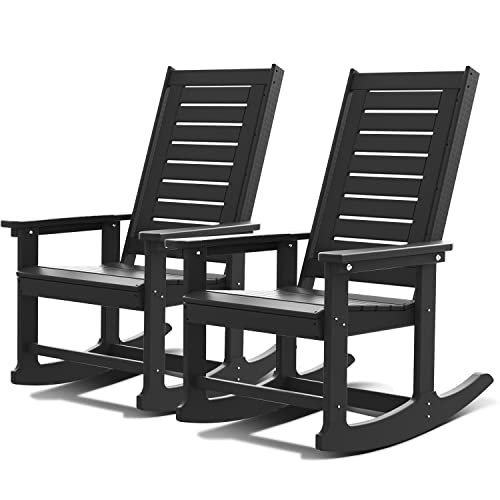
Cushioned lounge chairs sit at the other end of the spectrum. They use a solid frame, usually aluminum or wood, paired with thick outdoor-rated foam cushions that make them feel closer to indoor furniture. They're the most comfortable option for long afternoons outside, but the cushions need to be stored or covered when not in use to avoid trapping moisture. If your main priority is saving space when the chairs aren't in use, a dedicated stacking chair design is worth a look on its own, since stackability changes how a frame is built in ways that go beyond what a general set covers. And if what you're really after is a deep, reclining seat for kicking back rather than a set for entertaining, Adirondack-style chairs are built specifically for that kind of lounging and worth researching on their own.
Frame Materials That Actually Survive Outdoor Weather
The frame is what determines whether a chair lasts one season or ten, so it deserves more attention than the fabric or cushion color. Aluminum frames are the most common choice because they resist rust completely, stay light enough to move around, and hold up in coastal or humid climates where other metals corrode. The tradeoff is that thin-gauge aluminum can dent if handled roughly, so it pays to check how substantial the tubing feels before buying. Chairs built around cast or heavier aluminum construction tend to feel sturdier if that matters to you, and it's worth reading a dedicated cast aluminum patio furniture comparison if you want frames that lean toward that heavier, more furniture-like feel.
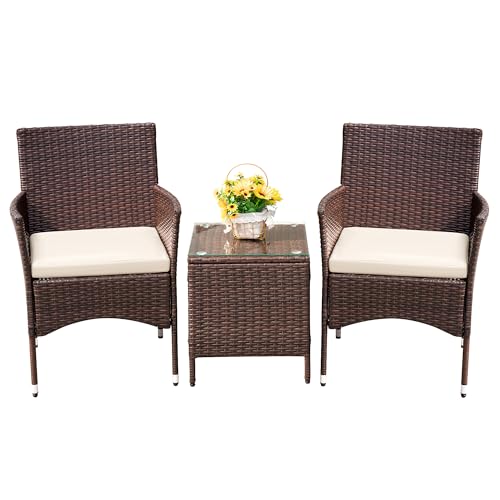
Steel frames, especially powder-coated ones, offer excellent stability in windy spots since the added weight keeps chairs from tipping or blowing around. They do need more attention over time, since any chip in the coating can expose bare metal to rust. Resin wicker wraps a synthetic weave around an aluminum or steel core, giving you breathable, relaxed-looking seating that resists fading better than older wicker styles, though it can be bulkier and harder to fit into a tight patio. Wood frames, usually teak or eucalyptus, bring warmth and a natural look but need occasional oiling or sealing to keep the grain from drying out and cracking.
Getting Seat Height and Comfort Right for Dining
If these chairs are going around a table, sizing matters just as much as material. Standard patio dining chairs have a seat height between 16 and 19 inches, meant to pair with tables in the 28 to 30 inch range. A gap of roughly 10 to 12 inches between the seat and the underside of the tabletop is what keeps knees and thighs comfortable during a meal, so it's worth measuring your existing table before ordering chairs separately. Checking sets designed specifically for patio dining tables can help you avoid mismatched heights if you're buying the table and chairs at different times.
Cushioned seats also compress once you actually sit in them, typically losing an inch or two of thickness compared to how they measure on a showroom floor, so don't rule out a slightly firmer cushion just because it feels less plush at first touch. Armrests set at roughly table height make it easier to rest your elbows and push yourself up, while armless chairs let you slide in closer and fit more seats around a smaller table. Neither is objectively better since comfort here comes down more to seat depth and cushioning than whether arms are present.
Arranging a Cohesive Set for Your Patio Layout
Once you know the style and material you want, think about how the chairs will actually sit in your space. A patio that mixes dining chairs, a couple of lounge chairs, and maybe a side chair near a fire pit can look pulled together if everything shares a common frame color or material family, even when the exact chair shape varies by zone. Trying to match every single piece exactly across a large patio usually backfires and starts to feel showroom-stiff rather than lived-in.
Leave enough room to push chairs back from the table without bumping into a railing or planter, and account for how chairs stack, fold, or need to be pulled indoors before storms. A set that's been thought through this way tends to get used far more often than one that just happened to match on the shelf, since comfort and convenience matter more day to day than a perfectly coordinated look.
Frequently Asked Questions
What is the standard seat height for patio dining chairs?
Most patio dining chairs measure between 16 and 19 inches at the seat, designed to pair with tables around 28 to 30 inches tall. Measuring your table first is the easiest way to avoid a mismatch.
Do patio chairs need armrests?
Not necessarily. Arms make it easier to rest your elbows and stand up, but armless chairs sit closer to the table and take up less space per seat. Comfort depends more on seat depth and cushioning than on arms alone.
What's the most durable frame material for patio chairs?
Aluminum is generally the most durable all-around choice because it resists rust in any climate and stays light to move. Steel offers more wind stability but needs more upkeep, while resin wicker and wood each trade some durability for comfort and style.
How do I keep patio chairs from fading in the sun?
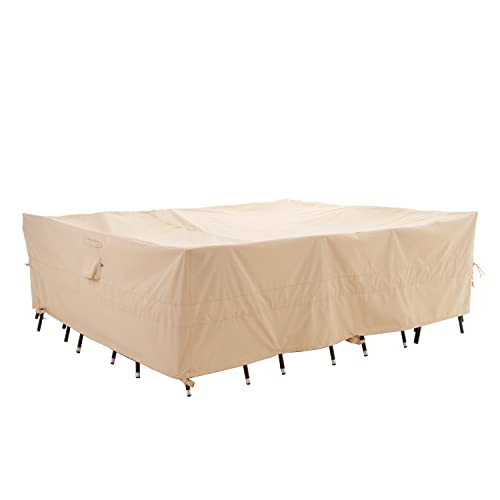
Choose frames and fabrics rated for UV exposure, and cover or store chairs when they're not in use for extended stretches. Cushions and slings fade faster than solid frames, so covering just the fabric parts during off seasons helps the most.
Can patio chairs stay outside year round?
Aluminum and resin wicker chairs can generally handle year-round exposure better than steel or untreated wood. Even weather-resistant chairs last longer with occasional cleaning and coverage during heavy storms or freezing stretches.
Are cushioned patio chairs comfortable for long periods?
Yes, cushioned chairs are usually the most comfortable option for extended sitting, though the foam compresses an inch or two once you're actually seated. Bringing cushions inside or covering them keeps them from losing shape as quickly.
How many patio chairs should I buy for my space?
Base the count on how the space gets used rather than filling every inch. A dining area typically needs one chair per expected guest plus one or two extra, while a lounging corner works fine with just two or three chairs.
Choosing Patio Chairs You'll Actually Use
The best patio chairs are the ones sized right for your table, built from a frame that matches your climate, and comfortable enough that you actually want to sit outside. Start with how you'll use the space, narrow down material based on your weather, and let comfort settle the final decision between the options that are left.