
Best Driveway Sealer: Every Type Explained Side by Side
Disclosure: We may earn a commission when you buy through links on this page, at no extra cost to you. As an Amazon Associate I earn from qualifying purchases. Learn more

The best driveway sealer types compared: asphalt filler sealers, rubberized coatings, crack fillers and concrete sealers.
A driveway takes a beating from sun, rain, freeze and thaw cycles, deicing salt, oil drips and the weight of cars every day. Sealing it every few years slows cracking, keeps water out and restores a fresh, even look. But driveway sealers come in very different types: asphalt filler sealers that coat blacktop, rubberized coatings, crack fillers that patch individual gaps and penetrating sealers made for concrete and pavers. Using the wrong one, like an asphalt coating on concrete, wastes money and can make a mess. This guide to the best driveway sealer options compares every type side by side so you can choose the right one for your driveway and budget.
We compare the main sealer types, put asphalt filler sealers and penetrating concrete sealers head to head, explain how to choose, share care tips and answer common questions. Every product in the table above is sold new on Amazon US. Wear gloves, eye protection and old clothes, keep kids and pets off the driveway until the sealer cures and follow label directions on weather and ventilation.




Types of Driveway Sealers Compared
The four main types are asphalt filler sealers, rubberized asphalt coatings, crack fillers and penetrating concrete sealers. The first three are for asphalt (blacktop) driveways, and the last is for concrete, pavers and masonry.
Prices vary by type and coverage. Asphalt filler sealers listed above cost around $24 to $90 per 5 gallon pail, rubberized coatings around $140, crack fillers around $17 to $121 per pack and penetrating concrete sealers around $45 to $139. The best driveway sealer for you depends first on whether your driveway is blacktop or concrete.
Asphalt Filler Sealers
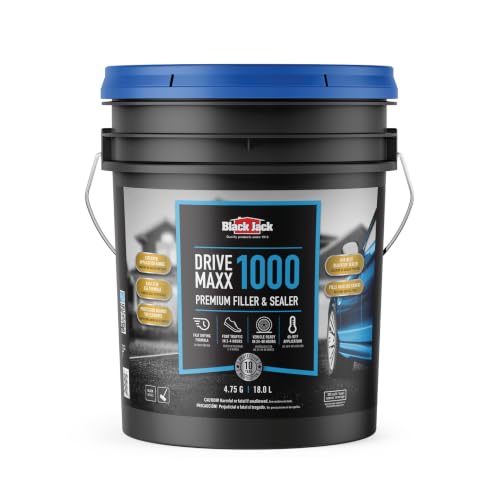
Asphalt filler sealers are thick, black coatings with sand or fillers that you spread with a squeegee or brush. They restore color, fill small surface cracks and protect against water and sun. Black Jack Drive-Maxx 1000, at around $35 for 5 gallons, is a 10 year premium filler and sealer with sand particles for small cracks, a latex polymer heavy vehicle formula and gel and fast dry technology that Black Jack says allows foot traffic in as little as 1 hour. Drive-Maxx 300, at around $24, is a 3 year version covering about 300 square feet on rough surfaces and 350 on smooth surfaces.
Jetcoat 10 Year Driveway Sealer, at around $90 for 5 gallons, is fortified with sand for filling, slip resistance and durability, and Jetcoat recommends a second coat within 24 hours, with coverage of about 250 to 350 square feet depending on porosity.
Pros: affordable, easy to apply with basic tools and a dramatic cosmetic improvement. Cons: need reapplication every few years, can be slippery if applied too thick and track onto shoes if walked on too soon. Best for homeowners maintaining an asphalt driveway in fair to good condition.
Black Jack recommends using a dedicated crack sealant or patching product for larger cracks and potholes before applying its filler sealer, since the sand particles only fill small cracks.
Rubberized Asphalt Coatings
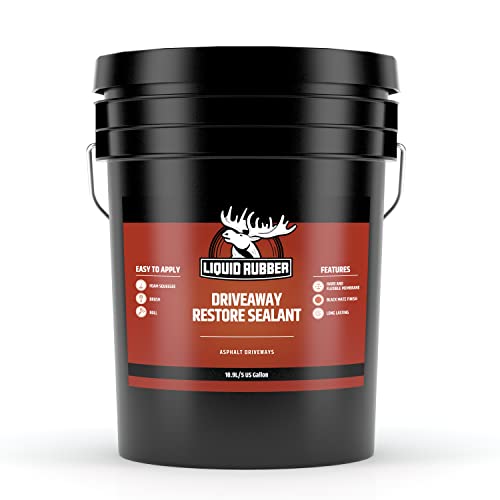
Rubberized coatings form a thicker, flexible membrane on worn asphalt. Liquid Rubber Driveway Restore, at around $140 for 5 gallons, is a water based, non toxic, low VOC coating with no solvents that you apply in 2 to 3 heavy coats at a minimum of 1 gallon per 50 square feet, according to Liquid Rubber. It suits aging, weathered driveways that need more protection than a standard sealer.
The trade off is lower coverage per gallon and higher cost.
Pros: a thick, flexible membrane that bridges small cracks and resists weathering. Cons: higher cost, more coats and lower coverage per gallon. Best for older driveways with widespread surface wear.
Crack Fillers
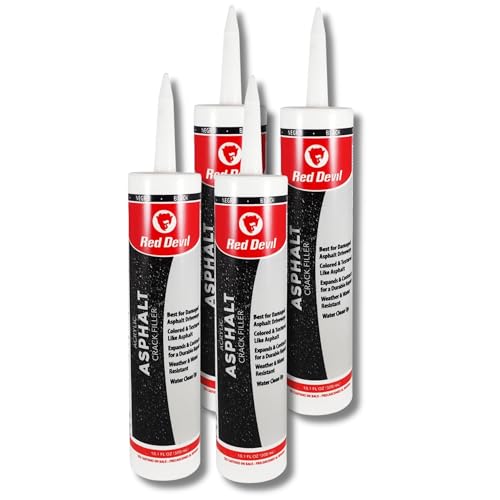
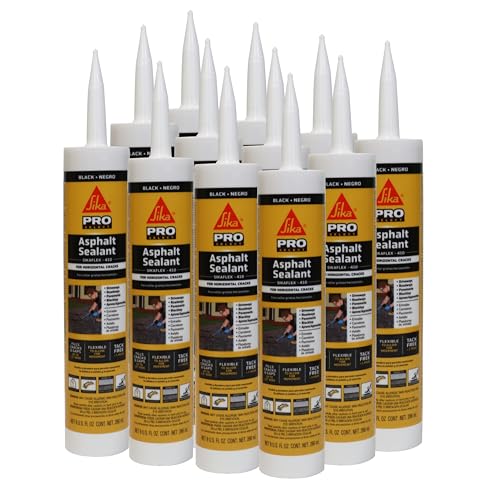
Crack fillers repair individual cracks and joints before sealing. Red Devil Asphalt Crack Filler, at around $17 for four 10.1 ounce cartridges, is a black acrylic sealant that matches asphalt texture, stays flexible, forms a water resistant seal, adheres to damp surfaces and fits standard caulk guns, according to Red Devil. SIKA Sikaflex-410, at around $121 for twelve 9 ounce cartridges, is a self leveling asphalt sealant with permanent elasticity and a skin time typically under 60 minutes.
Filling cracks first keeps water from undermining the driveway base.
Pros: inexpensive targeted repairs and better long term protection. Cons: slow work on driveways with many cracks, and wide cracks may need backer rod or patching compound. Best as a first step before any sealer.
Penetrating Concrete Sealers
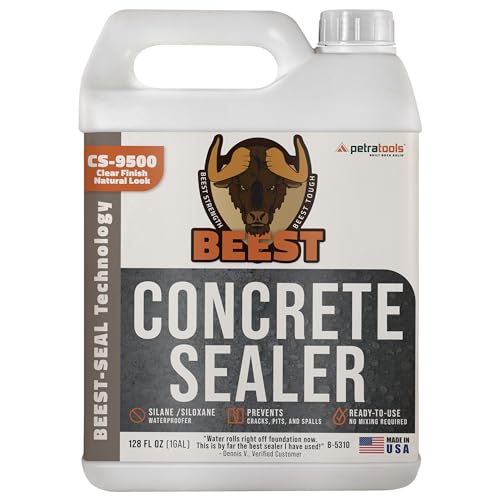
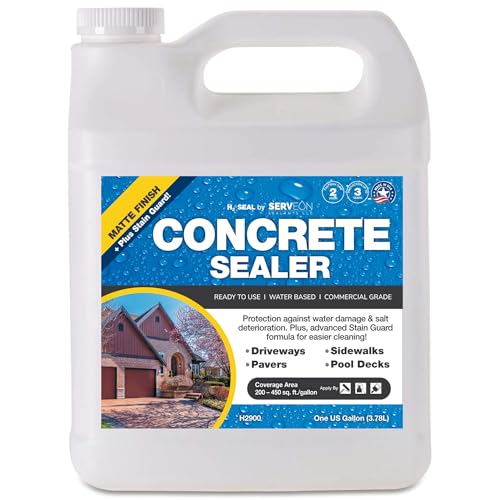
Penetrating sealers soak into concrete, pavers and brick to repel water and deicing salts without forming a film. BEEST CS-9500, at around $45 per gallon, is a water based silane and siloxane sealer that covers 150 to 400 square feet per coat, is breathable and non film forming, low VOC, meets DOT guidelines and is made in the USA, according to BEEST. RadonSeal DryWay offers up to 7 years of protection with a non slip, clear matte finish. Serveon's driveway sealer adds a stain guard with a matte finish that dries in under 2 hours, and NanoProtect uses a water based silane and siloxane formula.
Pros: invisible protection that keeps the natural look, resists salt and freeze thaw damage and lasts several years. Cons: no color change or crack filling, and results depend on clean, dry concrete. Best for concrete, paver and brick driveways in cold climates where deicing salt is used.
Because penetrating sealers do not form a surface film, they rarely peel or flake, which is a common complaint with glossy film forming sealers on driveways.
Asphalt Filler Sealers vs Penetrating Concrete Sealers: Which Should You Choose?
Choose an asphalt filler sealer if you have a blacktop driveway, and choose a penetrating concrete sealer if you have a concrete, paver or brick driveway. They are not interchangeable: Jetcoat notes its asphalt sealer should not be used on concrete or masonry, and Liquid Rubber's Driveway Restore is for asphalt only.
Asphalt sealers change the look, adding a fresh black finish, and need reapplication every 2 to 3 years. Penetrating concrete sealers keep the natural look, protect against freeze thaw and salt damage and can last several years. Fill cracks first on either surface.
If you are not sure what your driveway is made of, look at the surface: asphalt is black or dark gray and slightly soft in summer heat, while concrete is light gray, hard and often has control joints cut every few feet.
How to Choose the Best Driveway Sealer
Surface type, durability, coverage, weather and application method matter most. Here is what to look for.
Start with a walk around the driveway. Note the surface type, the number and width of cracks, any oil stains and how much sun and traffic it gets. Those details point to the right product and the amount you need.
Surface Type and Condition
Identify your driveway surface first: asphalt, concrete, pavers or brick. Check for cracks, potholes and oil stains. Badly worn asphalt may need a rubberized coating or professional resurfacing, while concrete with spalling needs repair before sealing.
Repair potholes and crumbling edges before sealing; sealer protects a sound surface but will not fix structural damage. Large areas of alligator cracking on asphalt usually signal base problems that need a contractor.
Durability and Protection Rating
Asphalt sealers are often labeled with expected life, like Black Jack's 3 year and 10 year Drive-Maxx lines and Jetcoat's 10 year sealer. Penetrating sealers, like RadonSeal's up to 7 years, list service life. Heavy vehicle formulas, like Black Jack's latex polymer blend, resist wear from trucks and SUVs.
Year ratings are estimates under normal conditions. Heavy traffic, harsh winters and thin application shorten life, so treat the number as a guide rather than a guarantee.
Two thin coats usually outlast one heavy coat.
Finish and Appearance
Asphalt sealers give a uniform black finish. Penetrating sealers leave a natural, matte look, like BEEST and RadonSeal. Wet look sealers for pavers add gloss and color depth but can be slippery when wet.
Serveon's matte finish sealer preserves the natural color of concrete while adding stain resistance, which suits homeowners who want protection without a shiny look.
Coverage and Quantity
Measure your driveway's square footage. A typical two car driveway of about 600 square feet needs two or more 5 gallon pails of asphalt sealer for one coat. Check coverage per gallon on the label and plan for two coats.
Rough, porous surfaces soak up more sealer than smooth ones, which is why Black Jack lists lower coverage for rough surfaces. Buy an extra pail rather than stretching sealer too thin.
Measure the length and width of each section and add them up rather than guessing.
Weather and Application
Most sealers need dry weather and moderate temperatures for 24 to 48 hours. Asphalt sealers apply with a squeegee or brush; penetrating sealers apply with a sprayer or roller. Fast dry formulas, like Black Jack's, reduce downtime.
Avoid sealing in direct midday heat, which can make asphalt sealer dry too fast and streak, and avoid sealing when temperatures will drop near freezing overnight. Late spring through early fall is the usual sealing season in most of the US.
Check the forecast for at least two dry days before you start, and plan to finish in one session.
Care and Maintenance Tips
Clean oil stains and debris before sealing. Fill cracks wider than about a quarter inch with crack filler.
Avoid driving on freshly sealed asphalt for at least 24 to 48 hours. Reseal asphalt every 2 to 3 years and concrete as the sealer's label recommends. Use plastic shovels in winter to avoid scraping sealer, and rinse off deicing salt in spring.
Block off the driveway with cones or tape while sealer cures, and park on the street. Avoid sharp turns with car wheels on fresh asphalt sealer for the first few days to prevent scuffing.
Clean up oil and fuel spills quickly on asphalt, since petroleum products soften blacktop and break down sealer. Keep gutters and downspouts pointed away from the driveway so water does not pool on the surface.
Driveway Sealers: Your Questions Answered
How often should I seal my driveway?
Seal asphalt driveways every 2 to 3 years and concrete driveways every 3 to 7 years, depending on the product, climate and traffic. Over sealing asphalt can cause peeling.
A simple water check helps with concrete: if water soaks in and darkens the surface quickly, it is time to reseal.
Can I use asphalt sealer on concrete?
No, asphalt sealers are made for blacktop and do not bond properly to concrete. Use a penetrating concrete sealer, like BEEST CS-9500 or RadonSeal DryWay, on concrete and pavers.
Likewise, avoid putting concrete sealers on asphalt, since they are designed for porous masonry and will not protect blacktop the same way.
Should I fill cracks before sealing?
Yes, fill cracks before sealing so water cannot seep under the surface. Filler sealers handle hairline cracks, but larger cracks need dedicated crack filler like Red Devil or Sikaflex-410.
Let crack filler cure as directed before sealing over it, often a day or more.
What specs matter most for a home driveway?
Surface compatibility, expected life, coverage per gallon and drying time matter most. Heavy vehicle formulas help driveways that see trucks or SUVs.
Low VOC and water based formulas, like Liquid Rubber, BEEST and Serveon, are easier to clean up and have less odor.
The Bottom Line
The best driveway sealer matches your driveway surface. Black Jack Drive-Maxx and Jetcoat suit asphalt driveways, Liquid Rubber restores worn blacktop, Red Devil and Sikaflex-410 fill cracks and BEEST CS-9500 and RadonSeal DryWay protect concrete and pavers. Prep well, fill cracks and seal in dry weather.
For more home improvement guides, see the best concrete sealer, the best concrete cleaners, the best solar driveway lights and the best electric pressure washers. Then compare current prices in the product table above.


