Best Baby Gate for Stairs: A Complete Buying Guide
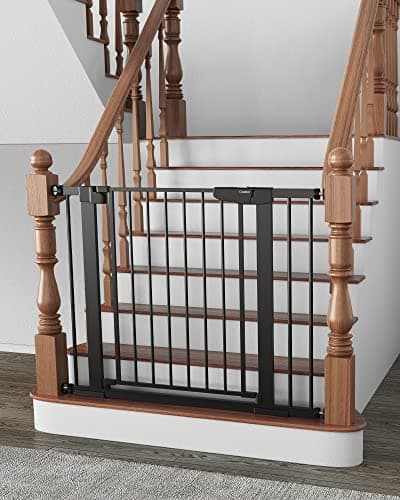
Stairs are one of the riskiest spots in any home with a crawling or walking baby, which is why choosing the best baby gate for stairs matters more than picking one for a doorway or hallway. A gate that works fine at the bottom of a closet doesn't automatically belong at the top of a staircase, where a fall carries real consequences. The right choice depends on how your stairway is built: whether you have a full wall on both sides, a banister, or an angled landing at the top. This guide walks through mounting types, sizing, safety certifications, and the small installation details that separate a gate that holds firm from one that eventually gives way.
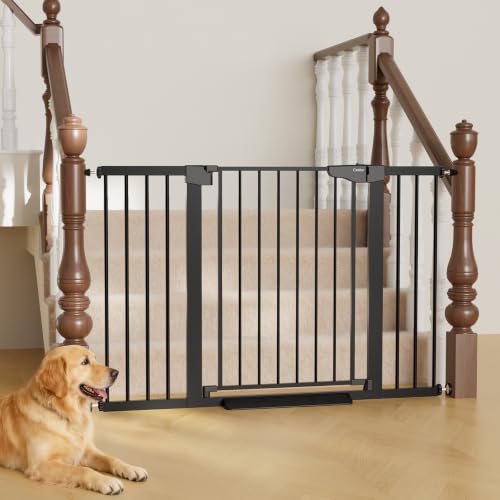

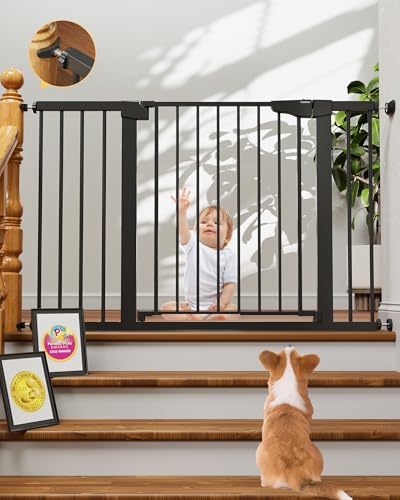

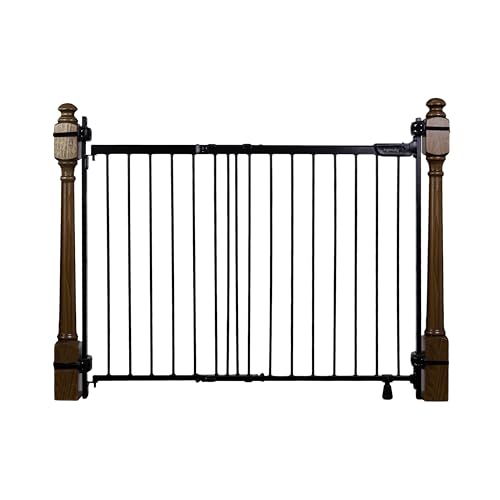
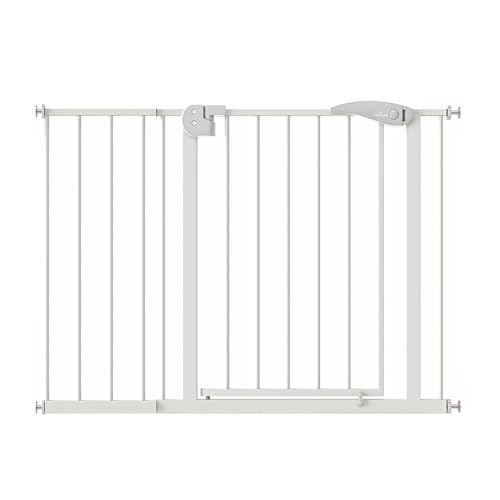
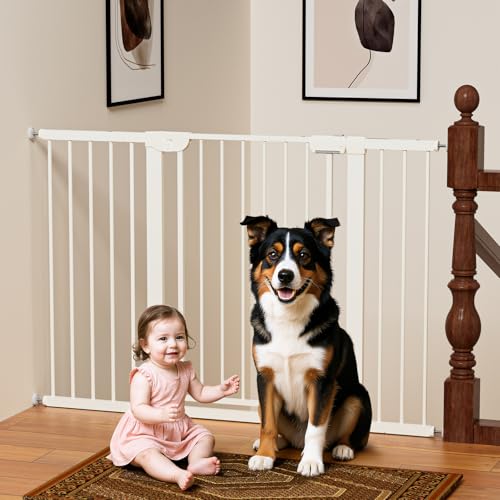
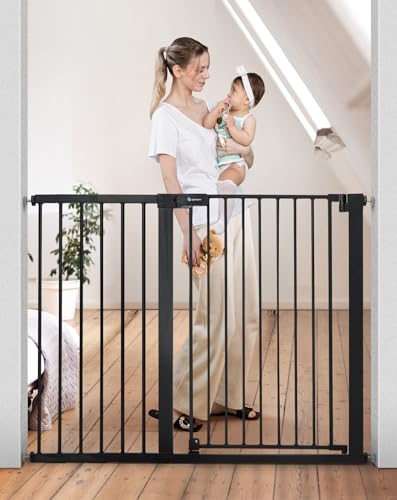

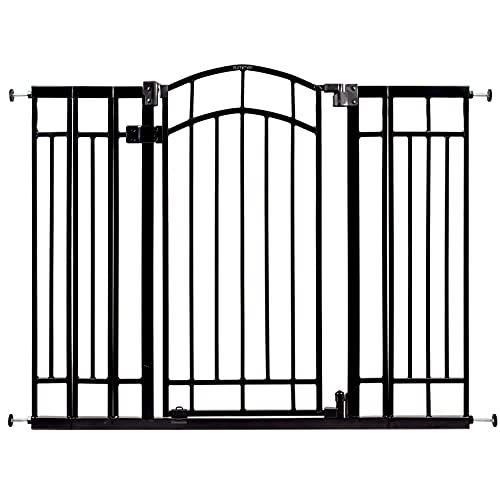
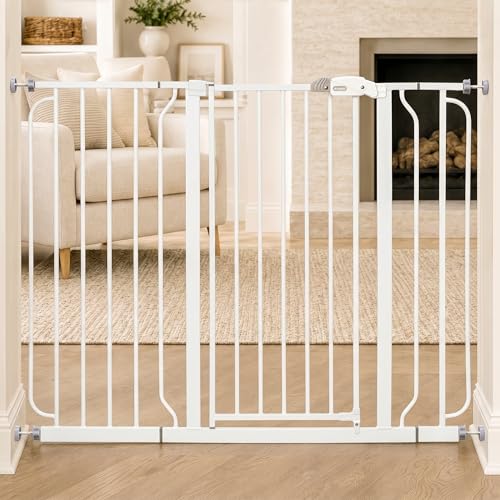
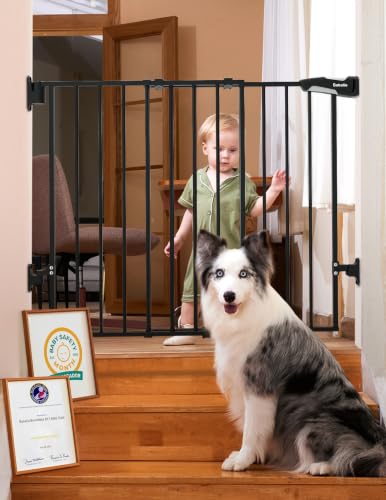
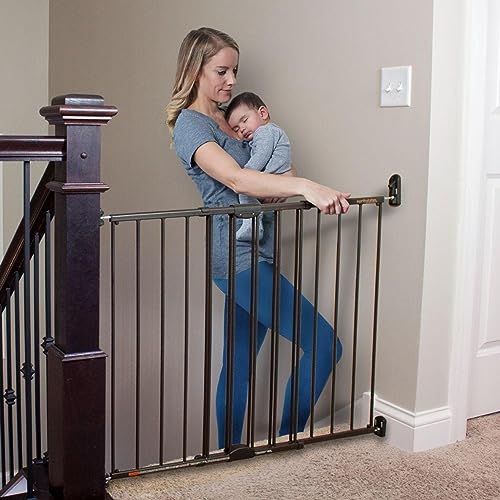
Why Stairs Require a Hardware-Mounted Gate
There are two basic mounting systems on the market, and the difference matters a lot more at the top of a staircase than it does anywhere else in your house. A pressure-mounted gate holds itself in place with spring tension against the walls or door frame on either side. That works fine for a doorway between two rooms on the same level, where a fall means a bump, not a tumble down steps.
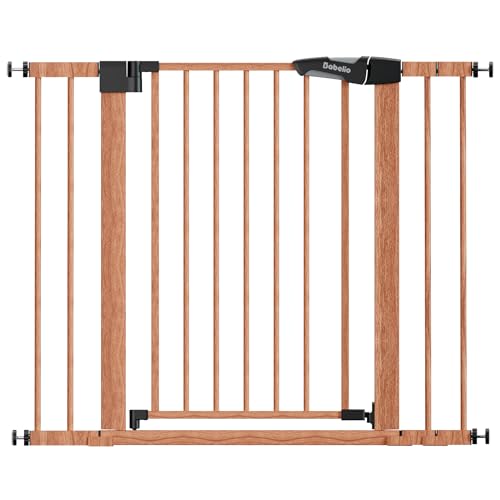
A hardware-mounted gate screws directly into the wall studs, door frame, or banister posts. It doesn't rely on tension, so a toddler leaning into it repeatedly or pulling on it won't loosen it over time. For any opening at the top of stairs, hardware mounting is the only option worth considering. Manufacturers print this warning on the packaging for a reason: pressure alone can fail under the kind of repeated force a determined toddler applies.
Look for a walk-through door built into the gate panel rather than one you have to lift out and set aside. Carrying a laundry basket or a baby down the stairs is hard enough without wrestling a gate out of its frame each time. A one-handed latch that a toddler can't figure out, but that you can open without fumbling, is worth prioritizing over a lower price.
Top-of-Stairs and Bottom-of-Stairs Gates Aren't Interchangeable
It's tempting to buy one gate and use it at both ends of the staircase, but the two locations have different demands. At the top, safety is non-negotiable, so a sturdy hardware-mounted swing gate with a straight bottom edge is the standard choice. Some parents also compare notes with a broader roundup of baby safety gates before narrowing down to a stair-specific model, since the certification and construction standards overlap.
Bottom-of-Stairs Options
At the bottom, you have more flexibility. A hardware-mounted gate is still the sturdiest option, but a pressure-mounted gate with included wall cups can work if the space allows for a solid mount on at least one side. Just avoid designs with a bar that runs across the floor at ankle height, since that becomes a trip hazard for adults carrying kids up and down all day.
Wide or Unusual Openings
Some staircases open into a living room or hallway with an opening far wider than a standard doorway. Extra-wide gate kits with additional mounting hardware, or extension panels sold separately, can bridge these gaps without leaving a gap a small body could squeeze through.
Measuring Your Stairway Before You Buy
Measure the exact width of the opening at both the narrowest and widest points before you shop. Walls aren't always perfectly parallel, and an opening that looks like 34 inches at the top might taper to 33 at the bottom. Most standard gates cover openings in the high-20s to mid-30s of inches, with extension kits available for anything wider.
If you're mounting to a banister instead of a wall, check the post diameter and shape. Round banister posts need a mounting kit designed for curved surfaces, and square or unusually thick newel posts sometimes need a different bracket than what ships in the box. Buying the best baby gate for stairs without checking this detail is one of the most common return reasons retailers report.
Also account for angled top steps. If your staircase starts with a step that's part of the landing rather than a flat floor, some gates need a stair-specific base plate or a fill kit to sit level. Skipping this step means the gate ends up crooked, with a gap wide enough for a foot or hand to slip under.
Certifications, Bar Spacing, and Materials Worth Checking
A JPMA certification seal means the gate has passed independent testing for structural strength, latch security, and gap sizes that could trap a small hand or head. It's a meaningful shortcut when you're comparing unfamiliar brands, since it confirms the gate meets the ASTM F1004 voluntary safety standard rather than just claiming to.
Vertical bars or slats should sit no more than about 2 3/8 inches apart. Wider spacing creates a risk of a child's head slipping partway through and getting stuck. Mesh panels avoid this issue entirely but should be taut and fine enough that little fingers can't get a grip and climb.
Height matters too. A gate should stand at least 22 inches tall, though many pediatric safety groups recommend closer to three-quarters of your toddler's height once they start attempting to climb. Check that the finish is free of lead and other restricted materials, especially on gates made from painted wood or older imported metal frames. Running through this checklist before checkout is the fastest way to land on the best baby gate for stairs for your specific home rather than settling for whatever ships fastest.
Handling Banisters, Angled Landings, and Open-Concept Layouts
Not every staircase has two solid walls to screw into, and that's where a lot of buying mistakes happen. Open-concept homes often have a staircase with a railing on one or both sides instead of a wall, which means you need a no-drill banister mount that clamps or straps around the post rather than a screw-in bracket.
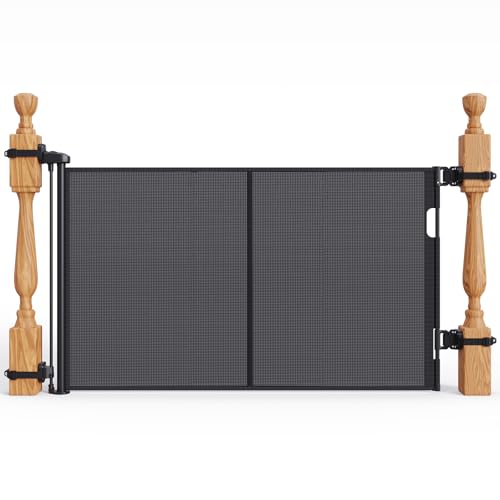
For homes that want a lower-profile look at the bottom of the stairs, a retractable mesh gate can work in that spot, though it still needs a solid anchor point on at least one side to stay put. These retract into a slim housing when not in use, which some families prefer for a frequently used doorway near the stairs, even if they wouldn't choose one for the top step itself.
Angled landings, split-level entries, and staircases with a newel post instead of a flat wall corner all call for checking the manufacturer's compatibility notes before ordering. A gate rated for standard openings won't necessarily include the hardware for these trickier layouts, so a quick look at the included mounting kit saves a return trip.
Frequently Asked Questions
Is a pressure-mounted gate ever safe at the top of the stairs?
No. Safety organizations and manufacturers consistently recommend hardware-mounted gates only for the top of stairs, since pressure mounts can loosen under repeated force and don't offer the same stability.
How tall should a gate for stairs be?
Most safety gates measure at least 22 inches tall, but once a toddler starts climbing furniture, a taller model, closer to 30 inches, gives you more of a buffer against them scaling over the top.
What does a JPMA certification actually confirm?
It confirms the gate passed independent testing against the ASTM F1004 standard for latch strength, structural integrity, and gap sizes, giving you a reliable baseline when comparing unfamiliar brands.
Can I mount a gate on a banister without drilling into the wood?
Yes. No-drill mounting kits use straps or clamps that wrap around the banister post, which works well for rental homes or anyone who doesn't want permanent holes in a railing.
What's the difference between a swing gate and a retractable gate?
A swing gate has a rigid panel that opens on a hinge, while a retractable gate uses a mesh screen that pulls out from a housing and locks across the opening, then retracts when not needed.
How wide of an opening can a standard stair gate cover?
Most standard models fit openings in the high-20s to mid-30-inch range, with separate extension panels available for wider staircases or open-concept entryways.
When is it safe to stop using a gate at the top of the stairs?
Most families keep a gate in place until a child can reliably walk down stairs holding a railing, usually somewhere between two and three years old, though every child's balance and judgment develop at a different pace.
Getting the Fit Right Matters More Than the Brand
The safest gate for your staircase is the one that matches your specific opening, mounting surface, and layout rather than whichever model has the most reviews online. Measure carefully, confirm the mounting hardware fits your walls or banister, and check for a genuine safety certification before you commit. A gate that's correctly matched to your stairs will hold up to years of daily use without ever becoming the weak point in your home.