
The Best Convection Toaster Ovens for Home Kitchens
Disclosure: We may earn a commission when you buy through links on this page, at no extra cost to you. As an Amazon Associate I earn from qualifying purchases. Learn more
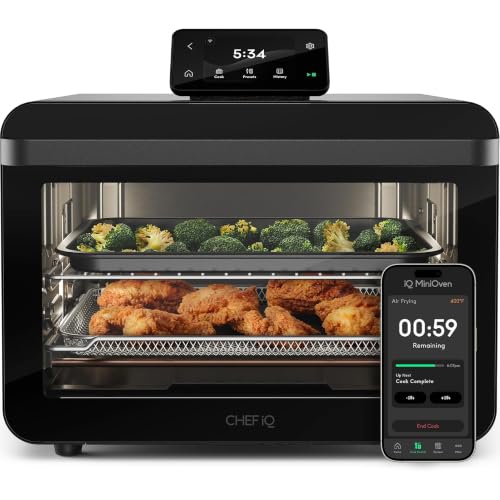
A buying guide covering interior capacity, wattage, cooking modes, and heat distribution for convection toaster ovens.
A quality countertop oven saves both time and energy compared to firing up a full size oven for small meals, and the best convection toaster ovens take this convenience even further with faster, more even cooking. The built in fan circulates hot air throughout the cavity, reducing cook times and improving browning compared to a standard toaster oven.
Not every model delivers on the promise of true convection cooking, and capacity, wattage, and interior design all affect real world results. This guide covers what to look for when comparing the best convection toaster ovens for everyday kitchen use.
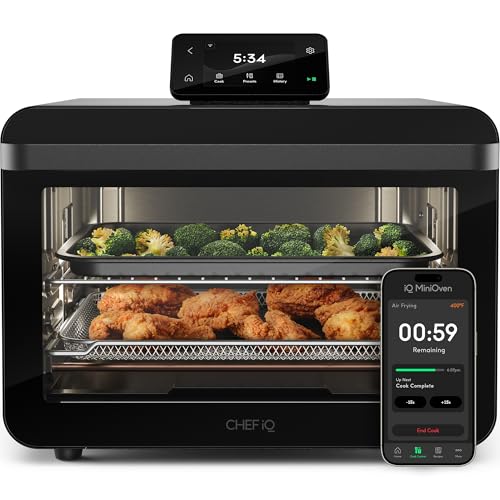


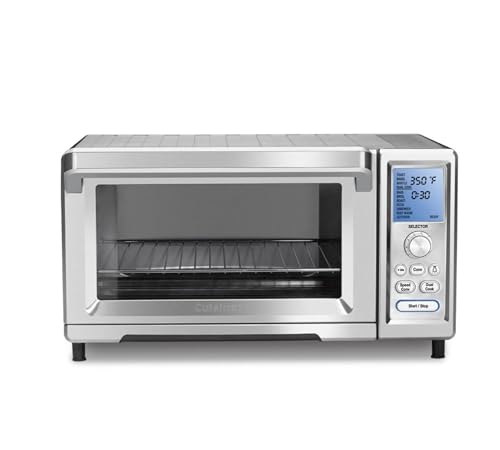

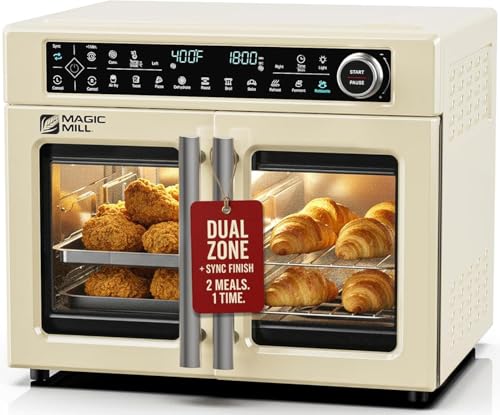


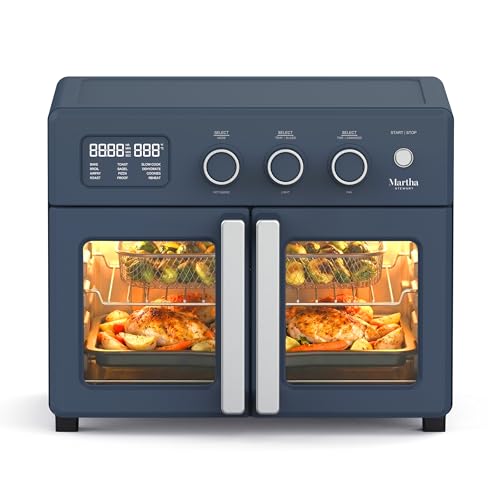


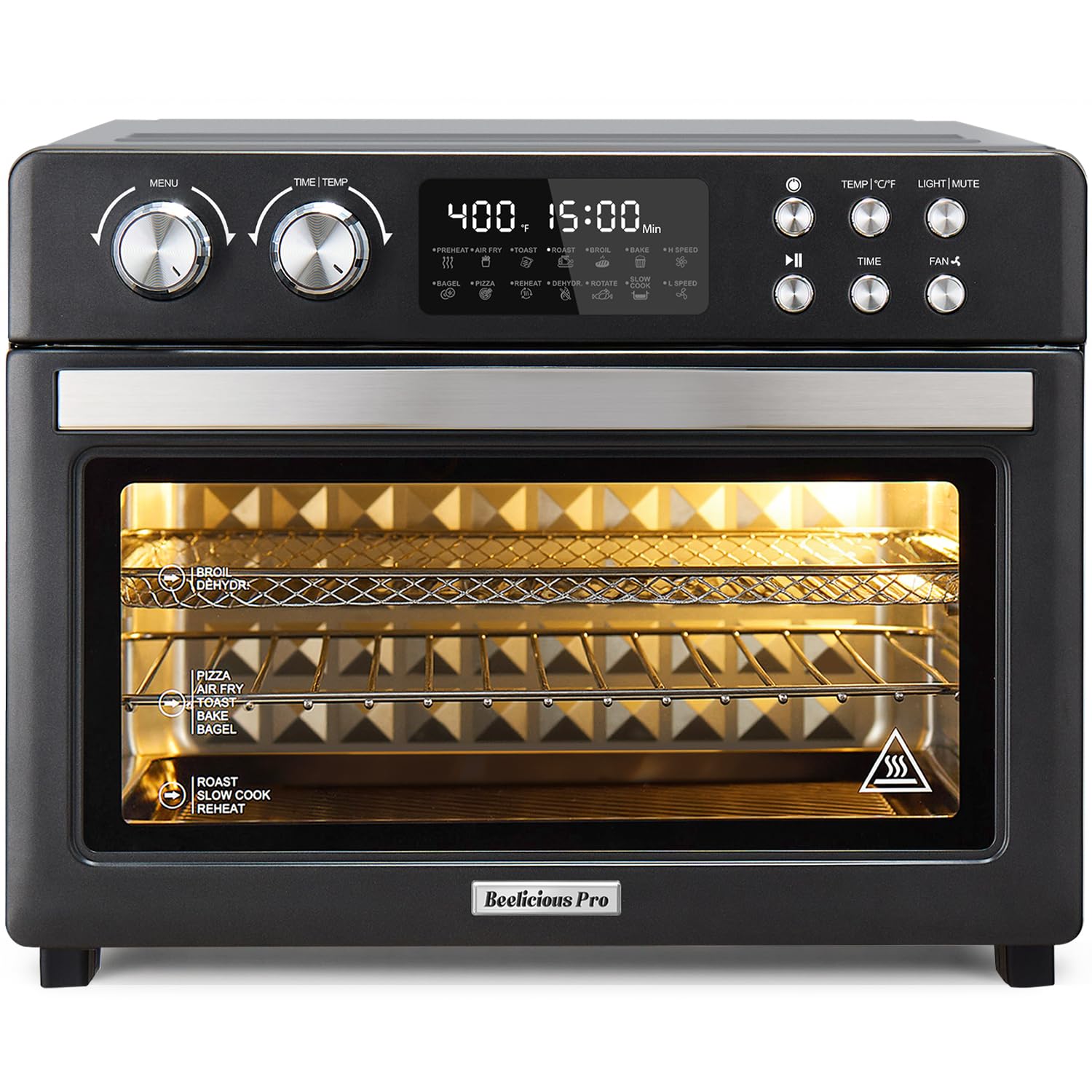
Interior Capacity
Capacity determines what a toaster oven can realistically handle, from a few slices of toast to a whole chicken or a full sheet pan of vegetables. Smaller units suit individuals or couples who mainly reheat and toast, while larger capacity models handle family sized meals and multiple dishes cooked simultaneously.
Checking the maximum pan size a unit accommodates, rather than relying on a general capacity number alone, gives a more accurate sense of whether a standard baking sheet or a whole roasting pan will actually fit inside. Measuring a favorite baking sheet or pizza stone against listed interior dimensions before buying helps confirm compatibility rather than discovering a poor fit after unboxing.
Wattage and Heating Power
Wattage affects both how quickly a unit preheats and how well it maintains temperature once loaded with food. Higher wattage models, generally 1500 watts or above, preheat faster and recover temperature more quickly after the door opens, which matters for anyone checking on food frequently during cooking.
- Under 1200 watts: slower preheating, best for light, occasional use
- 1200 to 1500 watts: solid all around performance for most households
- 1500 watts and above: fastest preheating, best for frequent cooking
Lower wattage units are not necessarily worse, but they do require more patience and planning around preheat times, an important tradeoff to weigh against typical usage patterns. Households that cook on a tight schedule during weeknight dinners often find the faster preheat of a higher wattage unit worth the modest increase in energy draw during operation.
True Convection vs Basic Fan Assist
Some units labeled convection only add a basic fan without a dedicated heating element specifically for convection mode, resulting in less consistent results than true convection ovens with a separate rear mounted heating element and fan. Checking product specifications carefully for a dedicated convection heating element helps distinguish genuine performance from marketing language alone. Reviews that specifically mention browning consistency across a full tray of food offer a more reliable signal of true convection performance than the word convection printed on the box.
Cooking Modes and Versatility
Beyond basic bake and toast functions, many modern countertop ovens include air fry, broil, dehydrate, and reheat modes, effectively replacing several single purpose kitchen appliances. This versatility can meaningfully reduce counter clutter for anyone willing to rely on one well equipped unit instead of several dedicated gadgets.
Air fry mode in particular has become a standout feature, using rapid hot air circulation to achieve a crisp exterior on foods with far less oil than traditional deep frying methods. A dedicated air fry basket or tray, rather than a shared rack, often produces noticeably crisper results by allowing better airflow around food from all sides.
Preset Programs
Preset cooking programs for common foods like pizza, cookies, or bagels take the guesswork out of setting time and temperature manually. These presets work best as a helpful starting point, with fine tuning still recommended based on a specific recipe or personal preference.
Even Heat Distribution
Uneven heating leads to food that browns unevenly, undercooking in some spots while overcooking in others. Multiple heating elements positioned around the cavity, combined with an effective convection fan, distribute heat far more evenly than a single element design. Rotating food partway through cooking can help compensate for hot spots in units with less consistent heat distribution. Placing food on the center rack rather than the top or bottom position also tends to produce more even results across most countertop oven designs.
Interior Material and Cleaning
Non-stick interior coatings make wiping away grease and food splatter considerably easier than a bare metal interior. Removable crumb trays and racks that are dishwasher safe further simplify regular cleaning, an important consideration given how often a countertop oven typically gets used compared to a full size oven.
Stainless steel exteriors resist fingerprints and smudging better than glossy finishes, keeping the unit looking clean between deeper cleaning sessions. A door that opens wide and stays securely in place also makes loading and removing hot pans considerably safer and more convenient during everyday use.
Digital Controls vs Manual Dials
Digital displays with precise temperature and timer settings offer more accuracy than manual dials, which can be harder to set exactly and read clearly. Manual dial controls, however, tend to be simpler and more intuitive for quick, everyday tasks like toasting bread without navigating a menu of settings.
Energy Efficiency Compared to Full Size Ovens
A countertop convection oven uses considerably less energy than heating an entire full size oven for small meals, since it heats a much smaller interior volume. For households that frequently cook smaller portions, relying on a countertop oven instead of a full size oven can add up to meaningful energy savings over time, particularly during warmer months when avoiding a large oven also helps keep a kitchen cooler.
Choosing the Right Convection Toaster Oven
The best convection toaster ovens balance capacity, wattage, and cooking versatility against actual kitchen habits. A household cooking family meals regularly benefits from a larger capacity, higher wattage unit with multiple cooking modes, while someone mainly toasting and reheating can prioritize a smaller, simpler model. Matching these priorities to real cooking habits leads to a purchase that earns permanent counter space rather than gathering dust after the novelty fades. Measuring available counter space before purchase is also worth doing, since larger capacity units require considerably more room than their smaller counterparts.
Frequently Asked Questions
Does convection cooking really reduce cooking time?
Yes, the circulating hot air in true convection ovens typically reduces cooking time and often allows for a slightly lower temperature than a conventional oven recipe calls for, so adjusting recipes accordingly helps avoid overcooking.
Can a convection toaster oven fully replace a regular oven?
For smaller households or smaller meals, a quality convection toaster oven can replace a full size oven for most everyday cooking needs.
Is air fry mode worth having on a toaster oven?
Air fry mode adds genuine versatility for crisping foods with less oil, making it a worthwhile feature for anyone who enjoys fried textured foods regularly.
How much capacity is needed for a family of four?
A unit that comfortably fits a standard 9x13 inch baking pan or a small whole chicken generally suits a family of four well, with some extra clearance recommended for larger holiday meals.
Do convection toaster ovens use significantly more electricity than expected?
Despite higher wattage ratings, convection toaster ovens generally use less total electricity than a full size oven due to their smaller interior volume and shorter cook times, making them a genuinely efficient choice for smaller meals.
Related reading: best air fryer toaster ovens and best small toaster ovens.


