Best Concrete Cleaners: Everything to Know Before Your First Purchase
Disclosure: We may earn a commission when you buy through links on this page, at no extra cost to you. As an Amazon Associate I earn from qualifying purchases. Learn more

The best concrete cleaners explained for first time buyers: oil, rust and grime cleaners compared.
Concrete looks tough, but it is porous, which means oil drips, rust marks, tire tracks, algae and ground in dirt soak into driveways, garage floors, patios and walkways and stay there. A garden hose rarely shifts them, and the wrong product can etch the surface, kill nearby plants or leave blotchy patches. Concrete cleaners range from peroxide based concentrates for pressure washers to absorbent powders for oil stains and specialty rust removers. This guide to the best concrete cleaners is written for first time buyers, explaining the terms in plain English, comparing options and helping you avoid rookie mistakes.
We cover the basics, the key specs, rookie mistakes, setup and first use and answers to common questions. Every product in the table above is sold new on Amazon US. Wear gloves and eye protection, keep kids and pets away until surfaces are rinsed and dry, rinse nearby plants and never mix cleaners, especially bleach with acids or ammonia.



Concrete Cleaners 101: The Basics
Concrete cleaners loosen and lift stains from the pores of concrete so they can be scrubbed or rinsed away. Most fall into a few groups: general outdoor cleaners and degreasers for dirt and grime, oxygen or peroxide cleaners that brighten surfaces, absorbent or enzyme powders that pull oil out of the pores, rust removers that dissolve orange iron stains and acid based products for mortar and mineral deposits.
Many concrete cleaners are concentrates that you mix with water, either by hand in a bucket or through a pressure washer's detergent tank. Ready to use sprays and powders suit spot cleaning. Matching the cleaner to the stain is the most important decision you will make.
Most driveway stains fall into three groups: oil and automotive fluids, organic stains like algae, mildew and leaf tannins and mineral stains like rust and efflorescence.
Prices are modest across the board. Most concentrates and powders listed above cost around $14 to $49, and one jug or bag usually covers a whole driveway or several garage floor stains. Choosing among the best concrete cleaners is more about matching the stain than spending more.
Key Specs Explained in Plain English
The key specs are stain type, format, scent, surface compatibility, packaging and coverage and ingredients and safety. Here is what each means.
Read the label for each spec before buying, since the same brand may sell several concrete products for different stains and surfaces.
Effectiveness on the Specific Mess
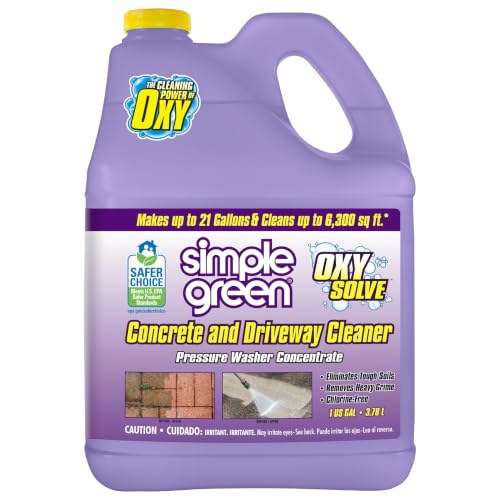
Oil and grease need degreasers or absorbents. Simple Green Oxy Solve Concrete and Driveway Cleaner targets oil stains, rust stains, grease, automotive fluids, tire marks and exhaust buildup, according to Simple Green.
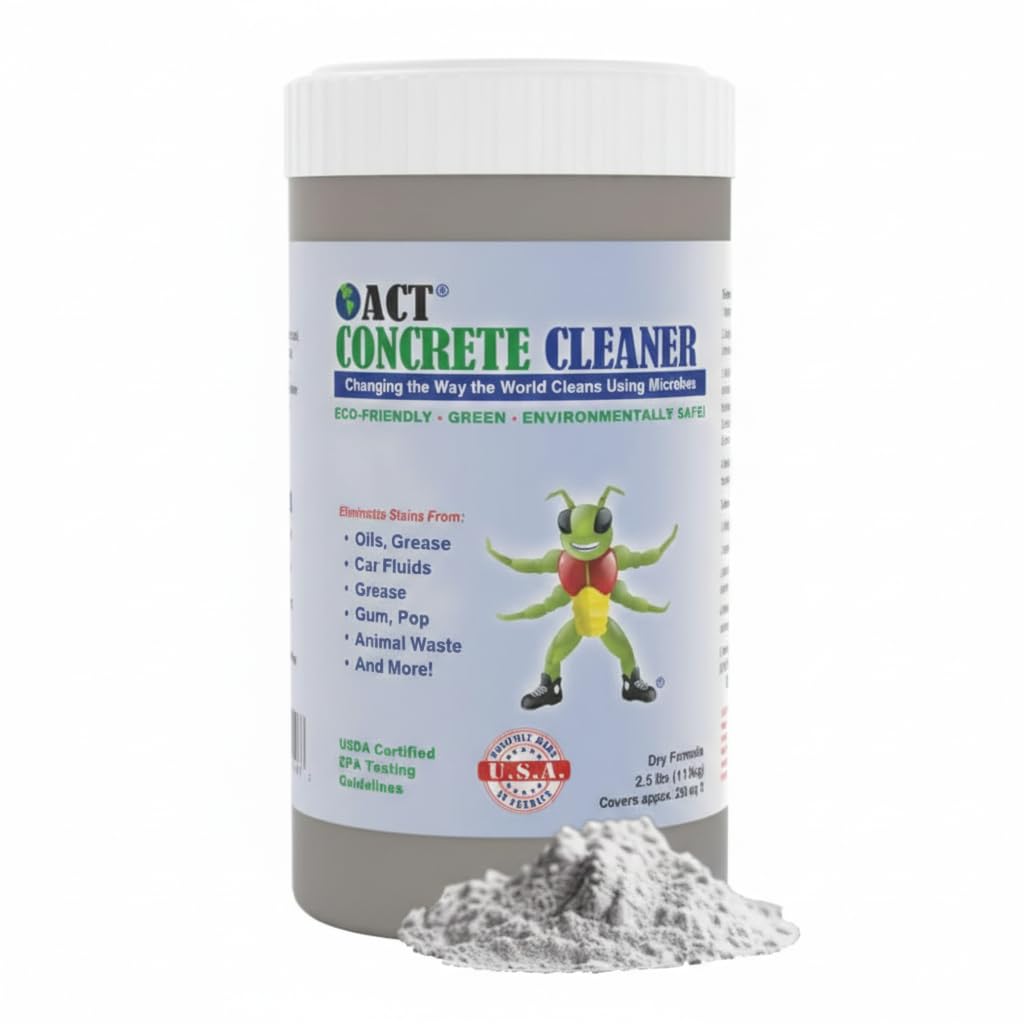
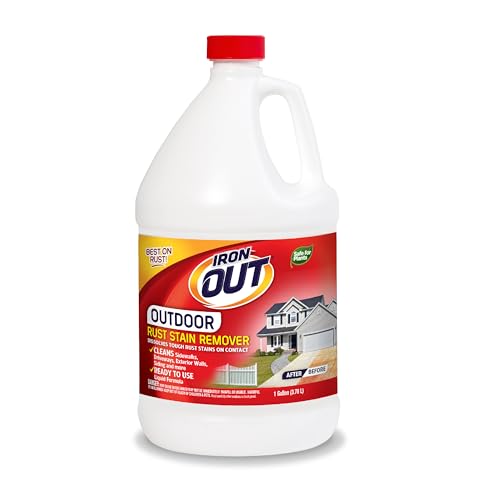
Dry powders like ACT Concrete Cleaner and CAF EXIMO pull oil from the pores. Rust stains need a dedicated remover like Iron OUT Outdoor Rust Stain Remover, which dissolves rust on contact, according to Iron OUT. General dirt, mildew and grime respond to multi purpose cleaners like Krud Kutter and Monty Miracle.
Old oil stains are the hardest to remove because oil soaks deep into concrete pores. Powders and poultices work by drawing oil back to the surface over hours or days, so you may need several applications. ACT describes its powder as a bioremediation formula, which uses microbes to break down hydrocarbons over time. Fresh spills come up far more easily, so blot them right away.
Green or black stains from algae, moss and mildew usually appear in shady, damp areas. Oxygen based cleaners and outdoor cleaners like Monty Miracle, which says it helps tackle black spots and staining in under 10 minutes, target these organic stains.
Tire marks and exhaust buildup on garage floors and driveways respond to degreasing cleaners like Simple Green Oxy Solve Concrete and Driveway, which lists both on its label. Efflorescence, the white powdery residue on concrete and brick, is a mineral deposit that may need a dedicated efflorescence cleaner or a carefully diluted acid product.
Format (Concentrate, Ready to Use, Powder)
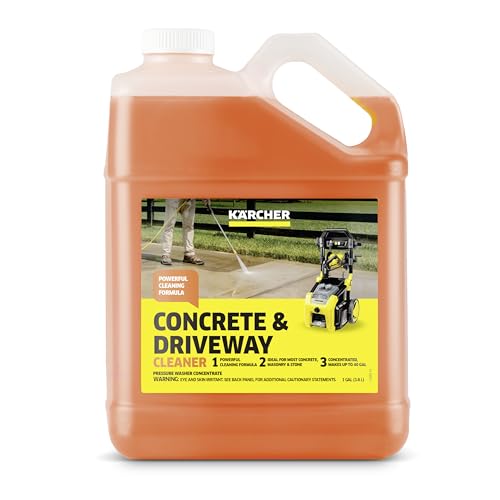
Concentrates offer the best value and coverage. KÄRCHER Concrete and Driveway Cleaner makes up to 40 gallons of ready to use solution and works through pressure washers, foam cannons or by hand.
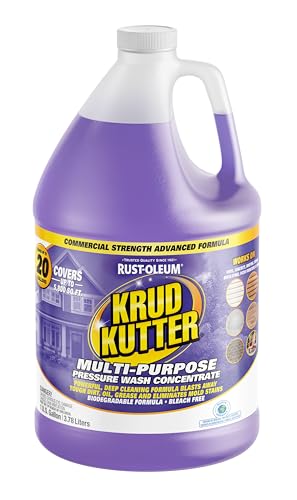
Krud Kutter says one gallon makes up to 20 gallons of solution and cleans up to 5,800 square feet. OxiClean's outdoor concentrate comes in packets that make 2 gallons. Powders suit oil spots on garage floors.
Pressure washer detergents must be labeled for pressure washer use; never put bleach or acids through a pressure washer unless the machine maker allows it. A foam cannon, which KÄRCHER says its cleaner supports, spreads a thick layer that clings to the surface longer.
Hand application with a pump sprayer or watering can and a stiff brush works well for small patios, walkways and individual stains when you do not own a pressure washer.
Scent and Fragrance Free Options
Many concrete cleaners have little scent, which suits garages and enclosed patios. Simple Green lists its Concrete and Driveway cleaner as unscented. Strong solvent smells signal harsher chemicals; ventilate garages when using any cleaner indoors.
Smell is not a reliable sign of strength. Some powerful peroxide cleaners have almost no odor, while some mild cleaners add fragrance.
For indoor garages, choose low odor products and keep the door open while working and drying.
Surface Compatibility
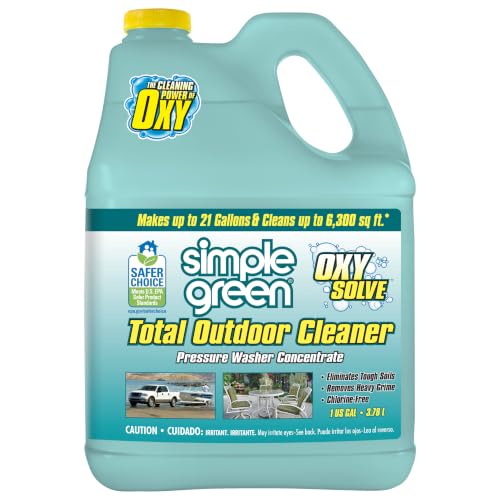
Most products suit plain concrete, brick and masonry. Simple Green Oxy Solve Total Outdoor Cleaner also lists wood, vinyl and composite, and Iron OUT lists vinyl siding, decks, fencing, docks and boats. Sealed, stamped, colored or polished concrete may need gentler products; spot check first. Concrete DNA makes a cleaner for polished concrete floors.
Fresh concrete needs time to cure before cleaning with strong products; most guidance suggests waiting at least a month. Sealed concrete can lose its sealer if cleaned with harsh degreasers, so check the sealer maker's recommendations.
Pavers and natural stone can react differently than poured concrete. Acid based products can etch limestone, marble and some pavers, so choose cleaners labeled for those surfaces.
Packaging and Coverage
Large jugs and concentrates reduce packaging per job. Simple Green says its Total Outdoor Cleaner covers up to 6,400 square feet per bottle. KÄRCHER describes its concentrate as biodegradable and made in the USA, and Krud Kutter describes its formula as biodegradable and bleach free.
Iron OUT describes its rust remover as vegetation friendly and made in the USA, which matters when cleaning near flower beds and lawns.
To estimate how much you need, multiply your driveway length by width for square footage, then compare that number to the coverage listed on the label. Most single car driveways are around 200 to 400 square feet, while two car driveways often run 400 to 800.
Buy a little extra for stubborn spots.
Ingredients and Safety
Peroxide based formulas, like Simple Green Oxy Solve, lift grime without harsh chemicals, and Simple Green notes EPA Safer Choice certification on its Total Outdoor Cleaner. ACT uses a bioremediation formula and is marketed as eco friendly. Muriatic acid removes mortar and mineral deposits but is corrosive and requires careful handling, protective gear and dilution as directed.
Zep's concrete and driveway cleaner, at around $17 per gallon, is a budget option for general cleaning. Whatever you choose, read the safety section of the label for required gloves, eye protection and first aid steps.
The best concrete cleaners for homes with kids and pets usually rely on peroxide, enzymes or biodegradable surfactants rather than harsh acids.
Rookie Mistakes to Avoid
The most common mistake is using the wrong cleaner for the stain, like a general cleaner on rust or a degreaser on algae. Another is letting cleaners dry on hot concrete in direct sun, which can leave streaks; work in shade or cooler parts of the day.
Many people skip pre wetting nearby grass and plants. Using a pressure washer too close or with a narrow tip can etch concrete. Finally, mixing products, especially bleach with acids or ammonia, creates dangerous fumes.
Some first timers also expect one wash to remove years of stains. Deep oil and rust often fade gradually over two or three treatments, and some faint shadows may remain on older concrete. Finally, forgetting to protect nearby doors, siding and cars from overspray can spread cleaner where you do not want it.
Another common error is rinsing too soon. Most cleaners need several minutes of dwell time to loosen stains, so follow the label rather than rinsing immediately.
Getting Started: Setup and First Use
Sweep away loose debris and blot fresh oil with cat litter or absorbent powder. Wet nearby plants and the concrete surface. Mix concentrates according to the label.
Apply the cleaner, let it dwell for the recommended time, like Krud Kutter's 3 to 5 minutes, and scrub stubborn spots with a stiff brush. Rinse thoroughly with a hose or pressure washer, working from top to bottom. Repeat on deep stains. Consider sealing clean concrete to make future cleaning easier.
Pick a cool, overcast day with no rain in the forecast. Gather a stiff nylon brush, a bucket, a hose with a spray nozzle or a pressure washer, gloves and eye protection. Try the cleaner on a small, hidden area first, especially on colored or stamped concrete.
For garage floors, move cars and stored items out first, open the garage door for ventilation and work from the back of the garage toward the door so rinse water flows outside. For oil spots, apply powder, let it sit as directed, then sweep it up before washing the floor.
Frequently Asked Questions
Is it safe to use around kids and pets?
Many concrete cleaners are safe around kids and pets once rinsed and dry, especially peroxide and biodegradable formulas. Keep kids and pets away during cleaning, store products out of reach and follow label directions.
Rinse runoff away from play areas, pet bowls and garden beds, and keep pets from licking wet surfaces.
If anyone swallows a cleaner or gets it in their eyes, follow the first aid steps on the label and call Poison Control right away.
Are natural concrete cleaners as effective?
Peroxide and enzyme based cleaners work well on dirt, grime and light oil stains. Old, deep oil stains and rust usually need stronger, targeted products and repeat treatments.
Household options like baking soda and dish soap can lift light, fresh stains, but they rarely handle old oil or rust as well as dedicated products.
Enzyme and microbe based powders, like ACT, take longer but keep working on oil after application, which suits patient homeowners who want gentler products.
How often should I clean concrete?
Clean driveways and patios once or twice a year, and treat oil spills as soon as possible. Garage floors may need cleaning more often in winter when salt and slush are tracked in.
Sealing concrete after cleaning makes future stains easier to remove and can stretch the time between deep cleanings.
A quick sweep and hose down every few weeks keeps dirt from building up between deep cleans.
What should never be mixed together?
Never mix bleach with ammonia, acids or vinegar, which create toxic gases. Do not combine different concrete cleaners or use acids after bleach. Rinse well between products.
Store cleaners in their original containers with labels intact so no one mistakes one product for another.
The Bottom Line
The best concrete cleaners match the stain. Simple Green Oxy Solve and KÄRCHER handle general driveway cleaning, ACT and CAF EXIMO powders lift oil stains, Iron OUT removes rust and Krud Kutter covers multi surface outdoor cleaning. Spot check, work in shade and rinse thoroughly.
A clean surface is also the right starting point for sealing, which helps keep future stains from soaking in.
For more home improvement guides, see the best concrete sealer, the best concrete paints, the best electric pressure washers and the best solar driveway lights. Then compare current prices in the product table above.