Best Apple Homekit Thermostat: Matching the Right Model to Your Routine in 2026
Disclosure: We may earn a commission when you buy through links on this page, at no extra cost to you. As an Amazon Associate I earn from qualifying purchases. Learn more
A use case guide to the best apple homekit thermostat: compatibility, scheduling, sensors and price for busy households and first time buyers.
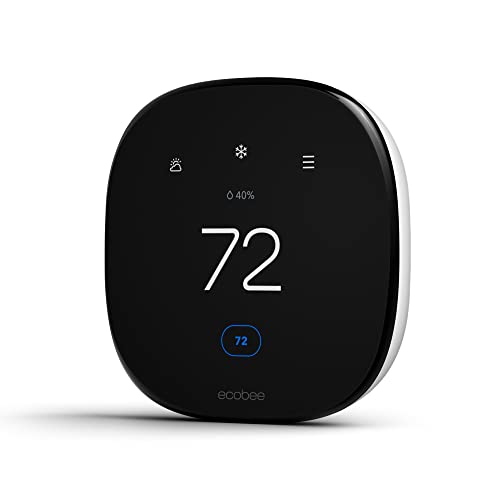
There is no single model that suits every home, since routines, system types, and budgets differ so much. This guide to best apple homekit thermostat options starts with your use case, then explains the features that matter for that use case, so you can avoid overpaying for extras you will never use. The comparison table below gives a quick overview before you compare types in detail.
A HomeKit thermostat lets you control temperature from an iPhone, iPad, Apple Watch, or Apple TV, and it can join automations that adjust comfort when you arrive home, leave, or go to sleep. The experience depends on your heating and cooling system, your home network, and whether you already use Apple devices daily. A model that fits your routine will feel simple, while a model with the wrong setup can feel frustrating even if it has more features.

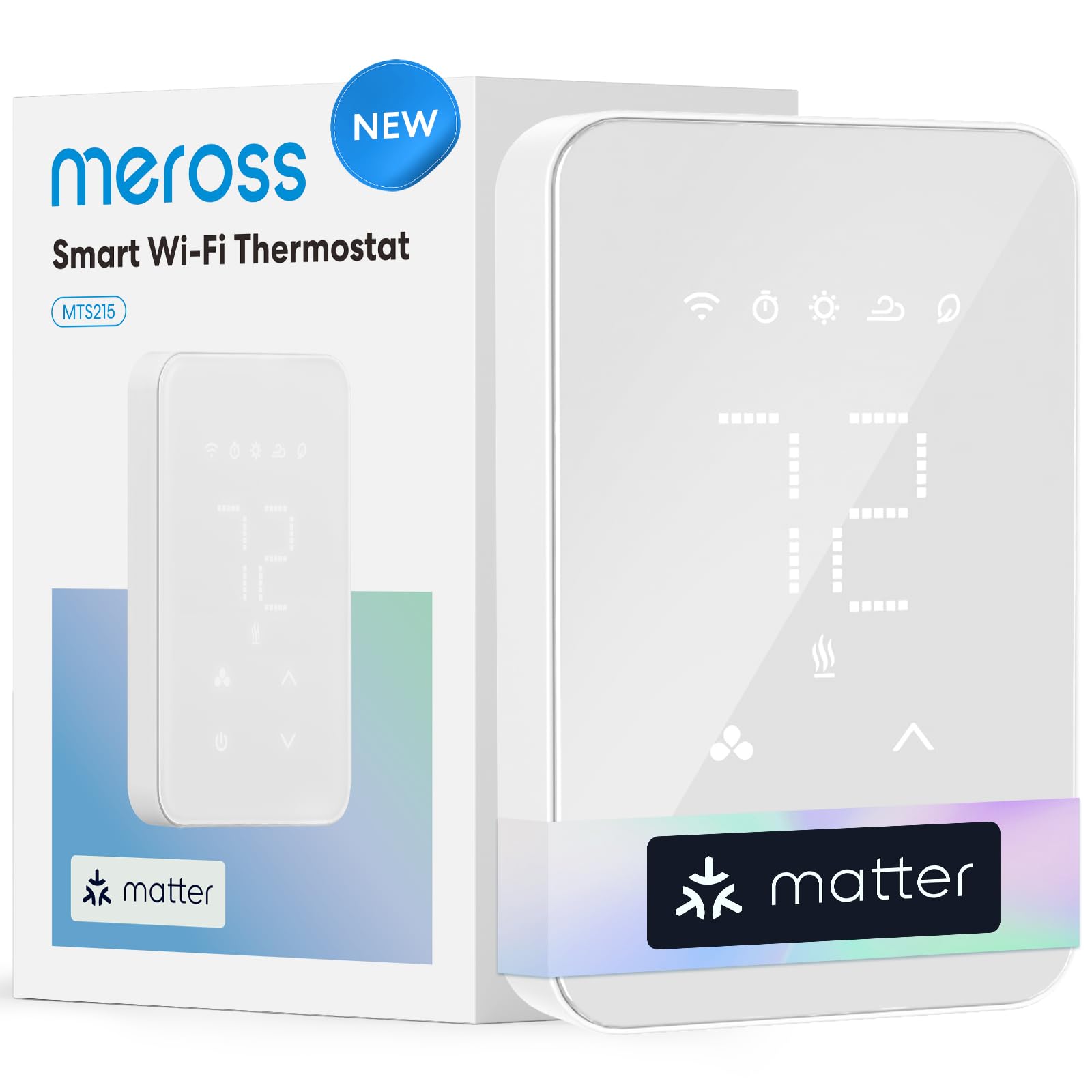

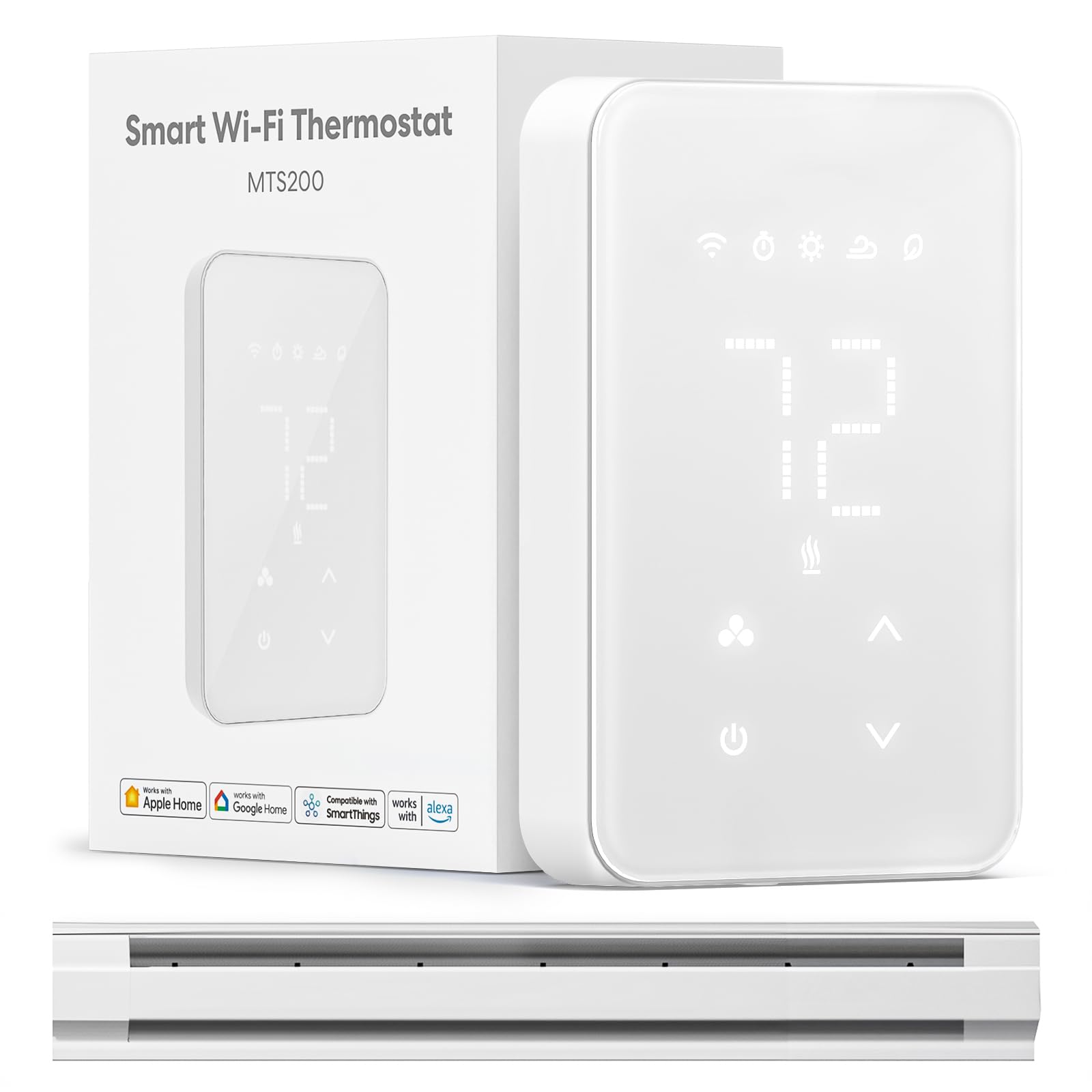
How HomeKit Control Works
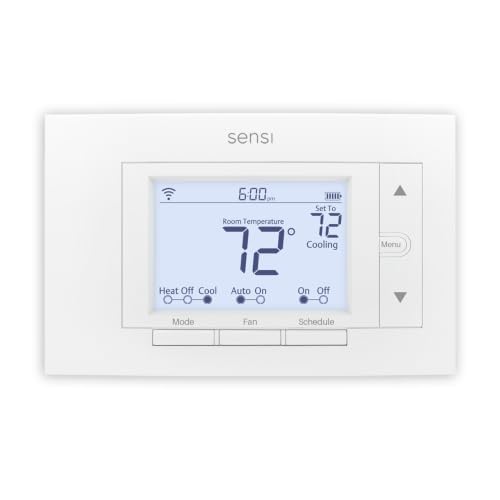
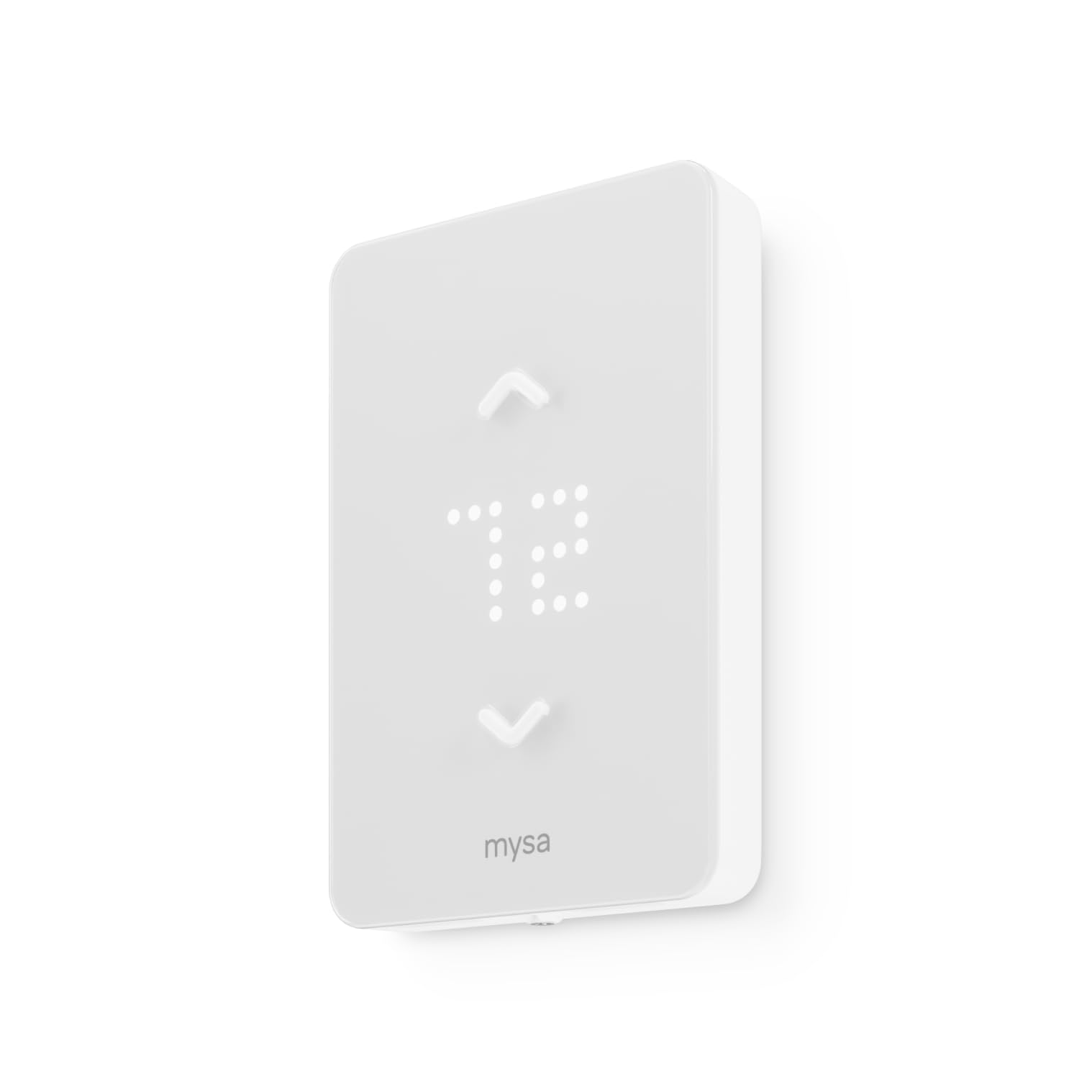
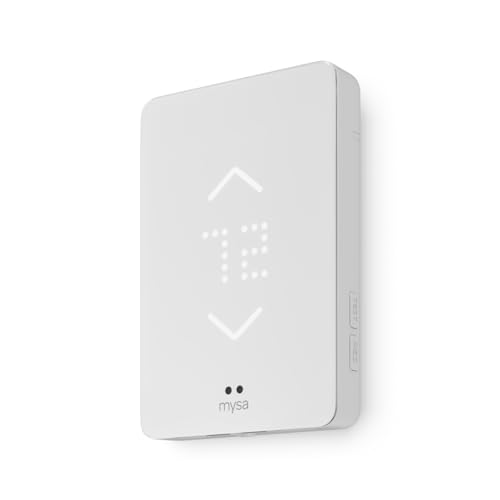
When you shop for best apple homekit thermostat models, it helps to understand the basic setup. After the thermostat is installed and connected to your home network, you add it to the Home app, assign it to a room, and create scenes or automations for common routines. You can then ask Siri to change the temperature, check the current setting, or run a scene that adjusts heating, cooling, and lights together.
HomeKit control works best when the thermostat has a stable connection and a clear room assignment. If you have more than one thermostat, give each one a distinct name, such as living room or main bedroom, so voice commands reach the right device. An Apple TV or HomePod can act as a home hub, which lets you control the thermostat while away and run automations based on time, location, or other accessories.
Who Should Buy Which Apple Homekit Thermostat?
Your routine should drive the choice more than the feature list. A busy household may value automations and sensors, while a first time buyer may value a clear display and simple setup. The groups below describe common needs, and you may recognise yourself in more than one group, which is fine. Use the group that matches your main priority, then check the feature section for the details that matter most.
For Value Seekers
Value seekers want reliable temperature control, HomeKit support, and a fair price, without paying for advanced learning features they may not use. A basic programmable or WiFi model often covers daily needs well, especially if your routine is steady and you mainly want voice control and remote access. Look for a clear display, a simple schedule, and solid compatibility with your system. A guide to best apple thermostat can help you compare simpler Apple friendly options before you look at premium models.
For Gift Shoppers
Gift shoppers should focus on ease of setup, clear instructions, and a model that works with common system types. A gift that needs complex wiring or a system upgrade can become a burden, so check compatibility with the recipient system type before buying. A simple display, a helpful app, and a clear warranty also make a gift easier to enjoy. If you are unsure about the recipient system, a gift card or a note offering help with professional installation may be more thoughtful than guessing.
For First Time Buyers
First time buyers benefit from a thermostat that explains its settings in plain language and offers a guided setup in the app. Look for a model with a clear home screen, easy temperature changes, and a schedule that you can edit without hunting through menus. Check the maker compatibility list early, and ask a licensed professional for help if wiring or system type is unclear. A guide to best thermostat for homekit can help you confirm basic compatibility before you commit.
For People Who Want the Best Performance
Performance focused buyers may want room sensors, detailed energy reports, learning schedules, and smooth integration with other HomeKit accessories. These features can improve comfort in larger homes or homes with rooms that heat unevenly, since sensors help the system respond to the rooms you actually use. They also add cost and complexity, so weigh them against your routine. A guide to best smart thermostat apple homekit explains how advanced models differ from basic HomeKit options.
Key Features to Compare
When comparing best apple homekit thermostat features, focus on compatibility first, then scheduling, sensors, display, and price. A feature only helps if it fits your system and your daily routine, so a long feature list is not always better. The sections below link each feature to a real situation, so you can judge whether it deserves your money.
System Compatibility and Installation Help
Compatibility is the most important feature, since a thermostat that does not support your system type will not control heating or cooling correctly. Common systems include forced air furnaces, heat pumps, boilers, and multi stage systems, and some models need a common wire for steady power. Check the maker compatibility tool, read the manual, and ask a licensed professional about wiring or complex systems. Never attempt wiring work you are not qualified to do, and keep the old thermostat wiring details safe until setup is complete.
Energy Efficiency and Operating Cost
Energy savings come mainly from a good schedule, not from the thermostat alone. A model that lowers heating or cooling while you sleep or are away can reduce waste, while still returning to a comfortable temperature before you need it. Look for energy reports that show run time and patterns, since they help you spot wasteful settings. Thermostat prices range from around $50 for basic models to around $250 or more for advanced models, with professional installation extra if needed.
Smart Controls and Sensors
Smart controls include schedules, scenes, automations, and voice commands through Siri, while sensors help with rooms that run warmer or cooler than the main thermostat location. Room sensors can be placed in a bedroom or living area so the system responds to the space you use most. Occupancy sensing can reduce heating or cooling in empty rooms, though placement matters for accuracy. A guide to best smart thermostat for homekit can help you compare sensor and automation options across models.
Display and Ease of Use
A clear display helps everyone in the home, especially guests and older family members who may not use the app. Look for large numbers, good contrast, and simple controls for raising or lowering temperature. Some models offer a touchscreen, while others use a dial or buttons that are easier to use in the dark. Check that the Home app mirrors the wall display well, so a change made by voice or phone is easy to confirm at a glance.
Common Mistakes to Avoid When Buying Apple Homekit Thermostats
Many buyers focus on price alone and forget to check system compatibility, which is the most common cause of a disappointing purchase. Others buy a feature rich model for a small home that needs only simple control, or choose a basic model for a large home with uneven rooms. Skipping the warranty and return details is another mistake, since installation issues are easier to resolve when you know the policy in advance.
- Do not assume every thermostat works with every heating and cooling system.
- Do not choose a model only because it has the longest feature list.
- Do not ignore room sensors if some rooms heat or cool unevenly.
- Do not place the thermostat near sunlight, drafts, or heat sources.
- Do not attempt wiring work without the manual and, if needed, a licensed professional.
Setup and Care Tips
Place the thermostat on an interior wall away from direct sunlight, drafts, kitchens, and heat sources, since a poor location can distort temperature readings. Keep the area around it clear, and avoid placing lamps or electronics directly beside it. Set a simple schedule first, then add scenes and automations gradually, so you can see how each change affects comfort. Review the schedule after holidays, seasonal changes, and changes in work routines.
Care is simple: wipe the display with a soft, dry cloth, keep the app updated, and check the product table above if you need to compare your model with other types. If voice control stops working, check your home network, hub status, and room assignment before assuming the thermostat is faulty. For system filter care, follow the heating and cooling system manual, since the thermostat itself does not have an air filter to replace.
Apple Homekit Thermostats: Your Questions Answered
Do I need a home hub for a HomeKit thermostat?
For control away from home and for automations, you usually need a home hub such as a HomePod or Apple TV that stays on your network. Without one, you can still control the thermostat from the Home app while you are on the same Wi-Fi network. Check the maker's setup guide to see which features need a hub.
Will it work with my heating and cooling system?
Compatibility depends on your system type and wiring. Many models need a common wire, called a C-wire, to power the display and Wi-Fi, while others include a power adapter or a battery. Electric baseboard heaters use different thermostats than furnaces and heat pumps, so confirm the system type in the listing before you order.
Can a HomeKit thermostat lower my energy bills?
It can, mostly through schedules and automations that reduce heating or cooling when you are away or asleep. The thermostat itself uses very little power, so savings depend on how you use it. Small, steady adjustments usually work better than frequent large changes.
Where is the best place to put it?
The best place is an interior wall in a room you use often, away from direct sunlight, drafts, doorways, and heat sources such as lamps or kitchen appliances. A poor location can make the thermostat read warmer or cooler than the rest of the home, which leads to uneven comfort. Avoid hallways that stay cold, rooms that are rarely used, and walls shared with a garage. If your current location causes problems, ask a licensed professional about moving it safely.
Do apple homekit thermostats really work?
Yes, HomeKit thermostats work well when the model matches your heating and cooling system and your home network is stable. Voice commands through Siri can change the temperature, check the current setting, and trigger scenes that adjust comfort through the day. They do not replace the thermostat itself, and they cannot fix a system that is the wrong size for your home. Try voice control and automations in the first week, and keep manual controls as a backup.
The Bottom Line
Start with your routine, confirm system compatibility, and then choose the level of automation that fits your daily life. Value seekers can do well with a simple HomeKit model, while larger households may benefit from sensors and detailed schedules. Check the product table above once more, compare the use cases against your home, and choose the model that feels clear and comfortable to use.
If you remember only a few points, let them be these: compatibility first, schedule second, and display clarity third. That order makes best apple homekit thermostat shopping simpler, since you can rule out models that do not fit your system before comparing extras. If wiring or system type is unclear, talk with a licensed professional and follow the manual for your model.