Best Bleach Sprayers: Practical Buying Guide for 2026
Disclosure: We may earn a commission when you buy through links on this page, at no extra cost to you. As an Amazon Associate I earn from qualifying purchases. Learn more

Seal material, nozzle control and size compared for choosing the best bleach sprayers for home cleaning.
Bleach eats through the seals, hoses and nozzles of ordinary garden sprayers, which then leak, clog or fail. The best bleach sprayers use bleach resistant plastics and seals, spray evenly and are easy to rinse, so they protect surfaces, clothing and lungs as well as the tool itself.
Use the comparison table below to weigh bottle size against pump capacity and nozzle control, and think about whether you clean a bathroom, a patio or a fence before you choose.




Who Should Buy a Bleach Sprayer
Bleach sprayers suit homeowners cleaning bathrooms, patios, driveways, fences and outdoor furniture, as well as anyone handling larger disinfection jobs. If you use bleach regularly, a dedicated sprayer is safer than a repurposed garden sprayer. Keep this in mind as you compare the best bleach sprayers.
Bleach is not a toy and should be kept away from children, pets, plants and food areas. Never mix it with ammonia or acids, since dangerous gases can form. If you only need a small amount now and then, a bleach resistant trigger bottle may be simpler and safer than a pump sprayer.
Key Features to Compare
- Bleach resistant seals, hoses and nozzles, ideally Viton or similar seals for pump sprayers.
- An adjustable nozzle from a fine mist to a steady stream for different surfaces.
- A size matched to your job: large enough to avoid constant refilling, light enough to carry.
- A pressure release valve on pump models, to avoid over pressurizing the tank.
- A comfortable handle and strap, since pumping and carrying tire the arms quickly.
Types of Bleach Sprayers
Trigger Spray Bottles
Bleach resistant trigger bottles hold about 24 to 32 ounces and suit bathrooms, kitchens and spot cleaning. They are cheap and easy to store, and the trigger gives a reliable mist or stream.
Handheld Pump Sprayers
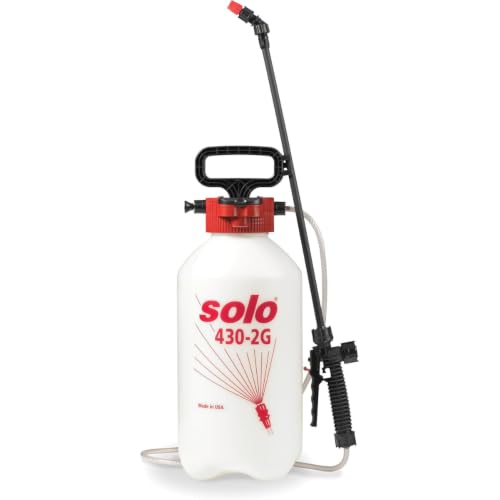
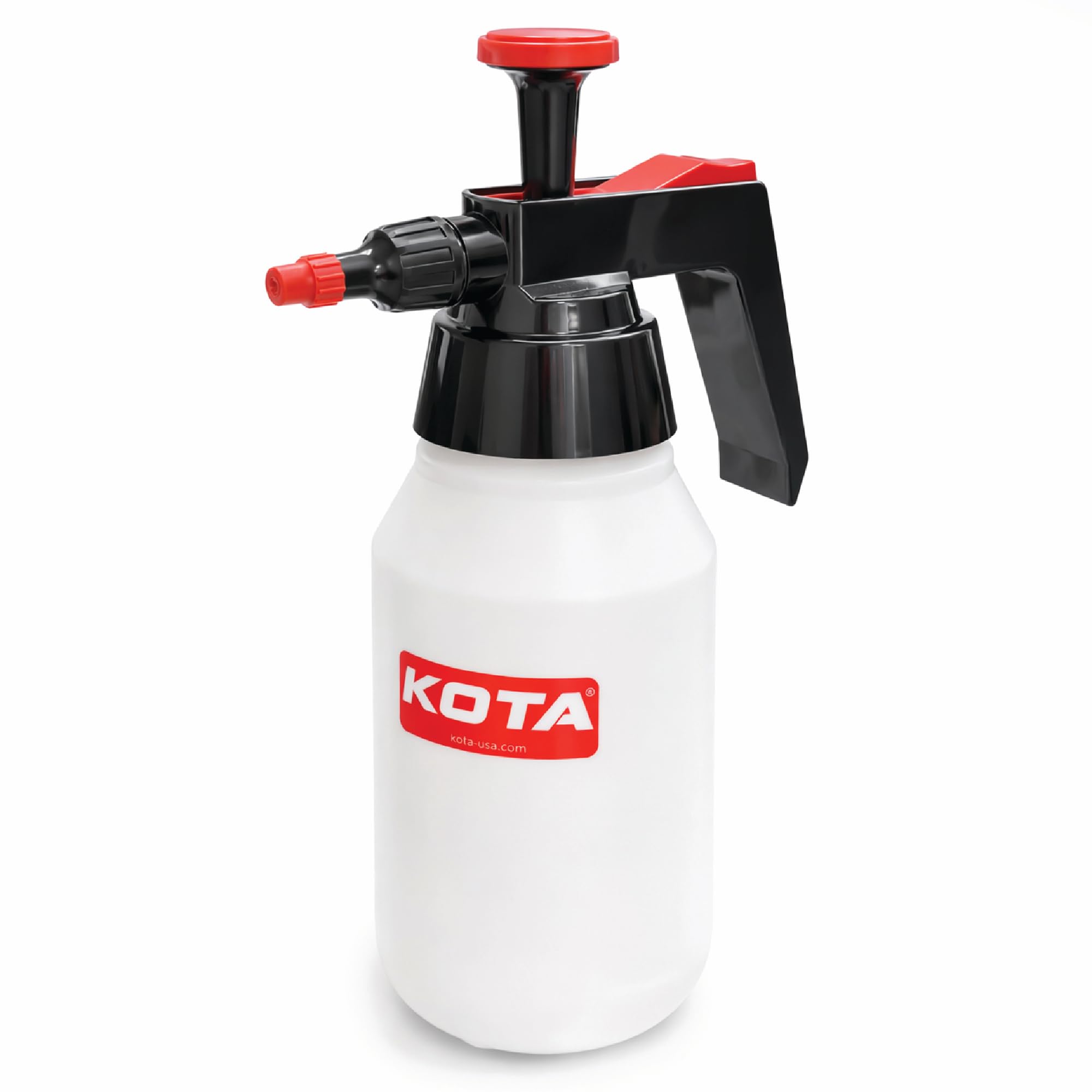
One to two gallon pump sprayers with chemical resistant seals cover patios, fences and outdoor furniture with fewer refills. Pump up the pressure, spray with the wand and release the pressure valve before opening the tank.
Which One Fits Your Job
A trigger bottle suits small jobs and easy storage, while a pump sprayer covers large areas. Check that the wand length suits your reach and that spare seals and nozzles are available for your model.
Getting the Choice Right
Choose a tank size you can lift comfortably when full, since a gallon of solution weighs more than eight pounds. Check that the nozzle reaches your usual surfaces without awkward stretching and that the pump handle feels comfortable after repeated strokes.
Practice with plain water first, away from plants and pets, to learn the spray pattern and pressure. Label the sprayer for bleach only and never store diluted bleach in it for long, because the solution weakens and slowly degrades seals.
Care and Everyday Use
Rinse the sprayer with clean water after every use, including the hose, wand and nozzle, then pump clean water through the system to flush residue. Leave the tank open to dry. Regular rinsing extends seal life and prevents clogging on the next job.
Inspect seals, hoses and nozzles before each use and replace worn parts promptly. Store the sprayer empty, out of direct sunlight and frost, and away from children and food areas.
Mistakes to Avoid
A common mistake is using an ordinary garden sprayer for bleach, which corrodes seals and leaks. Another is mixing bleach with other cleaners, which can create dangerous gases. A third is spraying on a windy day, which blows solution onto plants, skin and unintended surfaces.
Check a small hidden area before spraying surfaces that bleach can damage, such as colored fabrics, some metals and delicate stone. Wear gloves and eye protection and ventilate indoor areas well. If bleach contacts skin or eyes, rinse with plenty of water and seek medical advice if irritation persists.
Frequently Asked Questions
Can I use a normal garden sprayer for bleach?
It is not advisable, since bleach corrodes seals, hoses and metal parts in many garden sprayers, leading to leaks and early failure. A sprayer with bleach resistant materials lasts longer and is safer. Label it for bleach only and never reuse it for garden feeds.
What safety gear should I wear when spraying bleach?
Wear gloves, eye protection and old clothing, and work in a ventilated area outdoors or with windows open indoors. Avoid breathing the mist, and keep children and pets away until surfaces are rinsed and dry.
How do I dilute bleach for spraying?
Follow the bleach maker's instructions for the surface you are cleaning, since dilution varies by task and product strength. Use cold water, mix in a ventilated area and prepare only what you need for one job.
How should I clean a bleach sprayer after use?
Empty any remaining solution safely, rinse the tank with clean water and pump clean water through the hose and nozzle. Leave the tank open to dry and inspect the seals before the next use.
What size do I need for a patio?
A small patio or bathroom job suits a trigger bottle or a one gallon pump sprayer, while a large driveway or fence benefits from a two gallon model. Balance capacity against weight, because a full large tank is heavy to carry.
Final Thoughts
The best bleach sprayer uses bleach resistant materials, offers adjustable spray control and matches its size to your usual jobs. Compare the best bleach sprayers in the product table above, practice with water first, wear protective gear and rinse thoroughly after every use.