Best Computer Speakers for Listening to Music for 2026: What Your Money Really Gets You at Every Price
Disclosure: We may earn a commission when you buy through links on this page, at no extra cost to you. As an Amazon Associate I earn from qualifying purchases. Learn more

Compare the best computer speakers for listening to music by budget tier, driver size, tuning, and inputs, so your money goes to sound you hear.
Computer speakers run from under $30 to well past $500, and the price gaps are not random. Each tier buys specific things: bigger drivers, cleaner power, better tuning, and more useful inputs. This guide maps those tiers honestly so you can see where your money becomes sound and where it becomes decoration. The best computer speakers for listening to music for you sit at the tier where the gains match your room, your desk, and your ears.
Start with the tier profiles, then read what each price band really delivers. The comparison table below gives you the quick scan; the sections after it explain the reasoning.


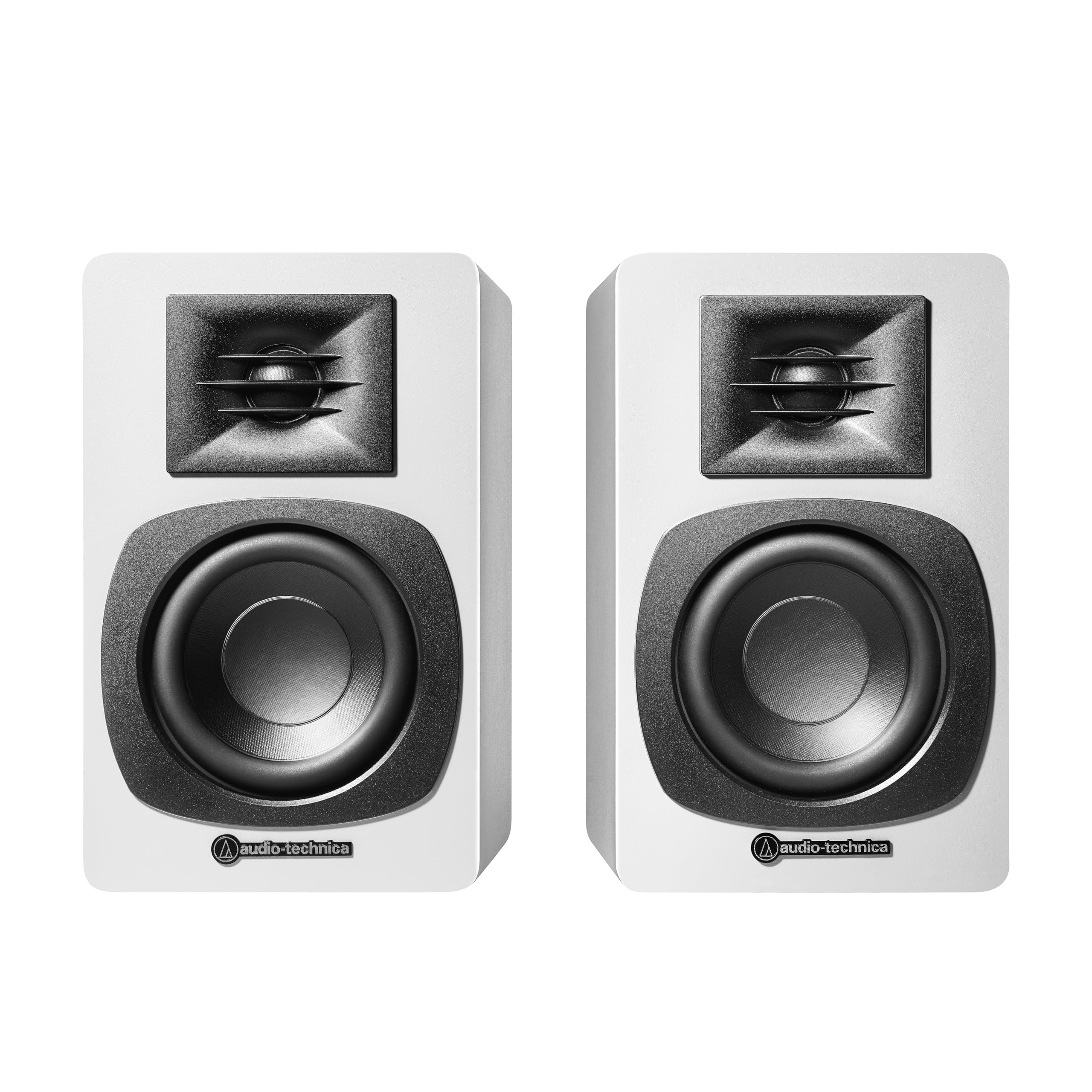
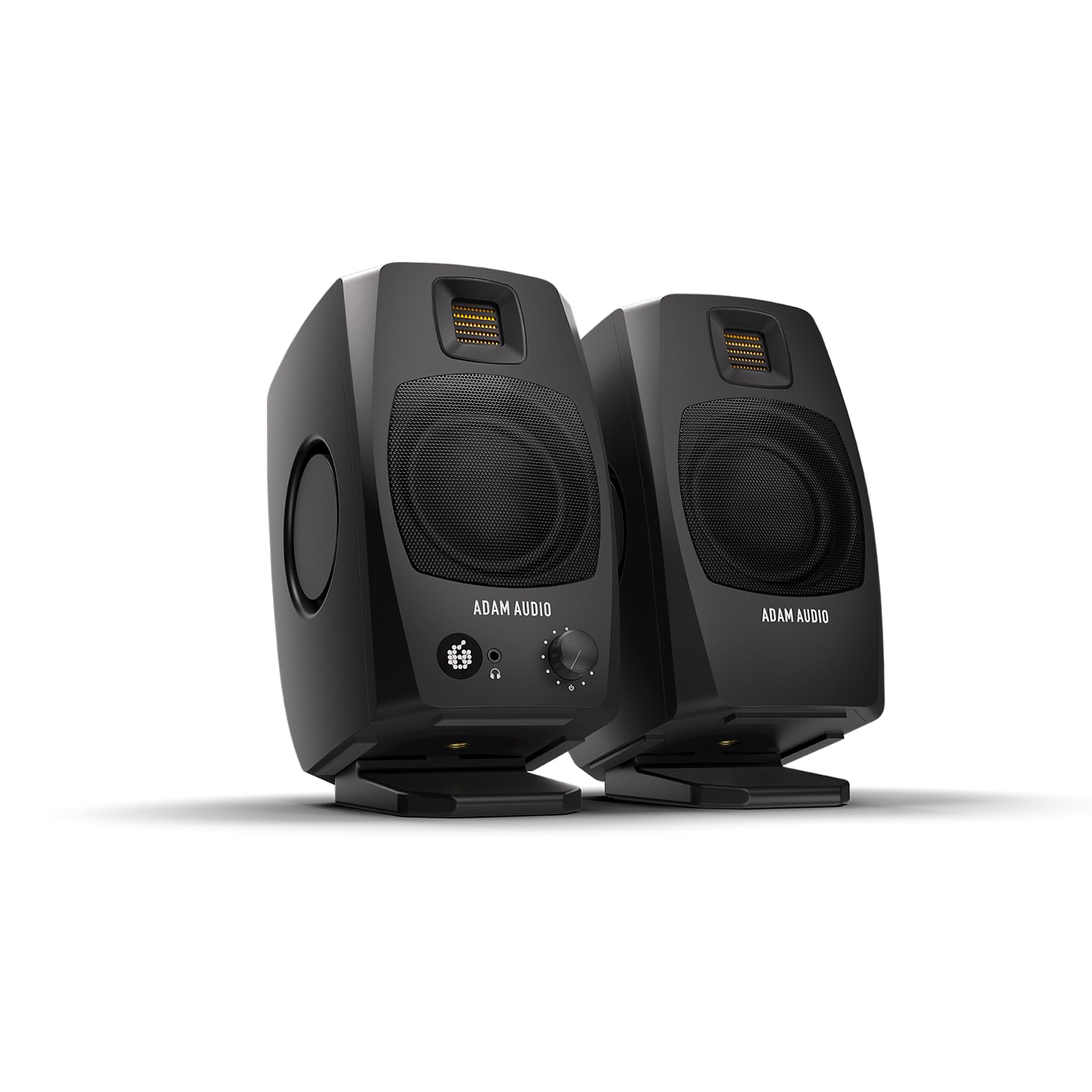
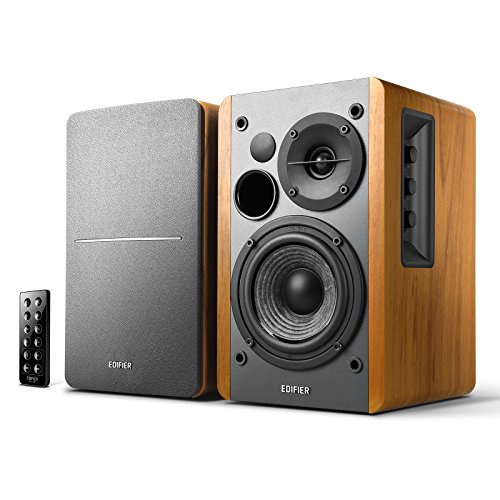
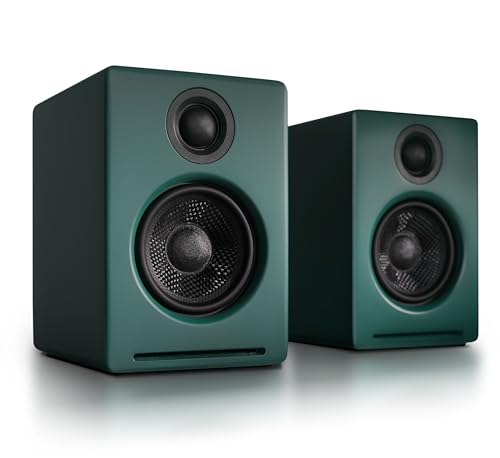

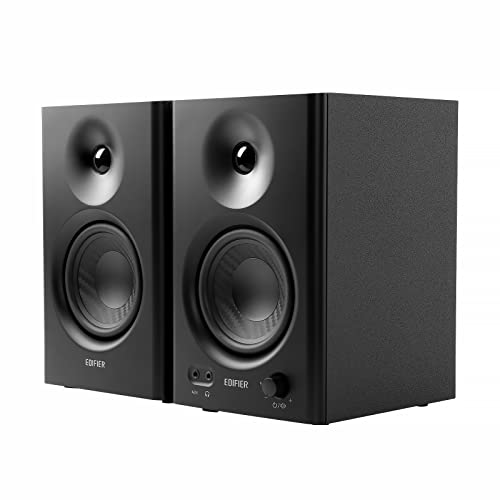
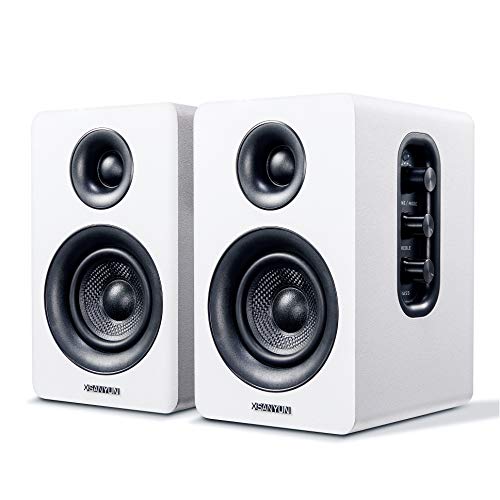

Three Profiles by Budget
Use these profiles to recognize a fair buy at each price, whatever brands appear in the table.
Best Budget Pick
The budget profile, around $30 to $80, is a compact powered pair with a single small driver per cabinet and basic analog input. It suits a small desk, a dorm, or a first upgrade from laptop speakers, and vocals and podcasts sound clear at near field distance. Strengths are size and simplicity. The honest limit is bass: small drivers cannot move much air, so kick drums and deep synth lines stay thin. Buy this tier for clarity at low volume, not for full range music.
Best Midrange Pick
The midrange profile, around $100 to $250, adds a separate woofer and tweeter in each cabinet, real amplifier power, and usually an optical or USB input. It suits most music listeners at a desk, across rock, jazz, electronic, and film scores. Strengths are balance and headroom: the sound stays composed when you turn it up. The limit is the very lowest bass and the finest detail, which still belong to the tier above. For most buyers, this profile ends the search.
Best Premium Pick
The premium profile, around $300 to $600, buys larger cabinets, higher quality drivers, careful tuning, and often balanced inputs or a built in digital converter of higher grade. It suits listeners who hear their desk system as their main system, in a treated or quiet room. Strengths are low end extension, stereo imaging, and build quality that lasts a decade. The limit is value at small desks: if your room is noisy or tiny, much of the extra refinement goes unheard.
What Your Money Gets You at Each Price Tier
Budget Tier: What to Expect
Expect plastic cabinets, modest power of roughly 5 to 15 watts per channel, and tuning that favors voices. That tuning is a sensible trade: at a desk, clear midrange matters more than deep bass for most listening. What you give up is volume headroom and low end weight. If your music leans on bass, save longer rather than buying this tier and replacing it within a year, because a fast replacement costs more than one patient purchase.
Midrange Tier: The Sweet Spot for Most Buyers
Here you gain wooden or dense composite cabinets that resist vibration, woofers near 4 to 5 inches, and silk or metal dome tweeters. Power climbs to roughly 25 to 50 watts per channel, enough for a bedroom or home office at satisfying volume. Inputs widen to optical, USB, and often Bluetooth, so the same pair serves a computer, a TV, and a phone. This tier also tends to add tone controls and a subwoofer output, two features that extend useful life for years.
Premium Tier: When Spending More Pays Off
Premium money pays off in extension and control. Larger woofers reach lower with less strain, amplifiers stay clean at high volume, and tuning aims for accuracy rather than excitement. You also gain placement flexibility, because better speakers tolerate imperfect desks with less boom. Spending more stops paying when the room becomes the limit: thin walls, a loud household, or a desk against a corner will mask premium detail, and that money serves you better in a subwoofer or basic room soft furnishings.
Features Worth Paying For (and Ones to Skip)
Sound Quality and Tuning
Sound quality starts with driver design and cabinet stiffness, not with watt claims. A frequency response range tells you little without a tolerance figure, but a maker who publishes one is signaling care. For music, favor a balanced tuning with a gentle bass lift over a dramatic V shape that buries vocals. If a listing leads with total watts and party light effects, expect the tuning budget to have gone elsewhere.
Features That Matter for Listening to Music
Music listening asks for stereo accuracy above all, because songs are mixed for two channels at a fixed seat. Look for matched pairs sold together, tweeters at ear height when seated, and a wide, stable soundstage. A subwoofer output matters if your taste runs to electronic or hip hop. Listeners comparing the wider field may find our guide to the best computer speakers for music useful, and those who also record or mix should note that our guide to the best computer speakers for music production applies stricter accuracy standards.
Noise Cancellation and Isolation
Speakers do not cancel noise; that is headphone technology, and listings that imply otherwise deserve skepticism. What helps music at a desk is isolation in the other direction: keeping speaker vibration out of the desk with foam pads or short stands, and keeping room noise down so you can listen at lower volume. Lower volume protects your hearing and your detail perception at once. If your room is loud, closed headphones for focus plus modest speakers for pleasure can beat one expensive speaker pair fighting the noise.
Comfort, Fit, and Weight
For speakers, comfort means fit on your desk. Measure cabinet width and depth against the space beside your monitor, and remember that rear ported cabinets need a few inches of breathing room behind them. Weight is a quiet quality signal: dense cabinets usually sound cleaner than feather light ones of the same size. Also check control placement, since a volume knob on the front or a small remote saves you reaching behind a cabinet daily. Shoppers tight on space can compare the best small speakers for music listening for compact cabinets that still tune for music first.
Connectivity (Bluetooth Version, Codecs, Wired)
Wired inputs carry the day for computer use. USB and optical avoid the noise and ground hum that plain analog cables can pick up from a PC. Bluetooth 5.0 or newer adds easy phone playback, and codec support like AAC or aptX improves wireless quality, though no codec closes the gap with a clean wired feed entirely. Multipoint pairing helps if you switch between a laptop and a phone. Latency only matters for video and games, and wired connections sidestep it completely, one reason the best speakers for music listening roundups still favor cables at the desk.
Long Term Costs to Factor In
The sticker price is not the whole cost. Budget for foam pads or short stands, decent cables if your pair ships with thin ones, and possibly a small subwoofer later if your taste in bass grows. Powered speakers draw modest electricity, but a pair left on all day for years adds up, so an auto standby feature has real value. Warranty length varies from one to five years; amplifier failure is the common repair, and a brand with a service network protects the premium tiers especially. Total those ownership costs before you stretch a tier.
Best Computer Speakers for Listening to Music: Your Questions Answered
What features matter most in computer speakers for listening to music?
Balanced tuning, a woofer and tweeter per cabinet, and a clean input matter most. One underrated feature is a front volume control paired with a headphone jack on the speaker itself, which turns the pair into a small desktop hub. That convenience shapes daily use far more than an extra lighting mode ever will.
What IP rating do I need for outdoor use?
Computer speakers are indoor products and almost none carry an IP rating at all. If a listing shows one, it usually describes a portable Bluetooth speaker instead, which trades stereo accuracy for weather resistance. For a patio, buy a speaker made for outdoors and keep your desk pair inside, where humidity and dust will age drivers and amplifiers early.
How long does the battery last?
Desk speakers run on mains power, so there is no battery to rate. If long untethered play matters, you are looking at the portable category, where play time runs roughly 8 to 20 hours by size. For pure music quality at a fixed seat, mains power wins, because amplifier output never has to be rationed to save a charge.
Is ANC worth the extra cost?
Active noise cancelling is a headphone feature, so on speakers it is not worth any cost at all. Spend that money on placement and pads instead. If outside noise ruins your listening, the practical fix is listening at quieter hours or adding soft furnishings that lower the room noise floor, both of which improve every song you own at once.
Wired or wireless: which sounds better?
Wired sounds better in most desk setups. A USB or optical feed avoids compression and the low hiss some Bluetooth receivers add at idle. Wireless wins on convenience for phone listening across the room. Many midrange pairs offer both, so use the cable for your computer and Bluetooth for casual phone playback and lose nothing either way.
Do I need a special codec?
No special codec is required for good music at a desk. Standard Bluetooth audio sounds fine for casual listening, and AAC or aptX support is a bonus when your phone or laptop offers it. Your money does more work in driver quality and cabinet build. Think of codecs as the last few percent, worth having free, rarely worth paying a tier to get.
Final Thoughts
Choose your tier by room and habit: budget for clarity at close range, midrange for the balanced sound most listeners keep for years, premium when your room is quiet enough to hear refinement. However you decide, the best computer speakers for listening to music are the pair whose limits you will never meet in daily listening. Check your finalists in the product table above and trust the tier logic over any single spec.