Best Bookshelf Speakers for Music Listening: Tune the Sound to How You Listen for 2026
Disclosure: We may earn a commission when you buy through links on this page, at no extra cost to you. As an Amazon Associate I earn from qualifying purchases. Learn more

Best bookshelf speakers for music listening depend on how you listen: background play, focused evenings or both. Match tone, room and source to your habits.
People listen to music in two very different ways. Sometimes it plays quietly while you cook or work, and sometimes you sit down and give an album your full attention. The best bookshelf speakers for music listening in your home are the ones that suit the way you do both, and that is rarely the same as the pair with the longest feature list.
Use the product table to compare compact pairs across prices. This guide helps you decide what tone, size and connection to look for, based on your habits rather than on spec sheet numbers alone.

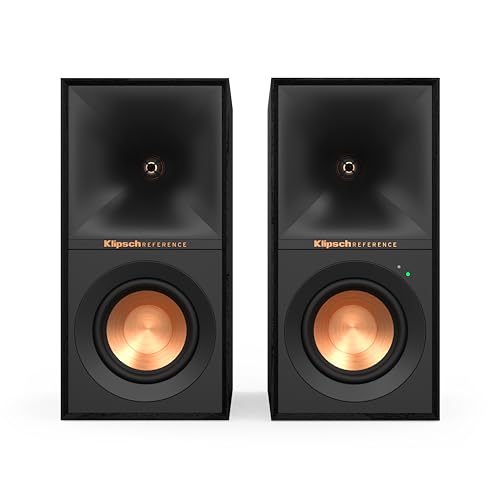

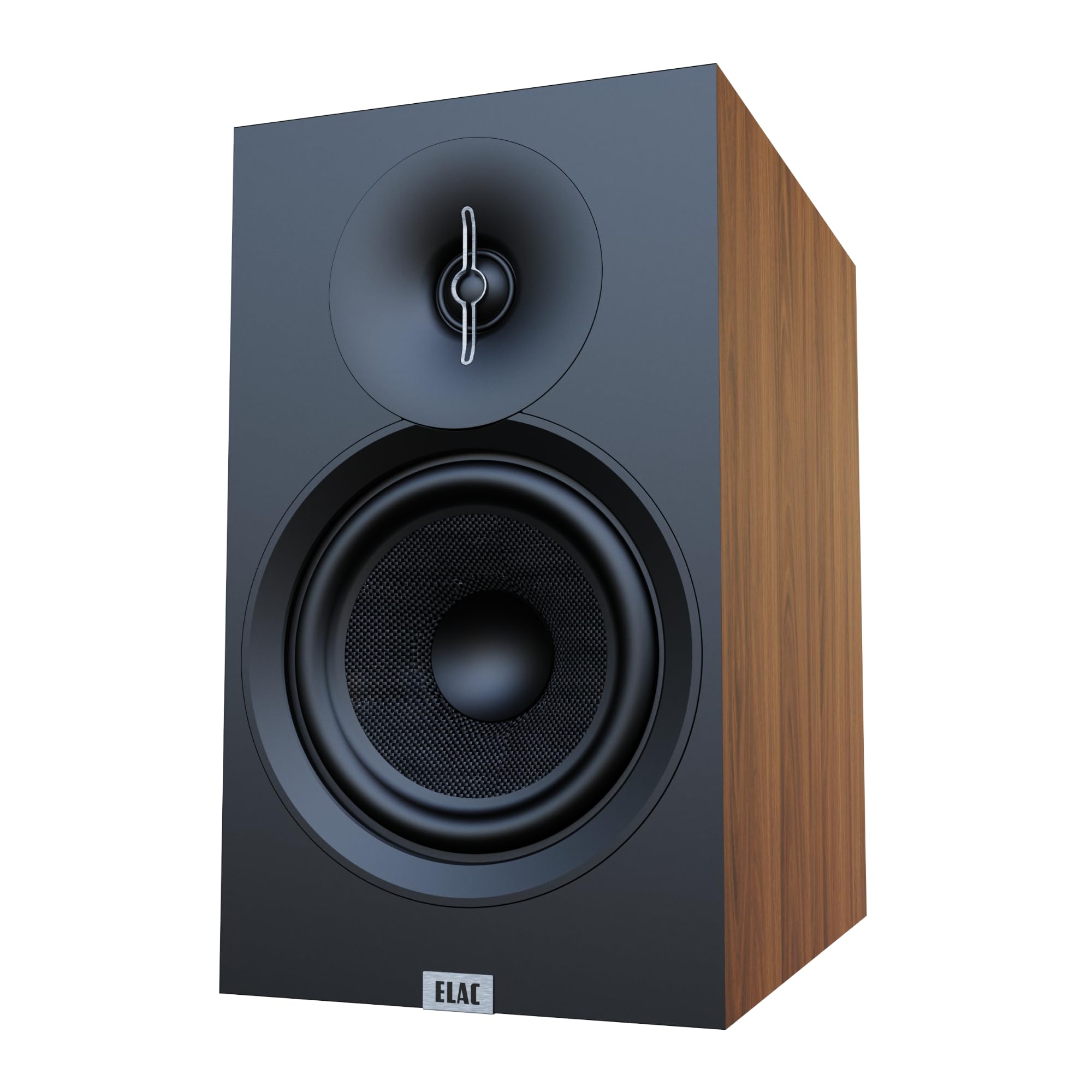
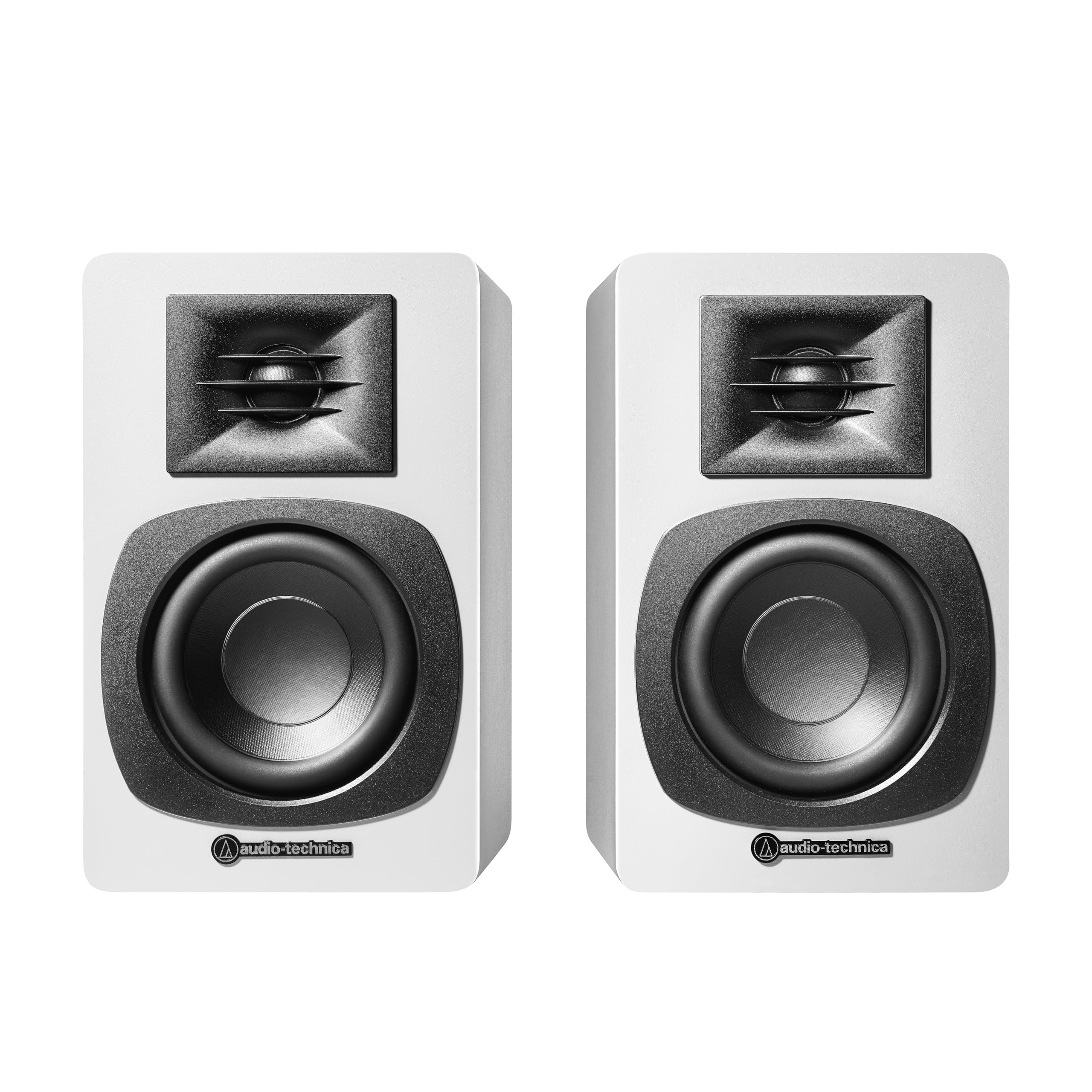


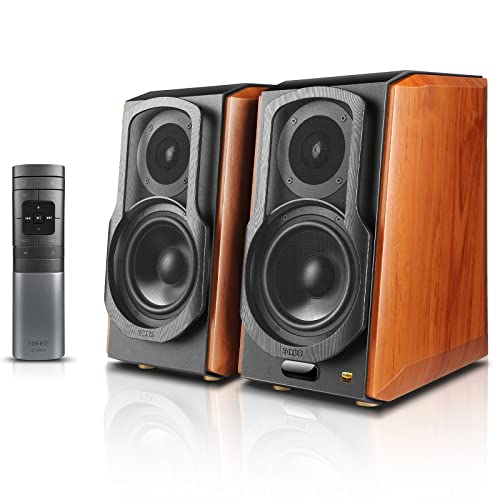

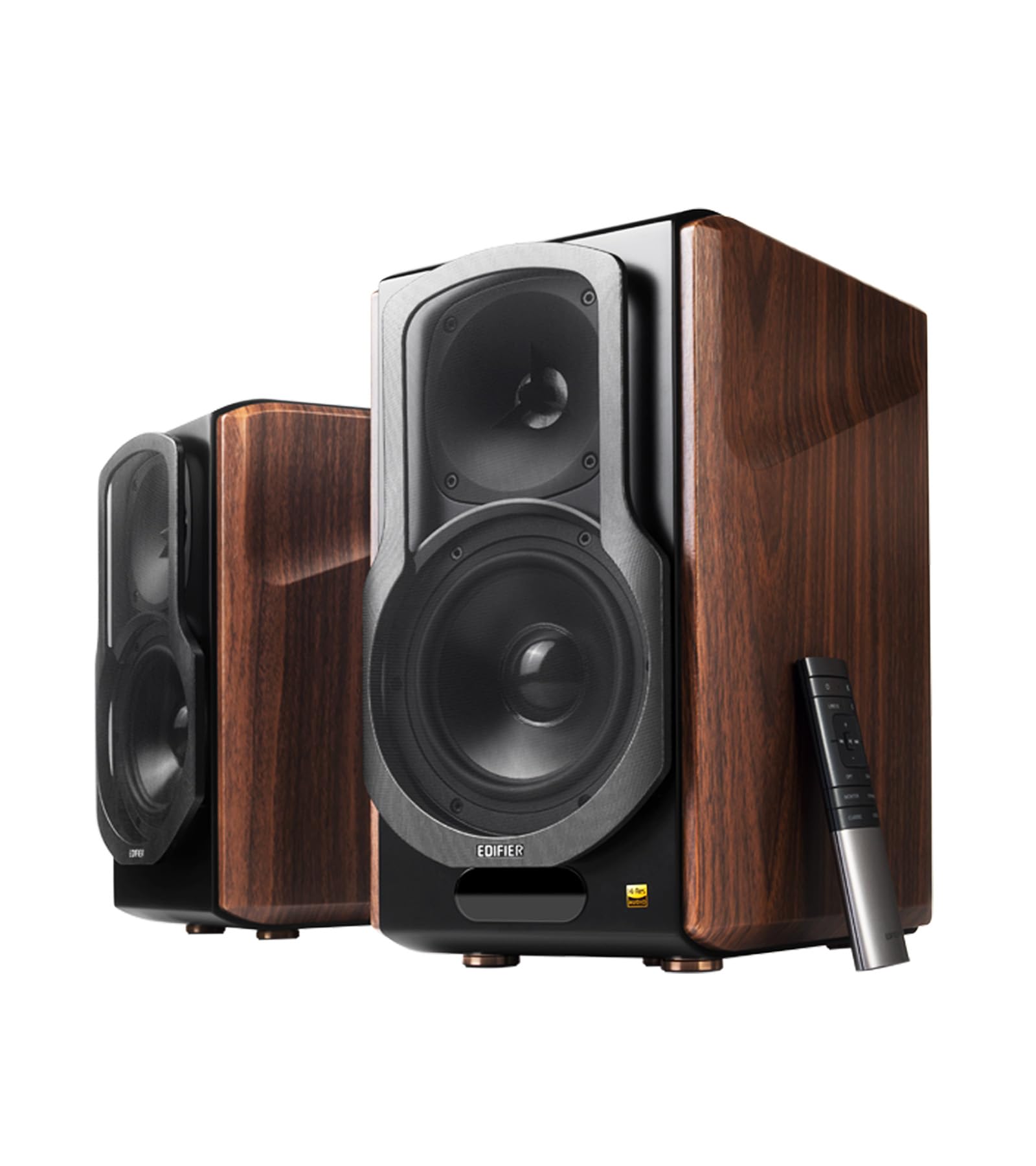
Background Listening Versus Focused Sessions
Background listening rewards a smooth, easygoing sound. You want vocals to stay clear at low volume and harsh treble to stay out of the way, since you will hear the speakers for many hours. Focused sessions reward detail and dynamics: the snap of a snare, the grain of a cello, the quiet before a chorus.
Most households do both, so aim for a pair that is neither fatiguing nor dull. A gentle tweeter and a firm, controlled midrange cover the largest range of listening styles.
Reading the Tone of a Speaker
Warm and forgiving
Warm pairs soften bright recordings and flatter acoustic music, jazz and older albums. They are comfortable but may hide fine detail in busy mixes.
Neutral and revealing
Neutral pairs show recordings as they are. Great recordings sound superb, and rough ones sound rough. This suits listeners who enjoy dissecting the music.
Lively and bright
Lively pairs have extra sparkle that suits pop and rock at moderate volume, though the treble can tire the ears during long sessions.
Size, Bass and the Room You Have
A small room cannot use a big cabinet. Large woofers in a tight space produce boom that muddies everything. A compact pair with tidy bass often sounds better in a bedroom or study than a larger model that overloads the room.
In a larger living room, a bigger cabinet or a pair with more power fills the space with fewer strain signs. Match the speaker to the volume of the room, and remember that a subwoofer can be added later if you want deeper low notes.
Choosing the Source Before the Speaker
How you play music affects which speaker is best. Streaming from a phone points toward a powered pair with Bluetooth or a network input. A CD player or turntable points toward inputs such as RCA. A computer points toward USB or optical. Passive pairs need an amplifier, so count that cost in the total.
- Phone and streaming services: Bluetooth or wireless powered pairs.
- Existing stereo amplifier: passive pairs with a matching power range.
- Mixed sources: powered pairs with several inputs and a remote.
Getting More From the Best Bookshelf Speakers for Music Listening
Placement is the cheapest upgrade. Put the speakers on stands at ear height, a little away from the walls, and angle them gently toward your seat. Sit where you listen most and check that voices appear between the speakers instead of drifting to one side.
Rooms with bare floors and walls sound harsher than rooms with rugs, curtains and bookcases. A few soft items often tame bright treble more effectively than a speaker change.
Price Levels and What They Buy
Entry priced pairs give you clear sound for everyday playing. Mid priced pairs add better drivers, a smoother tone and sturdier cabinets. Higher priced pairs refine imaging and detail and often include features such as wireless streaming. The jump from entry to mid priced is usually the most audible, and gains after that become smaller.
If you also watch television through the same pair, look at our guide to the best bookshelf speakers for music for another take on tone and amplifier matching.
Streaming, Files and Physical Media
Your library shapes the speaker. Compressed streams are forgiving, so a warm pair can make them pleasant. High resolution files and CDs reveal more, which rewards a clearer, more neutral speaker. If you mostly stream through a phone, put money into a pair with a reliable wireless input. If you own a CD player or network streamer, a wired connection keeps the signal clean and avoids dropouts.
Whatever the source, set the volume on the source to a high but undistorted level and use the speaker or amplifier knob for loudness. That keeps noise low and gives the amplifier a healthy signal.
Making a Small Room Sound Bigger
Small rooms exaggerate bass and reflect treble. Pull the speakers a few inches from the walls, avoid corners and aim them at your ears. Add a rug or curtains if the room echoes. If bass stays heavy, try a different shelf position before blaming the speakers, since moving them a hand width can change the low notes dramatically.
Sit at the corner of an imaginary triangle with the speakers. Slight toe in sharpens the center image, and a slightly wider angle gives a more open feel. Try both with a favorite album and keep the one that makes voices feel natural.
Frequently Asked Questions
Do I need an amplifier?
Only for passive pairs. Powered pairs have one built in. Check the product details to see which type you are buying.
What size room suits bookshelf speakers?
Small and medium rooms suit them best. Very large rooms may need more power or a subwoofer for full sound.
Can I use them for movies too?
Yes. A good pair improves dialogue and music scoring, and many have inputs for a television.
How long should I break them in?
A few dozen hours of ordinary playing lets the drivers settle. Judge the sound after that period, not in the first minutes.
Final Thoughts
Decide how you listen, choose a tone you can live with and plan the source before you buy. That approach finds the best bookshelf speakers for music listening in your own room instead of on a ranking list. Compare the pairs in the product table above and give any new pair a week of familiar music before deciding.