Best Computer Speakers for Music under 100 of 2026: Complete Buying Guide
Disclosure: We may earn a commission when you buy through links on this page, at no extra cost to you. As an Amazon Associate I earn from qualifying purchases. Learn more
Learn how to choose the best computer speakers for music under 100 dollars with guidance on drivers, tuning, connections, placement, and real value.
Good music at a desk does not require a big budget, but it does require honest expectations. Under $100, the gap between a satisfying system and a tinny one comes down to driver size, tuning, and placement. This guide shows you how to find the best computer speakers for music under 100 dollars for your space and listening habits.
Use the buying guide below to set your priorities first. Then check the comparison table below to see which styles match them at this price.

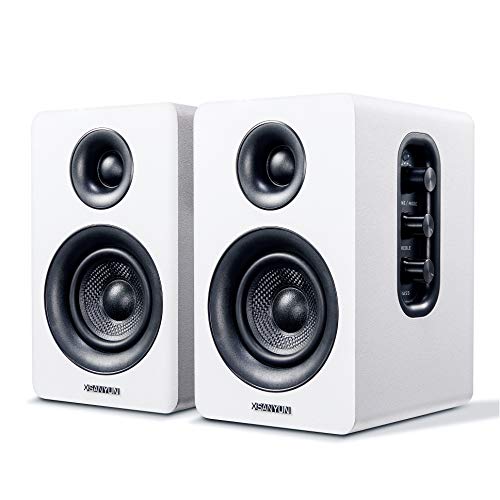
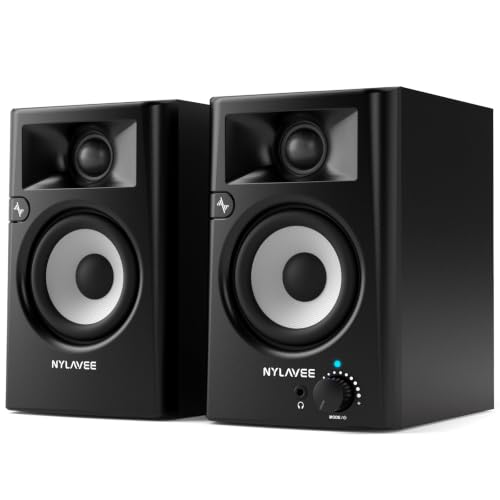
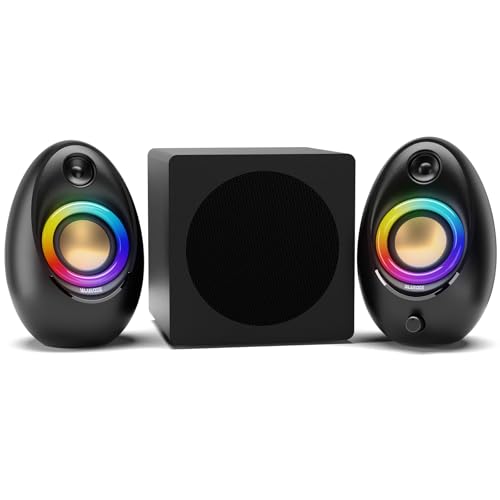
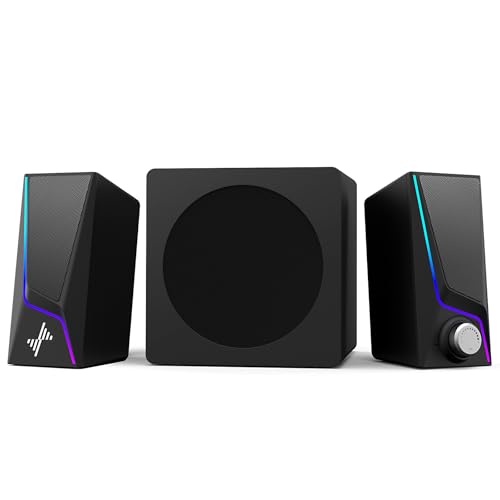
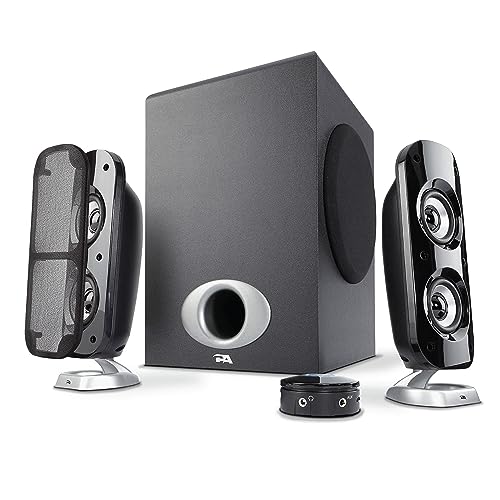

Three Budget Tiers at a Glance
At this price, tiers describe what your money buys in general terms. Judge any model in the product table above against the tier it falls into.
Best Overall Tier
Spending around $80 to $100 usually brings the strongest music performance in this guide. Expect larger drivers near 3 to 4 inches, a wooden or well braced cabinet, and enough power for a bedroom or home office at comfortable volume. Tone controls or a simple equalizer often appear at this level. If music is your main use and the budget allows one step up, this tier is where that step pays off most clearly.
Best Value Tier
Around $50 to $80, you trade some bass depth and maximum volume for a much lower price. Many systems here still deliver clear vocals and pleasant balance for daily listening, especially placed close to you on a desk. Look for a wired USB or analog connection and skip decorative lighting, which adds cost without sound. This tier suits most casual listeners well, particularly in smaller rooms where high volume is never the goal.
Best Upgrade Path Tier
Around $30 to $50, treat speakers as a starting point rather than a final system. Sound will be a clear step above laptop speakers, with better clarity and stereo separation, but bass will be light and cabinets small. Choose this tier when money is tight today, and favor models with standard connections so nothing else needs replacing later. Placement close to your ears and a slight upward angle will do more for these speakers than any setting.
How to Choose the Best Computer Speakers: Buying Guide
This is the heart of the decision. Work through each point with your own desk, room, and music in mind, and you will narrow the field quickly. Shoppers comparing the wider budget field may also find our guide to the best computer speakers under 100 useful for general use beyond music.
What You Can Realistically Get Under $100
Under $100 you can get enjoyable, balanced music in a small to medium room, and that is a fair expectation. What you give up is deep bass below about 60 to 70 Hz, very high volume without strain, and premium materials. Do not save money on the basics: a stable wired connection, drivers of decent size, and a cabinet that does not rattle. Those three decide daily satisfaction far more than extra inputs or lighting effects at this price.
Features That Matter for Music
Music rewards a smooth frequency response across the range you actually hear, roughly 70 Hz to 18 kHz in this class. Drivers around 3 inches or larger handle voices and guitars with more body than tiny 2 inch units. A separate tweeter, where offered, adds clarity to cymbals and strings. Stereo separation matters too, so choose systems whose speakers can spread at least three feet apart on your desk. That spread is what turns flat sound into a real stereo image.
Sound Quality and Tuning
Aim for balance rather than boom. Bass boosted tuning flatters a quick demo but tires your ears and buries vocals during long sessions. Listen, in your mind, for how a system should treat a singer you know well: the voice should sit forward and clear, with bass supporting rather than leading. Simple bass and treble knobs are valuable at this price because rooms differ. A small treble trim can calm a bright desk setup near a wall.
Microphone Quality
Speakers in this class almost never include a microphone, so plan to use your laptop mic or a separate headset for calls. What matters for music buyers is that playback of voices stays clear when a song or a call comes through. A headphone jack with automatic muting is a genuinely useful extra, letting you switch to private listening at night without unplugging anything. Judge that convenience, not a microphone the product was never meant to have.
Durability and Water Resistance (IP Rating)
Budget desk speakers rarely carry an IP rating, and for indoor music use they do not need one. Build quality shows instead in cabinet weight, grille coverage that protects the drivers, and cables that feel sturdy at the connectors. Keep drinks a safe distance away, since unrated speakers and liquid do not mix. If you truly need sound near a pool or patio, that is a different product category with sealed designs and higher prices.
Noise Cancellation and Isolation
ANC belongs to headphones, not speakers, so no model in this guide can cancel your room noise. Your practical tools are volume placement and timing: nearfield listening at moderate volume lets music stay clear without fighting household sounds. Soft items near the desk, such as curtains, also reduce reflections that make budget speakers sound harsh. Spend nothing chasing a cancellation claim on a speaker; spend attention on where the speakers sit.
Battery Life and Charging
Most computer speakers under $100 draw power from USB or a wall adapter and have no battery to manage. That is good news for music, because output stays consistent and there is nothing to recharge before a session. The portable few with batteries trade cabinet size and power for mobility, which usually costs sound quality at the same price. Unless you must move the speakers between rooms daily, choose powered models and enjoy the simpler setup.
Types of Computer Speakers
Three broad styles appear at this price. Knowing which style fits your routine prevents the most common disappointment, which is buying a design meant for a different job. If your space is especially tight, our guide to the best small computer speakers under 100 focuses on compact footprints.
Outdoor and Rugged Models
Rugged portable models seal their cabinets against water and dust and run on batteries. They suit patios and travel, but at this price their small drivers and sealed boxes limit bass and stereo width at a desk. Choose one only if the same speaker must serve outdoors often. For a fixed desk, a powered bookshelf style system almost always sounds better for the same money.
Noise Cancelling Models
There are no true noise cancelling speakers, so this label at any price should prompt skepticism. What sellers sometimes mean is a speaker with a microphone for calls, or simple sound masking. If quiet focus is your goal, headphones handle that job. For open speakers, judge tuning and placement instead, and treat any cancellation wording in a listing as marketing rather than a feature you can use.
Gaming Models
Gaming styled speakers add lighting and aggressive shapes, and some include virtual surround processing. For music, check whether that processing can be switched fully off, because it often colors the sound. The underlying drivers can be perfectly decent, so do not dismiss the style outright. Just make sure you are paying for cabinet and driver quality, not for lights you will ignore after the first week.
Tips to Get the Most From Your Computer Speaker
- Raise the speakers so the tweeters point near your ears, using books or small stands you already own.
- Pull them a few inches from the wall to reduce boomy bass from boundary reflections.
- Keep volume below the point of audible strain, since budget amplifiers distort early at maximum.
- Use the wired connection for music, and save Bluetooth for casual phone playback.
- Dust grilles gently and keep cables untangled so connections stay clean and quiet.
- Try an equilateral triangle between you and the two speakers for the strongest stereo image.
Listeners who want stronger low end for films as well as songs can compare our guide to the best computer speakers with subwoofer under 100 for that specific layout.
Best Computer Speakers for Music Under 100: Your Questions Answered
Can you get a good computer speaker under $100?
Yes, you can get genuinely enjoyable music under $100 for a desk or small room. The key is choosing balanced tuning and decent driver size over flashy extras. You will not get deep cinema bass or party volume, but clear vocals, real stereo, and pleasant tone are all realistic at this price.
What features matter most in computer speakers for music?
Driver size, balanced frequency response, and cabinet quality matter most for music. They decide whether voices sound natural and whether bass stays tidy. A wired connection and simple tone controls follow close behind. Extra lighting, novelty shapes, and long feature lists add little to how a song actually sounds at your desk.
What IP rating do I need for outdoor use of a computer speaker?
You need a clearly stated rating such as IP67 before using any speaker outdoors, and most budget desk models have none. An IP67 design resists dust and brief immersion, which covers patio use and sudden rain. Without a rating, keep the speaker indoors and dry, because moisture damage is rarely covered by a warranty.
Do I need a special codec for music on computer speakers?
No special codec is needed, especially if you connect by USB or analog cable, which bypasses codecs entirely. Over Bluetooth, standard support is fine for casual listening at this price. Your money and attention do more good aimed at driver size and placement, which change the sound far more than codec differences you may never hear.
How long does the battery last in computer speakers under $100?
Most models in this class have no battery and run on USB or wall power, so runtime is unlimited. Portable models that do include a battery typically play about 8 to 15 hours at moderate volume. Higher volume shortens that quickly. For a fixed desk, powered models are simpler and usually sound better for the price.
Is ANC worth the extra cost on a computer speaker?
No, because ANC works at your ears through headphones and cannot quiet a room through speakers. Any speaker listing that leans on cancellation language deserves a careful second read. Put the savings toward larger drivers or better placement instead. Those changes improve every song, while a cancellation claim on a speaker improves none.
Wired or wireless: which sounds better for music?
Wired sounds better, with full detail, stable connection, and no delay. Wireless adds freedom to play from a phone across the room, which many people enjoy daily. A good compromise is a speaker with both: wired for your computer music sessions, Bluetooth for casual listening. Our guide to the best music speakers under 100 explores music first options beyond computer desks.
The Bottom Line
Under $100, balanced tuning, decent drivers, and smart placement decide your music more than any feature list. Set your tier, place the speakers well, and compare your finalists in the product table above. Choose the best computer speakers for music under 100 dollars that fit your desk and your ears, and our guide to the best computer speakers under 100 dollars offers one more cross check before you decide.