Best Computer Speakers for Guitar: The Buyer Checklist for 2026
Disclosure: We may earn a commission when you buy through links on this page, at no extra cost to you. As an Amazon Associate I earn from qualifying purchases. Learn more

Use this buyer checklist for the best computer speakers for guitar, covering flat tuning, low latency, inputs, power, and honest specs you can trust.
Playing guitar through a computer changes what a speaker must do. Amp modeling software, lesson videos, and backing tracks all sound wrong on speakers that hype the bass or hide detail, and a small delay between your hands and the sound can ruin your timing. This checklist shows how to judge the best computer speakers for guitar by the criteria that actually matter for practice and recording. Work through each section, compare your shortlist against the comparison table below, and you will know exactly which trade offs you are accepting before you pay.

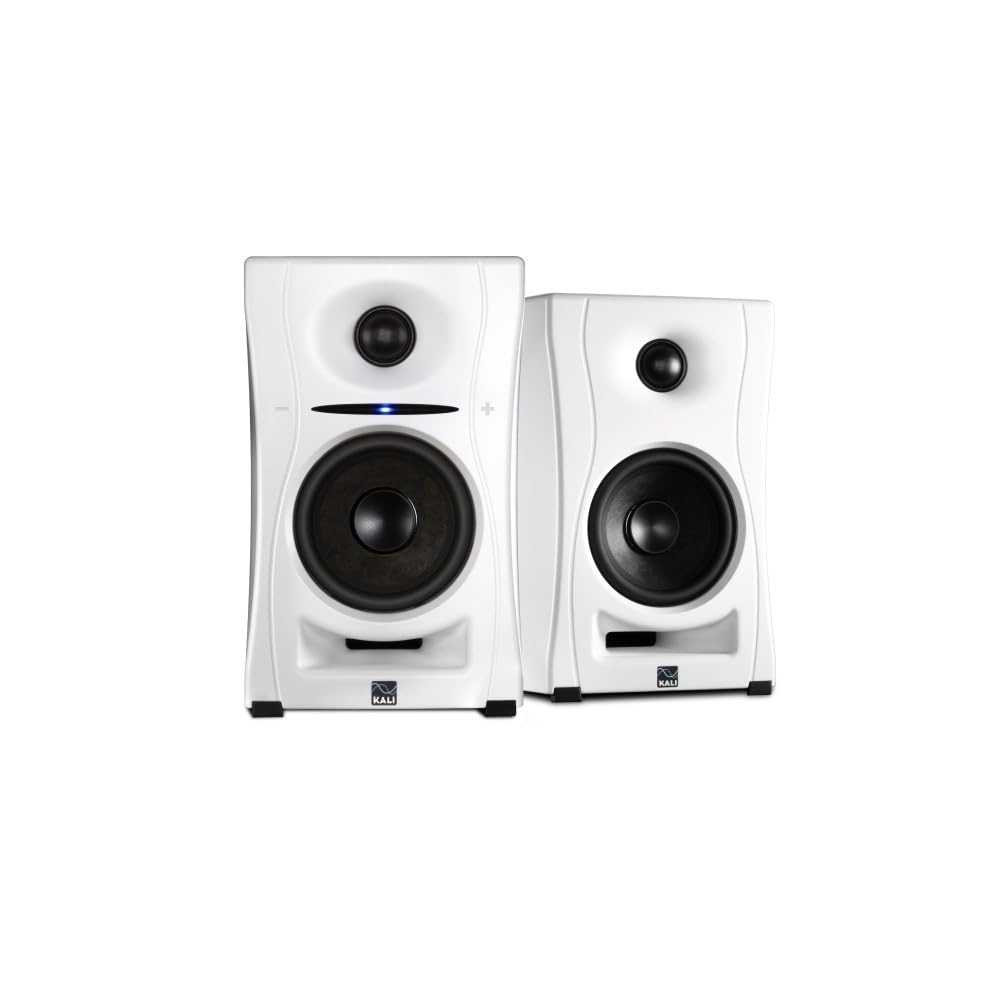

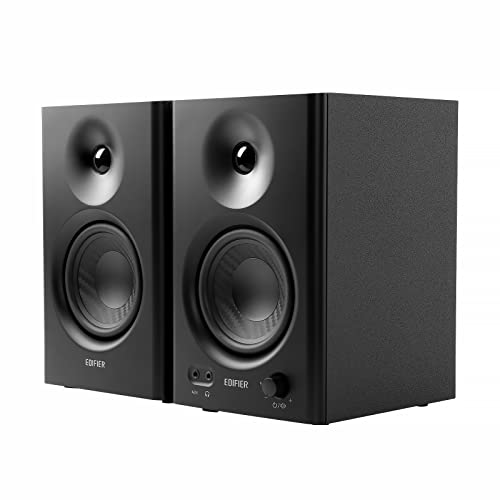
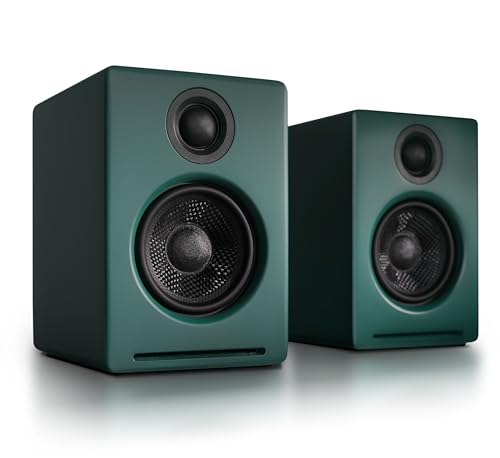


How We Evaluate Computer Speakers
Every criterion below comes with a plain threshold, so you can score a product page in minutes. Guitar playback rewards accuracy over excitement. A speaker that flatters recorded music often colors your tone and hides mistakes you need to hear while practicing. Keep that goal in mind as you read, because several popular features score poorly for guitar even though they look impressive in a listing.
Features That Matter for Guitar
Guitar through a computer needs three things most music speakers ignore. First, a wired connection with low delay, because even a small lag between strumming and hearing breaks your feel. Second, honest midrange detail, since the guitar lives in the middle frequencies where notes, pick attack, and amp character sit. Third, a headphone output for late practice. Aim for speakers that list a USB or analog input, publish a frequency response range, and keep signal processing minimal or switchable.
Sound Quality and Tuning
Look for a flat, neutral tuning rather than a bass boosted one. A published frequency response that stays close to even from about 80 Hz upward tells you the maker aimed for accuracy, while vague claims about deep bass usually signal a smile shaped curve that scoops out the mids. Driver size matters less than balance, but drivers around 3 to 4 inches generally reproduce guitar body and string detail more convincingly than tiny 2 inch drivers. Our guide to the best sounding computer speakers explains how tuning choices change what you hear across all kinds of playback.
Microphone Quality
Most computer speakers have no microphone at all, and that is fine for playback. Microphone quality only enters the picture if you record vocals, take online lessons, or talk while you play. In those cases the microphone belongs in a separate device, such as an audio interface with a proper mic input, because a speaker cabinet is the wrong place for a mic and picks up vibration and room echo. Treat any speaker that advertises a built in microphone as a convenience for calls, not a recording tool.
Noise Cancellation and Isolation
Speakers do not cancel noise the way headphones do, so skip ANC claims entirely when you shop for guitar playback. What matters instead is isolation in the other direction, meaning how much speaker vibration reaches your desk and how much room noise masks quiet passages. Rubber feet or small foam pads under the cabinets reduce desk rattle on loud notes. If your room is noisy, the honest fix is lower volume at a closer distance, or headphones for detail work.
Battery Life and Charging
Most desk speakers for guitar plug into the wall, and that is a strength, because steady power means consistent volume and no battery anxiety during a long session. Battery models exist for portable practice, and they typically run about 8 to 20 hours at moderate volume. Check the charging standard before you buy, since a speaker that charges over USB C can share a cable with your other gear. For a home practice corner, choose plug in power and spend the savings on better drivers.
Ecosystem and App Features
An app or control software earns its place when it offers a simple equalizer and firmware updates, nothing more. A three band equalizer lets you tame a boomy corner placement without buying new gear. Firmware updates can fix USB compatibility quirks with newer operating systems, which matters when your whole rig depends on one connection. Avoid speakers that lock basic functions behind an account. Volume, input choice, and tone controls should all work from the cabinet or your computer alone.
Durability and Water Resistance (IP Rating)
A practice speaker lives a gentle life compared with outdoor gear, so durability means solid cabinets, firm controls, and cables that survive being moved around a desk. Water resistance ratings such as IPX4 or IP67 only matter if you practice near a pool or take the speaker outside, and sealed rugged designs often sacrifice the fine detail guitar needs. For most players, a well built wooden or dense plastic cabinet with a protective grille beats a waterproof rating every time.
What Passing the Checklist Looks Like at Each Price Tier
The Balanced Tier
A balanced setup, usually around $150 to $300, pairs neutral tuning with a USB input and a headphone jack, which covers practice, recording playback, and lesson videos without strain. Expect drivers large enough to fill a bedroom or small studio at comfortable volume. The limitation at this level is deep low end. Drop tuned guitars and bass heavy backing tracks will sound thinner than they would through a larger system, so judge this tier on clarity rather than weight.
The Value Tier
Value setups under about $150 can absolutely pass the checklist if you prioritize the right things. Look for an honest midrange, a wired input, and controls on the front of the cabinet. You give up some volume, some low end, and often the USB input, which means relying on your computer headphone output. Players watching every dollar can compare options in our guide to the best inexpensive computer speakers, then apply the same tuning and latency checks before choosing.
The Compact Tier
Compact speakers suit a crowded desk or a laptop practice setup that moves between rooms. A single small cabinet or a mini pair keeps your tone reference close to your ears, which actually helps practice at low volume. The trade off is stereo width and bass, both of which shrink with cabinet size. If you play along with full band tracks often, plan to add low end later. Our guide to the best computer speakers with subwoofer explains when a subwoofer helps and when it just muddies guitar tone.
Quick Buyer Checklist
- Does the speaker offer a wired USB or analog input with no forced Bluetooth step?
- Is the tuning described as flat or neutral rather than bass boosted?
- Does the maker publish a real frequency response range and driver size?
- Is there a headphone output on the front for quiet practice?
- Can you turn off sound effects, surround modes, and dynamic processing?
- Do the cabinets fit your desk with a clear path to your ears?
- Is the warranty at least one year, with support from a reachable maker?
Red Flags to Watch For
Vague specifications are the biggest warning sign. A listing that shouts about wattage but hides driver size and frequency response wants you to buy the number, not the sound. Watch for missing latency information on wireless models, since a maker proud of low delay will say so. Be skeptical of review counts that praise everything in identical language, and of prices that swing wildly week to week. A very short warranty, under 90 days on a powered speaker, suggests the maker does not expect the product to last.
How to Make Your Computer Speaker Last Longer
Keep firmware updated so USB and Bluetooth behavior stays stable as your computer system changes. Store portable models in a case to protect the drivers, and keep cables loose rather than tightly wrapped, because repeated tight bends break the fine wires inside. Dust the cabinets with a dry cloth and keep drinks on the other side of the desk. Powered speakers also last longer when you switch them off at night instead of leaving the amplifier warm around the clock.
Best Computer Speakers for Guitar: Your Questions Answered
What features matter most in computer speakers for guitar?
Low delay wired input, neutral tuning, and a headphone output matter most. Guitar is unforgiving about timing, so a cable connection always beats Bluetooth for live playing through amp software. One extra point is gain staging. Keep the speaker volume high and your software output moderate, because driving a small amplifier from a maxed out software slider can add harsh distortion that sounds like a broken amp model.
Wired or wireless: which sounds better?
Wired sounds better for guitar, and the gap is about timing more than tone. Bluetooth adds delay that you can feel in your fingers, even when the audio quality itself is decent. Wireless is fine for watching lesson videos or playing along with tracks where you are not the live source. If a speaker offers both, use wireless for media and the cable for practice, and you get the best of both habits.
How long does the battery last?
Battery powered practice speakers generally last about 8 to 20 hours per charge at moderate volume. Loud playing along with full tracks drains them much faster, sometimes in half the quoted time. A useful check before buying is whether the speaker works while charging. Models that play and charge at once suit a practice corner, because a low battery never forces you to stop mid session.
Do I need a special codec?
No special codec will fix guitar delay, because every Bluetooth codec adds some processing time. Codecs change audio quality and delay in small amounts, but none reach the instant response of a cable. If wireless is your only option for a lesson, choose the codec with the lowest delay that both your computer and speaker support. For recording or serious practice, treat the cable as part of the instrument.
What IP rating do I need for outdoor use?
IPX4 covers light splashes if you practice on a covered porch, and IP67 covers rain and dust for true outdoor use. Most guitar speakers carry no rating at all, because their open ports and paper based drivers are built for indoor air. If outdoor playing matters to you, that is a job for a dedicated portable amp or a rugged speaker, a different category from the accuracy focused models in our guide to the best guitar speakers.
The Bottom Line
Run the checklist in order: wired input first, neutral tuning second, headphone output third. Those three criteria separate a speaker that serves your playing from one that merely sounds pleasant with recorded music. When a model passes all three within your budget, the best computer speakers for guitar choice becomes simple. Compare your finalists in the product table above and pick the tier that matches your room and your practice habits.