Best Computer Monitors for Movies Made Simple: A Clear Buying Guide for 2026
Disclosure: We may earn a commission when you buy through links on this page, at no extra cost to you. As an Amazon Associate I earn from qualifying purchases. Learn more

Shopping for computer monitors for movies for the first time? Learn the basic terms, compare panel types, size, and ports, and avoid rookie mistakes.
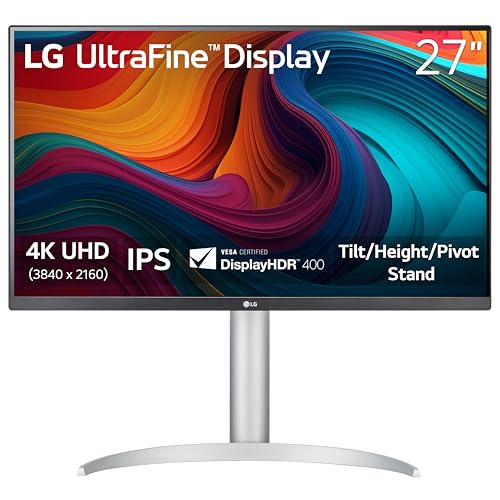
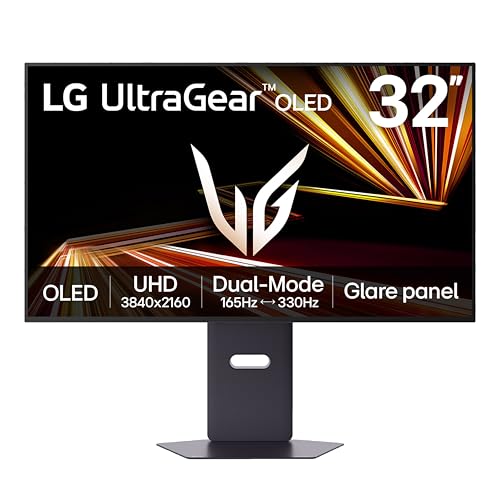
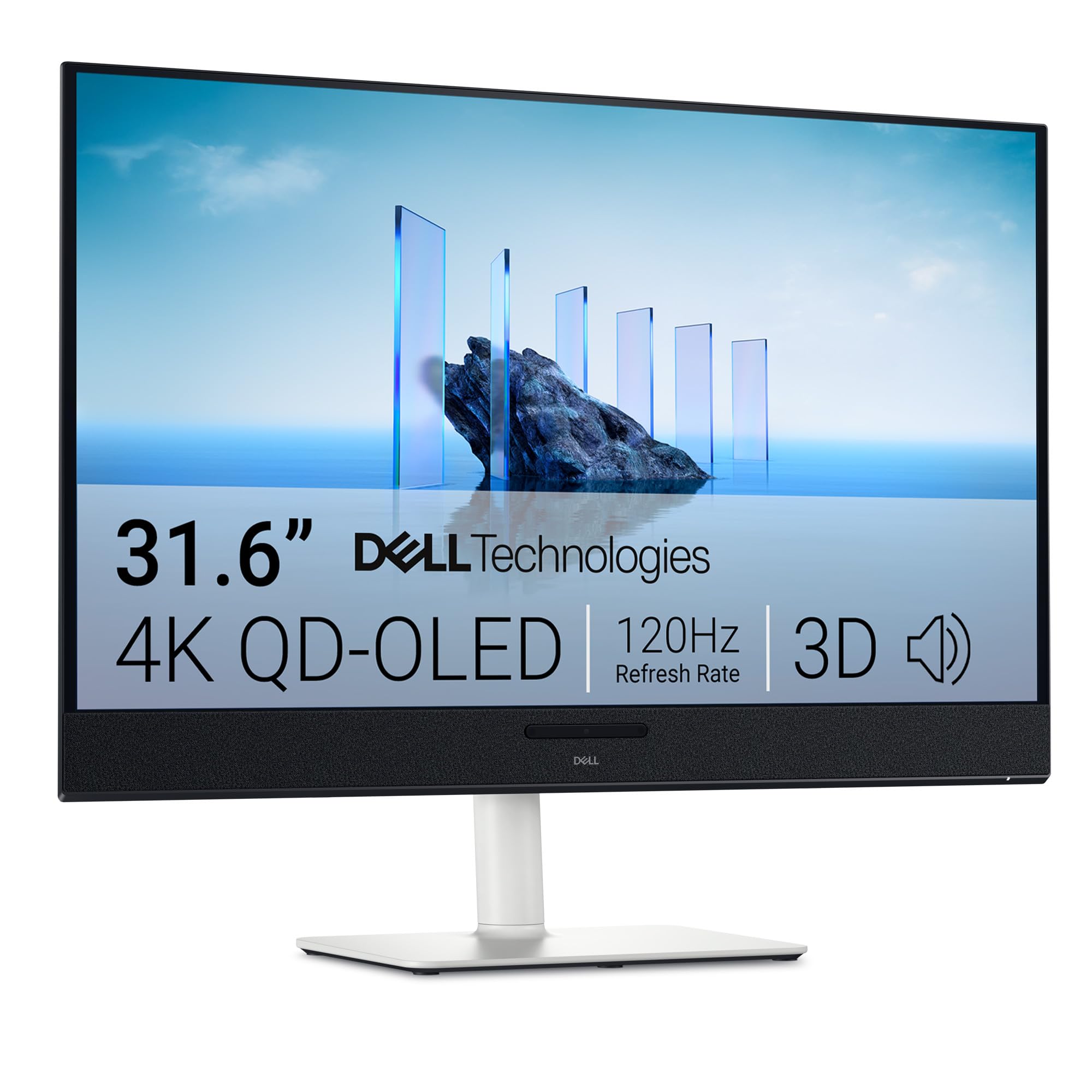
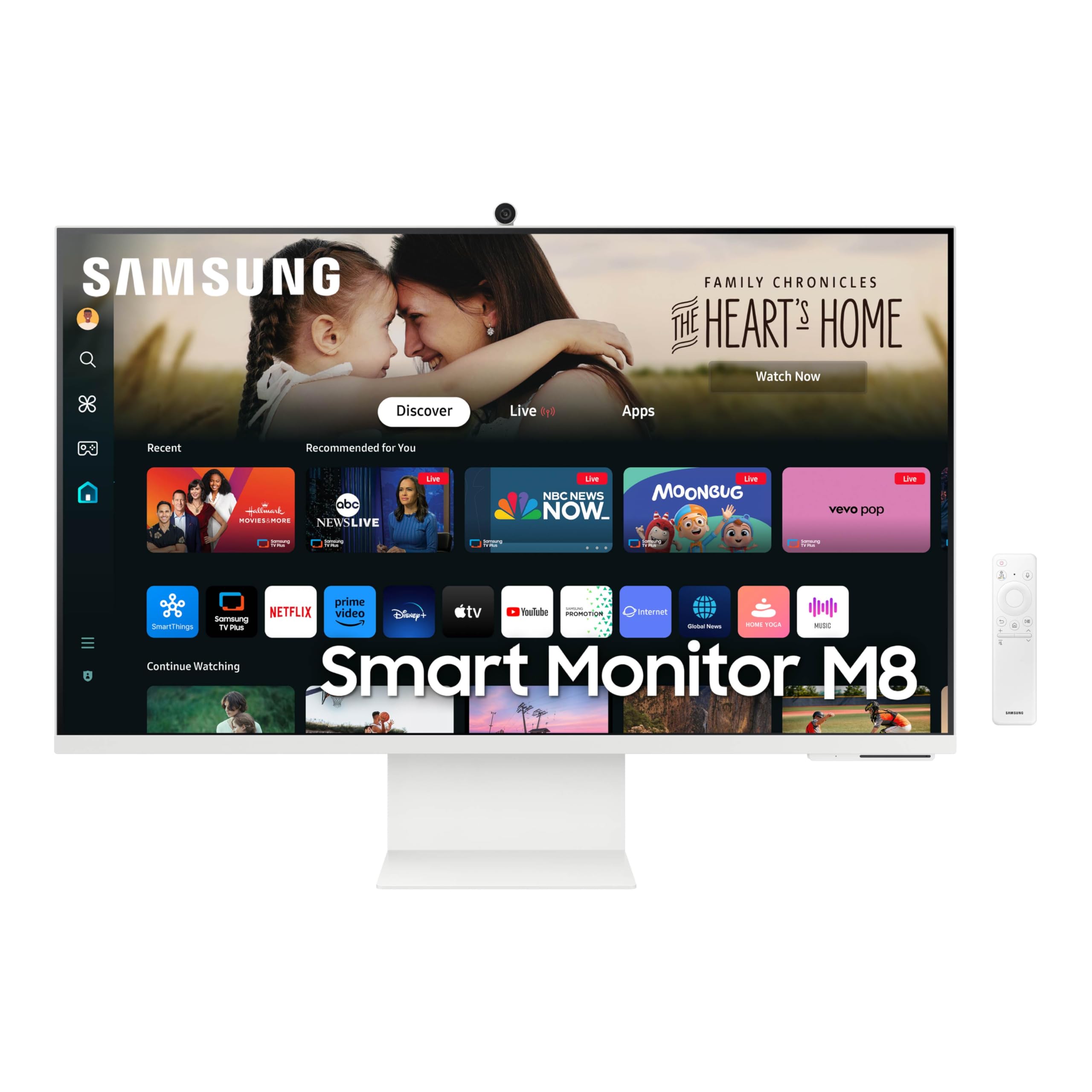
If you are shopping for the best computer monitors for movies for the first time, the jargon can feel like a barrier before you even start. Words like panel type, contrast, HDR, and refresh rate sound technical, but each one describes something simple about how a film will look on your desk. The comparison table below gives you a plain starting point, and the rest of this guide explains each choice in everyday language.
This guide is written for first time buyers. It starts with the basics, explains the specs that matter for films, flags the mistakes new buyers make most often, and walks through setup and first use. By the end, you should be able to pick a screen that suits your room, your desk, and the way you watch.
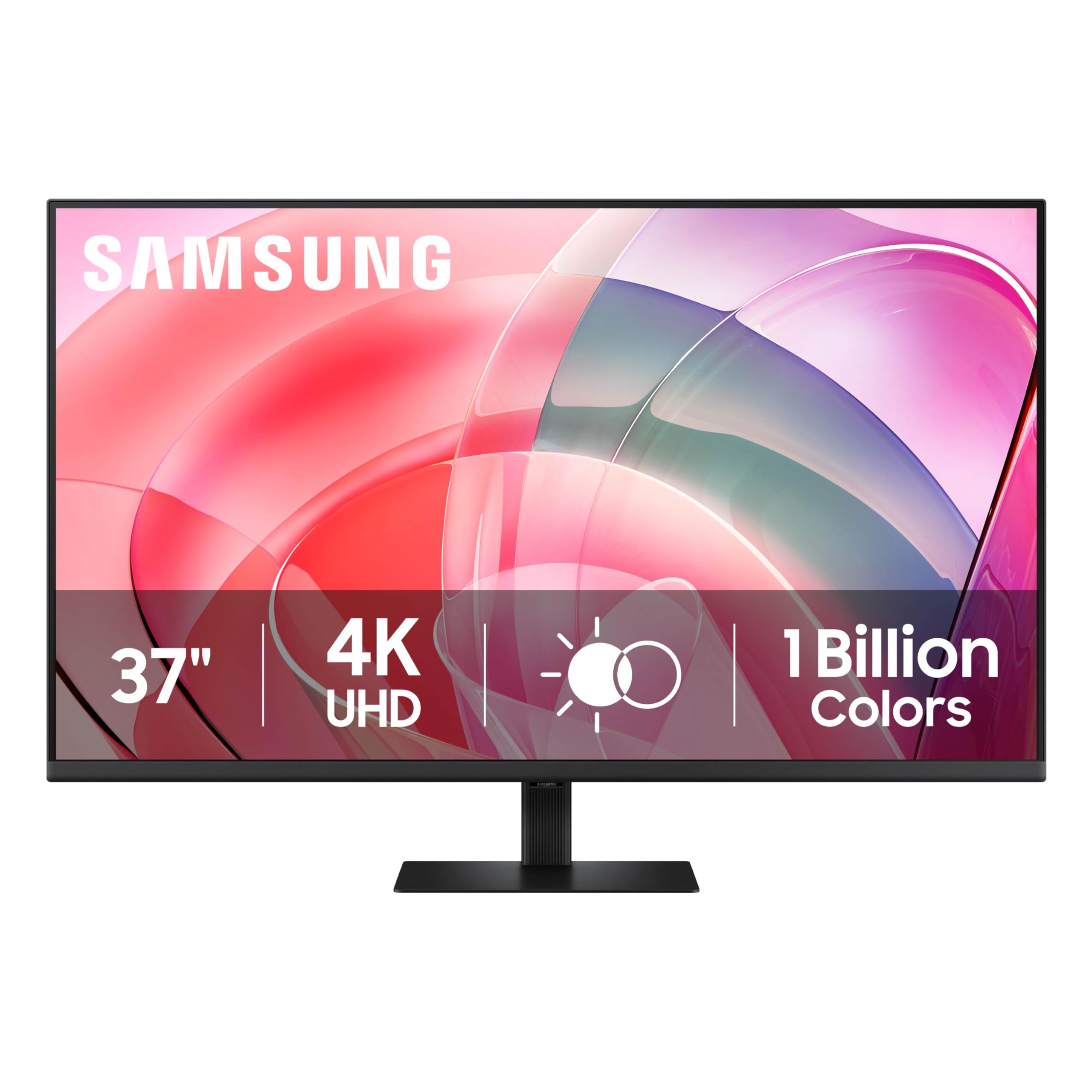
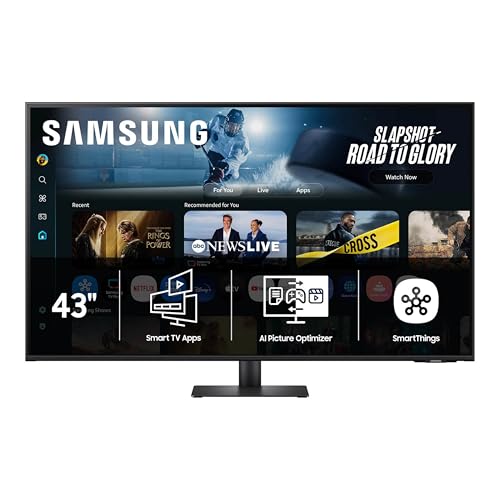
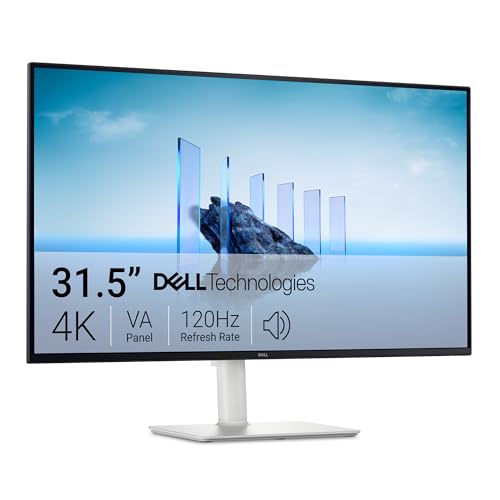


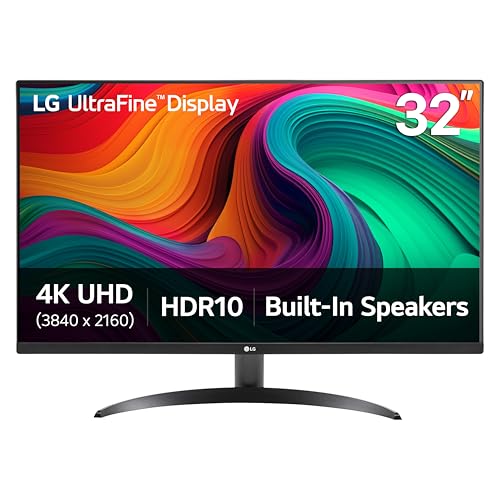
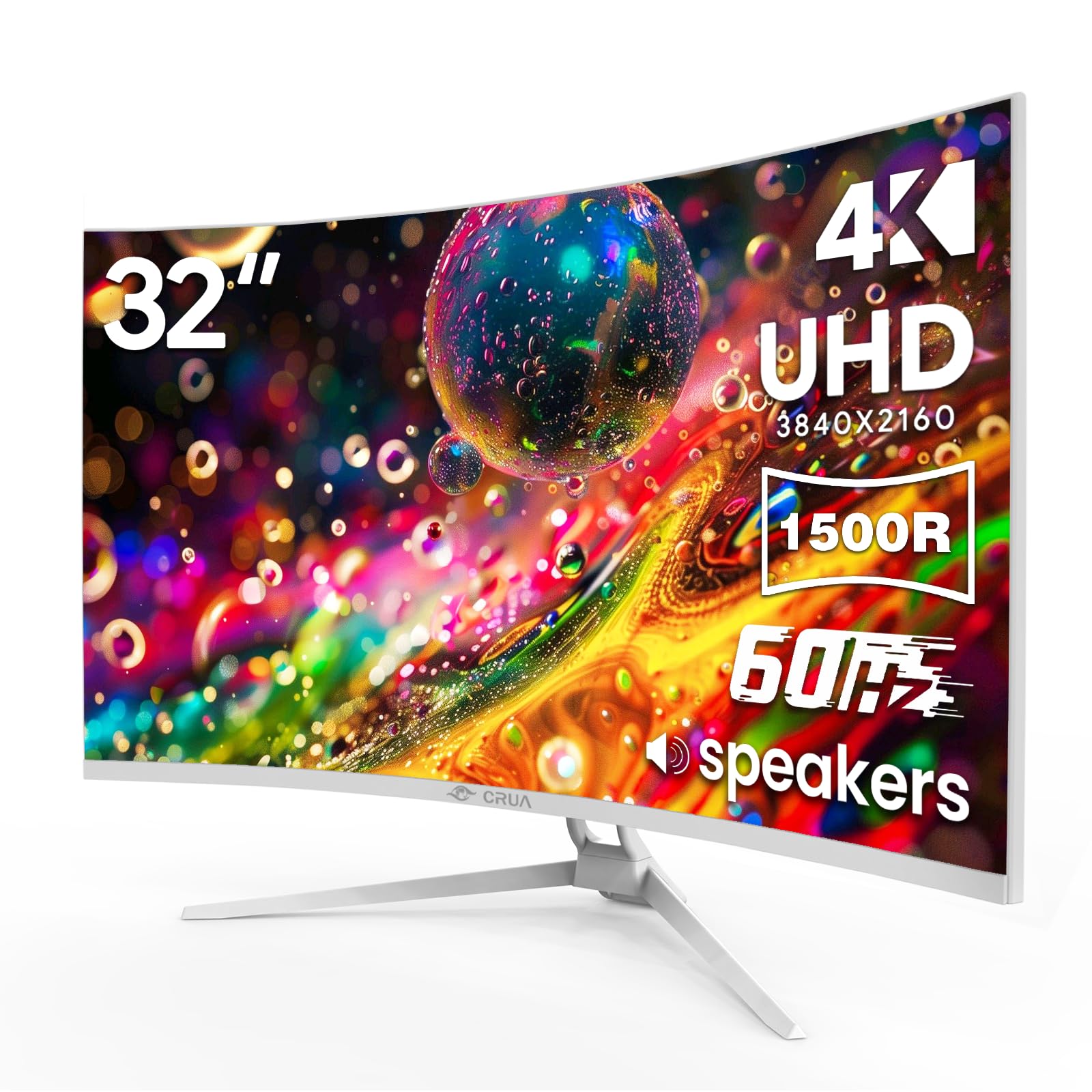
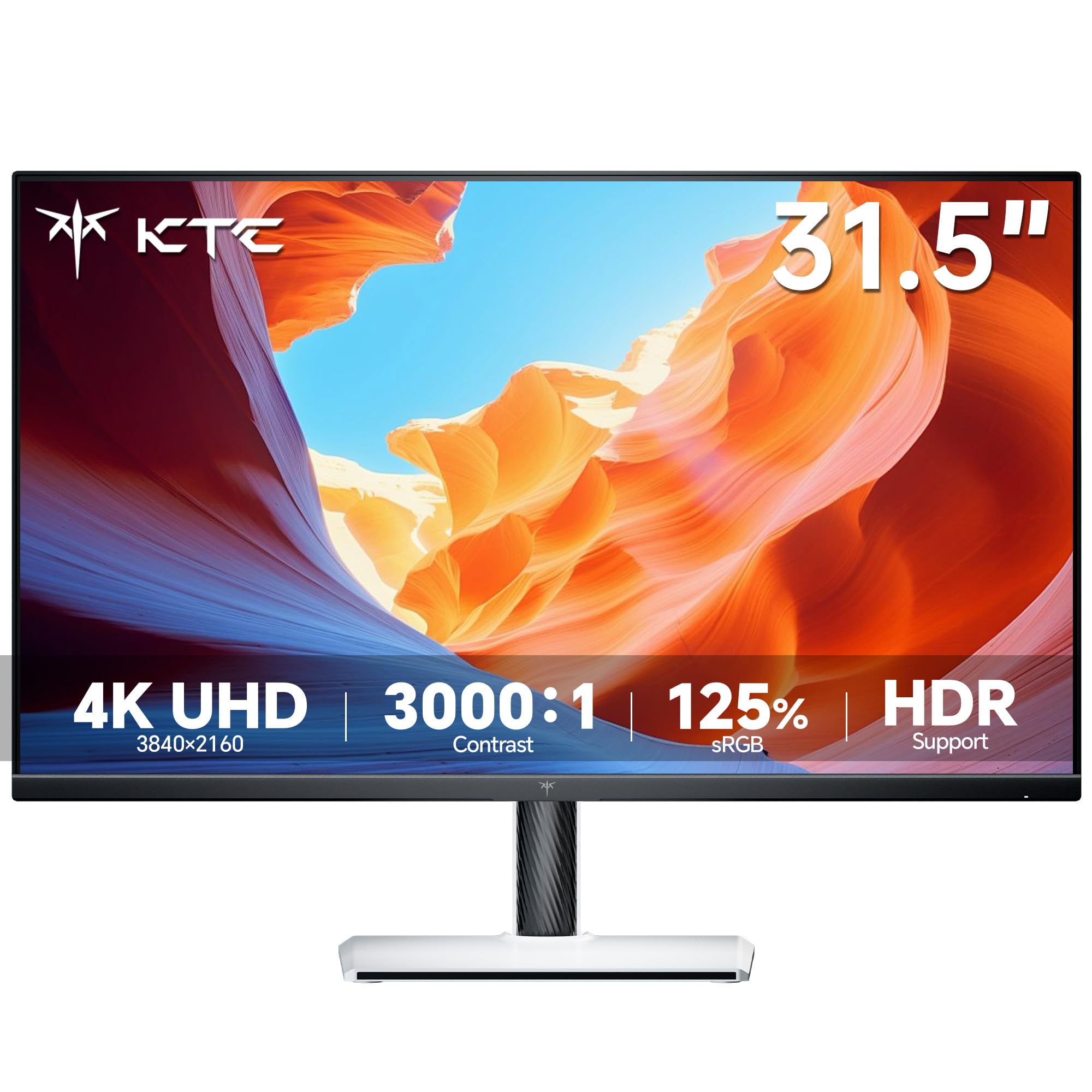
Computer Monitors 101: The Basics
A computer monitor is simply a screen that shows the picture your computer produces, and for films the key question is how faithfully it shows color, contrast, and motion. The screen draws each frame from the computer through a cable, and the panel inside decides how light passes through to form the picture. A larger screen suits a sofa or a deep desk, while a smaller screen suits a tight desk or a shared room, and the right size depends more on viewing distance than on a single ideal number.
Sound also matters for films, and many monitors include small built in speakers, though a separate speaker set or headphones usually sound better for long viewing sessions. For a screen you can move between rooms, see our guide to best portable computer monitors.
Key Specs Explained in Plain English
Each spec below is explained in plain language, with a simple guide to the level worth choosing. Read the section that matches your worry, whether that is dark scenes, color, connections, comfort, or sound, and skip the rest until you need it.
Features That Matter for Movies
Films make different demands on a screen than office work or fast games. Dark scenes need deep blacks and good contrast so shadow detail does not turn into a flat gray wash, while bright scenes need enough brightness to stay clear in a lit room. Color accuracy matters too, since skin tones and landscapes look wrong when colors are oversaturated or washed out.
A screen with good contrast, accurate color, and a size that fills your view without forcing you to turn your head will do more for film nights than a screen built mainly for very high refresh rates. If you mainly watch films rather than work on the screen, see our guide to best computer monitors for watching movies.
Panel Technology (IPS, VA, OLED, Mini LED)
Panel technology describes how the screen creates its picture, and each type trades strengths. IPS panels offer wide viewing angles and reliable color, which suits watching with another person beside you. VA panels offer deeper blacks and stronger contrast, which suits dark rooms and moody films, though viewing angles are narrower.
OLED panels switch each pixel off for true black and superb contrast, but they cost more and need care to avoid burn in from static images left on screen for hours. Mini LED panels use many small backlights to improve contrast on a traditional panel, sitting between the other types on price and performance.
Connectivity and Ports
Ports decide what you can plug in and how easily the screen fits your setup. HDMI is the common link for computers, streaming sticks, and consoles, while DisplayPort is common on desktop computers and supports high resolutions well. USB C can carry video, data, and charging over one cable on newer laptops, which keeps a desk tidy.
Before buying, count what you need to connect and check that the screen has enough of the right ports, since adapters add cost and clutter. A screen with at least one spare input also makes it easier to add a second device later without swapping cables.
Stand, Mounting, and Ergonomics
Comfort during a long film depends on the stand as much as on the picture. A good stand lets you change height, tilt, and swivel so the screen sits at eye level and faces you squarely, which reduces neck strain over a two hour film. VESA mounting means the screen can attach to a wall arm or a desk arm using a standard bolt pattern, which frees desk space and helps in small rooms.
If you share the desk or move between sitting and standing, height adjustment matters even more, so check the adjustment range rather than trusting a photo of the stand. If looks matter on your desk, see our guide to best looking computer monitors.
Smart Platform and Sound
Some screens include a smart platform with streaming apps built in, similar to a television, while others are plain screens that rely entirely on the computer. A smart platform suits a viewer who wants to watch without switching the computer on, but it adds menus and software that need updates, and a plain screen keeps things simpler.
Sound follows a similar split: built in speakers are handy for casual viewing, yet they are usually small and thin sounding. For films, a separate speaker set, a soundbar, or good headphones will almost always sound better, so treat built in sound as a backup rather than a deciding feature. For more on screens built for play rather than films, see our guide to best computer monitors for gaming.
Rookie Mistakes to Avoid
- Buying the largest screen without measuring viewing distance, which forces constant head turning and eye strain.
- Chasing a very high refresh rate for films, when contrast, color, and size matter far more for movie watching.
- Ignoring ports and discovering too late that the screen cannot connect to a second device.
- Leaving the screen on a vivid picture mode, which oversaturates color and hides shadow detail.
- Forgetting sound and ending up with thin built in speakers for every film night.
Each of these mistakes is easy to avoid with a tape measure, a port count, and a quick picture settings check after setup. For a simpler shortlist, see our guide to best monitors for movies. A screen chosen for films should suit your room first, and spec numbers second.
Getting Started: Setup and First Use
Start by placing the screen at eye level, about an arm and a half away, with light sources to the side rather than behind or in front of the screen. Connect the best available cable, then open the picture settings and turn off vivid mode, since vivid mode pushes color and brightness too far for films. Set the color mode to a movie, cinema, or standard preset as a starting point, then adjust brightness to suit your room lighting.
On OLED screens, use pixel refresh when the screen prompts you, since that routine helps prevent burn in. Take a few minutes with a familiar film to check dark scenes and skin tones before settling on final settings.
Computer Monitors: Your Questions Answered
What features matter most in computer monitors for movies?
Contrast, color accuracy, size, and viewing distance matter most for films. Deep blacks keep dark scenes detailed, accurate color keeps skin tones natural, and a size matched to your seat fills your view without strain. Resolution matters too, but a well tuned full high definition screen often beats a poorly set up higher resolution screen. Ports and a good stand come next, since they decide how easily the screen fits your desk and devices, while refresh rate matters little for films, which run at far lower frame rates than games.
How long do they last?
A good computer monitor usually lasts about seven to ten years with normal use, though backlight brightness fades slowly over time. OLED screens can last a similar span with care, but static images left on screen for many hours each day raise the risk of burn in. Keeping brightness at a sensible level, using screen savers, and running pixel refresh routines all help extend life. If the screen will also serve as a work display, expect daily hours to add up faster, so buy a panel type suited to long static use as well as films.
Does refresh rate matter for non gamers?
Refresh rate matters little for films, since movies run at 24 frames per second and most shows run at 30 or 60 frames per second. A standard 60Hz screen already shows every frame of a film smoothly, and a higher refresh screen adds little visible benefit for movie watching alone. Where a higher refresh rate helps is in general desktop use, where scrolling and mouse movement feel smoother. If the screen will also be used for games, refresh rate climbs back up the priority list, but for films alone it should not drive the purchase.
What size should I get for my room or desk?
Size should follow viewing distance and desk depth rather than a single ideal number. At a typical desk distance of about 60 to 80 cm, a 24 to 27 inch screen suits most viewers, while a deeper desk or a seat further back suits 32 inches or more. Measure your desk depth and seat position before choosing, since a screen too large for the distance forces head turning and tired eyes. In a living room setup, a larger size makes sense only when the seat is far enough back to take in the whole picture.
Is 4K worth it?
4K is worth it when the screen is large enough and you sit close enough to see the extra detail, and when you watch 4K films from a source that actually delivers them. On a smaller screen at a normal desk distance, the gain over full high definition is modest, and the extra cost may serve you better spent on contrast or color. A 4K screen also needs a computer and cable able to drive that resolution smoothly. If your films come mainly from standard streaming, a good quality lower resolution screen can be the smarter buy.
IPS vs OLED: which is better?
IPS is better for bright rooms, shared viewing, and long static use, since it offers wide viewing angles, reliable color, and no burn in worry. OLED is better for dark rooms and viewers who prize deep blacks and superb contrast above all else, since each pixel switches fully off. The choice turns on your room and habits: a bright shared room favors IPS, while a dark dedicated film corner favors OLED. Price also matters, since OLED costs more, so weigh whether the contrast gain in your room justifies the premium over a good IPS screen.
The Bottom Line
The best computer monitors for movies is the screen whose size suits your seat, whose contrast and color flatter dark scenes and skin tones, and whose ports and stand fit your desk without fuss. Start with viewing distance, then choose panel type for your room lighting, and treat refresh rate and smart features as extras rather than essentials. Check the product table above once more, set the picture mode away from vivid after setup, and enjoy films on a screen chosen for watching rather than for spec numbers. For general comfort, take breaks during long sessions and see an eye care professional if eye pain or vision changes persist.