Best Compression Boots for Edema in 2026: A Comfort First Guide
Disclosure: We may earn a commission when you buy through links on this page, at no extra cost to you. As an Amazon Associate I earn from qualifying purchases. Learn more

Gentle pressure, easy zippers and a good fit matter most in compression boots for edema. Learn what to check, and why to ask your doctor first.
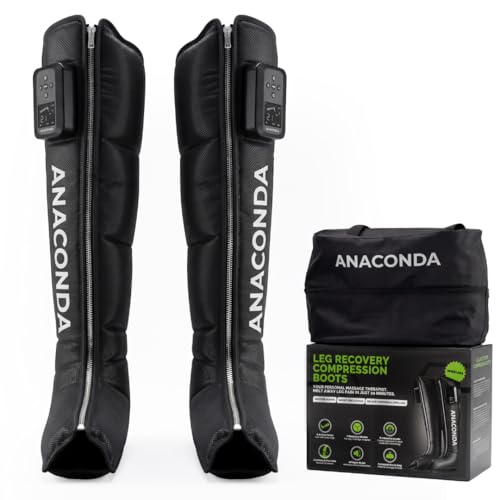
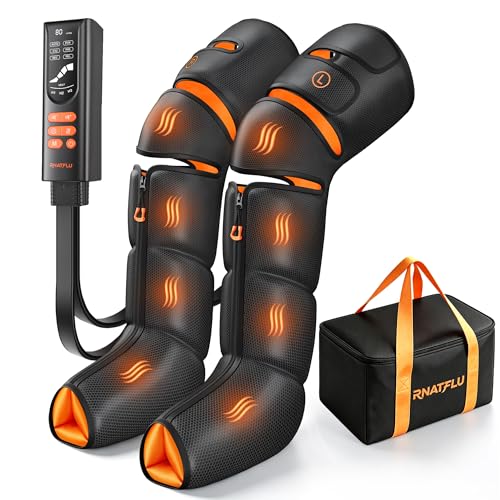
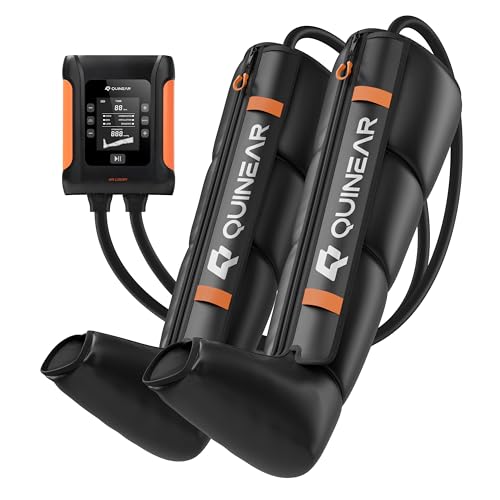
Swollen lower legs and ankles make a long day on your feet feel heavy, and many people start looking at air compression boots for a calm evening routine. This guide explains how to choose the best compression boots for edema as a comfort product: which features are worth paying for, how to size them, and how to use them gently. Use the product table to compare real sets before you read the detail.
One boundary comes first. These boots are consumer comfort devices, not medical treatment, and nothing here claims they treat swelling. Edema can have causes that need a clinician, so ask your doctor before buying. Sudden, painful, red, warm or one sided swelling, or swelling with shortness of breath or chest discomfort, calls for prompt medical care, not a shopping decision.


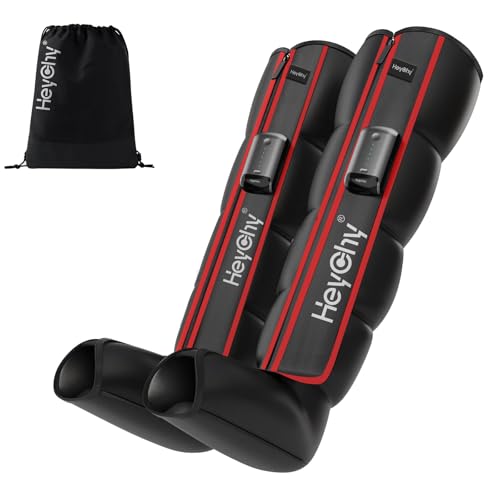
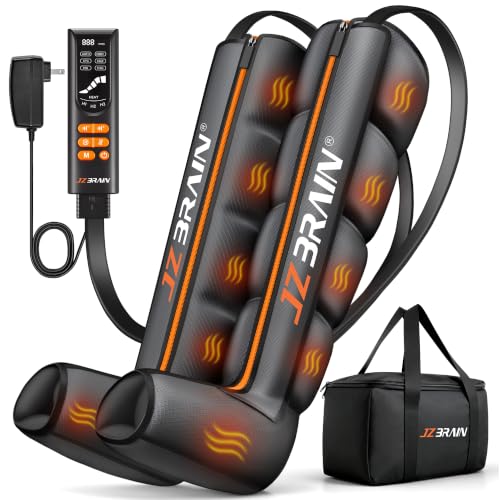


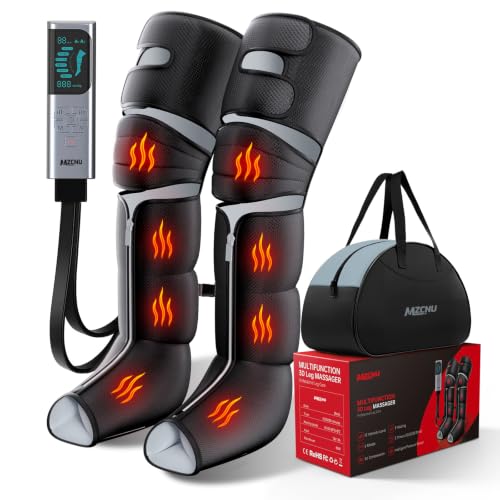
Talk to Your Doctor Before Choosing Compression Boots for Edema
Pressure on swollen legs is a medical question before it is a product question. A history of blood clots, circulation problems, heart conditions, skin infections, open wounds or nerve damage are all reasons to get clear guidance first. Your doctor can tell you whether this kind of device suits you at all, how long a session should last, and which pressure limit to respect.
Once you have the go ahead, treat the manufacturer instructions and your clinician advice as the final word. If a session ever brings numbness, tingling, sharp pain or a change in skin colour, stop, take the boots off and seek advice.
Features That Matter Most
Gentle, Adjustable Pressure
Pressure control is the first thing to check when you compare the best compression boots for edema.
The most useful setting range is a soft low end with small steps up, so you can start light and stay comfortable. Maximum figures on boxes, often somewhere around 20 to 100 mmHg, are labelled differently by each maker, so a higher top number is not a stronger promise of benefit. Look for a pump that lets you change the level during a session without restarting.
Chambers and Sequential Squeeze
Chambers are the air pockets stacked along the sleeve. Sets with more chambers fill in smaller steps from the foot upward, which usually feels smoother than a blunt squeeze of the whole leg. Zone control, where you can switch one chamber off, helps when a section of the leg feels tender.
Coverage, Sizing and Closure
Boots are sold as calf and foot sleeves or full leg sets that reach the thigh. Size by calf circumference and leg length against the maker chart, measured in the evening when legs are at their largest. A long zipper makes a big difference when your legs are swollen, because a tight pull on sleeve is hard to manage and shortens sessions in practice.
Timer, Programs and Controls
A clear timer and an easy stop button matter more than a long list of named modes. Most home sets run sessions of about 15 to 30 minutes and stop by themselves. Large buttons or a simple remote help if bending to reach the pump is uncomfortable.
Power, Noise and Portability
Corded pumps cost less and never need charging, while cordless sets let you move between rooms. A noisy pump spoils a rest session, so look for plain language about sound. If you will use the boots in one favourite chair, a corded set is often enough.
What Different Budgets Buy
Budget changes the feature list more than the basic idea behind the best compression boots for edema.
Sets at about $80 to $150 usually offer four chambers, fixed programs and a corded pump, which can be enough for a first set used a few times a week. Between about $150 and $400 you often find finer pressure steps, zone control, battery options and better size ranges. Above that, expect full leg coverage, quieter pumps, app control and longer warranties. More money buys comfort, control and convenience, not a medical result.
For a wider comparison of the same product class, see our guide to best compression boots, or check best leg compression boots if you want full leg coverage. If your main goal is a post workout routine, best compression boots for recovery covers that angle, and best compression boots for circulation looks at everyday leg comfort.
Quick Buyer Checklist
- Did your doctor agree that this kind of device is appropriate for you?
- Do your calf and leg length measurements fall inside one maker size?
- Can you lower the pressure during a session and stop it at once?
- Does the zipper open wide enough to put on over a swollen ankle?
- Can you wipe the sleeves clean, and are spare parts or a warranty offered?
- Is the pump quiet enough for the room where you will sit?
Red Flags to Watch For
Be cautious when a listing promises to cure, reduce or treat swelling, since no consumer product should make that promise. Vague pressure numbers, no size chart, no clear timer and sleeves that cannot be cleaned are also reasons to pause. Check the return window so you have time to confirm the fit at home.
Setup and Care Tips
Start with a short, low pressure session while seated with your legs supported. Keep the control unit within reach and stand up slowly when the boots deflate. After use, wipe the sleeves, let them air dry away from direct heat and store them loosely without sharp folds in the hoses. Never sleep in the boots; let the timer end the session before bed.
Compression Boots for Edema: Your Questions Answered
Are compression boots a treatment for edema?
No. Consumer compression boots are comfort devices for a home routine, and they do not treat any condition. Swelling that is new, worsening or one sided needs a clinician, who can also advise whether any compression device is appropriate for your situation.
What pressure level is right for swollen legs?
There is no single right number. Start at the lowest setting and let comfort guide you, and follow any limit your doctor has given you, because that limit outranks anything printed on a box. A higher setting mainly raises the chance of discomfort.
How long should a session last?
Most home sets run preset sessions of about 15 to 30 minutes and stop automatically. New users do well with 10 to 15 minutes at low pressure for the first few sessions. Stop at once if you feel tingling, numbness or pain.
Which size should I choose?
Measure the widest part of each calf and the length from heel to knee or thigh, then match both numbers to the maker chart. Charts differ between brands. If your legs are swollen, check that the zipper closes without force and that a wider calf option is offered.
Can I wear them all day?
No. These boots are made for short seated sessions that inflate and release, not for walking or all day wear. For continuous support during the day, a garment designed for daily wear is the usual choice, and your doctor can say which type suits you.
Final Thoughts
Choose by comfort first: gentle adjustable pressure, a size that fits your legs, an easy zipper and a timer you trust. Compare sets in the product table above, keep your doctor involved, and treat the best compression boots for edema as a comfort routine rather than a treatment.