
Best Compression Socks for Work Boots 2026: Leg Comfort Guide
Disclosure: We may earn a commission when you buy through links on this page, at no extra cost to you. As an Amazon Associate I earn from qualifying purchases. Learn more
Reduce tired legs in work boots with this guide to compression socks, covering pressure levels, fit, cushioning, and boot compatibility for long shifts.
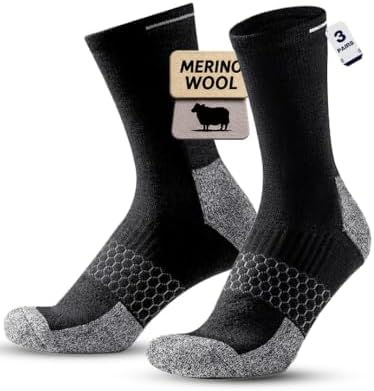
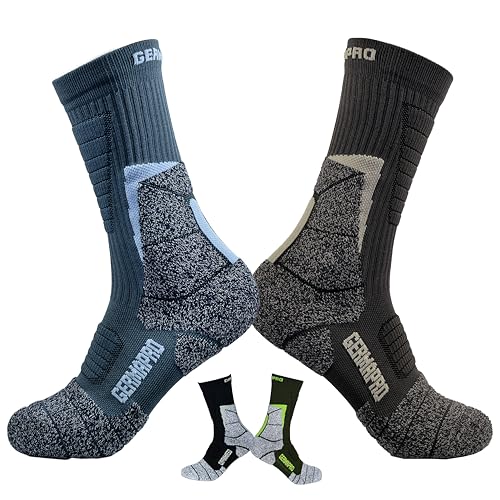
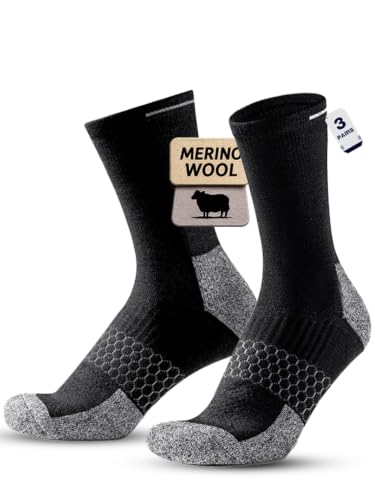
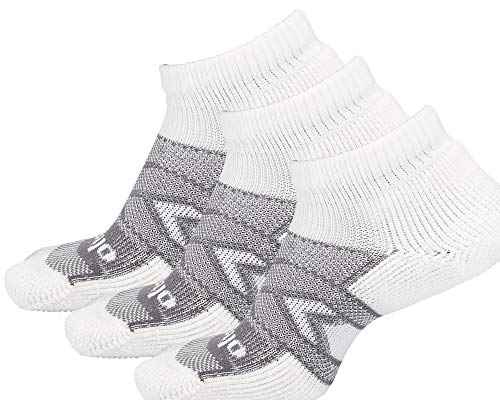
Long shifts in heavy boots leave legs tired and swollen, and the best compression socks for work boots add gentle, graduated pressure that feels supportive through the working day. The product table lets you compare pressure levels, lengths, and cushioning styles. A good pair should feel supportive without pinching, stay up inside a tall boot, and cushion the foot where the boot presses hardest.
Compression socks differ from regular work socks in pressure gradient, fit, and fabric. Too little pressure gives little benefit, while too much can feel uncomfortable or unsafe for some people. This guide explains pressure levels, sizing, and boot fit, plus the warning signs that mean you should seek medical advice rather than simply buying tighter socks.




Who Should Buy Compression Work Socks
Compression socks suit workers who stand or walk for most of a shift in boots, including builders, warehouse staff, nurses, and delivery drivers. They also help travellers and anyone whose legs swell during long days on their feet. People with circulation conditions, diabetes, or leg wounds should talk with a clinician before using compression. If your legs feel heavy and tired by evening, graduated compression is worth trying.
Key Features Worth Comparing
Pressure Levels and Graduated Fit
Graduated compression is firmest at the ankle and gentler toward the knee, for a snug, supportive feel. Light pressure suits general tired legs, while moderate pressure suits longer shifts and visible swelling. Check the stated pressure range in millimetres of mercury. If you have circulation disease, nerve problems, or skin wounds, get clinician advice before choosing a level.
Length and Stay Up Design
Knee high length suits most work boots, since it covers the calf and stays under the boot shaft. Look for a stay up band that grips without digging into the skin. A band that rolls or pinches will distract all day and may cut circulation unevenly. Try the sock with your actual boots, since boot height changes where the band sits.
Cushioning Zones for Boots
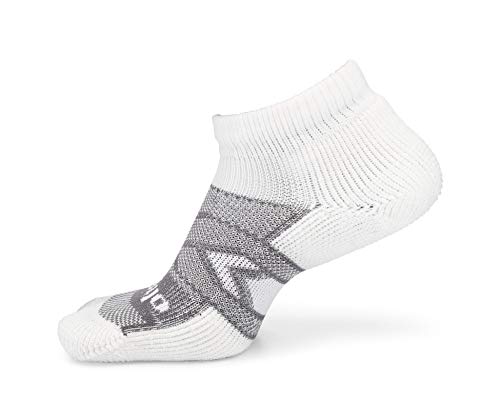
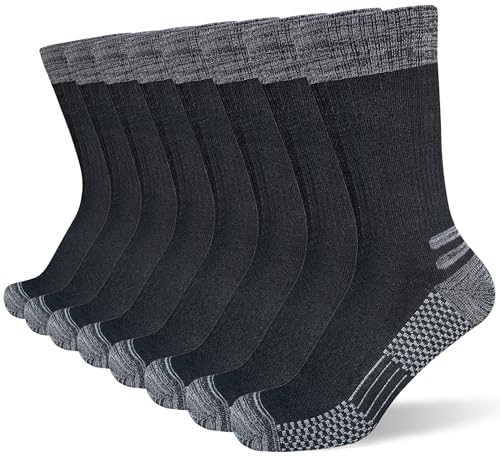
Work boots press hardest at the heel, toe, and shin, so cushioning in those zones reduces blisters and hot spots. Full cushion suits cold weather and heavy boots, while light cushion suits warm conditions and snug boots. Check that extra padding does not make the boot too tight, since a tight boot cancels the comfort gain.
Fabric, Moisture, and Durability
Work socks face sweat, friction, and daily washing, so fabric durability matters. Wool blends warm and wick well, while synthetic blends dry faster and hold shape. Look for reinforced heels and toes, since those areas wear first in boots. Wash on a gentle cycle and air dry when possible to protect elasticity.
Sizing and Fitting Advice
Measure your ankle and calf in the morning, when swelling is lowest, and compare with the maker size chart. A sock that is too tight at the calf will roll and pinch, while a loose sock will bunch inside the boot. Put socks on smoothly without wrinkles, since folds cause pressure points. If sizing falls between sizes, consider the larger size for comfort unless guidance says otherwise.
Warning Signs and Medical Guidance
Stop using compression and seek medical advice if you notice sharp pain, numbness, skin colour changes, or new wounds that do not heal. People with artery disease, severe diabetes complications, or skin infections should not use compression without clinician approval. Compression supports comfort, but it does not treat underlying circulation disease. Talk with a clinician if swelling is new, one sided, or rapidly worsening.
Living With the Best Compression Socks for Work Boots
Compression socks work best as part of a daily routine: put them on before the shift, keep them smooth inside the boot, and wash them regularly. Rotate two or three pairs so elasticity recovers between wears. Replace socks when the band sags, the heel thins, or pressure feels uneven. If leg symptoms change, review the fit and talk with a clinician rather than simply buying a tighter pair.
Track which pressure level and size feel best over a full week, since a single day trial can mislead. Note any marks, pain, or swelling changes and discuss them with a clinician when in doubt.
Related Guides Worth Reading
General boot sock options appear in best socks for work boots. Wool warmth is covered in best wool socks for work boots. Men specific fits are in best men's socks for work boots, thick cushioning in best thick socks for work boots, and winter options in best socks for winter work boots.
Seasonal Notes and Long Term Use
For summer work in hot boots, choose lighter cushioning and breathable fabric blends to reduce sweat buildup. Change socks mid shift on very hot days when possible, since damp socks increase blister risk. Air boots between shifts and use foot powder sparingly if it helps. Heat management matters as much as compression level in summer conditions.
For winter work, thicker cushioning adds warmth but check boot fit carefully, since extra bulk can tighten the boot and reduce circulation. Wool blends warm well and wick moisture, but they need gentle washing to hold shape. Keep a spare pair dry at work for days when feet get wet early. Dry feet stay warmer and blister less in cold conditions.
For travel days after work shifts, compression socks can make legs feel less heavy on long journeys, but follow clinician guidance if you have circulation conditions. Move and stretch during travel breaks rather than sitting still for hours. If leg pain, swelling, or redness appears suddenly, seek medical advice promptly rather than relying on socks alone.
Frequently Asked Questions
How tight should compression socks feel?
Compression socks should feel snug and supportive, especially at the ankle, without sharp pain or numbness. You should be able to move toes freely and see no deep skin indentations after removal. Mild marks from the band are normal, but painful grooves are not. If tightness causes discomfort, try a larger size or a lighter pressure level.
Can I wear compression socks all day?
Most people can wear light to moderate compression socks through a full work shift. Remove them at night unless a clinician advises otherwise. Give legs a break after the shift and check skin for redness or irritation. If you notice persistent marks, pain, or swelling after removal, talk with a clinician about fit and pressure.
Do compression socks help with swollen legs?
Graduated compression socks are designed to feel supportive on tired legs after long standing, but they do not treat swelling. They work best alongside movement, leg elevation on breaks, and well fitting boots. Sudden, one sided, or painful swelling needs prompt medical attention rather than compression alone. Talk with a clinician if swelling is new or worsening.
Should compression socks go over or under other socks?
Wear compression socks directly against the skin for proper pressure, without another sock underneath. A second sock over the top can change pressure and cause bunching inside a boot. If you need extra warmth, choose a thicker compression sock rather than layering. Make sure the boot still fits comfortably with the chosen thickness.
How do I wash compression socks?
Wash compression socks on a gentle cycle in cool water and air dry when possible to protect elasticity. Avoid high heat, bleach, and fabric softener, which degrade stretch fibres. Rotate several pairs so each pair rests between wears. Replace socks when the band loses grip or pressure feels uneven across the calf.
Final Thoughts
Supportive, comfortable legs through a long boot shift start with the right pressure, size, and cushioning. Compare those features using the product table above, and measure ankle and calf before ordering. Wear the socks with your actual boots for a trial, and watch for warning signs that need medical attention. With the right fit, the best compression socks for work boots can make heavy boot days noticeably easier, and a clinician can help if leg symptoms persist.


