
Best Compression Boots for Runners in 2026: Which Type Is Right for You?
Disclosure: We may earn a commission when you buy through links on this page, at no extra cost to you. As an Amazon Associate I earn from qualifying purchases. Learn more

Compare the best compression boots for runners by coverage, pressure, sizing and price, from calf sleeves to full leg systems.
Recovery boots can look confusing at first, because systems that seem similar vary a lot in coverage, pressure control, and how easy they are to use at home. The best compression boots for runners are not the ones with the longest feature list, but the ones that match your training load, your leg size, and the time you actually have after a run. This guide compares each main type clearly.
Most runners use these boots while sitting or lying down after training, when tired calves and heavy legs make the next session feel harder than it should. The product table below is a quick reference, because it lets you compare coverage, control style, and price side by side.

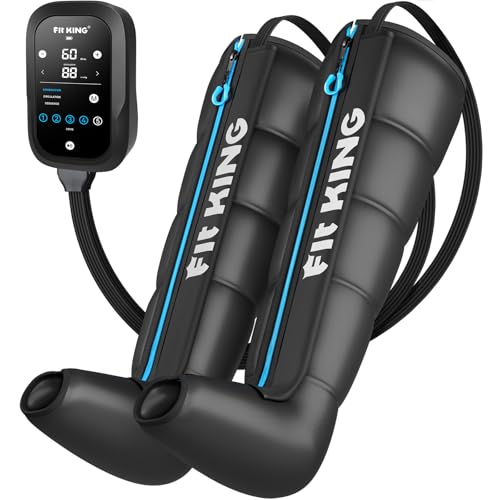


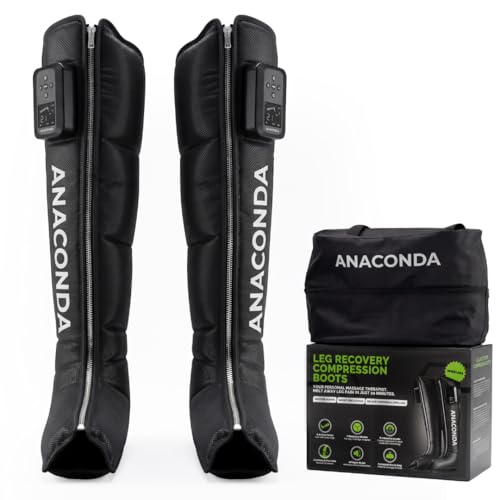

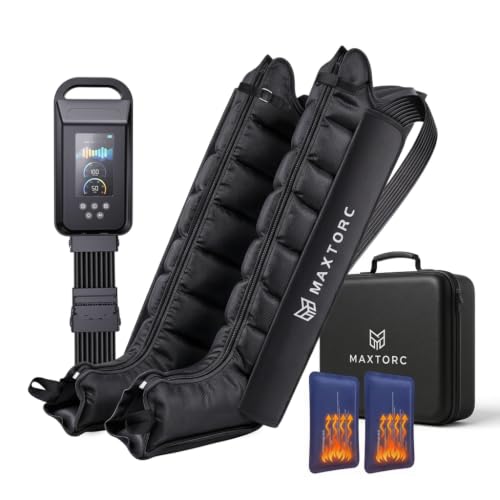

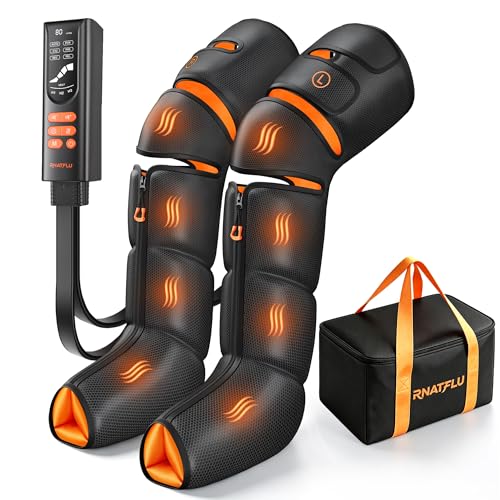
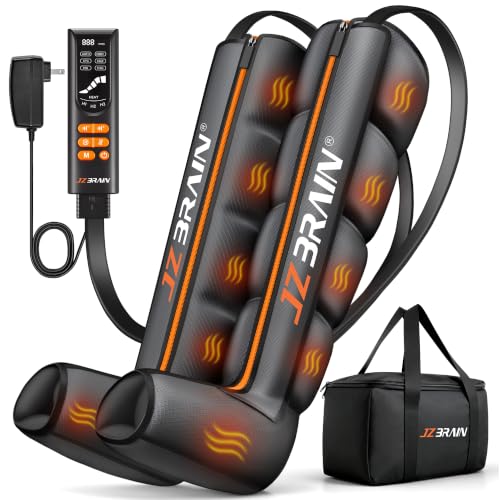

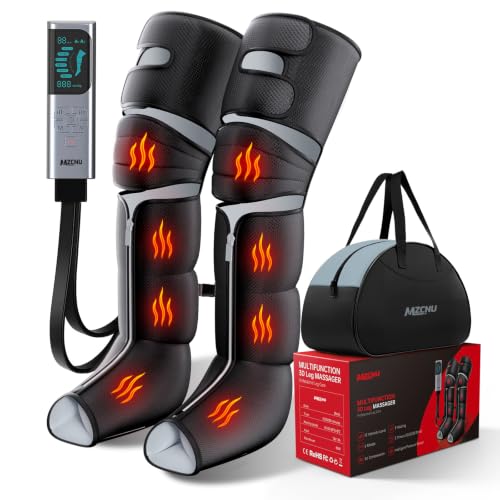
Types of Compression Boots Compared
All of these systems work in the same basic way. Two sleeves zip or pull over your legs, and air chambers inside them fill and release in sequence, usually starting at the foot and moving upward. That rising squeeze separates recovery boots from a plain static sleeve you wear while walking around. The real differences are coverage, how the pump is powered, and how much control you get over each session. For a broader view beyond a running focus, see our guide to the best compression boots and compare the general options there.
Full Leg Boots That Cover the Foot, Calf, and Thigh
Full leg boots run from your toes to the top of your thigh, with chambers for the foot, calf, knee area, and upper leg. They suit runners whose fatigue is not limited to the calves, such as marathon trainees who finish long runs with tired quadriceps as well as sore lower legs. One session treats the whole leg in order, so you do not need to reposition sleeves partway through.
The trade off is bulk. Full leg systems take more storage space, take a little longer to put on, and usually cost more, often about $300 to $900. They are also warmer in summer, because almost all of your leg is enclosed. If only your calves ever feel beaten up, that extra coverage may be more than you need.
Calf Focused and Shorter Recovery Boots
Shorter boots cover the foot and calf, and sometimes the area just below the knee, but they leave the thigh free. They are quicker to put on, cooler, easier to pack, and often cost less, commonly around $150 to $400. For many runners they target exactly the right place, because the calf does a huge share of the work in each stride and often stays tight long after a run ends.
The limit is obvious once your training changes. A shorter boot does nothing for tired thighs after hill repeats, long trail descents, or marathon distance runs. Think about your hardest weeks of the year, not your easiest ones, before you decide that shorter is enough. If longer coverage is what you are weighing, see our guide to the best leg compression boots for that style in more detail.
Portable Boots With a Built In Pump
Portable systems build a small pump and battery into each boot or into one compact unit, so there are no long hoses across the floor and no need to sit near an outlet. You can start a session on the couch, at a desk, or in a hotel room after a destination race. Charge times, run time per charge, and total weight vary, so check those three numbers closely.
Plug in systems with a separate control unit take the opposite approach. They tend to offer larger screens, more preset programs, and steady power for back to back sessions shared by two runners in one household. They are less tidy and less travel friendly, but you never start a session and find the battery flat. Neither approach squeezes better by default.
Full Leg vs Calf Focused Boots: Which Should You Choose?
Start with where your fatigue actually collects. If soreness after your key sessions sits mostly below the knee, a calf focused system covers it well and saves money and space. If long runs leave your whole leg heavy, from foot to thigh, full coverage matches that pattern better and saves you from wishing for a second device later.
Next, consider schedule and travel. Shorter and portable systems win for runners who travel to races or have only small gaps between work, family, and training. Full leg plug in systems win for runners who recover in one fixed spot at home and want longer, more adjustable sessions. Choosing the best compression boots for runners in your situation is mostly this honest match between coverage, routine, and budget, and the product table above can help you confirm which type fits your price range.
One more factor is sharing. If a partner will also use the boots, coverage and sizing need to suit the larger leg, and simple presets get more valuable.
How to Choose the Right Compression Boot for Running Recovery
Coverage and Chamber Count
Chambers are the separate air pockets that fill in sequence along the leg. More chambers allow a smoother, more gradual wave of pressure and let some systems reduce pressure over one area, such as a tender knee. Fewer chambers keep the design simpler and lighter. What matters most is that the chambers overlap enough to avoid a sharp band of pressure at one point.
Coverage should follow your event. Road marathoners usually feel fatigue through the calf and quadriceps, while trail runners add tired feet and ankles from uneven ground and climbing. Let your usual soreness map guide coverage, rather than buying the longest boot by default.
Pressure Range and Session Control
Pressure is measured in millimeters of mercury, written as mmHg, and many home systems offer an adjustable range somewhere around 30 to 100 mmHg or a little higher. Higher is not automatically better. A moderate setting that lets your legs fully relax usually serves recovery better than the maximum setting you have to brace against. Look for easy adjustment during a session and an automatic shut off so the boots stop even if you fall asleep.
A quick safety note belongs here, because compression is not right for every leg. Do not use these boots over broken skin, a recent injury, or a leg with sudden swelling, sharp pain, redness, or unusual warmth, and stop if you feel numbness or skin color changes. Anyone with a history of blood clots, circulation problems, or nerve damage should talk with a clinician before using compression boots at all.
Fit, Sizing, and Leg Length
Most boots are sized by leg length, calf circumference, or both, and brands measure differently, so use the sizing chart for the exact system you are considering. Measure your inseam from the floor to the top of the inner thigh for full leg styles, and measure your calf at its widest point, ideally after a run, when your legs are at their largest. A boot that is too short ends pressure partway up the calf, while one that is too long bunches behind the knee.
Fit should feel snug and even before the air fills, with the zip closing without force. Wear thin pants or socks underneath if the maker allows it, because a light layer reduces friction and keeps the liner cleaner. Between sizes, follow the maker guidance for that model, because chamber layout changes how a borderline size behaves once inflated. For daytime support outside these sessions, many runners also look at options covered in our guide to the best compression leggings, which serve a different purpose while you move.
Power, Portability, and Everyday Practicality
Think through an ordinary week, not race day. Where will you sit for each session, how close is an outlet, and where will the boots live between uses? A system that has to be dragged out of a closet will quietly get used less, whatever its specifications say. Boots that roll into a carry bag, charge over a common cable, and start with one button press fit real routines far better.
Noise also matters if you plan to use the boots while others sleep. Pump noise varies between designs and rises with pressure, so look for plain language about sound rather than assuming all systems are quiet. Weight matters for travel too, since a full leg system can take a real share of a suitcase allowance on a race trip.
Common Mistakes to Avoid
- Buying by maximum pressure alone, because the highest setting is often the one you will rarely use or enjoy.
- Guessing your size from shoe size, because boot sizing follows leg length and calf width and a poor fit leaves gaps in coverage.
- Using boots right before a hard run to fix lasting soreness, because a session cannot replace sleep, fueling, or a needed easy day.
- Starting at full pressure for a full hour, because new users who ramp up too fast often quit after one uncomfortable session.
- Ignoring a tender knee or sore spot, because pressure over an irritated area can make that spot feel worse instead of better.
- Storing boots tightly folded while still damp, because trapped moisture can leave the liner smelling stale and shorten its life.
Care and Maintenance Tips
Care for compression boots is simple, but it protects a fairly expensive piece of gear. After a session, unzip the boots fully and let the liners air out before you store them. Wipe the inside and outside with a soft cloth and a little mild soap if needed, then let everything dry away from direct heat, which can damage air chambers and seams. Never put recovery boots in a washing machine or dryer unless the maker says that exact model allows it.
Store the boots loosely rolled or laid flat in their bag, without sharp folds in the hoses or chambers. Check zips, hoses, and seals now and then for grit, cracks, or slow leaks, and deal with small problems early. For battery models, avoid leaving the battery empty for months during an off season, because a stored battery holds up better with some charge in it.
Frequently Asked Questions
What features matter most in compression boots for runners?
The features that matter most are the right coverage for your soreness pattern, smooth sequential pressure, and controls you can adjust without getting up. One detail deserves extra weight: a reliable timer with memory of your last setting, because it removes friction from every session. Small daily conveniences decide whether a system becomes a habit or a closet item.
Do runners need waterproof compression boots?
No, runners do not need waterproof compression boots, because these boots are used indoors while you rest, not out on wet roads or trails. Terms borrowed from outdoor footwear, such as Gore Tex membranes, breathable uppers, an outsole, a toe box, and heel to toe drop, belong to running shoes, not to air filled recovery sleeves. If a listing stresses rain protection, check whether you are looking at ordinary boots rather than a recovery system.
Are expensive compression boots for runners worth the extra cost?
Expensive compression boots can be worth it if the higher price buys coverage, control, or portability that you will use every week. Paying more sometimes adds individual chamber control, longer battery life, or a wider range of sizes, and those gains matter to marathoners in peak training. The same spending adds little for a runner who only wants simple calf sessions, so match the price to your training load.
Can runners wear compression boots all day?
No, runners should not wear compression boots all day, because these are session based devices that inflate and release while you sit still. Sessions are short and timed, and the boots are not made for walking, working, or sleeping through the night. If you want gentle support during a workday or a flight, that is a job for socks or leggings made for continuous wear, not for a powered recovery boot.
How often should runners replace compression boots?
Runners should replace compression boots when the system no longer holds even pressure, not on a fixed calendar schedule. Warning signs include one chamber filling weakly, a zip that will not stay closed, or a battery that fades well before a session ends. With normal home use, a good system should last through several training cycles, and replacing a worn part, when the maker offers spares, can extend that life further.
How long should a compression boot session last for runners?
A compression boot session for runners usually lasts about 20 to 30 minutes, and your first sessions should sit at the shorter end of that range. Start with low to moderate pressure, notice how your legs feel the next morning, and only then adjust time or pressure upward. Using the boots after your hardest session of the week, rather than after every easy run, is a sensible pattern for most runners.
Wrapping Up
Keep the decision simple. Match coverage to where your running fatigue collects, choose pressure control you can fine tune without effort, and size the boots from real leg measurements rather than guesses. Portability matters only as much as your travel and storage say it does. Use the product table above to compare types against your budget once those three points are clear, and you will land on the best compression boots for runners for your own training, ready for the next block of miles.


