
Best Compression Boots for Circulation: A First Time Buyer's Guide for 2026
Disclosure: We may earn a commission when you buy through links on this page, at no extra cost to you. As an Amazon Associate I earn from qualifying purchases. Learn more
Learn how compression boots for circulation work, compare pressure, fit, and session length, and choose a comfortable pair for daily recovery at home.
If you are new to recovery boots, the choice can look confusing, with chamber counts, pressure levels, and session timers all competing for attention. This guide explains best compression boots for circulation in plain language, so you can compare the basics before you spend, and the comparison table below gives you a quick side by side view to start with.
You will learn what the boots do during a session, how to measure your legs, and what a comfortable first routine looks like. These boots are a comfort and recovery aid, not a medical treatment, so talk to your doctor first if you have pain, swelling, numbness, or a condition that affects circulation.



Compression Boots 101: The Basics
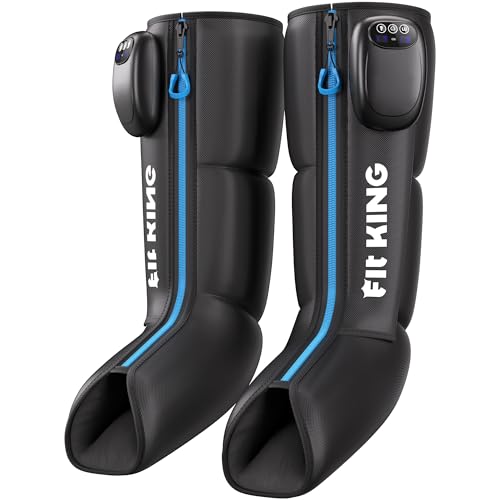
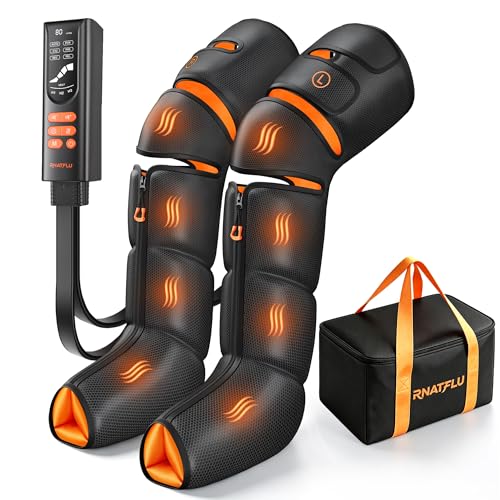
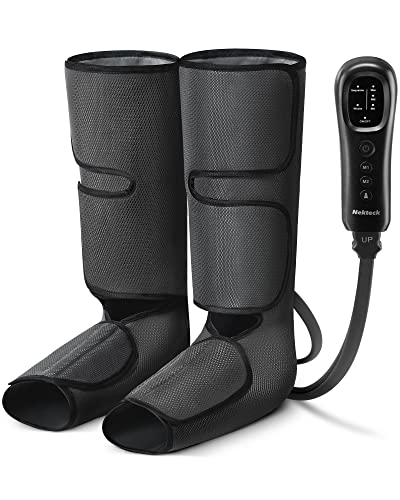
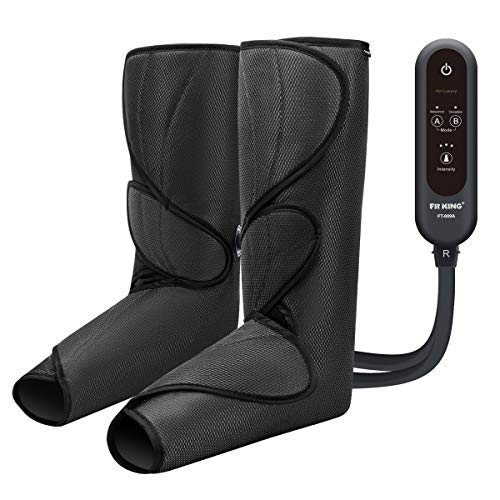
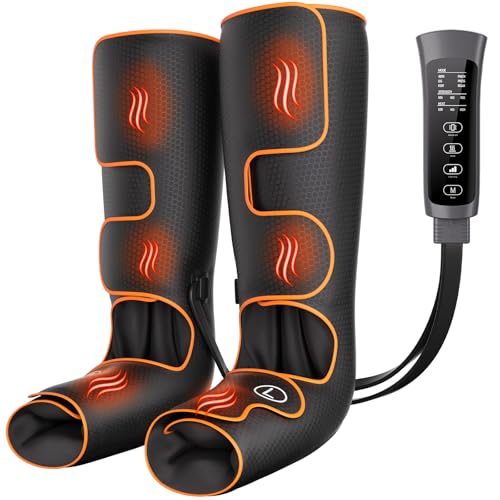
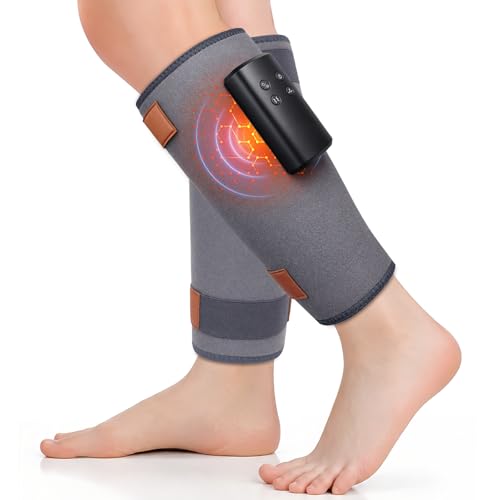
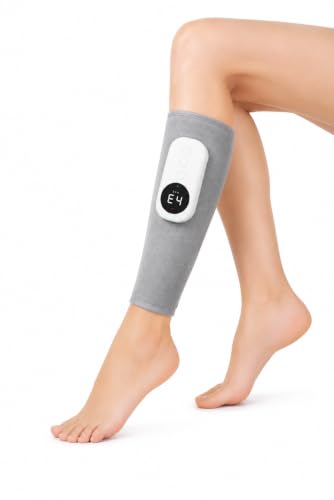
Compression boots are leg sleeves with air chambers that inflate and deflate in sequence during a session. Most pairs cover the foot, calf, and sometimes the thigh, and a small pump controls the pressure and timing. The idea is a gentle squeezing rhythm that feels like a massage, and most people use them while sitting or lying down after activity. If you want the wider range first, see our guide to best compression boots before you narrow down your choice.
What Happens During a Session
A session usually starts at the foot and works upward, with each chamber filling and then releasing in turn. You choose a pressure level and a session length, then sit back while the pump runs its cycle. Sessions often last about 20 to 30 minutes, and you can stop at any time if the feeling becomes uncomfortable.
Terms You Will See
Chambers are the separate air sections inside each sleeve, and more chambers usually mean a more gradual squeezing pattern. Pressure is measured in millimeters of mercury, and a wider range gives you more room to find a gentle setting. A session timer simply switches the pump off after your chosen time, which helps you avoid overdoing a first session.
Key Specs Explained in Plain English
The specs below matter more than brand styling, so compare them side by side and let comfort decide. A higher number is not always better, especially when you are just starting out.
Features That Matter for Circulation
For circulation focused use, look at how many chambers each sleeve has, how the pressure sequence runs, and whether you can set a low starting pressure. A gradual foot to thigh sequence feels smoother than a single chamber that squeezes all at once. Keep expectations modest, since these boots are a comfort aid for daily routines, not a treatment for a medical condition.
Fit, Sizing, and Leg Length
Measure around the widest part of each calf and the length from your ankle to just below your knee, then compare both numbers with the size chart. A sleeve that is too tight will feel pinchy and hard to zip, while one that is too loose will not hold its shape during a session. If your legs differ in size, fit the larger leg first and check that the smaller sleeve still closes neatly. For a related fit question, see our guide to best leg compression boots, which covers leg sizing in more depth.
Materials and Breathability
Most sleeves use a tough wipe clean fabric with an inner lining that sits against your skin. Breathability matters because sessions trap warmth, so look for a lining that feels smooth and a design that lets air move when the chambers deflate. A removable or washable liner is a plus if you plan to use the boots often, and it makes regular cleaning much simpler.
Weight and Portability
Weight matters if you plan to move the boots between rooms or take them on trips. A compact pump and sleeves that fold or roll up are easier to store in a small home than a bulky fixed unit. Check the power cord length too, since a short cord can force you into an awkward chair or an uncomfortable position.
Controls and Session Length
Simple controls beat a long menu when you are tired after activity, so look for clear buttons for pressure, mode, and time. A remote or a phone app can help if bending to reach the pump is difficult, but it should never be required for a basic session. Start with the lowest pressure and a short session, then adjust slowly over several days as you learn what feels comfortable.
Choosing a Mode and Pressure Level
Many boots offer more than one mode, such as a steady sequence, a wave pattern, or a mode that holds pressure a little longer in each chamber. For a first pair, one clear sequence mode plus a simple pressure dial is plenty, and extra modes are only useful if you will actually switch between them.
Pressure is usually shown as a number range, so check that the lowest setting feels gentle rather than forceful. A pair that starts softly and rises in small steps is kinder for new users than one that jumps straight to a firm squeeze. Write down the setting you liked, since repeating the same session makes it easier to judge comfort over time.
Power, Noise, and Where You Sit
Most pumps plug into mains power, while some offer a rechargeable battery for use away from a wall outlet. Battery models add freedom but also add charging chores, so weigh that trade off against where you plan to sit. Noise varies too, and a quiet pump matters if you use the boots while reading, watching television, or resting with others nearby. Try to picture your usual chair, the cord route, and whether the pump will sit on the floor without being knocked, since a calm setup makes regular use far more likely.
Rookie Mistakes to Avoid
New buyers often make the same few errors, and each one is easy to avoid with a little care.
- Starting at full pressure on the first session, which can feel harsh and put you off using the boots at all.
- Skipping leg measurements and guessing a size, which leads to sleeves that pinch or slip during use.
- Wearing the boots over thick trousers, which dulls the feeling and makes fit harder to judge.
- Running very long sessions every day at first, instead of building up gently and resting between sessions.
- Ignoring warning signs such as new pain, swelling, or numbness, instead of stopping and asking a doctor.
Getting Started: Setup and First Use
Unpack the sleeves and pump, lay them flat, and check that all hoses and connectors are secure before your first session. Sit in a comfortable chair with your legs supported, slip the sleeves on, and fasten them snugly without pulling them tight. Choose the lowest pressure and a short session, and keep a glass of water nearby.
After the session, wipe the sleeves down, let them air dry fully, and store them loosely folded rather than tightly packed. If you want ideas for fitting boots into a regular routine, see our guide to best compression boots for recovery, and note that layering with best compression leggings is a separate choice to discuss with your doctor if you have a circulation condition.
Cleaning takes only a few minutes and keeps the sleeves pleasant to use. Wipe the outer fabric after each session, follow the maker guidance for any removable liner, and never soak the pump or hoses. Check connectors now and then for wear, since a loose hose can weaken the squeezing pattern and make a session feel uneven.
Compression Boots: Your Questions Answered
What features matter most in compression boots for circulation?
Chamber count, a gentle starting pressure, and a good leg fit matter most, because together they decide whether a session feels smooth or harsh. A clear timer and simple controls also help, since they let you repeat the same comfortable session each time. After those basics, consider portability and cleaning, which affect how often you will actually use the boots.
Are compression boots waterproof?
No, compression boots are not waterproof, and you should keep the sleeves and pump away from water at all times. Wipe the outside with a damp cloth if needed, then let everything dry fully before you store it. Never use the boots in a bath or shower, and unplug the pump before cleaning so you stay safe.
Can I wear compression boots all day?
No, compression boots are made for timed sessions, usually about 20 to 30 minutes, rather than all day wear. Wearing them for hours could feel uncomfortable and would not add comfort beyond a normal session. If you feel you need them constantly, stop and talk to your doctor, since that may point to a problem that needs proper care.
How should compression boots fit?
Compression boots should fit snugly around your legs without pinching, cutting in, or leaving deep marks after a session. Measure both calves at their widest point and check the length from ankle to below the knee against the size chart. If you fall between sizes, choose the larger size and use the lowest pressure first, since a slightly roomy sleeve is more comfortable than a tight one.
Do compression boots need a break in period?
Compression boots do not need a long break in period like shoes, but your body may need a few short sessions to get used to the squeezing rhythm. Start with low pressure and a short session, then increase gently over a week if it still feels comfortable. If any session causes pain, numbness, or swelling that does not settle quickly, stop using the boots and ask your doctor for advice.
Wrapping Up
Start with your leg measurements, then compare chamber count, pressure range, and controls, and choose the pair that feels comfortable at a low setting. A simple routine of short regular sessions is easier to keep than an ambitious plan you abandon after a week. Remember that these boots support comfort and daily recovery, they do not treat a medical condition, so talk to your doctor about pain, swelling, or circulation concerns before you buy. With that check done, revisit best compression boots for circulation against the product table above and pick the setup that fits your legs, your home, and your routine.


