
Best Compression Boots at Every Price for 2026: What Your Money Really Gets You
Disclosure: We may earn a commission when you buy through links on this page, at no extra cost to you. As an Amazon Associate I earn from qualifying purchases. Learn more

Compare compression boots by price tier: what chambers, pressure control, coverage and fit your money buys, plus the clinician check to make first.
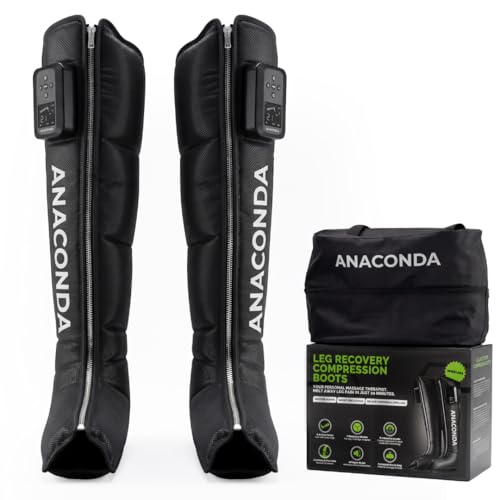
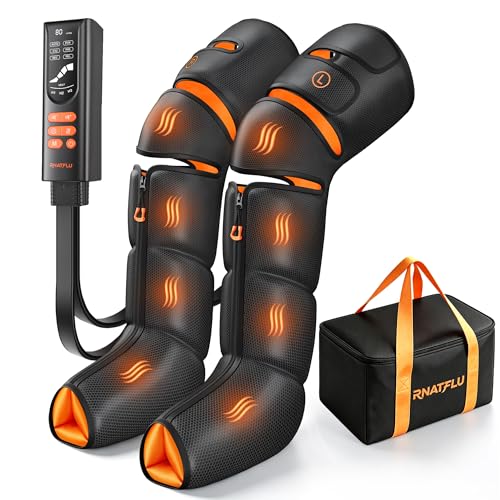
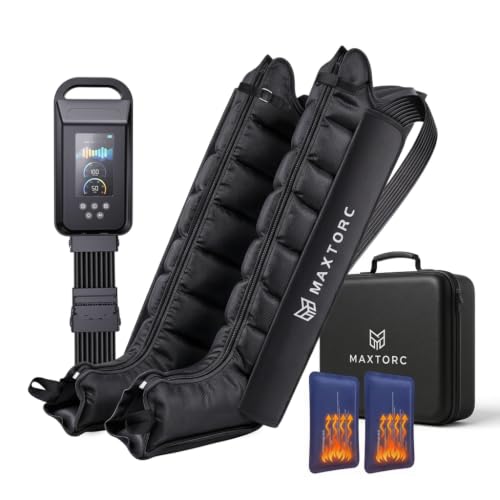
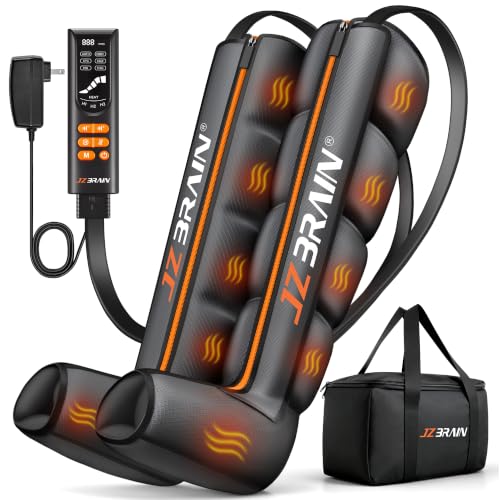
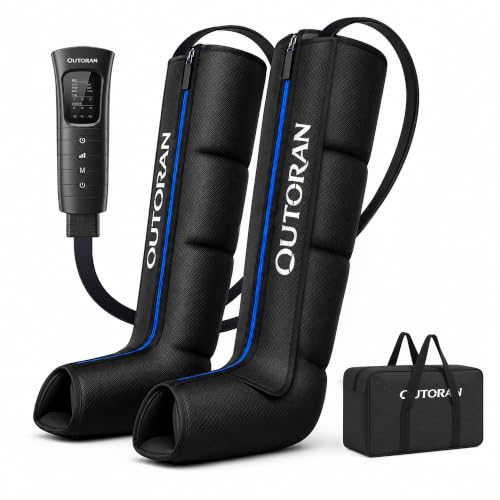
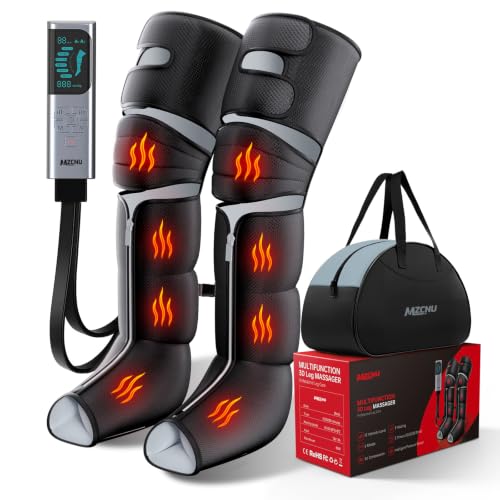
Compression boots are not footwear: they are air filled sleeves that zip around your legs, connect to a small pump, and squeeze section by section in a slow sequence. People buy them as a comfort ritual after hard training days, long shifts on their feet, or long flights. The best compression boots for you depend on your budget, your leg size, and how much control you want over each session. Prices run from under $100 to around $900, and that gap buys real differences in chambers, coverage, and controls.
One boundary matters before any price talk. These are consumer comfort devices, not medical treatment, and nothing in this guide claims they fix a health condition. The product table lets you compare real sets side by side, and the sections after it explain the clinician check that comes first, the features that change how a session feels, and what each price tier actually adds. Read the tiers as classes, not as a shopping list.





Talk to a Clinician Before You Spend Anything
This step comes first on purpose. If you have a circulation condition, edema, or a history of blood clots, pressure on your legs is a medical question, not a shopping question. The same applies with heart failure, a skin condition or an open infection on either leg, pregnancy, or recent surgery. A clinician who knows your history decides whether this product class fits you at all, and at what settings.
Even with clear medical guidance behind you, treat new pain, numbness, tingling, or skin that changes colour during a session as a stop signal. End the session, take the boots off, and get medical advice if the feeling does not pass quickly. Comfort is the only goal this equipment can honestly serve.
Key Features to Compare
Five choices shape how a session feels and what you pay for it. They matter more than any badge printed on the pump.
Chambers and the Squeeze Sequence
Chambers are the air pockets stacked along the boot, and they are the first thing money buys. Entry sets commonly use four chambers per leg, while pricier sets use five or six, splitting the leg into smaller steps. More chambers make the squeeze feel smoother and let the maker program a slower wave from foot to thigh, while fewer chambers feel blunter but work fine for short, simple sessions. The same hardware is also listed under the name best leg compression boots, so compare chamber counts rather than names when you shop.
Pressure Settings and Controls
Pressure is where maker honesty matters most. Boxes advertise maximum figures, often somewhere around 20 to 100 mmHg, but makers measure and label those numbers differently, so one setting on one pump is not the same squeeze on another, and a higher top number is not a stronger promise of benefit. What you want is a gentle low end and small steps between settings, so you can start soft and stay comfortable. If a clinician has set a limit for you, that limit outranks anything printed on a box.
Coverage and Sizing
Boots come in lengths that stop below the knee, cover the knee, or run to the upper thigh, and coverage changes both price and feel. Size by your calf measurement and leg length against the maker size chart, not by your shoe size. A boot that is too short leaves the top chamber pressing the wrong spot, and one that is too loose wrinkles and presses unevenly. Measure in the evening, when legs are at their largest, and recheck the fit after the first sessions as the material settles.
Closure style matters more than it looks. A long zipper starts a session in seconds, while pull on sleeves with no opening can strain hands and patience, and a closure you fight will shorten sessions in practice.
Programs, Timers, and Session Length
Most pumps offer a few preset programs, such as a full sequence, a pulsing pattern, or a focus on one zone, plus a timer. Preset sessions commonly run about 15 to 60 minutes, and the pump stops on its own at the end. Extra programs are pleasant, but two or three honest presets cover most routines. A clear timer matters more, because a session that ends by itself is easier to repeat than one you watch and stop by hand.
Pump, Power, and Noise
Corded pumps cost less and never need charging, but they tie you to one chair near an outlet. Battery pumps cost more and free you to change rooms, at the price of a battery that fades over the years. Pump noise counts too, because a loud unit in a quiet room shortens sessions in practice. If you plan to read or watch a screen while you sit, weigh the noise and cord questions as heavily as the pressure numbers.
What Your Money Gets You at Each Price Tier
Prices for this class spread wider than most buyers expect. The tiers below describe classes of product rather than named picks, and every figure is approximate. A different shelf of products, the steady pressure garments covered in our guide to best compression leggings, squeezes at a constant level while you wear it, while a boot fills and releases in cycles.
The Entry Shelf: Simple Cycles, Corded Pumps
Sets at about $80 to $150 usually give you four chambers, a small set of fixed programs, and a corded pump with a basic remote. Coverage often stops at the knee, and the sleeves use simpler zippers and fabric. For a first set used a few times a week, that can be enough. The trade offs are real, though: settings jump in bigger steps, the squeeze feels less smooth, and replacement sleeves for budget lines can be hard to find later.
The Middle Shelf: More Chambers and Zone Control
At about $150 to $400, sets add a chamber or two, finer pressure steps, and control over single zones, so you can run the calves and skip the feet, for example. This is the shelf most often marketed for post training comfort, and guides to best compression boots for recovery concentrate here. Read that word as marketing framing, not as a medical claim. You also start to see battery options, quieter pumps, and better size ranges at this level.
The Top Shelf: Full Coverage and Fine Control
Sets at about $400 to $900 stretch coverage to the thigh, add six or more chambers on some lines, and offer app control, saved routines, and fast inflation. Sessions feel smoother, and the boots fit a wider range of legs. What the extra money does not buy is a medical result. It buys comfort, control, and convenience, and buyers who use a set most days feel that difference most.
Features Worth Paying For (and Ones to Skip)
Zone Control That Skips a Section
Turning a single chamber off is worth paying for when one part of your leg is tender, or when a clinician has set limits for one area. It appears from the middle shelf upward, and regular users feel the benefit weekly. Buyers who always run the full sequence can safely skip it.
Battery Freedom
A battery pump is worth the premium if you travel with the boots or lack an outlet near your chair. It is money wasted if the boots will live beside one seat forever. Decide based on the room, not on the spec sheet.
App Control and Long Mode Menus
This is the easiest feature to skip. Most owners settle on one or two programs within the first month. A long menu of named modes mostly repeats the same sequence with small timing changes, so treat it as decoration rather than a reason to climb a tier.
Fast Inflation and Quick Release
Boots that inflate and drain quickly shorten the awkward start and end of every session. This sounds minor on paper, but it is the feature that decides whether a set gets used daily or gathers dust. When two sets look equal on chambers and pressure, pick the faster one.
Long Term Costs to Factor In
Sleeves are the wear part of the system, and their zippers, seams, and inner bladders age with use. A spare set of sleeves commonly runs about $40 to $100 when the maker sells them at all. Battery pumps add a slow cost as the battery holds less charge each year. Warranty length differs a lot between budget and premium lines, so read it as a cost signal rather than fine print, and electricity use is minor.
The honest total is the purchase price plus one set of sleeves over the life of the pump. Care stretches that life: wipe the sleeves down after sessions, let them air dry fully before storage, and keep the hoses unkinked so the bladders inflate evenly.
Compression Boots: Your Questions Answered
Are compression boots a medical treatment?
No, consumer compression boots are comfort devices sold for home routines, not a treatment for any condition. Different equipment exists in clinics, where trained staff choose settings for a diagnosed patient. At home, the honest description is a squeezing, massage like session that you control. Anyone with a circulation condition, a past clot, or swelling that has not been explained needs a clinician to judge the idea before any money changes hands.
Does more pressure mean better results from compression boots?
No, and this is the most common misunderstanding in the category. Pressure figures are maker figures, measured and labelled differently across brands, so numbers do not transfer between pumps. High settings mainly raise the chance of discomfort, numbness, or a session you dread repeating. Start at the lowest setting and let comfort, not the top of the dial, set your routine, and treat any limit a clinician has set as final.
How long should a session in compression boots last?
Most home pumps run preset sessions of about 15 to 60 minutes and stop on their own. Shorter sessions suit new users while they learn the settings and note how their legs feel afterward. Sit with your legs supported on a cushion if that feels better, and stand up slowly once the boots deflate. If sessions ever leave lasting pain, tingling, or marks that do not fade, stop using the boots and ask a clinician before continuing.
How do I choose the right size of compression boots?
Measure, and do not guess from shoe size. Wrap a tape around the widest part of each calf, measure from heel to knee or thigh, then match both numbers to the size chart of the set you are buying. Charts differ between brands, so a medium in one line is not a medium in another. When you land between sizes, the larger size usually squeezes more evenly, and a fair return window is worth more than a small discount.
Can I fall asleep while wearing compression boots?
Makers advise against sleeping in them, and the timer exists partly for this reason. A preset session that ends and deflates on its own is the safe pattern, because pressure you cannot feel or adjust is pressure you should not keep. Use the boots while you read or watch a screen, let the pump stop the session, and take them off before bed. Anyone who wakes with marks, tingling, or colour change after a session should stop and seek medical advice.
Final Thoughts
Price in this category buys chambers, control, and convenience, in that order. Set your budget by how often you will sit down for a session, measure your legs before you order, and keep the clinician check ahead of every other step. The product table above gathers the main classes in one place for a final comparison. Chosen that way, the best compression boots are simply the set whose squeeze you will actually use, at settings your body and your clinician both accept.


