Best Air Compression Boots Made Simple: A Clear Buying Guide for 2026
Disclosure: We may earn a commission when you buy through links on this page, at no extra cost to you. As an Amazon Associate I earn from qualifying purchases. Learn more

Learn how the best air compression boots work, how to size them, and which specs matter before your first purchase.
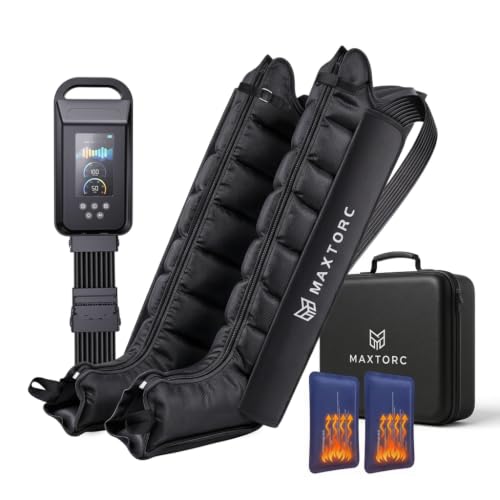
If your legs feel heavy and tired after long runs, hard training days, or hours on your feet, you have probably seen recovery boots in ads and wondered what they actually do. The best air compression boots are not shoes at all. They are soft leg sleeves connected to a small pump that fills and releases air chambers in a slow, squeezing rhythm.
This guide walks you from the basics to a confident purchase, in plain language. You will learn the terms sellers use, the specs that change how a session feels, and the mistakes first time buyers make most often. The product table gives you the main options at a glance.



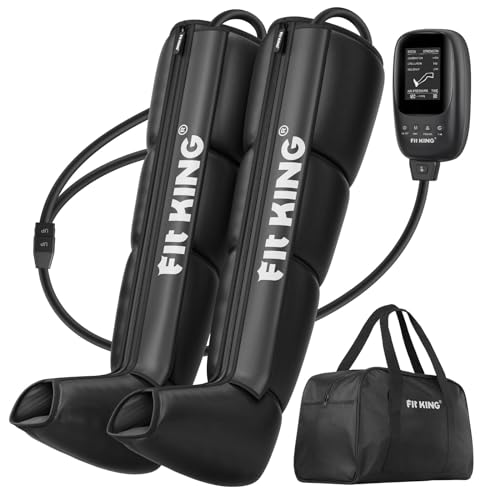
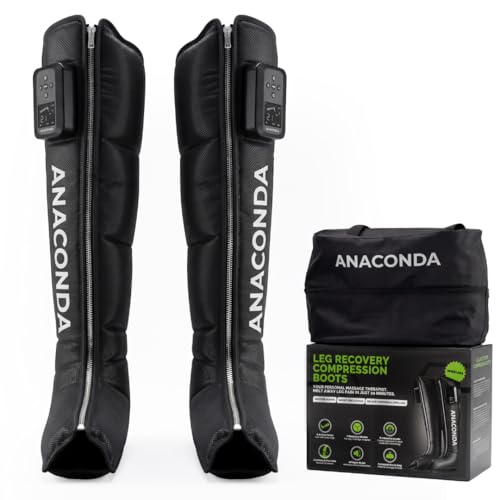
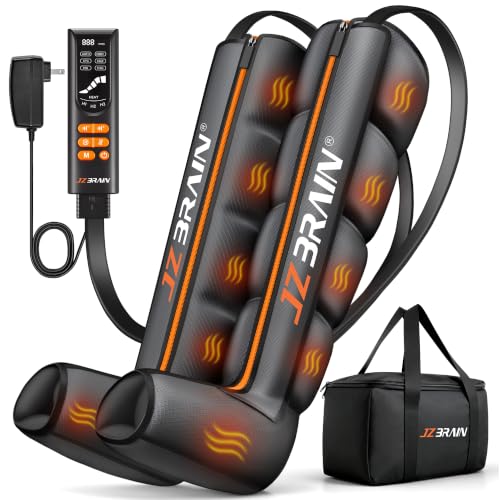
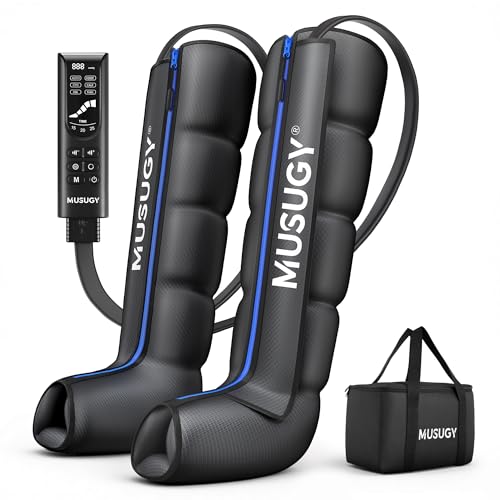

Air Compression Boots 101: The Basics
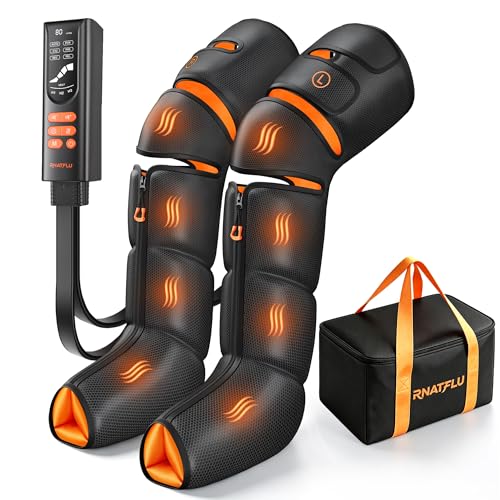
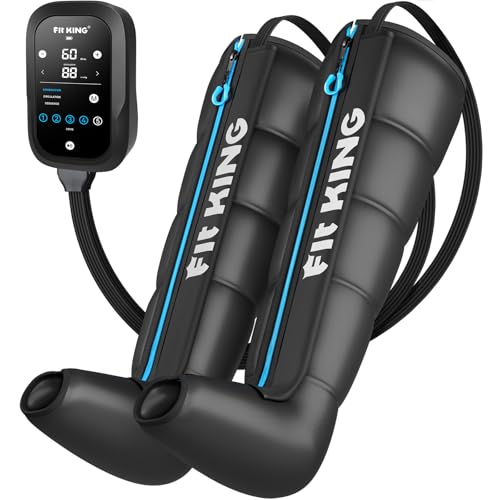
Each boot holds several overlapping air chambers, usually four to six, that run from your foot up to your thigh. A pump inflates one chamber at a time, starting near the foot and moving upward, then releases the pressure so the cycle can repeat. Most sessions last about 15 to 30 minutes while you sit or lie down with your legs raised. People use them after workouts, after long shifts, or during travel days to feel refreshed.
People with circulation problems, a history of blood clots, diabetes, or a recent leg surgery should talk with a doctor before using compression of any kind. Stop a session at once if you feel pain, numbness, tingling, or skin that turns pale or blotchy, and ask a clinician what those signs mean for you.
Key Specs Explained in Plain English
Pressure Settings and Control
Pressure is measured in mmHg, and home units commonly offer a range of about 30 to 110 mmHg with several steps in between. More important than the top number is fine control, since legs differ in sensitivity and the right setting should feel like a firm, relaxing squeeze, never pain. A clear control unit or remote with a big display matters more than a long list of modes you will never touch. Start every new boot on the lowest setting and work up slowly over a few sessions.
Chambers and Coverage
Chambers are the separate air pockets that fill in sequence. Four chambers is a common starting point, while five or six chambers give a smoother wave because each step covers a shorter section of leg. Coverage also varies: full length boots reach the upper thigh, shorter styles stop below the knee, and some systems add hip or arm attachments. Longer boots suit runners and lifters who load their whole leg. If you mainly feel fatigue in your calves, a shorter and cheaper style may cover everything you need.
Fit and Sizing by Measurement
These boots do not use shoe sizes, so forget your sneaker size and reach for a tape measure instead. Brands size by inseam length and by the widest point of your calf and thigh, and they publish a chart for each model. Measure in the evening, when legs are at their fullest, and measure over the thin clothing you plan to wear during sessions. If a measurement lands between sizes, the larger size is usually the safer pick, since an overly tight chamber pattern can feel uneven.
Pump Type and Portability
The pump is the box or small unit that pushes air through the hoses. Corded pumps plug into a wall outlet and tend to cost less, while battery powered pumps let you move from couch to bed without hunting for a socket. Battery life matters on trips: look for at least a few hours per charge if you travel for races. Weight matters too, because a heavy pump and two long boots fill a gym bag fast. Detachable hoses and a carry case make storage much simpler.
Programs, Timers, and Ease of Use
Most units offer a few preset programs that change the order and timing of inflation, plus a timer that shuts the session off on its own. For most buyers, two or three clear programs beat a dozen confusing ones. A session timer in the 10 to 60 minute range covers nearly everyone, and automatic shutoff means you can relax or nap without watching the clock. Check how loud the pump is if you plan to use the boots while others sleep nearby. Simple controls you can reach without sitting up are a real plus.
Rookie Mistakes to Avoid
- Buying by shoe size instead of measuring your legs, which leads to a poor chamber fit and uneven pressure.
- Starting on the highest pressure setting, which can leave legs sore and puts the tightest squeeze on tender areas.
- Choosing the longest boots by default, even though calf only fatigue rarely needs thigh coverage.
- Ignoring the return policy, even though fit and feel are hard to judge from a product page alone.
- Using the boots over broken skin, fresh wounds, or a painful swollen leg instead of seeing a doctor first.
Getting Started: Setup and First Use
Unzip each boot fully and lay it flat, then connect the hoses until each one clicks, matching any color marks on the ports. Sit with your legs stretched out, slide your feet in, and close the zippers over thin socks or workout tights. Keep the hoses untwisted and the pump on a flat surface beside you. Run your first session on the lowest pressure for about 15 minutes, and note how each zone feels before you change anything.
When the session ends, let the chambers deflate fully before you unzip and step out. Wipe the insides with a soft cloth after use and let the boots air dry away from direct heat, since hot air can age the inner lining. Store them loosely rolled rather than folded sharply, and keep the pump cord wrapped without tight bends. A few careful habits in the first week set the pattern for years of easy use.
Best Air Compression Boots: Your Questions Answered
How should air compression boots fit your legs?
Air compression boots should feel snug but never tight before the pump even starts. You should be able to slide a flat hand between the sleeve and your leg, and the top of a full length boot should end a few inches below your hip crease. Fit follows your leg measurements, not your shoe size, so check the brand chart against your calf, thigh, and inseam numbers. A boot that bunches behind the knee or leaves the foot chamber loose will squeeze unevenly no matter which setting you choose.
How long should each compression session last?
Most home sessions last about 15 to 30 minutes, which is long enough for several full cycles of the chambers. Beginners should start near 15 minutes on low pressure and add time only after a few comfortable sessions. Longer is not automatically better, and many pumps cap programs at 60 minutes for a reason. If your legs feel light and normal afterward, your timing is right. Persistent soreness, marks that linger, or new swelling are signs to shorten sessions and ask a clinician for guidance.
Who should talk to a doctor before using air compression boots?
Anyone with circulation problems, a past blood clot, diabetes with foot or leg complications, heart failure, or a recent surgery or injury should get a doctor's approval first. Compression changes how fluid moves in the legs, and that shift is not suitable for every condition. Pregnant buyers should also ask their clinician, since leg swelling in pregnancy sometimes needs medical review rather than home treatment. When in doubt, a short conversation before you buy beats a return afterward, and your doctor can also advise on what is sensible for your situation.
Are expensive air compression boots worth the extra money?
Higher prices usually buy a battery powered pump, more chambers, wider pressure control, and a sturdier zipper and hose setup. Those upgrades matter if you travel often, share the boots with a partner of a different size, or use them daily after training. Casual users who sit near an outlet a few times a week often get the same core benefit from a simpler corded model. Spend first on fit and pressure control, which shape every session. Treat extra programs and attachments as nice additions, not the reason to buy.
How do air compression boots differ from compression socks and leggings?
Socks and leggings squeeze gently and evenly the whole time you wear them, and you can walk around in them all day. Air powered boots deliver a much stronger, moving squeeze for a short seated session, then come off. Many people use both: light legwear during the day and a boot session in the evening. Our guide to the best compression boots covers the wider category, and our look at the best compression leggings explains when simple legwear is the better buy.
Final Thoughts
For a first purchase, three checks matter most: measure your legs and match the size chart, choose a pressure range you can adjust in small steps, and pick coverage that matches where your legs actually tire. The pump style, corded or battery powered, comes down to where you plan to sit. Look back at the product table above to compare chamber counts, pressure ranges, and prices side by side. Chosen with care, the best air compression boots become a relaxing part of your routine rather than another gadget in the closet.