
Best Composite Toe Work Boots for Women: A First Time Buyer's Guide for 2026
Disclosure: We may earn a commission when you buy through links on this page, at no extra cost to you. As an Amazon Associate I earn from qualifying purchases. Learn more

Shopping for the best composite toe work boots for women for the first time? Learn key terms, fit basics, and common mistakes in this plain guide.
Buying safety boots for the first time can feel confusing, because listings mix ratings, materials, and fit terms that are new to most shoppers. This guide walks you through the best composite toe work boots for women in plain language, starting with what the toe cap actually does and ending with how to judge fit at home. You do not need any background in workwear to follow along.
By the end, you will know which specs matter for your job, which ones are marketing noise, and how to use the comparison table below with confidence.
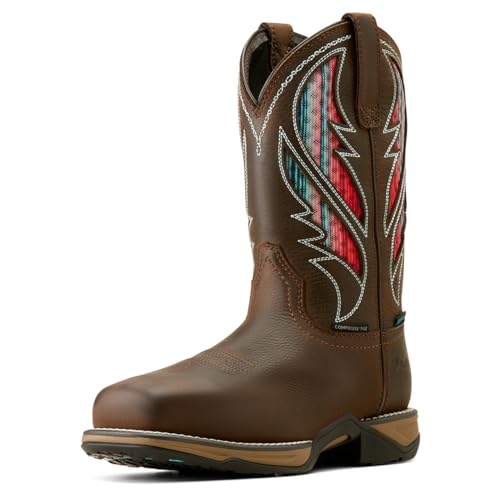
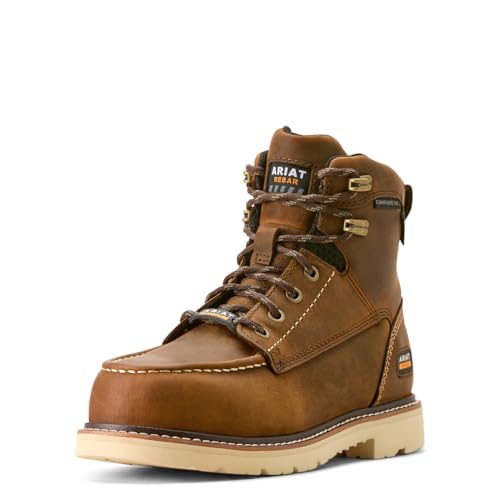


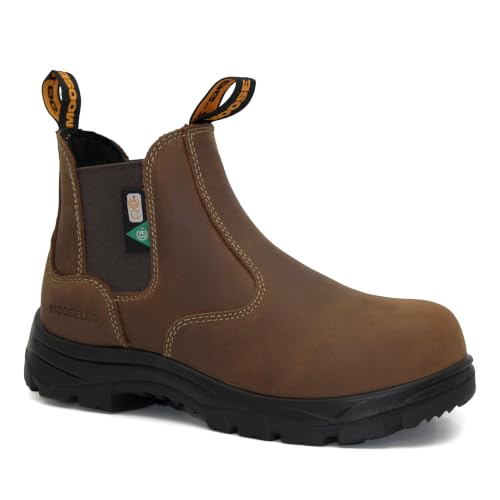
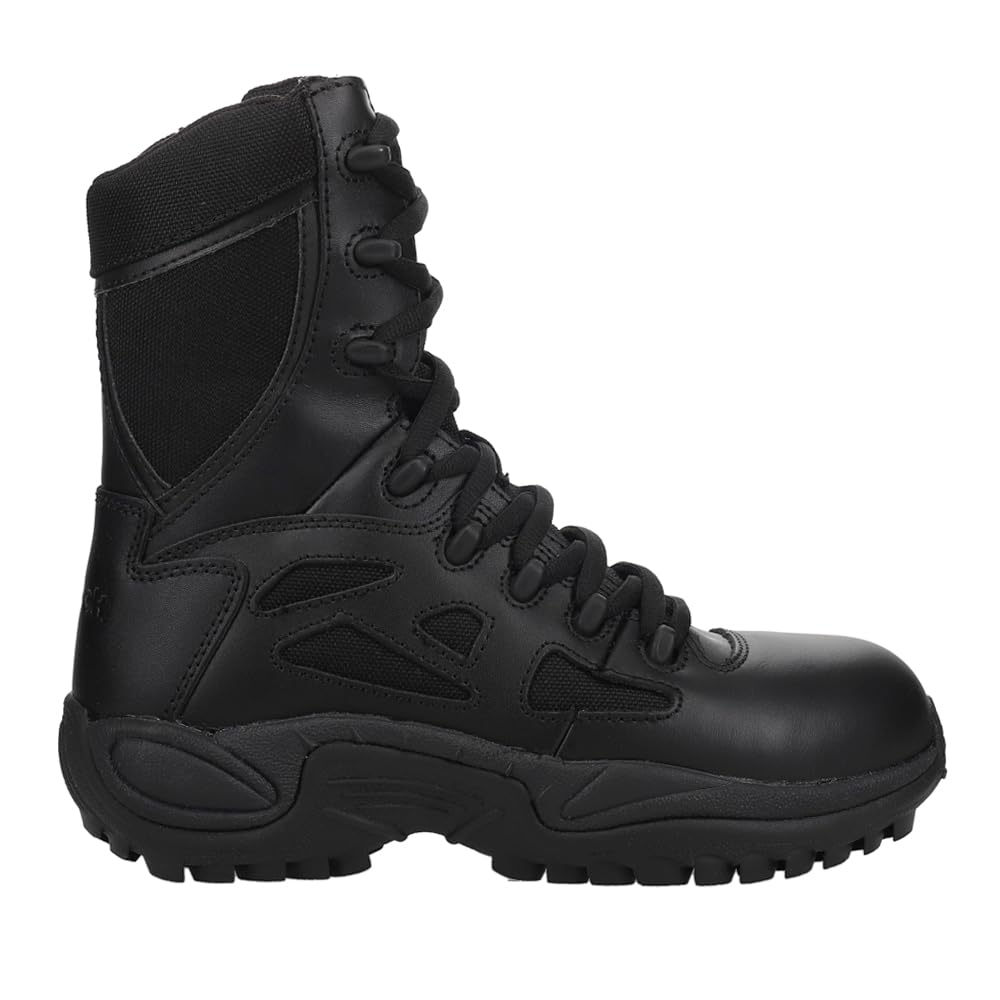

Composite Toe Work Boots 101: The Basics for New Buyers
A composite toe boot protects your toes with a cap made from materials other than steel, such as carbon fiber, fiberglass, or strong plastic blends. The cap sits inside the front of the boot, hidden under the upper, and it is shaped to spread the force of a dropped tool or a rolling load across a wider area.
Composite caps are lighter than steel caps, and they do not hold cold the way metal does on a winter morning. They also contain no metal, which matters at sites with walk through scanners. For the general background on this boot category, see our guide to the best composite toe work boots and the ratings those boots share.
Three terms will follow you through every listing. The toe box is the space around your toes, the outsole is the rubber layer that grips the ground, and the last is the mold a boot is built around, which decides the overall fit shape.
Who Should Buy Which Style of Boot
Your job decides which style deserves your money far more than fashion or brand names do. The three groups below cover most first time buyers.
Women Working Warehouses and Long Shifts on Concrete
If you walk and stand on sealed concrete for eight hours or more, weight and cushioning should lead your list. A lighter boot with a padded insole and a shallow lug outsole will feel kinder by the last hour of a shift. A mid height boot that flexes easily at the ankle is usually the practical choice indoors.
Women in Construction, Trades, and Outdoor Yard Work
Outdoor sites add mud, gravel, ladders, and dropped materials to the picture, so look for deeper lugs, a leather upper, and strong ankle coverage. A puncture resistant plate in the sole is worth seeking if your site has nails, scrap, or sharp debris.
Women in Light Duty Roles Who Still Need Toe Protection
Stockrooms, maintenance rounds, and delivery hubs often require a safety toe without requiring a tall boot. A shorter boot with a flexible sole can be enough, as long as the rating matches your employer rules. If your job allows shoes instead, our guide to the best composite toe shoes for women covers that lower cut option in detail.
Key Specs Explained in Plain English
As you compare the best composite toe work boots for women in the product table above, you will see the same handful of specs again and again. Each one below is explained once, in simple terms, with guidance on what most women should choose.
What Women Should Look For in a Women Specific Fit
A women specific boot is built on a last shaped for a narrower heel and a different forefoot ratio than a men boot simply made smaller. That shape reduces heel lift, which is a common cause of blisters on long shifts. Weight matters too, because a heavy pair adds up over thousands of steps. If low weight is your top priority, see our guide to the best lightweight composite toe work boots for how makers cut ounces.
Sizing ranges deserve a look as well, since some lines skip the half sizes and wide widths many women need. Our guide to the best men's composite toe work boots shows how men's lasts differ, which helps explain why a converted men size so often fits poorly.
Fit, Sizing, and Toe Box Room
Measure and try boots late in the day, when your feet are at their largest after hours of standing. Wear your real work socks, because thin dress socks will give you a false sense of room. Your toes should never press against the safety cap, and you should be able to wiggle them without the boot feeling loose at the heel.
If your heel lifts with every step, the size or the last shape is wrong, and thicker socks rarely fix that for long. Wide widths add room across the forefoot without adding length, so choose width for pinching at the sides and length for toes that touch the front.
Cushioning, Arch Support, and Stability
Cushioning is the foam in the insole and midsole that softens each step on hard floors, and it is the spec your feet will notice most by midday. Arch support is the shaped rise under your midfoot, and it helps spread your weight so your arches and heels ache less. Stability comes from a firm heel counter and a shank in the sole that resists twisting on uneven ground.
Heel to toe drop describes how much higher the heel sits than the forefoot, and higher drops shift more load toward the front of the foot. If you are used to flat shoes, a modest drop will feel more natural during the first weeks.
Outsole Traction and the Terrain You Walk On
The outsole pattern should match your floor, not a generic idea of grip. Shallow, closely spaced lugs suit smooth concrete and indoor floors, and they track in less dirt at the door. Deep, widely spaced lugs shed mud and bite into gravel, loose soil, and wet grass on outdoor sites. Rubber compounds labeled slip resistant are tested on wet and oily surfaces, which matters in kitchens, garages, and loading docks.
A worn smooth outsole loses grip long before the upper looks tired, so treat tread depth as a safety feature rather than a cosmetic one. If ladders are part of your day, a defined heel breast gives the rung a ledge to sit against.
Safety Ratings and Your Employer Rules
Look for the ASTM F2413 label inside the boot, which confirms the toe cap passed standard impact and compression testing. Added letters on that label point to extras such as electrical hazard protection or a puncture resistant sole plate. Your employer safety rules come first, so confirm the exact rating your site requires before you spend anything. A boot that looks tough but lacks the required code can be turned away at the door.
Composite caps also help if your site uses metal detectors, since there is no steel to trigger the alarm.
Durability and the Lifespan to Expect
Full grain leather uppers usually outlast thin synthetic ones, and stitched soles tend to survive longer than soles that are only glued. Expect a hard working pair worn full time to give about one to two years of service, with lighter duty use stretching that further.
The outsole is normally the first part to wear out, followed by the insole foam losing its spring. If you ever have a serious crush injury or lasting numbness, swelling, or color change in a foot after an impact at work, get medical care promptly rather than walking it off.
Waterproofing With Gore Tex and Other Membranes
A waterproof membrane such as Gore Tex is a thin layer inside the boot that blocks outside water while letting some sweat vapor escape. Choose it if you work outdoors in rain or wash down areas. The trade off is warmth and slower drying, so indoor workers on dry floors usually find a membrane boot hot by afternoon. If cold is your bigger problem, our guide to the best insulated composite toe work boots explains insulation weights and winter fit.
Upper Materials and Breathability
Leather is the durable default for rough sites, and it molds to your foot shape over the first weeks of wear. Mesh panels and lighter synthetic uppers run cooler and dry faster, which suits hot warehouses and summer work. Breathable linings that pull sweat away from the skin help either way, since damp socks are a leading cause of friction blisters.
Rookie Mistakes to Avoid
Most first time disappointments come from a few repeat errors rather than from bad boots.
- Buying your regular shoe size without trying the boot in work socks, which often leads to toes pressing on the rigid cap all shift.
- Choosing a men boot in a converted size, which often leaves the heel too wide and causes blisters within the first week.
- Paying for waterproofing you do not need, which leaves indoor workers with hot, slow drying boots on dry floors.
- Ignoring your employer rating requirement, which can get a new pair rejected by a safety manager on your first day.
- Judging traction by looks alone, which can put deep mud lugs on smooth concrete where they grip worse and wear faster.
- Wearing brand new boots for a full shift right away, which turns a normal break in period into sore feet and rubbed heels.
Getting Started: Setup and First Use
When your boots arrive, start by checking the size, the rating label, and both boots for stitching flaws or loose eyelets. Lace them snugly from the bottom up, firm at the ankle but never tight enough to leave deep marks. Wear them around the house for an hour or two on the first day, then for short errands, before trusting them with a full shift.
Build up wear time over about a week so the leather and foam adjust to your feet gradually. After each shift, loosen the laces fully, pull the insoles out if they come out, and let the boots air dry away from direct heat. At home, switching into soft, roomy shoes gives your feet a rest and gives the boot foam time to recover its shape.
Store boots upright in a dry spot rather than in a gym bag, where trapped moisture breeds odor and breaks down linings.
Frequently Asked Questions
What makes composite toe work boots for women different from unisex safety boots?
The main difference is the last, because women specific boots use a narrower heel and a forefoot shape based on women feet rather than scaled down men feet. Many also run lighter and offer smaller sizes with real wide options. One detail new buyers miss is the calf and ankle opening, which is often shaped to reduce rubbing above the heel.
How should composite toe work boots for women fit when they are brand new?
They should feel snug at the heel and midfoot, with clear space ahead of your toes and no pressure from the cap. A useful home test is to walk down a slope or stairs, because toes that jam forward there will jam on site ramps too. Slight stiffness is normal, but sharp pinching is not, and pinching rarely improves with wear. When in doubt, exchange sizes during the return window instead of hoping the cap area will stretch.
How long is the break in period for composite toe work boots for women?
Most leather pairs settle in over about one to two weeks of gradually longer wear. The cap itself never softens, so what changes is the leather, the collar padding, and the insole molding to your foot. If pain stays in the same place after two weeks, treat it as a fit problem rather than a patience problem.
Do women need waterproof composite toe work boots for indoor warehouse jobs?
Usually not, because dry indoor floors reward breathability more than water protection. A membrane adds warmth, cost, and drying time that indoor workers rarely get value from. The exception is wash down work, refrigerated areas with condensation, or a commute that involves long wet walks to the site entrance. If your socks end most shifts damp from sweat rather than rain, choose the more breathable boot every time.
Can women wear composite toe work boots all day on concrete floors?
Yes, provided the fit is right and the insole still has life in it. Concrete is unforgiving, so a cushioned insole and supportive socks do as much for comfort as the boot itself. Standing mats at a fixed station help more than most buyers expect, and they cost far less than a second pair of boots.
How often should women replace composite toe work boots?
Replace them when the tread is worn smooth, the midsole feels flat and harsh, or the cap area takes a serious impact. For full time wear that often lands between one and two years, though light duty pairs can last longer. A quick monthly check of tread depth and heel wear catches decline early. Keep your receipt and rating details, since some employers reimburse replacements on a set schedule.
The Bottom Line
For a first pair, put fit first, rating second, and traction third, and let your actual floor and weather settle the rest. Use the product table above to compare weight, height, and waterproofing side by side once you know which specs your job demands. Chosen that way, the best composite toe work boots for women stop being a gamble and become a simple match between your workday and the right pair of boots.


