Best Component Speakers for Sound Quality: Tweeters, Crossovers and Fit for 2026
Disclosure: We may earn a commission when you buy through links on this page, at no extra cost to you. As an Amazon Associate I earn from qualifying purchases. Learn more

Component speakers for sound quality: how tweeter material, crossover, sensitivity and fitment shape clean highs and clear vocals.
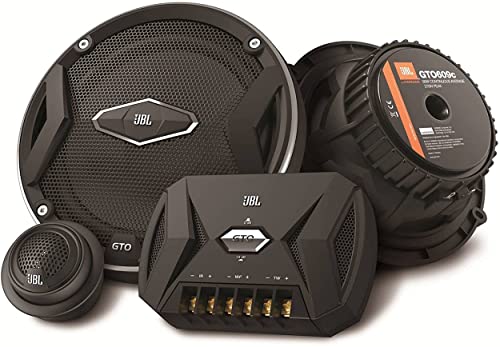
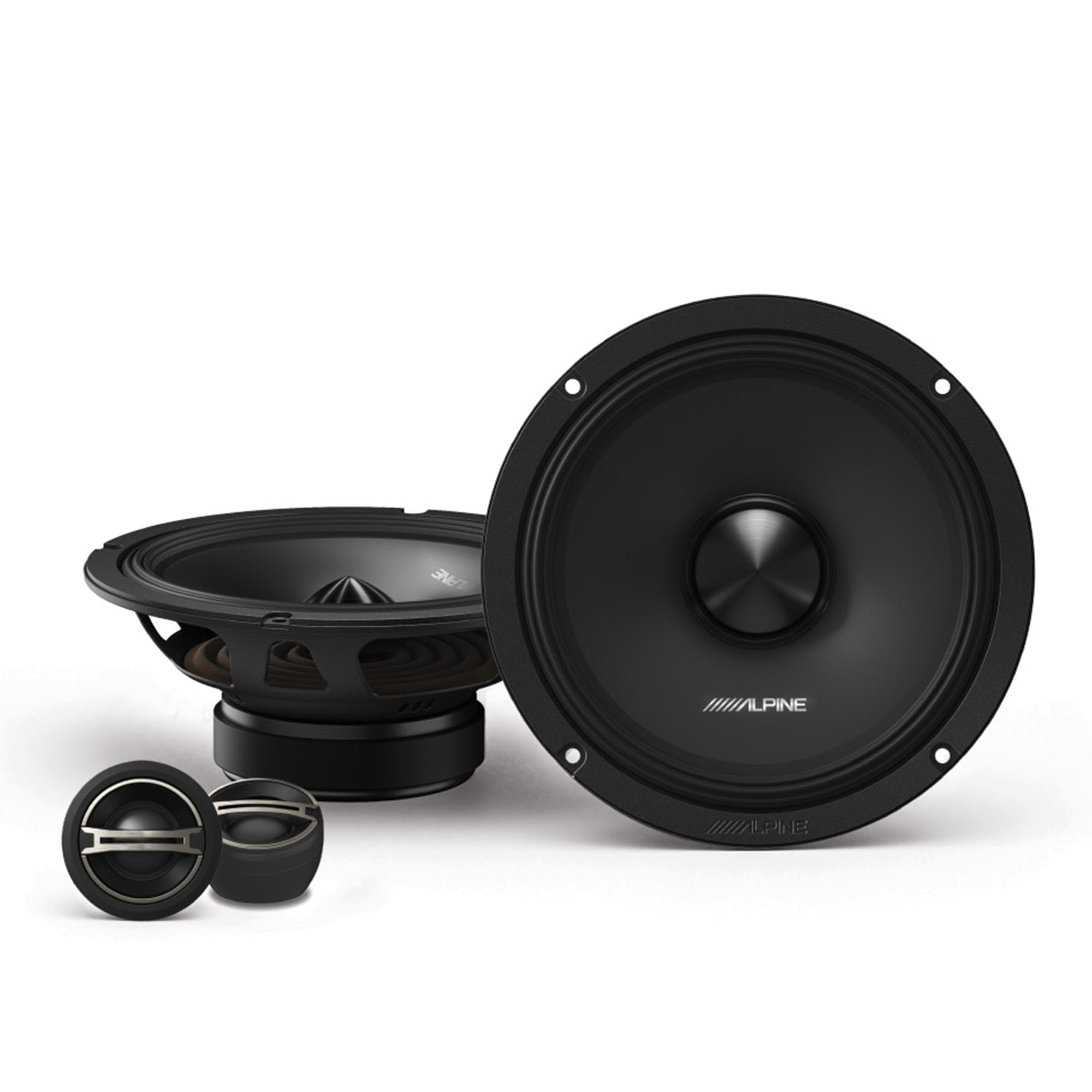
Sound quality in a component speaker set comes down to how cleanly each driver does its own job. A dedicated woofer handles bass and lower midrange, a separate tweeter handles the top end, and a crossover decides where one hands over to the other. When these parts are matched and mounted well, vocals sound natural, cymbals stay clear without harshness, and the soundstage seems to sit in front of you instead of at your ankles. This guide explains what to look for in the best component speakers for sound quality and how installation and power change the result.
Use the product table above as a shortlist, then compare the tweeter type, crossover, sensitivity, and fitment details covered below before you order.




What Sets Component Speakers Apart for Clean Sound
A coaxial speaker mounts the tweeter on the woofer, so the highs come from low in the door. A component set lets you place the tweeter higher, on the sail panel, dash corner, or A pillar, and aim it toward the listener. That placement, along with a crossover tuned for the pair, is the main reason component sets image and separate instruments better.
The trade off is installation. You need a location for the tweeters and the crossover boxes, and you may need pods or adapters. Check your door cards and pillars before choosing a set, because the best speaker for your car is the one you can mount well.
Features That Shape Sound Quality
These are the features that separate the best component speakers for sound quality from ordinary sets.
Tweeter Material and Placement
Soft domes made from silk or similar textiles sound smooth and forgiving, which suits long drives and bright recordings. Metal domes, such as aluminum, titanium, or beryllium alloys, sound more detailed and brighter, and some listeners find them fatiguing at high volume. Where the tweeter points matters as much as the material, so try to aim both tweeters toward the listening position.
Crossover Quality
The crossover splits the signal between woofer and tweeter. A well designed one blends the two drivers so voices sound natural through the handover region. Look for a crossover with a tweeter level switch, which lets you tame brightness or lift detail to suit your cabin and taste. External crossover boxes are generally easier to place and adjust than ones built into a speaker.
Woofer Cone and Surround
Stiff cones such as polypropylene, woven fiber, or treated materials keep the midrange clean at higher volume. Rubber surrounds last longer than foam in hot doors and allow controlled cone movement. A lightweight cone reacts quickly and often gives better detail, while a heavier one can give stronger bass at the cost of some speed.
Sensitivity and Power Handling
Sensitivity describes how loud a speaker plays per watt. Higher sensitivity helps on factory head unit power, while lower sensitivity speakers usually want an amplifier to sound their best. Match amplifier power to the continuous (RMS) rating of the speaker rather than the peak figure printed in large type. Clean power matters more for sound quality than raw output.
Size and Fitment
Choose the size your doors accept, such as 6.5 inch, 5.25 inch, 4 inch, or 6 by 9 inch openings, and check mounting depth against the window mechanism. A great speaker that does not fit properly will sound worse than a good one that is sealed to the door and mounted securely.
Types of Component Sets for Sound Quality
Two way sets pair one woofer and one tweeter per side and are the usual choice for a clean everyday upgrade. Three way sets add a midrange driver, which can improve vocal detail and let the woofer concentrate on low notes, but they need more space and tuning. Convertible sets let you mount the tweeter on the woofer like a coaxial speaker or separately like a component set, which gives flexibility if you are unsure about tweeter locations. Our guide to the best car component speakers for sound quality goes further into choices for cars.
Getting the Best Sound From Your Set
Installation changes sound quality more than most buyers expect. Seal the woofer to the door with foam rings or a baffle, add sound deadening to the outer door skin to reduce panel buzz, and tighten every screw so nothing rattles. Even modest treatment makes midrange cleaner and bass tighter.
Set the tweeter level and any equalizer changes at a normal listening volume, with music you know well; this is where component speakers for sound quality pay off. Play a few familiar tracks with clear vocals, acoustic guitar, and cymbals, and adjust until none of them stands out. Listen again on a different day, because your ears settle and small changes often turn out to matter. Avoid pushing treble or bass boost to compensate for road noise, because boost adds distortion faster than it adds detail. If you add an amplifier, set the gain carefully so the speakers stay clean at your usual volume.
Give a new set a short settling in period, because suspensions loosen with use and the sound often smooths out over the first hours of playing. After that, adjust the balance and fade for your seat rather than the center of the car. Related guides such as the best sounding component speakers and the best sound quality speakers give more context on comparing sets by listening character.
Mistakes That Hurt Sound Quality
- Choosing on peak wattage rather than RMS power and sensitivity.
- Mounting tweeters low in the door, where legs and seats block the highs.
- Skipping the seal and sound deadening, which lets bass leak and panels vibrate.
- Ignoring mounting depth, so the woofer hits the window track.
- Mismatching amplifier power and speaker rating, which adds distortion at higher volume.
Component Speaker Sound Quality FAQ
Do component speakers sound better than coaxial speakers?
In most cars, yes, because separate tweeters can be aimed at the listener and the crossover is tuned for each driver. Coaxials still make sense for rear doors or simple, low cost upgrades.
Do I need an amplifier for good sound quality?
Not always. Many sets run well from a factory head unit if sensitivity is high enough, but an amplifier adds headroom and control, especially at highway volume.
Which tweeter is better, silk or metal?
Silk and other soft domes sound smoother, and metal domes sound brighter and more detailed. Your taste and your cabin acoustics decide, and a tweeter level switch lets you fine tune either type.
Where should I mount component tweeters?
The sail panel, dash corner, or A pillar usually works best, aimed toward the listener. Test positions with tape or temporary mounts before cutting or gluing anything.
How long do component speakers last?
A quality set often lasts five to ten years. Rubber surrounds outlast foam in hot doors, and moisture resistant cones help in damp climates.
Final Thoughts
Pick a size that fits your doors, a tweeter that suits your taste, and a crossover you can adjust, then mount everything carefully. The best component speakers for sound quality are the ones matched to your power and your car, and installed with a good seal. Compare your shortlist in the product table above and check fitment before you buy.