
Best Compact Waterproof Cameras: Every Type Explained Side by Side for 2026
Disclosure: We may earn a commission when you buy through links on this page, at no extra cost to you. As an Amazon Associate I earn from qualifying purchases. Learn more

Compare compact waterproof camera types by size, sealing, focus, stabilization and image quality, so you can pick the style that fits your trips and budget.
Shopping for best compact waterproof cameras can feel confusing because the label covers several very different styles. Some are small sealed cameras built for swimming and rain, while others are rugged action style cameras made to be mounted on a helmet, a bike, or a board. This guide compares the main types side by side, so you can see the comparison table below and match a style to the way you actually shoot.
The right choice depends less on one headline number and more on fit, sealing, and ease of use in wet conditions. A camera that is easy to hold with wet hands, simple to operate, and safe to rinse after a beach day will serve you better than a feature packed model that stays in a bag. Keep your typical trips in mind as you read, and use the price ranges as rough planning figures rather than exact prices.
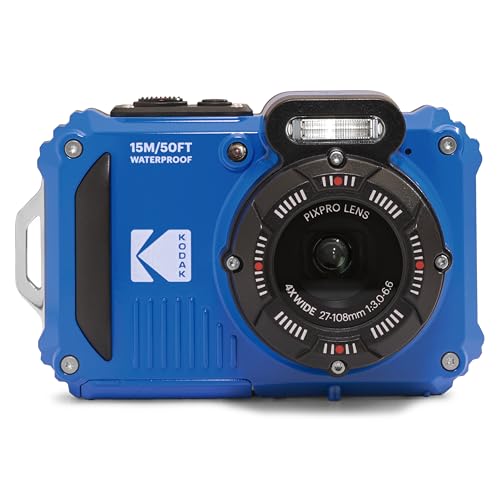


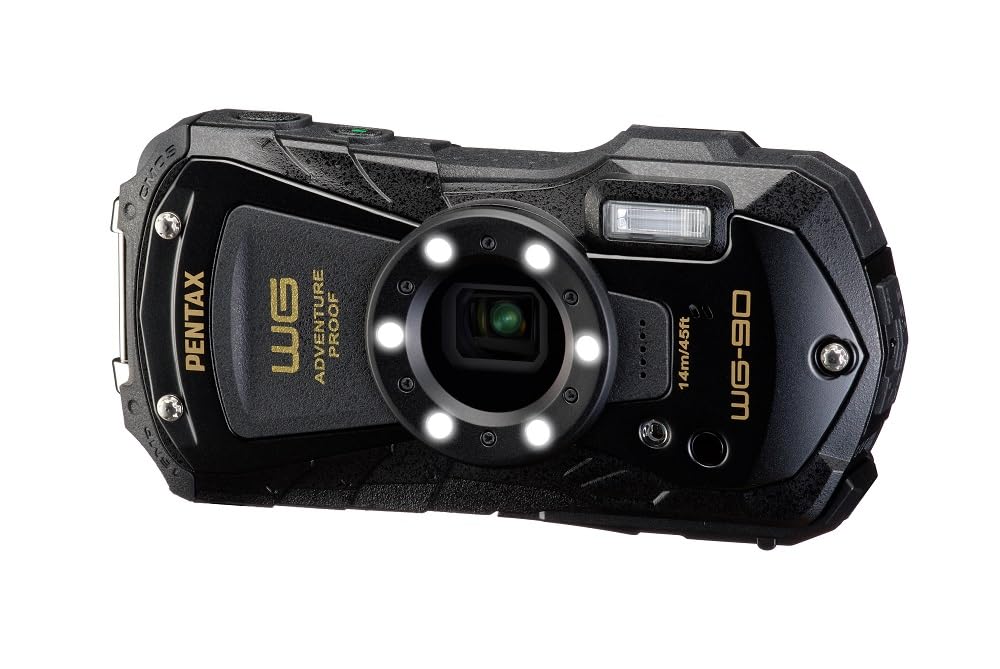


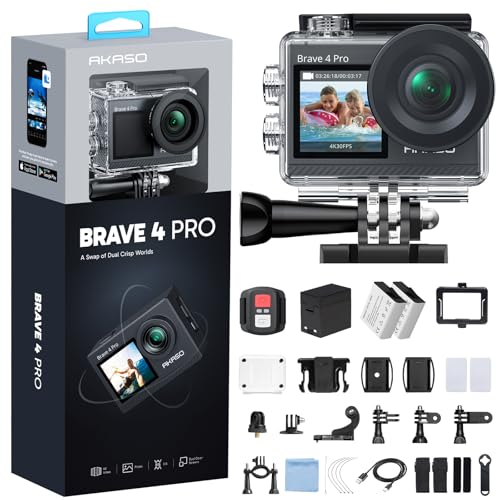
Types of Compact Waterproof Cameras Compared
The table below gives a quick view of the main styles. Read the detail under each heading before you decide, because sealing depth, controls, and image quality vary a lot even within one style.
| Type | Best For | Pros | Cons | Typical Price |
|---|---|---|---|---|
| Pocket sealed cameras | Travel, family trips, and snorkeling | Simple controls, zoom lens, screen for framing | Limited low light reach, modest zoom range | About $250 to $500 |
| Action style cameras | Sports, mounting, and video first shooting | Very tough, wide view, strong stabilization | Small screen, menu heavy controls | About $200 to $450 |
| Vlogging style cameras | Talking to camera and everyday video | Good audio options, flip screen, easy sharing | Sealing often needs a case, larger body | About $300 to $600 |
Pocket Sealed Cameras
A pocket sealed camera looks like a small everyday camera, but its body, buttons, and lens cover are sealed against water and dust. It suits travelers who want a zoom lens, a screen for framing, and simple automatic modes for beach days, boat trips, and rainy walks. The zoom lets you frame a distant boat or a child playing in the surf without swapping lenses or moving closer.
The trade off is low light performance. A small sensor gathers less light than a larger one, so indoor shots and dusk scenes can look softer or noisier. Check the stated waterproof depth and whether the maker rates the camera for salt water use, and follow the maker guidance for rinsing and drying the seals after use.
Action Style Cameras
An action style camera is built to be mounted and to keep recording through drops, splashes, and rough handling. Its wide lens captures a whole scene, and its stabilization smooths out bumpy rides, runs, and paddling. Many models also record high resolution video and offer slow motion for sports clips.
The wide view is both a strength and a limit. It is great for showing a whole trail or wave, but it is less flattering for close portraits and distant subjects. Controls are often small and menu based, so practice with the buttons and the companion app before a trip, and carry a spare battery because video drains power fast.
Vlogging Style Cameras
A vlogging style camera is designed for people who talk to the camera and record everyday video. It often has a screen that flips forward, a mount for an external microphone, and simple video settings that keep the focus on the speaker. For creators who shoot near water, this style can work well on a dock, a boat deck, or a rainy street.
Sealing is the key question here. Some vlogging models are only splash resistant on their own and need a separate waterproof case for full immersion. If you plan to swim with the camera, confirm the depth rating with the case fitted, and test the case empty before you trust it with the camera inside.
Pocket Sealed Cameras or Action Style Cameras: Which Fits Your Trips?
Choose a pocket sealed camera if you want a zoom, a clear screen, and simple still photos on family trips. Choose an action style camera if video comes first, if you plan to mount the camera, or if you expect drops and rough handling. Compare five points before you decide: sealing depth, zoom range, screen size, battery life, and how easy the controls feel with wet hands.
For mixed use, the pocket style is usually the safer first pick because it handles both photos and video without mounts or extra cases. For sports and adventure video, the action style wins because it is tougher, wider, and easier to mount. Either way, budget for a spare battery, a memory card, and a padded dry bag for storage between shoots.
How to Choose the Right Compact Waterproof Camera
Work through the factors below in order. Size and sealing matter first, because a camera that is hard to carry or hard to trust in water will not get used. Image factors matter next, once you know the body will survive your trips.
Measuring for Size and Portability
Think about where the camera will live during a trip. A pocket model should fit a jacket pocket or a small pouch without a bulky case, while an action model should fit its mounts and still leave room for a spare battery. Weigh the camera with its battery and card fitted, since maker figures sometimes leave those out.
Smaller bodies are easier to carry all day, but they can feel cramped with wet or gloved hands. If possible, hold the style you are considering and test the shutter button, the zoom control, and the mode dial with damp hands. Comfort on a long day matters more than saving a few grams on paper.
Durability and Weather Sealing
Check three ratings before you buy: waterproof depth, drop resistance, and operating temperature range. A camera rated for shallow snorkeling is not the same as one rated for deeper dives, and a splash resistant model is not the same as a fully sealed one. Read the maker guidance on seal care, since sand, hair, and dried salt can break a seal even on a well made camera.
After salt water use, rinse the camera in fresh water as the maker directs, and dry it fully before opening any door or cover. Inspect seals for grit or damage, and replace a worn seal promptly. Good care extends the life of the camera far more than any single specification.
Ease of Use for Your Skill Level
New shooters should favor clear automatic modes, a bright screen, and a simple menu. Look for a dedicated video button, a quick way to switch to underwater mode, and an app that transfers photos without a cable. These small details matter when you are standing in rain or on a boat.
More experienced shooters may want manual controls, a raw photo option, and a hot shoe or mic input. Balance those wants against size, because a camera loaded with controls can grow too large for a pocket. Choose the simplest model that still gives you the control you will actually use.
Autofocus and Stabilization
Autofocus matters most for moving subjects such as children, pets, and sports. Look for face and eye detection if you shoot people, and for subject tracking if you shoot action. Test how quickly the camera locks focus in dim light, since beach evenings and forest shade can slow a weak system.
Stabilization matters most for video. Optical or sensor based stabilization smooths walking and paddling footage, while electronic stabilization can crop the frame slightly. For the steadiest results, combine stabilization with a grip or a small mount, and keep your movements slow and smooth.
Sensor Size and Image Quality
A larger sensor usually captures cleaner images in low light and gives more room to crop, but it also raises cost and body size. A one inch sensor is a useful step up from a very small sensor for travel photos, while larger sensors suit shooters who print big or edit heavily. Megapixels alone do not tell the whole story, so compare sample images at the sizes you actually use.
Video quality deserves the same care. Check the highest frame rate at full resolution, since some models only reach their top frame rate at a lower resolution. If you edit video, confirm that your computer and software handle the file format and frame rate you plan to use.
Tips to Get the Most From Your Compact Waterproof Camera
Use a lens cloth, not your shirt, to clean the lens, since grit on fabric can scratch the coating. Carry a spare battery and keep it in a dry pouch, because cold water and long video sessions drain power quickly. Store the camera in a dry, padded bag between shoots, and leave doors open after drying so trapped moisture can escape.
Before a water trip, check every seal, close every door firmly, and test the camera in shallow water first. After the trip, rinse, dry, and inspect again. A short routine like this protects your photos and keeps the sealing reliable season after season.
For travel stills and short clips, see our guide to best compact cameras for travel for size and packing ideas. For a closer look at zoom ranges, see our guide to best compact cameras with zoom. For a broader comparison of small cameras, see our guide to best compact digital cameras.
Compact Waterproof Cameras: Your Questions Answered
Which compact waterproof camera is better for low light?
A pocket sealed camera with a larger sensor and a brighter lens usually does better in low light than a tiny action camera. Look for a wide maximum aperture and a sensor that is larger than the smallest class, and expect cleaner results at dusk and indoors. Action cameras can still work well in bright daylight, but they struggle sooner as light falls. For evening shots, use a steady grip, keep the ISO setting moderate, and accept a little noise rather than a blurred photo.
What waterproof depth rating should I look for?
Match the depth rating to your deepest planned use, not to your average swim. A rating around 10 meters covers snorkeling and pool play for most travelers, while deeper ratings suit divers who stay within recreational limits. Remember that the rating assumes intact seals and gentle handling, so a damaged seal or a hard knock can reduce protection. Always rinse and inspect the camera after salt water use, and follow the maker guidance on seal replacement intervals.
What specs matter most for beginners?
Beginners should prioritize sealing depth, simple automatic modes, battery life, and a clear screen over headline resolution. A camera that is easy to operate in wet conditions will produce more keepers than a complex model that confuses you at the beach. Check the zoom range, the weight with battery fitted, and whether the app transfer works smoothly with your phone. Spend the remaining budget on a spare battery, a fast memory card, and a padded case.
Is a smartphone enough instead of a waterproof camera?
A modern phone takes excellent photos in good light, and a waterproof pouch can protect it for shallow use. A dedicated waterproof camera still wins for deeper water, for rougher handling, and for trips where you do not want to risk your phone. It also offers a real zoom, physical buttons that work with wet hands, and a battery you can swap without losing your phone. If your trips stay shallow and calm, a phone in a reliable pouch may be enough.
How much should I spend on my first compact waterproof camera?
First time buyers can plan around $250 to $500 for a pocket sealed camera, with action style models starting a little lower. Budget models cover swimming, rain, and family trips well, while higher spending buys better low light results, faster focus, and stronger video features. Reserve part of your budget for a spare battery, a memory card, and a dry bag, since those accessories affect real world use more than a small sensor upgrade. Buy the simplest model that covers your deepest water use and your most common shooting style.
Final Thoughts
The best compact waterproof cameras are the ones that fit your trips, survive your water use, and stay easy to operate with wet hands. Start with sealing depth and size, then compare focus, stabilization, and sensor size within your budget. Check the product table above once more, list your deepest water use and your most common subject, and pick the style that covers both without forcing you to carry gear you will not use.

