
The Best Compact Wireless Speakers: Buying Guide and Checklist for 2026
Disclosure: We may earn a commission when you buy through links on this page, at no extra cost to you. As an Amazon Associate I earn from qualifying purchases. Learn more

Learn how to choose the best compact wireless speakers by comparing battery life, Bluetooth range, water resistance, sound tuning, and pairing options.
A compact wireless speaker has to do several jobs at once. It should sound full at kitchen volume, survive a splash by the sink, pair without a fight, and still have charge left at the end of the day. Specs sheets make every model sound equal, which is why so many buyers end up with a speaker that is loud but tiring, or tough but dull.
This guide sorts the best compact wireless speakers by the things you will notice weekly: battery honesty, connection stability, water protection, and tuning that suits your rooms. Start with the comparison table below, then run your finalists through the checks here before you buy.




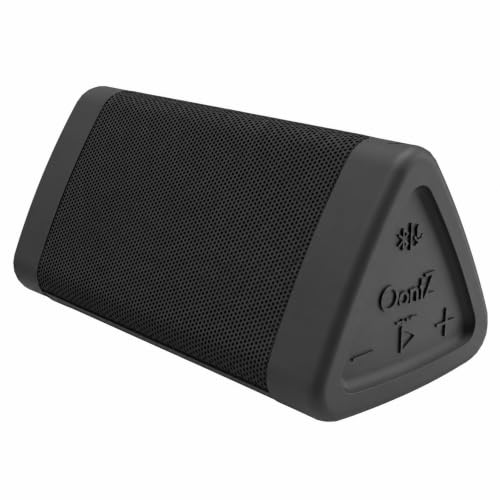
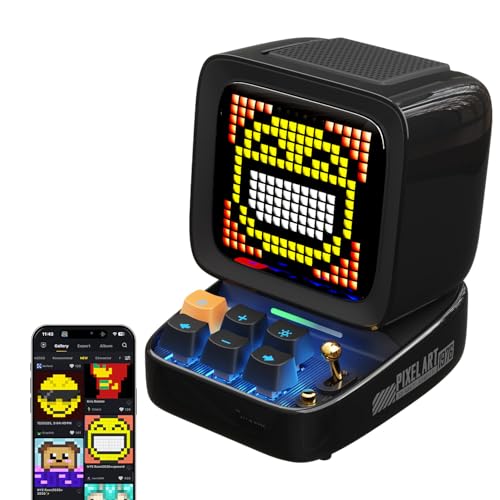
Three Price Tiers at a Glance
Tiers in this category mostly buy battery size, cabinet quality, and connection features. Use them to set expectations, then confirm the details that matter for your routine.
Premium Tier
The premium tier, often about $150 to $300, suits daily listeners who carry one speaker everywhere. Expect Bluetooth 5.3 with multipoint pairing, honest battery life around 15 to 24 hours, and an IP67 rating that covers rain and brief dunks. Drivers are larger, so voices stay clear and bass has real body at moderate volume. The compromise is weight, since bigger batteries and cabinets travel less lightly. Choose this tier if one speaker must handle the kitchen, the desk, and weekends away without excuses.
Midrange Tier
The midrange tier, often about $60 to $150, covers most homes very well. You typically get solid Bluetooth range, about 10 to 15 hours of playtime, and water resistance fit for bathrooms and patios. Sound favors clarity over deep bass, which suits podcasts, radio, and background music. The compromise is charging speed and fewer pairing extras. Choose this tier if you want a dependable speaker for one or two main spots and would rather buy a second unit later than overspend now. The wider best wireless speakers category shows how this tier compares with larger home models.
Upgrade Tier
The upgrade tier, often about $300 to $500, buys refinement rather than raw volume. Expect the most balanced tuning in the class, stereo pairing with a second unit, WiFi streaming on some models for lossless home listening, and premium materials that age gracefully. Battery life is strong and charging is fast, often by USB C with a full charge in a few hours. The compromise is price and size creep toward the top of compact. Choose this tier if music quality is the point and the speaker will be your main system in a small home.
How to Choose the Best Compact Wireless Speakers: Buying Guide
Measuring for Size and Portability
Check the cabinet against the places it will live: the shower ledge, the car cup area, the carry on pocket, the narrow kitchen shelf. Weight matters over a day of carrying, and anything much above about 2 lb stops feeling grab and go. A built in handle or strap changes how often you actually move a speaker, so judge the carry method, not just the grams. Try a stand in test at home by placing a similar sized bottle or box in those spots for a day. Blocked doors and wobbling shelves show up fast.
Sound Quality and Tuning
Compact cabinets trade bass depth for size, so honest tuning matters more than driver claims. Look for a frequency response that reaches toward 60 to 80 Hz for warmth, and prefer a balanced profile if you listen to speech and music in equal parts. Passive radiators add low end thump but can blur detail at high volume. An app EQ is genuinely useful here, letting you trim bass on a desk and restore it outdoors. If you mostly listen quietly, prioritize midrange clarity, because thin voices at low volume are the most common complaint in this class.
Noise and Listening in Busy Places
Portable speakers do not cancel room noise, so plan around it. Outdoors and in workshops, a speaker with strong output and forward facing drivers stays intelligible without being pushed to distortion. Indoors late at night, the opposite skill matters: clean, full sound at low volume so you do not disturb the next room. Some models add an ambient or outdoor mode that lifts vocals and trims bass for open air use. Treat any noise cancelling language in a listing with suspicion, and spend instead on output quality and placement flexibility.
Connectivity (Bluetooth Version, Codecs, Wired)
Bluetooth 5.3 brings steadier connections, better range through walls, and multipoint pairing so a phone and laptop can share the speaker. Codec support such as AAC suits Apple devices, while aptX and LDAC can add detail with compatible Android phones. For video, check latency behavior, since a delayed speaker makes lips and sound drift apart. A 3.5 mm or USB audio input is a quiet hero feature, covering older gear and zero delay wired playback. Range claims assume open space, so expect less in a brick home and test pairing in your worst room during the return window.
Microphone Quality
A built in microphone turns a speaker into a speakerphone for the kitchen, the desk, and group calls on the patio. Quality varies a lot. Good models keep your voice clear a few feet away and tame echo in hard surfaced rooms, while weak ones sound distant and invite people to repeat themselves. If you take calls daily, check whether the mic still works while music plays and how the speaker handles wind outdoors. Voice assistant access through the mic is a bonus, but call clarity is the feature you will judge every week.
Carrying Comfort, Fit, and Weight
Fit for a portable speaker means how it sits in your hand, bag, and chosen spots. Rounded edges and a grippy finish survive daily grabs better than slick metal shells. Buttons should be raised enough to find by touch, with volume and play controls you can work without looking. A flat base that stands steady on uneven ground beats a clever shape that tips. If the speaker will ride in a bike basket or hang from a hook, confirm the strap anchor is part of the frame, not a glued loop that will age out first.
Placement and Room Size (for Speakers)
Small speakers sound bigger with smart placement. A corner or a spot near a wall adds free bass reinforcement, which helps in kitchens and bathrooms, while the middle of a large room leaves a compact speaker sounding thin. Outdoors, place the speaker on a solid surface with open space in front, and raise it toward ear height when you can. Two smaller speakers paired in stereo usually beat one larger unit for a living room, spreading sound evenly at lower volume. Our guide to the best portable wireless speakers goes deeper on placement for travel and day trips.
Shoppers who mainly need a stationary shelf unit can also compare the best compact speakers range, where no money goes to batteries you may never use.
Types of Compact Wireless Speakers
Outdoor and Rugged Models
These are sealed, tough, and usually rated IP67, with rubber armor and covered ports. Sound favors projection and durability over fine detail. Best for patios, job sites, boats, and beach bags, where rain and knocks are routine rather than rare accidents.
Gaming and Desk Models
Desk focused wireless speakers add low latency modes, USB audio, and tuning voiced for near field listening. They suit small gaming and work setups where cables are few and dialogue clarity matters. Best for bedrooms and offices that double as entertainment spaces.
Home and Bookshelf Models
These compact speakers stay in one place, often adding WiFi, stereo pairing, and richer tuning in exchange for size and plug in power. Best for living rooms and kitchens in smaller homes, where one or two units serve as the main music system every day.
Bass Focused Models
Bass focused designs use larger passive radiators and tuning that pushes low end for parties and open spaces. They trade some vocal delicacy for energy, and they are heavier for their size. Best for listeners whose playlists are beat driven and who play outdoors often. For that short list, see our guide to the best bass wireless speakers.
Setup and Care Tips
- Keep firmware updated. Updates improve pairing stability and battery reporting, and they often fix standby drain.
- Charge with care. Avoid leaving the battery empty for weeks, and store the speaker around half charge if it will sit unused for a season.
- Rinse after salt or sand. For rated models, a gentle fresh water rinse keeps seals and buttons working, then dry fully before charging.
- Store in a case or padded bag when traveling, since driver grilles dent easily in a packed trunk.
- Avoid max volume for long sessions. Small drivers distort near the limit, and constant distortion shortens driver life.
- Clean the ports. Lint in a charging port is a common cause of slow or failed charging that looks like a dead battery.
If most of your listening happens outside, our guide to the best outdoor wireless speakers compares tougher builds in more depth.
Compact Wireless Speakers: Your Questions Answered
What IP rating do I need for outdoor use of a compact wireless speaker?
Choose IP67 for open weather, since it covers dust and short immersion in water. For a covered porch, a splash rating can be enough, but ratings only hold when port covers are closed and the speaker has no cracks. One point many buyers miss is temperature. Batteries lose capacity in cold weather and age faster in hot cars, so bring the speaker indoors after a winter hike or a summer beach day.
Do I need a special codec for a compact wireless speaker?
No, standard Bluetooth audio is fine for most listening. AAC helps Apple users, and LDAC or aptX can add detail when your phone supports them and your source files are high quality. The bigger daily win is a stable connection with multipoint, because songs rarely fail from codec choice but calls and videos do suffer from dropouts. Spend on connection quality first and treat codec badges as a tiebreaker between two close finalists.
Is ANC worth the extra cost in a compact wireless speaker?
No, because a speaker playing into a room cannot cancel noise around your ears the way sealed headphones can. Listings that suggest otherwise are stretching the term. If noise is your problem, a louder and clearer speaker helps outside, while headphones help on transit. Put the ANC budget toward battery size or a second speaker for stereo, both of which you will appreciate on every single session.
How long does the battery last in a compact wireless speaker?
Expect about 10 to 24 hours depending on size, volume, and features, with makers quoting figures at moderate volume. Loud outdoor playback can cut that range nearly in half. A useful check is charging speed, since a speaker that regains several hours of play from a short charge forgives a forgotten cable. If you host long days outside, favor models that can play while plugged into a power bank.
Wired or wireless: which sounds better for compact speakers?
A wired input can sound slightly cleaner and removes all delay, which is why many models keep an aux or USB option. Modern Bluetooth at close range is close enough that convenience wins for most homes. The honest rule is to use wireless for freedom and wired for video, gaming, or troubleshooting. If a speaker sounds poor, check placement and EQ before blaming the connection, because those two factors change the sound far more.
The Bottom Line
Decide where the speaker will live most days, then weigh battery honesty, water protection, and tuning for that setting above all else. A model that fits your routine will be charged, carried, and enjoyed, while a spec sheet star that fights your routine will sit in a drawer. Judge your finalists against that standard and the best compact wireless speakers for your home will pick themselves. Compare them in the product table above, confirm the rating and playtime one last time, and order with a return window long enough for a real weekend of listening.

