Best Commercial Thermostat: Business Climate Control Guide for 2026
Disclosure: We may earn a commission when you buy through links on this page, at no extra cost to you. As an Amazon Associate I earn from qualifying purchases. Learn more

Offices, shops and clinics: the best commercial thermostat balances lockable settings, zoning and schedules. Compare what matters before you buy.
Offices, shops, and clinics need climate control that survives heavy daily use, and the best commercial thermostat balances simple operation with schedules and zoning for multi room spaces. The sections below compare control styles, zone support and durability features. A good commercial thermostat holds a steady temperature, resists tampering, and keeps running costs under control through open hours and closed hours alike.
Commercial thermostats differ from home models in build, lock options, and system compatibility. They often serve larger systems, multiple zones, and staff who should not change settings freely. This guide explains the practical features that matter in a workplace, and how to work with an installer on a reliable setup.





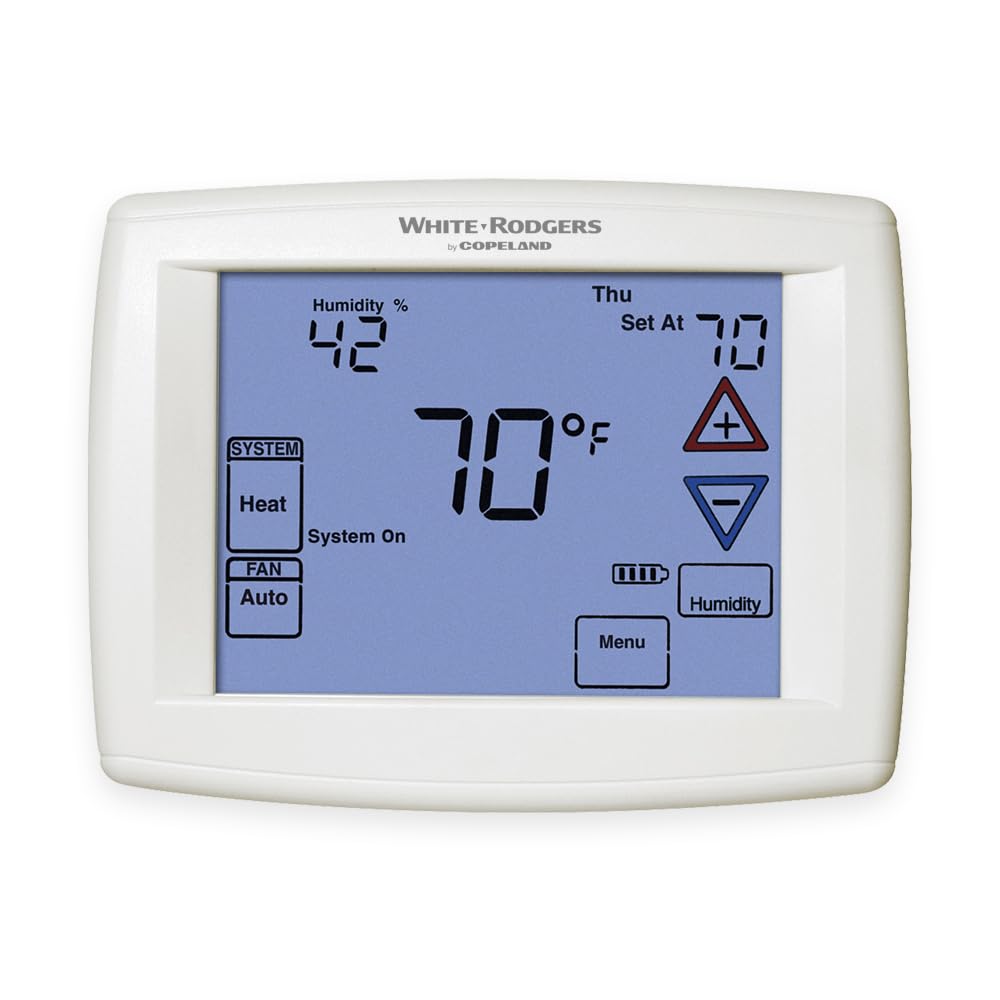
Who Should Buy a Commercial Thermostat
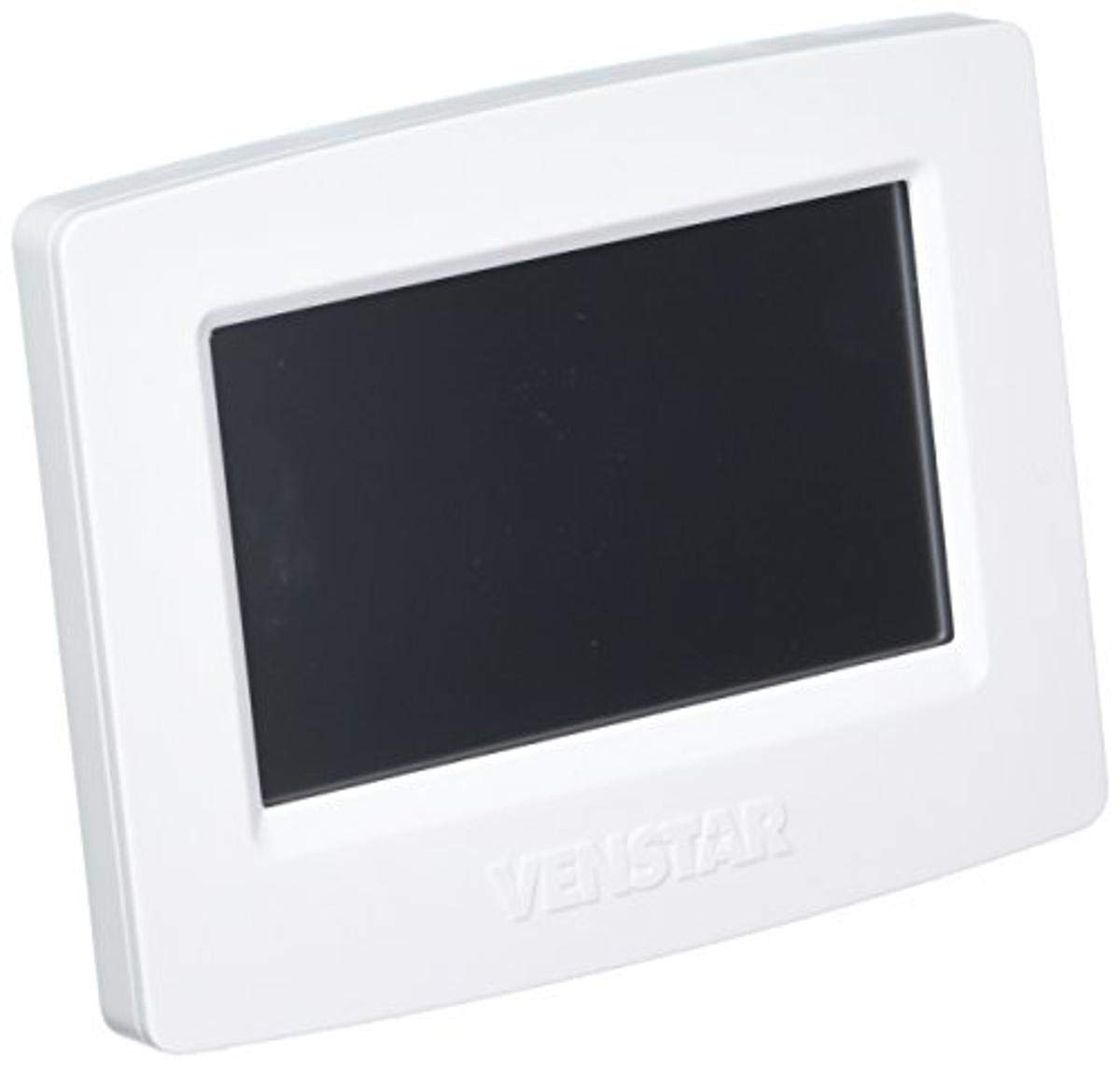
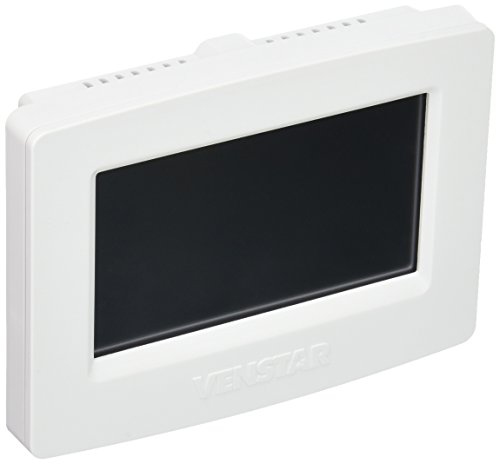
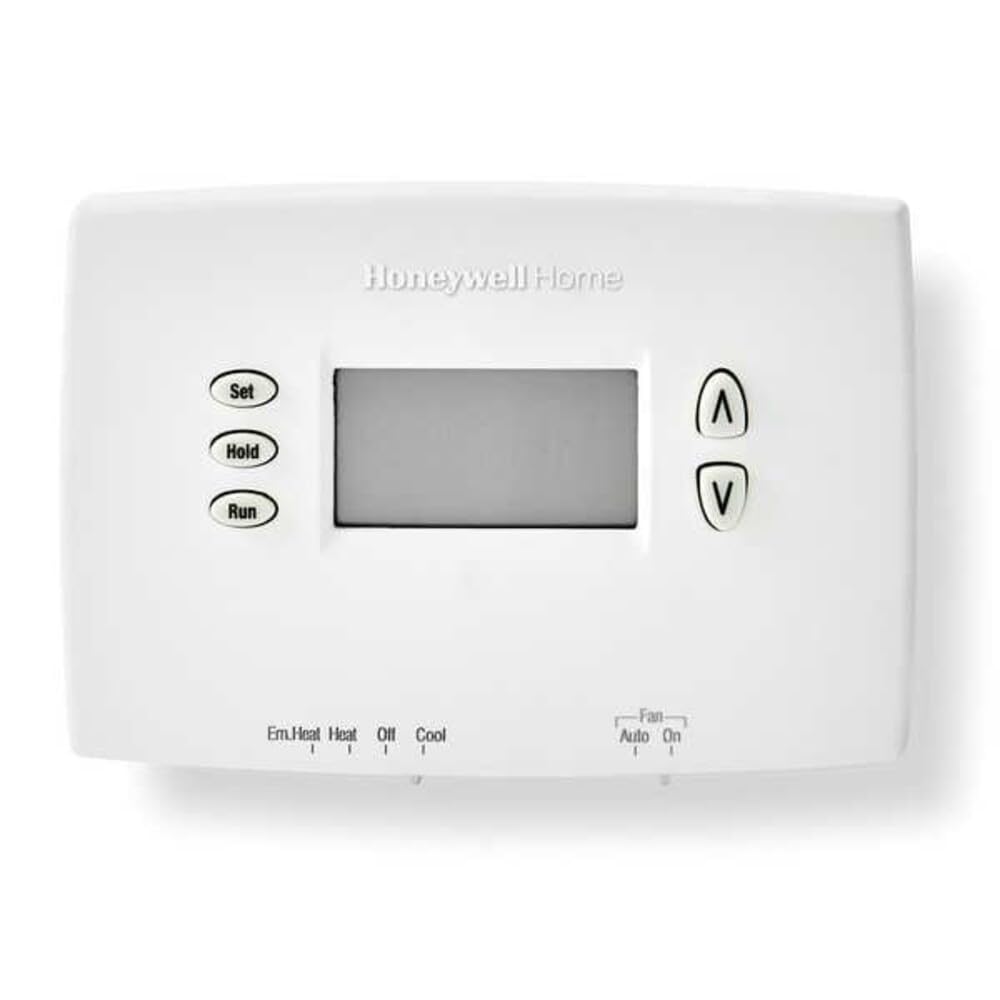
Commercial thermostats suit offices, retail units, clinics, gyms, schools, and any multi room business with set hours. Facility managers and landlords benefit from lockable settings and clear schedules. Single room shops with simple systems may manage with a basic model. If rooms feel uneven, energy bills stay high, or settings change constantly, a commercial unit is worth considering.
Key Features of the Best Commercial Thermostat
Durability and Tamper Resistance
Commercial thermostats face daily use by many people, so the housing and buttons must withstand knocks and frequent changes. Lockable settings and password protected menus stop casual adjustments that swing the whole building. A sturdy unit with a clear display lasts longer in corridors, shops, and public areas. Check the build quality and the lock options listed for each model.
Zoning for Multi Room Spaces
Zoning lets different rooms hold different temperatures based on use and sun exposure. A shopfront, an office, and a storeroom rarely need the same setting. Check how many zones the system supports and whether each zone has its own sensor. Good zoning improves comfort and cuts waste in rooms that sit empty for hours.
Scheduling for Business Hours
Schedules should follow opening hours, with setbacks for nights, weekends, and holidays. Look for flexible programs that handle early starts, late events, and seasonal changes. A warm up period before opening avoids cold mornings for the first staff. Review schedules each season so they match real use rather than last year routine.
System Compatibility
Commercial systems include heat pumps, multi stage heating and cooling, and ventilation units that home thermostats may not support. Check wiring, voltage, and staging needs before buying. Some systems need a common wire or a compatible adapter. A qualified installer can confirm compatibility and avoid faults that appear only after install.
Working With an Installer
Book an installer who knows commercial systems, and share your system type, zone count and opening hours before the visit. Switch power off at the breaker before any wiring work. Ask the installer to label wires, test every zone, and walk your team through lock settings and overrides. Keep the manual and the installer contact details near the unit for future staff.
Saving Energy Without Complaints
Set temperatures in a comfortable band and use gradual setbacks rather than large swings that staff override. Gather feedback zone by zone, since one cold room often hides a sensor or airflow problem. Review energy use monthly and adjust schedules as seasons change. Small, steady improvements usually beat dramatic changes that everyone fights.
Choosing for Different Buildings
Rented Units and Landlords
For landlords managing several small units, standardize on one or two thermostat models across properties. That simplifies tenant guidance, spare parts and call-outs. Keep a short tenant guide that explains the lock range and how to report comfort problems, and answer zone complaints with a visit rather than a remote temperature swing, since sensor and airflow faults hide behind vague reports.
Schools and Community Halls
Halls and classrooms follow term times and booking calendars rather than a fixed weekday routine. Look for a unit with separate holiday and one-off event programs, and train caretakers on the override button so a Saturday evening booking does not need a permanent schedule change. A calendar-linked routine saves energy across irregular use.
Offices With Meeting Rooms
Meeting rooms that sit empty between bookings do not need full comfort all day. Use occupancy-based setbacks where the system supports them, or set manual setbacks around known booking patterns. After any refit, recheck every sensor, because a new partition or cabinet can change airflow and put a sensor next to a heat source.
Related Guides Worth Reading
Smart commercial control is covered in best commercial smart thermostat for scheduling and remote management. Wifi options for business buildings appear in best commercial wifi thermostat and best wifi thermostat for commercial buildings.
Frequently Asked Questions
How is a commercial thermostat different from a home one?
A commercial thermostat is built for heavy use, multi zone systems, and lockable settings that home models rarely offer. It supports larger heating and cooling systems and schedules tied to business hours. Home models focus on simple single room comfort. If many people share the controls or several rooms need different temperatures, a commercial unit fits better.
Can I lock the temperature so staff cannot change it?
Most commercial thermostats offer lock ranges, password menus, or key locks that limit changes to a sensible band. Staff can still adjust within that band for real comfort needs. Set a clear policy and a feedback route so people report problems instead of fighting the lock. Review lock settings after any staffing change.
Do I need a professional to install it?
Professional install is wise for multi stage systems, heat pumps, and any wiring you are unsure about. An installer confirms compatibility, checks zone wiring, and tests the system safely. Simple like for like swaps on compatible systems may suit a skilled maintenance team. Always switch power off at the breaker before touching wiring.
How many zones do I need?
Zone count depends on how rooms differ in use, sun, and occupancy. A shopfront, offices, and storage areas usually deserve separate zones. Too few zones cause uneven comfort, while too many add cost and complexity. Map your rooms by use and temperature pattern, then match the zone count to that map.
What temperature should a business hold?
Comfortable business temperatures usually sit in a moderate band that suits light activity and typical clothing. Exact comfort varies with season, humidity, and the work being done. Ask staff for zone by zone feedback rather than setting one building wide number. Small adjustments and better airflow often fix complaints without large temperature swings.
Final Thoughts
Steady comfort, sensible energy use, and controls that survive a busy workplace define a good commercial thermostat. Compare durability, zoning, scheduling, and compatibility using the product table above. Work with a qualified installer on complex systems, and review schedules each season. With the right unit, the best commercial thermostat can keep staff and customers comfortable without wasted energy.