Best Compact Digital Cameras Under 300 in 2026: Buyer Checklist
Disclosure: We may earn a commission when you buy through links on this page, at no extra cost to you. As an Amazon Associate I earn from qualifying purchases. Learn more

What a budget of 300 really buys: a checklist for the best compact digital cameras under 300.
A small camera only earns its place in your bag if it beats your phone in the moments that matter, such as dim restaurants, school stages, and fast moving kids. This guide gives you a clear checklist for judging best compact digital cameras under 300 on sensor size, zoom, focus, and video, without paying for features you will never open. You will see what this budget can realistically deliver and where makers quietly cut corners.
Use the checklist as you read the product table, and mark each model against the same points in the same order. That simple habit keeps a long spec sheet from hiding a weak lens or slow focus.
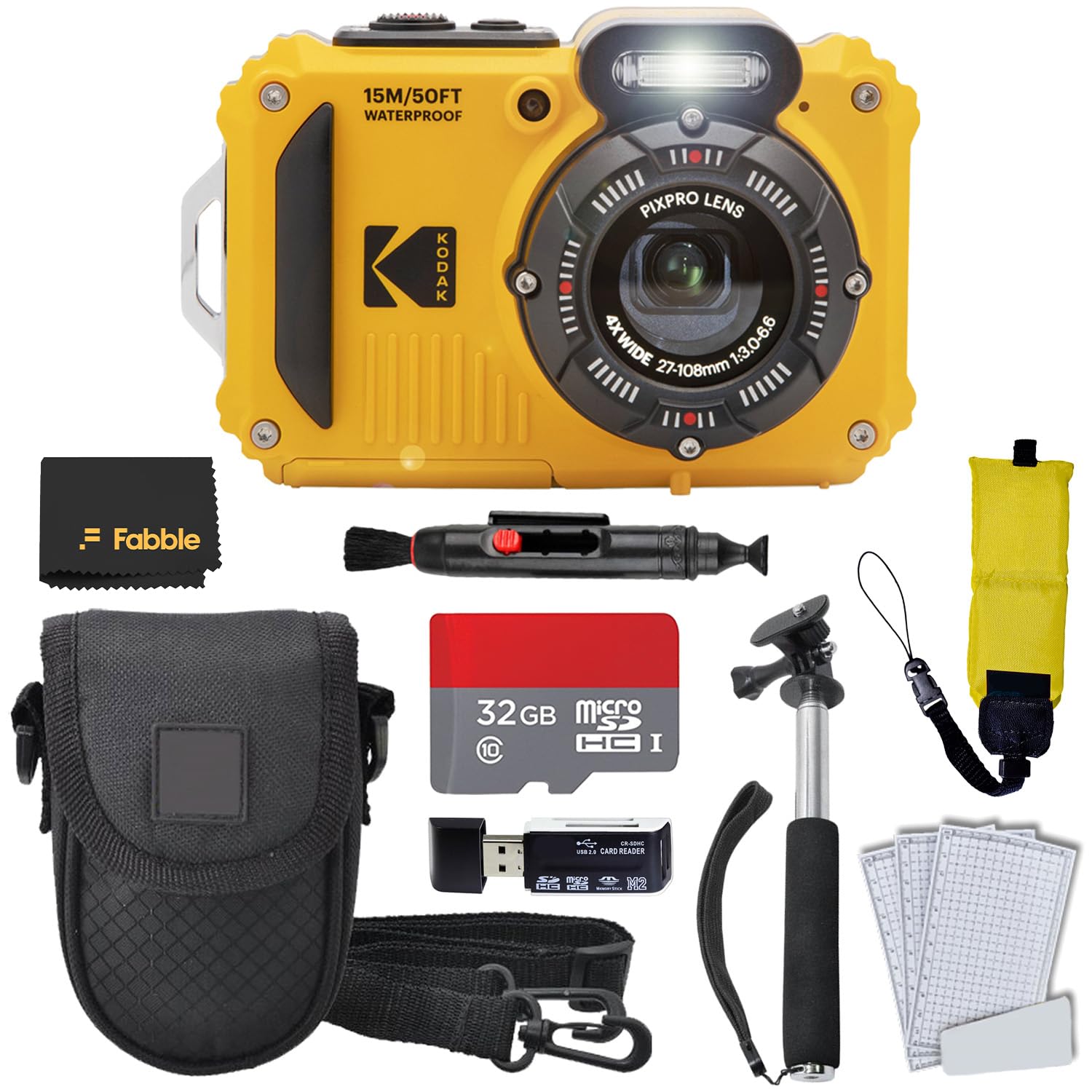

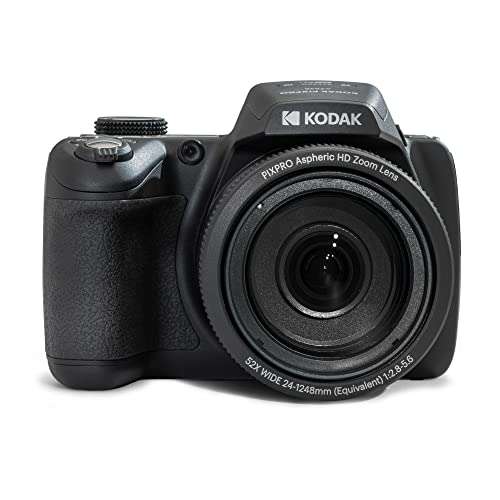
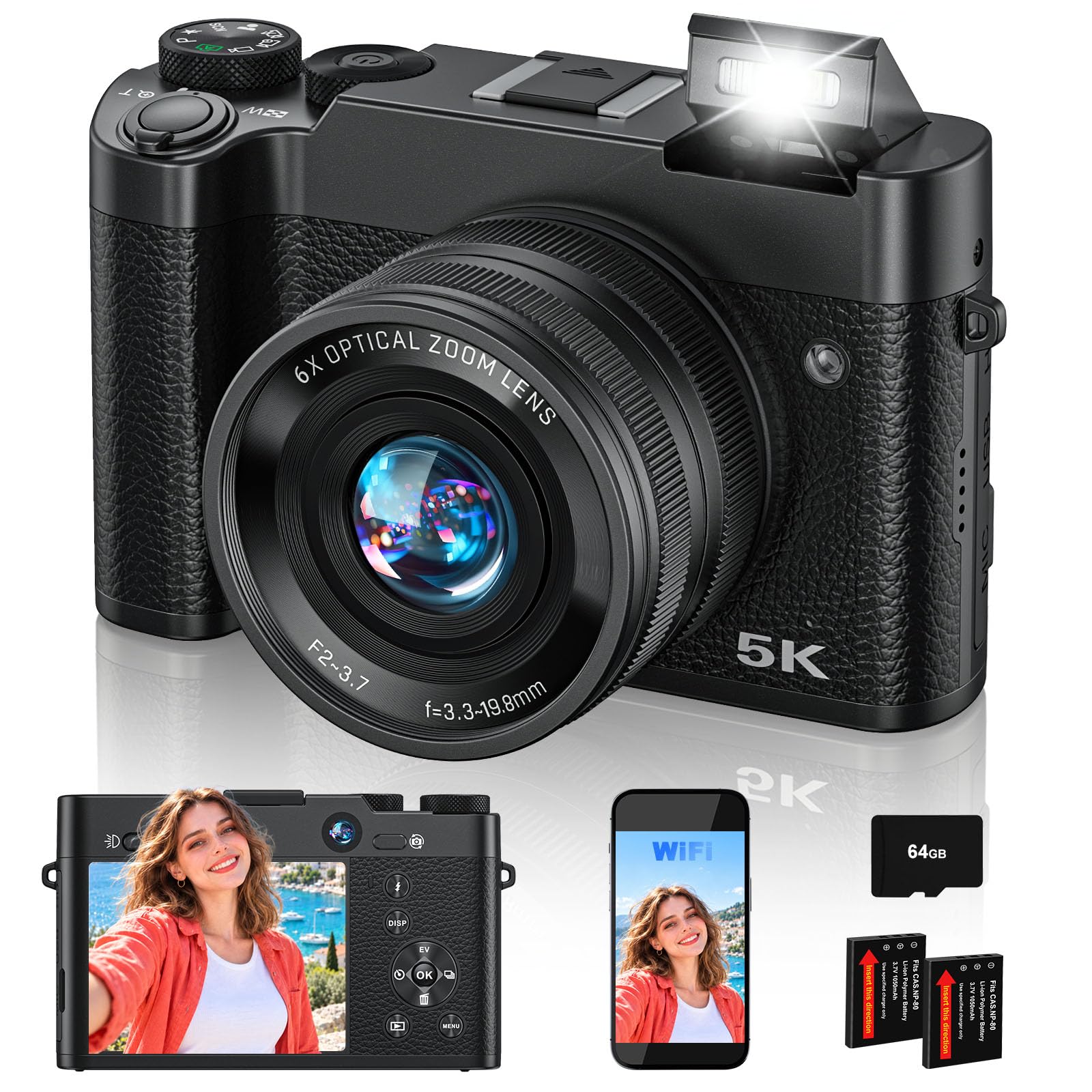
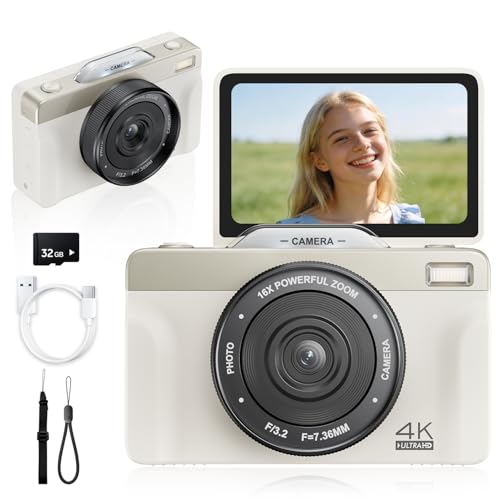
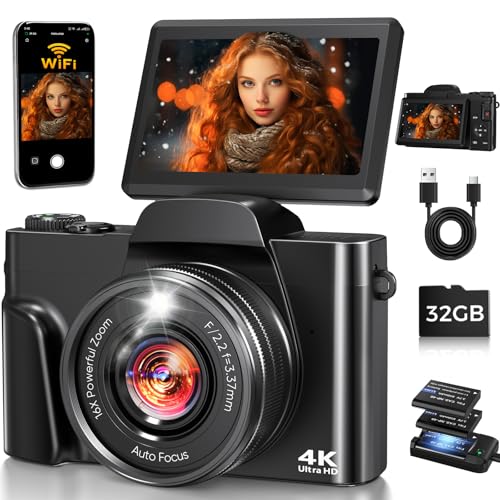

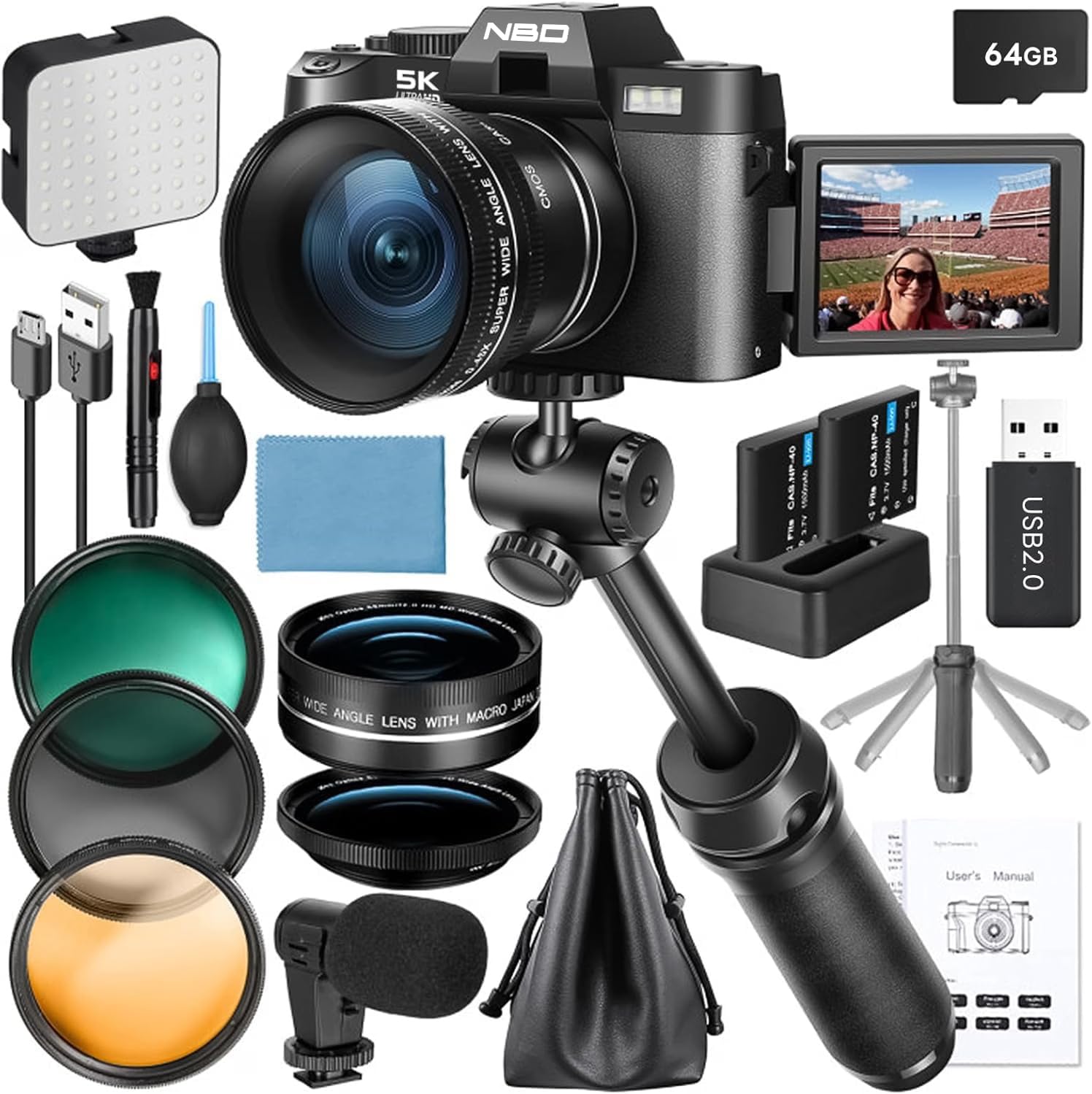
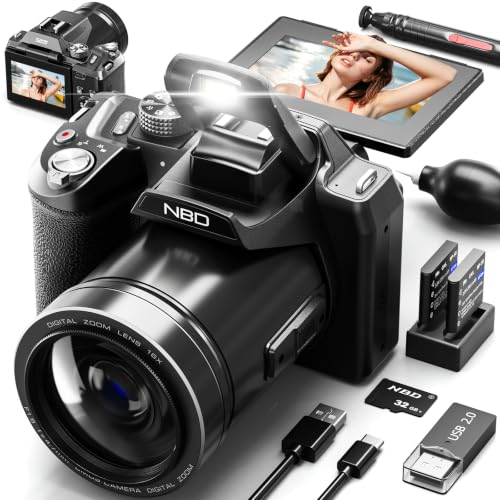
Key Features to Compare on Your Checklist
Score every model on the same seven points below, in this order, before you look at color options or bundle deals. Focus, stabilization, and video come next, followed by size and low light behavior. That balance is what separates the best compact digital cameras under 300 from models that look strong on a spec sheet but disappoint in daily use.
What You Can Realistically Get at This Budget
For under $300 you can expect a fixed lens, a small sensor, a useful optical zoom, and 4K video on many newer models. You should not expect a large sensor, a bright lens at every zoom setting, or a microphone input, because those parts raise cost quickly. Readers who are open to larger bodies can also see our guide to the best digital cameras to compare what stepping up in size and budget adds.
Measuring for Size and Portability
Compact only matters if you actually carry the camera, so check weight with the battery inside and thickness with the lens closed. A body that fits a jacket pocket gets used daily, while a slightly larger body with a better grip may suit longer walks and travel days. If pocket size is your top priority, see our guide to the best compact cameras under 300 for a narrower look at the smallest options in this class.
Sensor Size and Image Quality
Sensor size shapes detail, color depth, and how clean a photo looks when light drops. A 1 inch type sensor gathers more light than the smaller sensors found in many budget point and shoot compacts, so it holds detail better indoors and at dusk. Megapixels matter less than sensor area, and a modest count on a larger sensor often beats a high count on a tiny one. Treat mirrorless cameras as the step up reference here, since their larger sensors show what you gain later if you outgrow a fixed lens compact.
Autofocus and Stabilization
Autofocus decides how many moving subjects you keep, so look for face detection, eye focus for people, and subject tracking that stays locked while a child or pet crosses the frame. Image stabilization matters just as much, because optical stabilization inside the lens or body steadies small hand movements at longer zoom settings and slower shutter speeds. Together, fast focus and steady support turn casual snapshots into keepers you do not need to reshoot.
Video Capabilities
Many models now record 4K video, but resolution alone does not make footage pleasant to watch. Check the frame rate, whether focus tracks faces smoothly while recording, and whether the screen flips forward if you record yourself talking. Also confirm recording limits per clip and whether the camera overheats during long school or family events, because a time cap can cut a performance short.
Lens and Zoom Range
The objective lens is fixed on these cameras, so the zoom range you buy is the range you keep. Optical zoom uses real glass to magnify a scene and holds detail, while digital zoom simply crops the image and softens it. A range around 3x to 10x covers portraits, travel scenes, and distant stage shots for most people. Aperture matters too, since a wider opening such as f/2.8 at the wide end gathers more light.
Low Light Performance
Low light results depend on sensor size, lens aperture, stabilization, and how well the camera handles high ISO settings. Photos from a small sensor can show grain and smeared detail once ISO climbs, especially in skin tones and dark clothing. A wider aperture and steady stabilization let the camera keep ISO lower, which protects detail. Before you buy, look at sample photos taken indoors at night rather than bright studio samples, because those images reveal noise, focus speed, and color accuracy under the conditions you will face most.
How to Choose the Right Model for Your Needs
The product table sorts the hardware, but your habits should sort the final choice. The three groups below show how the same budget leads to different priorities.
For Travel and Everyday Carry
Travel shooters need a camera that starts fast, fits a small bag, and covers wide streets and distant landmarks with one zoom range. Battery life matters on long walking days, so check the shot count per charge and plan on a spare battery for heavy days. If you are still deciding between compact and larger styles within the same budget, see our guide to the best digital cameras under 300 for the wider picture.
For Family Photos and School Events
Families need focus that locks onto faces quickly and a zoom that reaches a stage from the back of a hall without relying on digital cropping. Burst mode helps you catch expressions and sports moments, and a quiet shutter setting keeps recitals and ceremonies undisturbed. Look for simple controls that a partner or grandparent can use without a manual.
For Video and Content Creation
Creators should put the flip screen, face tracking during recording, and clear built in audio at the top of their list. Stabilization that stays smooth while walking matters more than the highest frame rate you may rarely use. Check whether the camera can power itself from a USB battery pack during long sessions, since small batteries drain quickly in 4K video.
Quick Buyer Checklist
Run through these questions for any model you are considering, and treat a no answer on your top two needs as a reason to keep looking. Shoppers working with a much tighter budget can see our guide to the best compact digital cameras under 100 to understand which features drop away at that level.
- Does the camera have optical zoom rather than digital zoom only?
- Is the sensor a 1 inch type or the largest available at this price?
- Does autofocus include face detection and subject tracking?
- Is optical image stabilization included for photos and video?
- Does the camera record 4K video at a frame rate you will use?
- Will the body fit the pocket or bag you plan to carry daily?
- Can you buy a spare battery and memory card for under $50 total?
- Does the return policy give you time to test the camera indoors?
Red Flags to Watch For
Weak models in this price range share a few patterns, and spotting them early saves you a return shipment.
- A listing that advertises huge digital zoom numbers while hiding the optical zoom range, because the cropped images will look soft.
- Vague sensor wording with no stated sensor size, because makers highlight size proudly when it is a strength.
- A very high megapixel count paired with a tiny sensor, because crowded pixels can worsen low light quality.
- No clear warranty terms or seller history, because support matters when a lens motor or screen fails.
- Bundles packed with cheap accessories while the camera itself lacks stabilization, because filler extras do not improve photos.
Also be careful with weatherproof claims at this price. True weatherproof sealing is rare on compact cameras under this budget, and a splash resistant note is not the same as protection in steady rain.
How to Make Your Compact Digital Camera Last Longer
Clean the lens with a soft lens cloth rather than your shirt, because shirt fabric can hold grit that scratches the coating over time. Keep a spare battery charged and rotate both batteries so neither sits empty for months, which helps them hold a charge longer.
Store the camera in a dry, padded bag with the lens closed and the strap attached, and keep it away from beach sand and sunscreen covered hands. If the camera gets damp, turn it off, remove the battery and card, and let it dry fully before charging.
Frequently Asked Questions About Compact Digital Cameras
Can you get a good compact digital camera for under $300?
Yes, you can get a good compact digital camera for under $300 if your expectations match the budget. Expect strong daylight photos, useful optical zoom, and video that looks clean for family and travel use. One extra tip is to watch for prior generation models from known makers, since they often deliver better lenses than unknown brands at the same price.
Which compact digital camera features matter most for low light photos?
A larger sensor, a wide aperture at the wide end of the zoom, and optical stabilization matter most for low light photos. Together they let the camera gather more light before raising ISO, which keeps grain under control. When you compare sample images, check shadow areas in hair and clothing, because that is where small sensors lose detail first.
Is a compact digital camera better than a smartphone for travel photos?
A compact digital camera is better than a smartphone for travel photos when you need real optical zoom, a firmer grip, and controls that work without tapping through menus. Phones still win for instant sharing and computational tricks in tricky light. Many travelers carry both and reach for the camera at zoos, stages, and viewpoints where phone cropping looks soft.
How much should a beginner spend on a first compact digital camera?
A beginner should spend enough to get optical zoom, stabilization, and reliable autofocus, which usually means spending about $300 rather than choosing the cheapest option in the class. Spending less often means replacing the camera within a year as skills grow. Keep about $50 aside for a card, a case, and a spare battery.
What specs matter most for beginners choosing a compact digital camera?
Optical zoom range, sensor size, autofocus speed, and stabilization matter most for beginners choosing a compact digital camera. Simple menus and a helpful auto mode also matter, because a camera that feels confusing stays at home. Ignore long lists of scene modes and filters, since you can add effects later in free editing apps. Start with fully automatic shooting, then learn one manual control at a time, such as exposure compensation for bright snow or dark stages.
Do compact digital cameras need a memory card and a spare battery?
Yes, most compact digital cameras need a memory card because internal storage is tiny or absent, and a spare battery is wise for travel and event days. Buy the card size and speed the manual specifies, since a slow card can delay burst shooting and 4K video recording. Format a new card inside the camera before first use so the file system matches what the camera expects. Label your batteries with the purchase month so you can spot the one that starts fading first.
Final Thoughts
Start with the sensor and lens, confirm that focus and stabilization fit your subjects, and let size decide between close finalists. Use the product table one last time with your checklist answers beside it, and favor the model that passes your top needs without stretching your budget. Chosen that way, the best compact digital cameras under 300 deliver a clear step beyond phone photos in zoom, control, and low light, in a body you will happily carry every day.