Best Compact Digital Cameras Under 100 in 2026: Buyer Checklist
Disclosure: We may earn a commission when you buy through links on this page, at no extra cost to you. As an Amazon Associate I earn from qualifying purchases. Learn more

Spend a small budget wisely: what to check on the best compact digital cameras under 100 before you order.
A budget of about $100 will not buy a flagship camera, but it can buy a small, simple camera that takes pleasant photos of family, travel, and everyday moments. The trick is knowing which specs actually shape your pictures and which ones are printed on the box only to impress. This guide walks you through a practical checklist for choosing among the best compact digital cameras under 100, so you can spend on the things that matter and skip the rest.
Use the product table to scan the current options side by side, then work through the checklist sections to judge each model on sensor, lens, stabilization, storage, and battery life. By the end you will know exactly which trade offs you are accepting at this price.
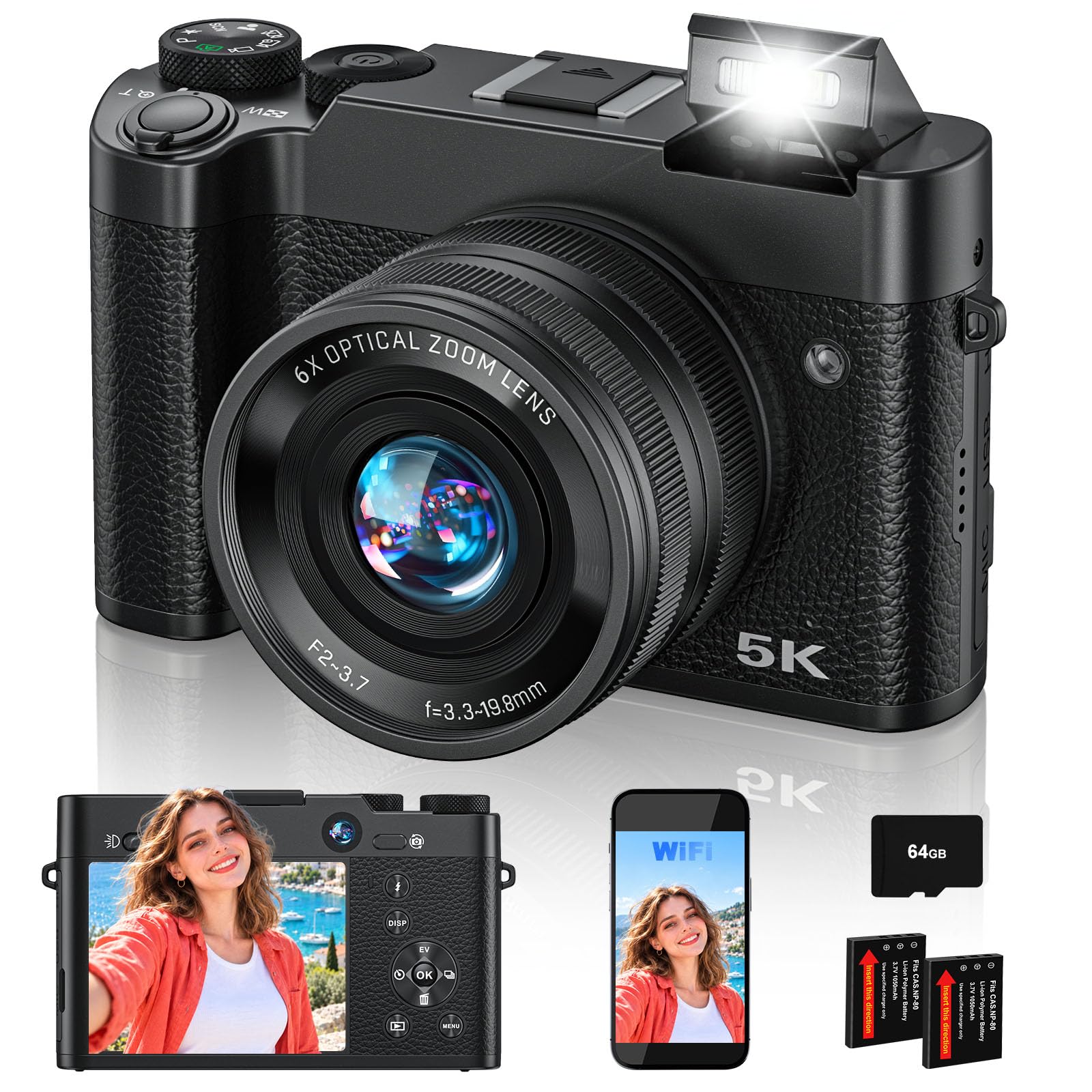
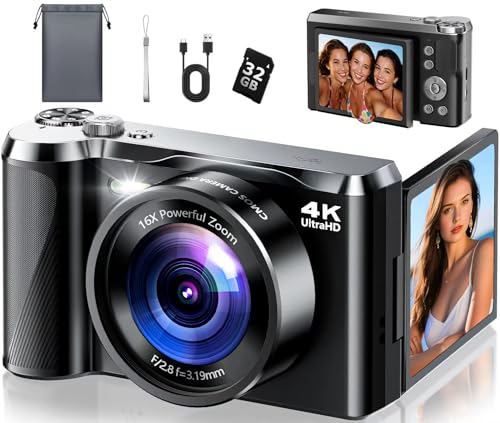
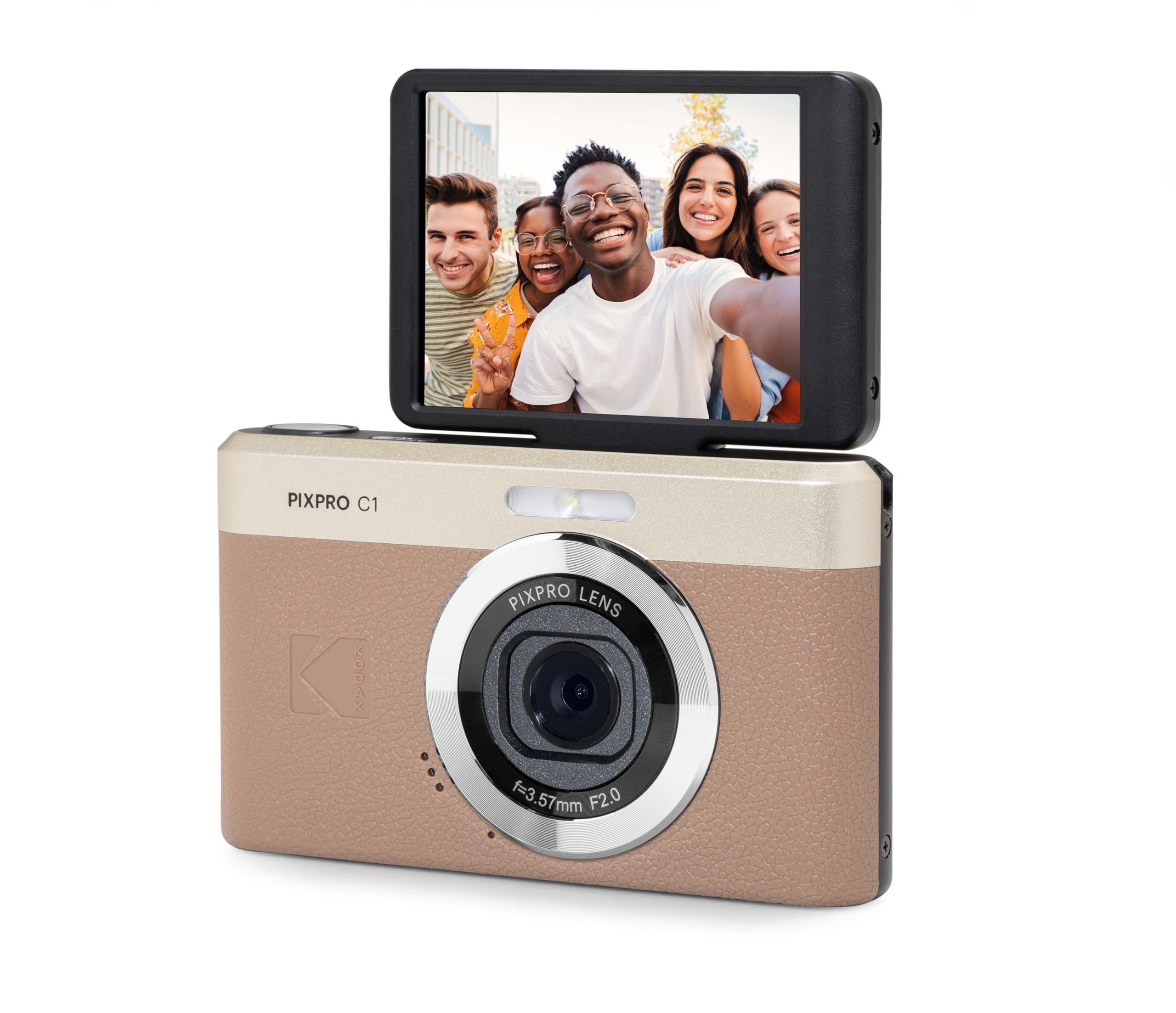
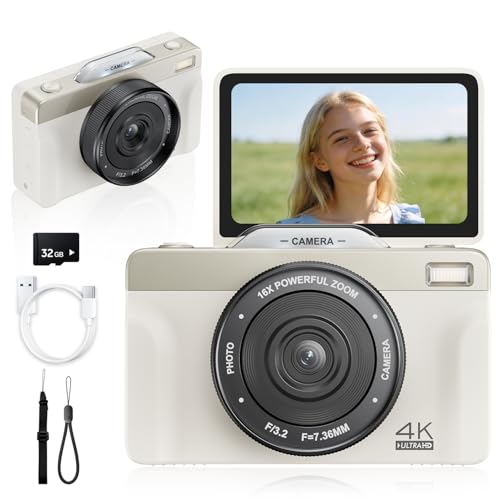
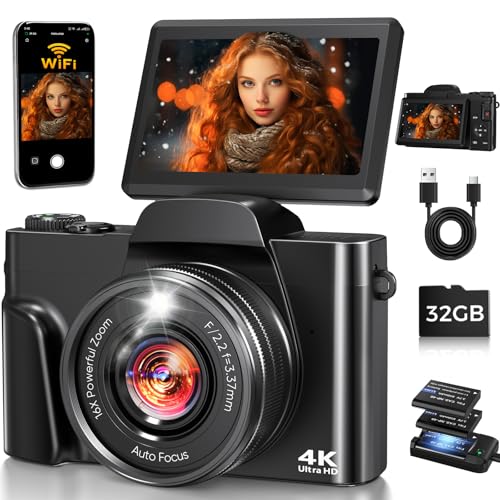
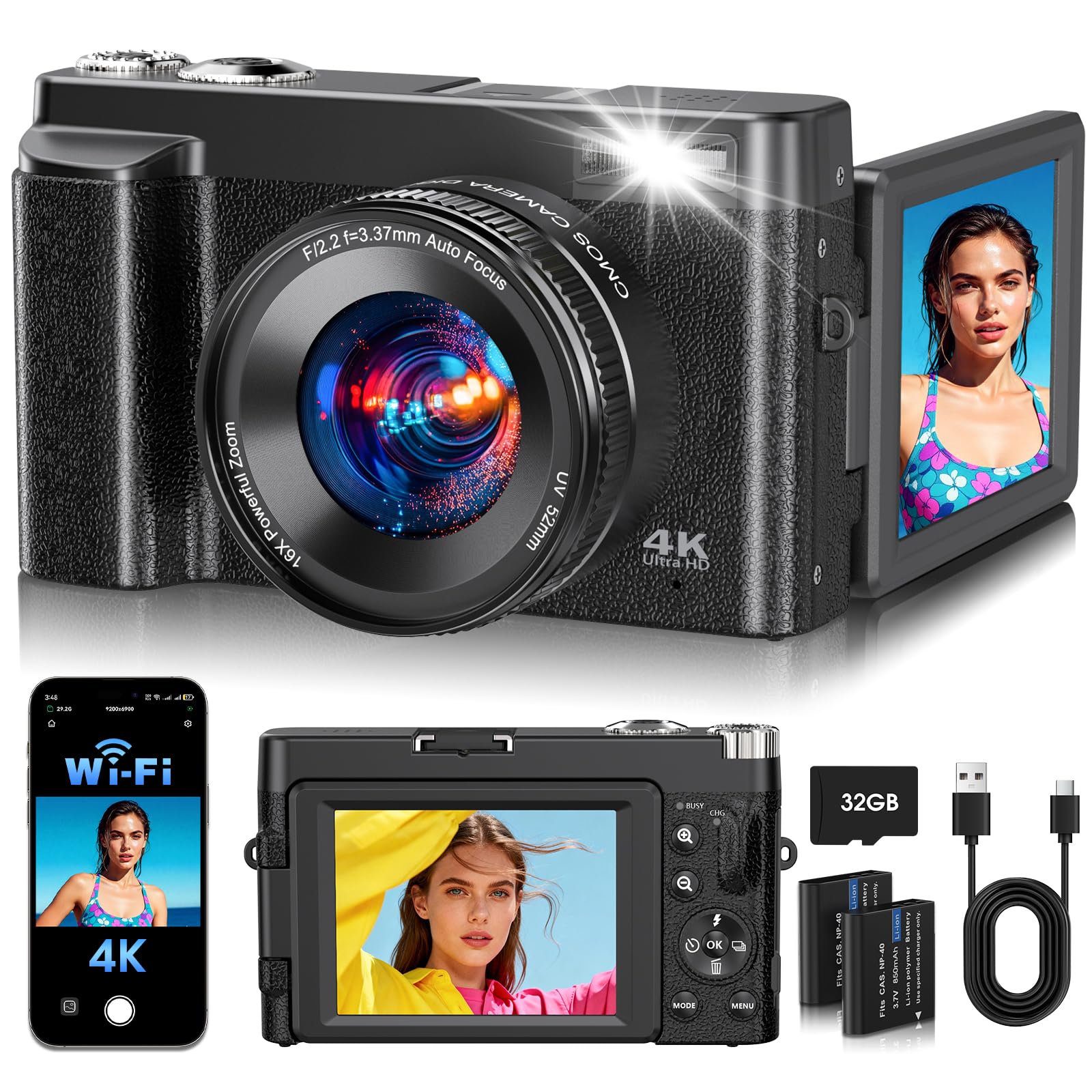


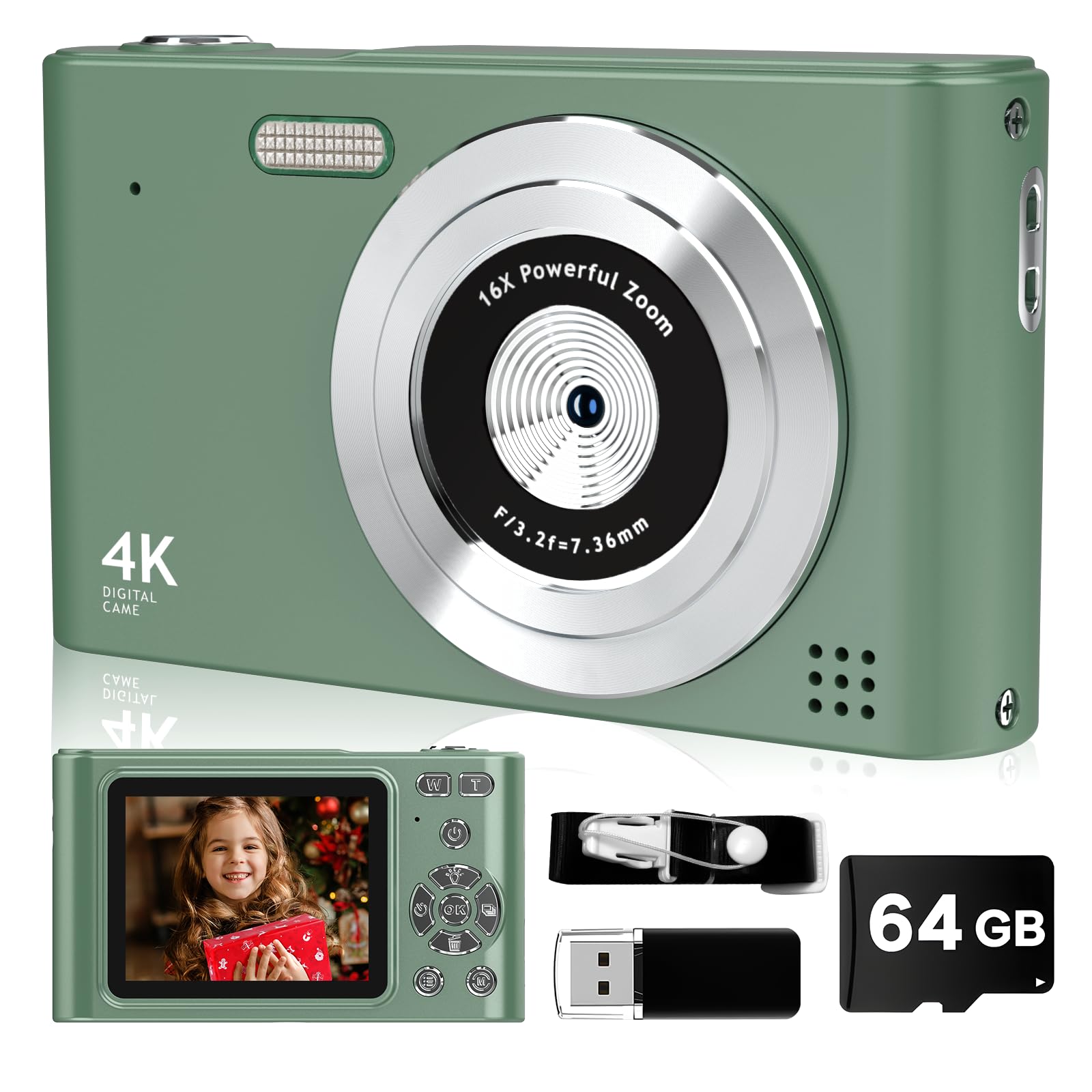

A Buyer Checklist for Comparing Compact Cameras
Every model in this price range makes compromises, so a checklist keeps you focused on the compromises you can live with. Judge each camera in the product table against the six points below, in this order, and weak options usually remove themselves from your shortlist quickly.
What You Can Realistically Expect Under $100
At around $100 you can expect a small sensor, a modest zoom lens, a fixed rear screen, and simple automatic shooting modes. What you usually give up is a large sensor, fast low light performance, raw file capture, and advanced manual controls. Do not cut corners on the basics, though. A real optical zoom lens, a recognized brand of memory card support, and a battery you can replace or recharge easily are worth more than a long list of scene modes you will never open.
If your budget can stretch, the models in our guide to the best compact digital cameras under 300 add larger sensors and much better lenses. Staying under $100 is still a reasonable choice for a first camera, a spare camera, or a camera a child can learn on without much financial risk.
Size and Portability
Compact only means something if the camera is small enough that you actually carry it. Check the listed weight and thickness, and picture the camera in the pocket, purse, or small bag you use most. A camera that weighs about 5 to 7 ounces disappears into a jacket pocket, while a chunkier body often stays home. Smaller bodies also mean smaller buttons and a smaller screen, so if you have large hands or prefer gloves in winter, a slightly larger body with real grip texture may suit you better than the slimmest option.
Sensor Size and Image Quality
Sensor size does more for image quality than the megapixel number on the box. Most cameras at this price use a small sensor of about 1/2.3 inch, which handles bright daylight well and struggles as light drops. A higher megapixel count on that same small sensor does not add real detail, and it can make noise worse in dim rooms. What you can judge from a listing is the honest sensor size, a sensible pixel count of about 16 to 24 megapixels, and sample descriptions that mention daylight and indoor results rather than only resolution numbers.
Low Light Performance
Evening parties, school plays, and restaurant birthdays are where budget cameras earn or lose their keep. Look for a lens with a wide maximum aperture at the wide end, written as a low f number such as f/2.8, because it lets more light reach the sensor. A usable ISO range that reaches 1600 or 3200 gives the camera room to raise sensitivity instead of dragging the shutter speed down. A built in flash helps for close subjects, but it flattens faces, so treat it as a backup rather than the main plan for indoor photos.
Build Quality and Weather Resistance
True weatherproof sealing is rare at this price, so read claims carefully. A camera described as splash resistant can usually survive light rain and dusty paths, while a fully waterproof model can go underwater to a stated depth and suits pool and beach days. For everyday use, build details matter more than ratings.
A metal front plate, a lens cover that closes fully, and a wrist strap lug all protect the camera from the drops and grit that end most budget camera lives. Keep expectations modest and plan on a padded case for rough trips.
Autofocus and Image Stabilization
Autofocus on budget compacts is simple contrast detection, which is accurate in good light and slower when light falls. Face detection is genuinely useful here, because it locks onto people and holds focus while they move a little. Image stabilization matters just as much.
Optical stabilization inside the lens steadies your hands at longer zoom settings and in dim light, and it works better than digital stabilization, which simply crops the frame. If a listing only promises electronic or digital stabilization, expect softer results when you zoom in.
Matching a Camera to Your Main Use
There is no single right answer at this price, only the right set of trade offs for how you shoot. Use the three groups below to decide which checklist items deserve the most weight for you, then compare the product table with those priorities in front of you.
Everyday Family Photos
For birthdays, pets, and school events, speed and simplicity beat exotic features. Choose a camera that starts up fast, focuses on faces reliably, and has a simple auto mode that gets exposure right without help. A moderate optical zoom of about 5x to 8x covers group shots and portraits across a room. If you shoot a lot indoors, spend your attention on aperture and ISO from the checklist rather than on extra megapixels, because indoor light is where family photos usually turn out soft or grainy.
Travel and Days Out
Travel rewards small size, long battery life, and a zoom that reaches farther. A 10x optical zoom gives real magnification for landmarks and wildlife at a distance, which is the honest meaning of zoom numbers on a compact camera. Battery life rated at about 250 shots or more per charge keeps you shooting through a full day, and USB charging lets you top up from a power bank. If your trips lean toward water and trails, you might also compare best digital cameras in rugged styles before deciding, since a sealed body survives trips that a slim camera will not.
Short Video Clips and Vlogging
Many buyers at this price record as much video as they shoot stills. Full HD 1080p video is the realistic target here, and it looks clean on phones and TVs. Claims of 4K video at this price often rely on upscaling or very low frame rates, so check the frame rate and prefer smooth 1080p at 30 or 60 frames per second.
A screen that tilts or flips helps you frame yourself, and a microphone input is almost never included at this price, so plan to record in quiet places. Dedicated vlogging cameras cost more, and action cameras trade still photo quality for toughness, so a compact camera remains the balanced choice for mixed use.
Quick Buyer Checklist
Run through these questions for any model you are considering. A camera that earns mostly yes answers is a sound buy at this price, and two or more no answers on the first four questions usually means you should keep looking. If you would also consider non compact shapes at the same budget, our guide to the best digital cameras for under 100 covers those options too.
- Does the camera have true optical zoom rather than only digital zoom?
- Is the sensor size stated clearly in the listing?
- Does it use standard memory cards you can buy anywhere?
- Can the battery be recharged easily or replaced with a spare?
- Does the lens start at a reasonably wide aperture for indoor shots?
- Is optical or lens based stabilization included?
- Does the video mode record at least 1080p at 30 frames per second?
- Is the weight low enough that you will carry it most days?
Red Flags to Watch For
Budget listings reward careful reading. Watch for these warning signs before you order.
- The listing shouts about 48 or 64 megapixels but never states the sensor size, which usually means a tiny sensor with interpolated pixels.
- Zoom is described only as digital zoom, so the camera crops and enlarges the image instead of using the lens, and distant shots turn soft.
- The brand is unknown, the warranty is very short or missing, and there is no clear support page, so a fault leaves you with no remedy.
- Video is advertised as 4K with no frame rate given, a common sign of upscaled footage that looks worse than honest 1080p.
- The camera needs a rare battery type or a proprietary card format, which makes replacement parts hard to find later.
Tips to Get the Most From Your Compact Digital Camera
Good habits protect a small camera and improve your results more than any accessory. Clean the lens with a soft lens cloth rather than your shirt, because shirt fabric can drag grit across the coating and leave fine scratches. Wipe the lens gently in small circles and keep the cloth itself clean and stored in the camera case. If the lens cover sticks or the lens extends slowly, stop using the camera and have it checked, since forcing a jammed lens usually bends the mechanism.
Carry a spare battery on long days out, and store batteries partly charged if the camera will sit unused for months, because long storage at full charge shortens battery life. Keep the camera in a dry, padded bag away from sand and sunscreen, and let a cold camera warm up inside its bag before opening it indoors, so condensation forms on the bag instead of inside the lens. Format your memory card in the camera after you have copied your photos to a computer, and replace cards that ever show an error rather than trusting them with new pictures.
FAQ
Can you get a good compact digital camera for under $100?
Yes, as long as your expectations match the price. A good model at this level takes clear, colorful photos in daylight, focuses reliably on faces, and offers real optical zoom. What it will not do is match a phone flagship or a larger camera in dim light or fast action. Treat it as a simple, dedicated camera for everyday moments, and it can serve you well for years of casual use.
What specs matter most for beginners buying a compact digital camera?
Start with sensor size, optical zoom range, and stabilization, in that order. Those three decide how your photos look far more than the megapixel count does. Then check battery life and card type, because a camera that dies at midday or needs an odd card will frustrate a new owner quickly. One beginner friendly extra worth having is a good auto scene mode, which quietly picks settings for portraits, landscapes, and close ups while you learn.
What does optical zoom mean on a compact digital camera?
Optical zoom means the lens itself changes focal length to magnify the scene, so detail stays intact as you zoom in. A 10x rating means the longest setting magnifies about ten times compared with the widest setting. This is different from digital zoom, which only crops the picture. When you compare listings, divide your attention between the zoom range and the aperture at full zoom, because many budget lenses get much slower, and darker, at their longest setting.
Which compact digital camera features help most in low light?
A wide aperture lens and optical stabilization help most, because one gathers more light and the other lets you use slower shutter speeds without blur. Raising ISO works too, but on a small sensor it adds visible grain quickly. A practical trick the spec sheet never mentions is bracing the camera against a wall or table for still subjects, which steadies it far better than your hands alone and often saves an evening shot.
How much should you spend on your first compact digital camera?
Spending about $70 to $100 usually lands you a noticeably better lens and battery than the cheapest models under about $50. Below that floor, listings often hide weak sensors behind big megapixel claims. If you find yourself wanting a larger sensor, a tilting screen, and manual controls, that is the sign to step up a tier rather than stretch this one. Our guide to the best compact digital cameras shows what that next step buys you.
Final Thoughts
The checklist comes down to three things: an honest sensor, a real optical zoom lens, and stabilization that works in the lens rather than in software. Weigh those first, confirm the battery and card are easy to live with, and ignore headline numbers that the listing cannot back up. Use the product table to compare your finalists against those points, and the best compact digital cameras under 100 for your needs will be easy to spot. Prices and availability can change, so check the product page before ordering.