Best Compact Digital Cameras Under 200 Dollars in 2026: Types Compared
Disclosure: We may earn a commission when you buy through links on this page, at no extra cost to you. As an Amazon Associate I earn from qualifying purchases. Learn more

Four camera types spend a small budget in different ways: choose among the best compact digital cameras under 200 dollars.
Small cameras at this price look similar on a shelf, yet they are built for very different jobs. A pocket zoom for family trips, a tiny action camera for the trail, and a vlogging camera with a flip screen solve different problems, and picking the wrong type wastes your whole budget.
This guide compares each type side by side so you can match the camera to the way you actually shoot. The best compact digital cameras under 200 dollars share a few traits, such as simple controls and honest daylight image quality, but they differ in zoom reach, toughness, and video tools. Start with the product table, then read the type breakdown that follows.



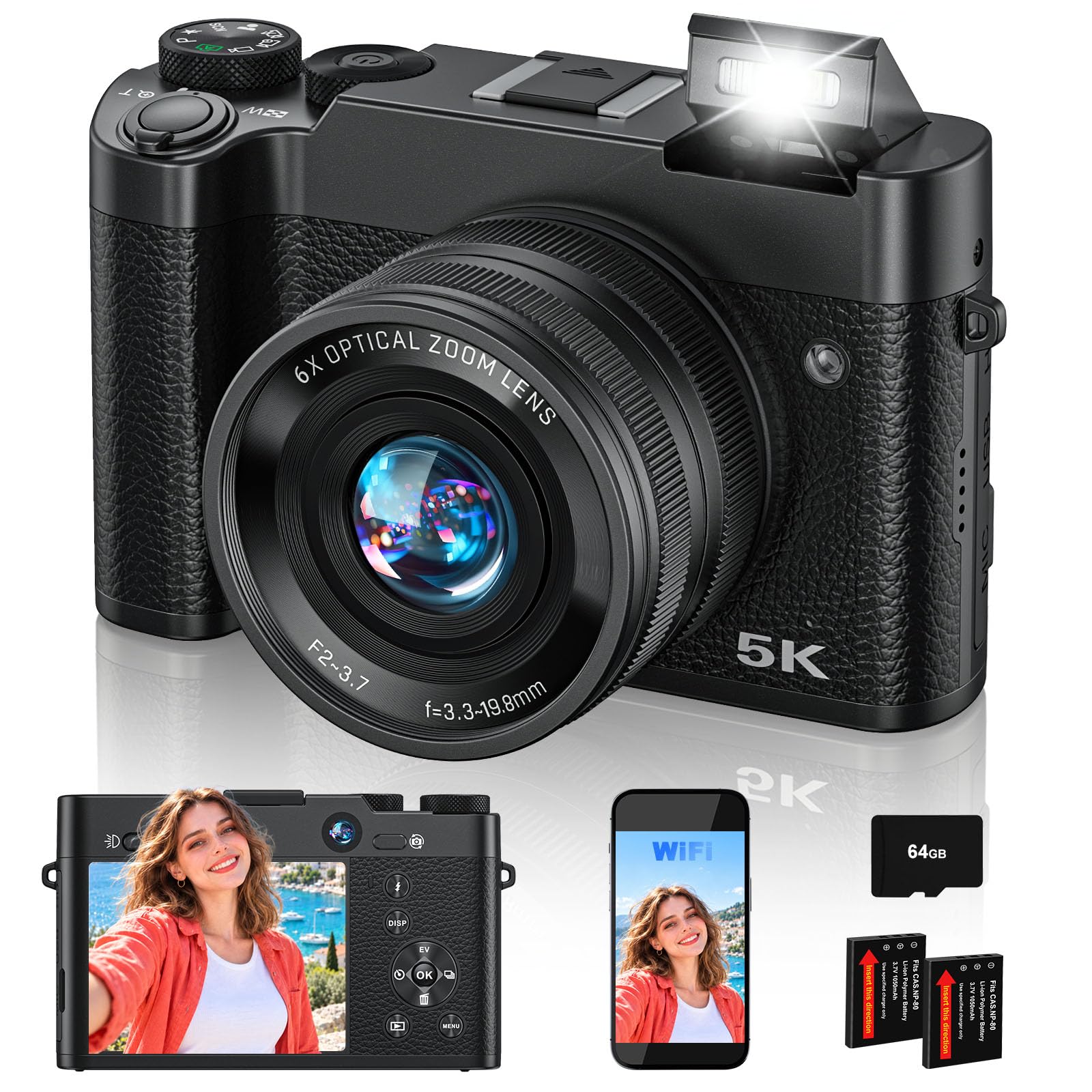
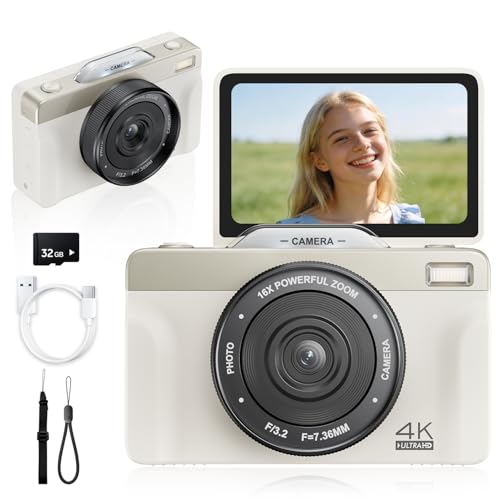

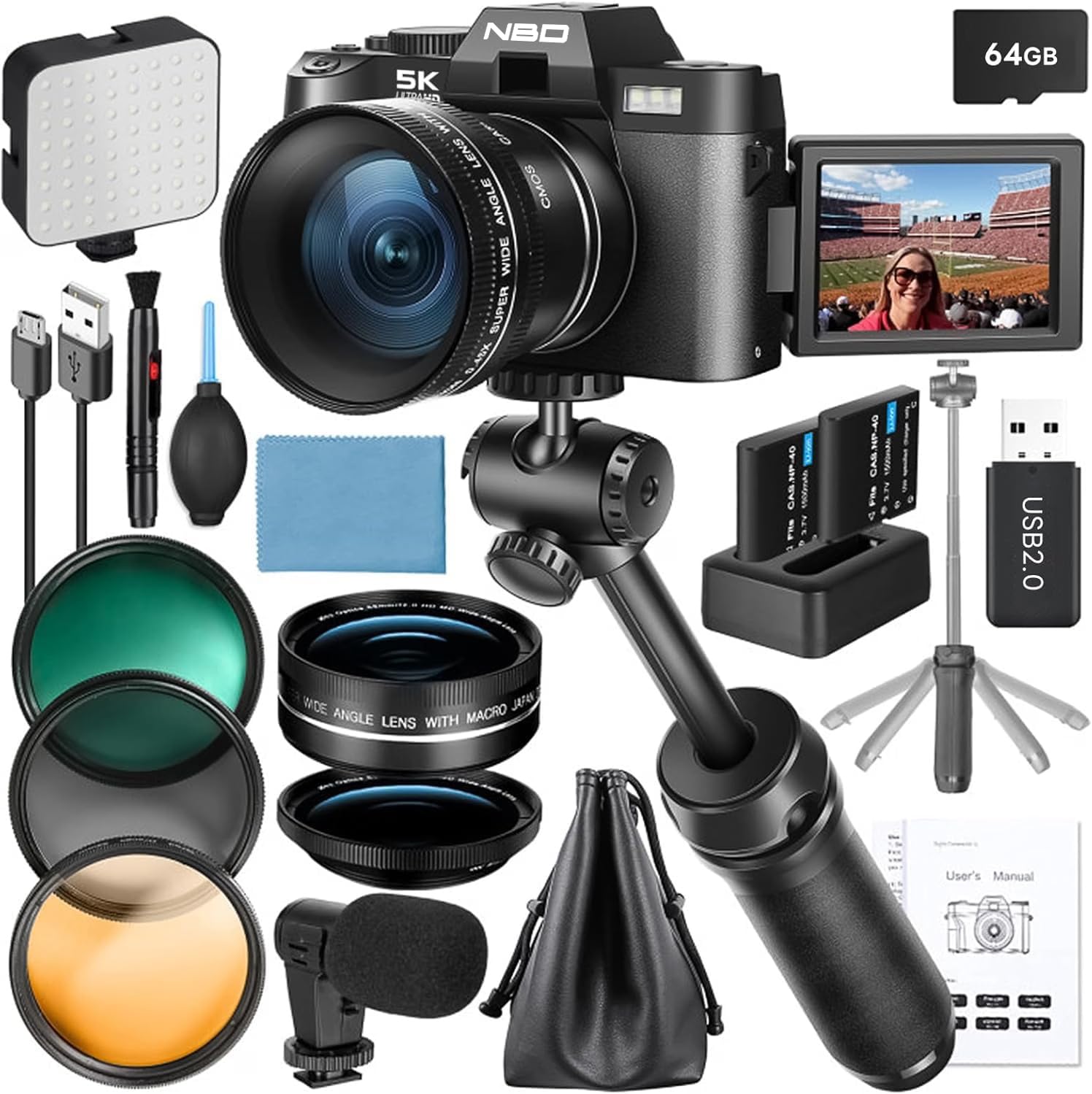
Types of Compact Cameras Compared Side by Side
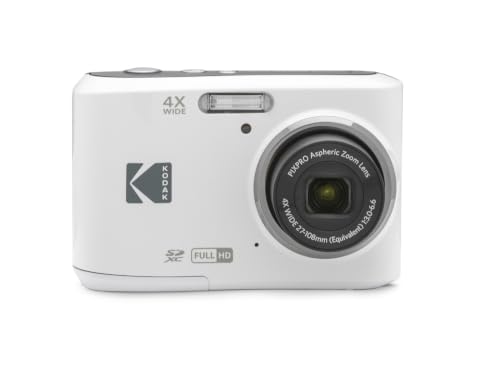
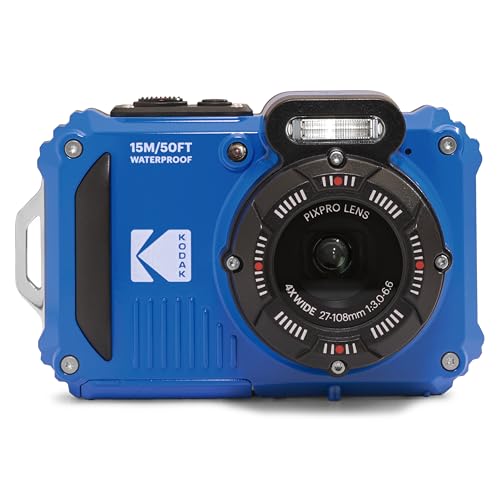
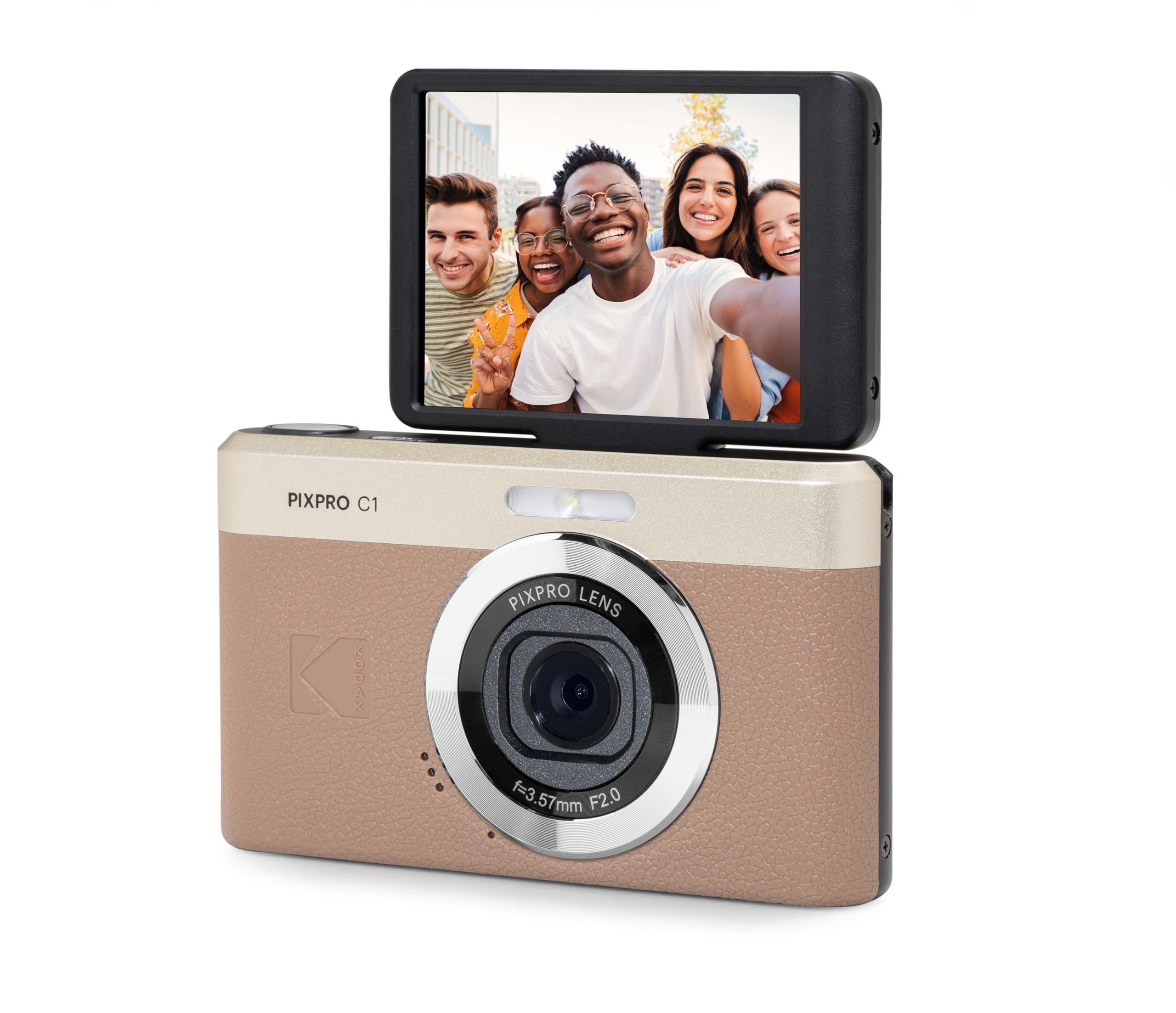
Under $200, compact cameras fall into four clear families. Each family spends the budget differently: one puts the money into a long zoom lens, another into a sealed body, and another into video features. The product table lists current models, while the sections below explain what each type does well and where it gives something up. If you are still deciding between compact and larger bodies, our guide to the best compact cameras under 200 covers the pocket size category on its own.
Point and Shoot Cameras
A point and shoot camera is the classic pocket camera: a small body, a zoom lens that retracts flat when powered off, and automatic modes that handle focus and exposure for you. Optical zoom, often 5x to 10x magnification, is its biggest advantage over a phone, because it brings distant subjects closer without cropping away detail.
Choose this type for family events, school trips, and everyday travel photos. It is the most versatile option under $200, but it is not built for rough handling, and most models use small sensors that struggle once the light drops indoors.
Action Cameras
Action cameras are tiny, boxy cameras built to be mounted or strapped almost anywhere: a helmet, a bike bar, a surfboard, or a chest harness. A very wide angle lens captures the scene around you, and strong electronic image stabilization smooths out bumps and shaking while you move.
Most are waterproof in a housing or sealed on their own, and 4K video is common even at this price. The trade off is still photos: the fixed wide lens distorts faces up close and offers no real zoom. Pick an action camera when movement and tough conditions matter more than composed stills.
Vlogging Cameras
Vlogging cameras are point and shoot bodies reshaped for people who film themselves. The screen flips forward so you can frame your face, autofocus tracks eyes and faces to keep you sharp, and the lens starts wide enough to record at arm length without cutting off your head.
Under $200, expect a flip screen and good face detection, but rarely a microphone input, so audio usually comes from the built in mics. This type suits new creators, students, and anyone recording lessons or daily videos, as long as most filming happens in decent light.
Rugged and Waterproof Cameras
Rugged compacts wrap a normal zoom camera in a sealed, reinforced body that shrugs off water, dust, drops, and cold. You can take one snorkeling in shallow water, hand it to a child at the beach, or carry it on a snowy trail without a separate case.
The protection costs image quality: the lens sits behind a flat window, and sensors stay small, so results in dim light are modest. Choose this type when the camera must survive the trip first and impress second, such as pool days, kayaking, and dusty job sites.
Point and Shoot vs Action Cameras: Which Should You Choose?
These two types cause the most confusion, so compare them on the jobs you actually have. For still photos, the point and shoot wins: its zoom lens frames portraits, pets, and distant landmarks properly, while the action camera fixed wide lens makes people look small unless they are close. For video while moving, the action camera wins clearly, since its stabilization and mounts keep footage steady on bikes, skis, and boats.
Toughness also differs. A point and shoot needs a case and careful handling around water, while an action camera is made to get wet and knocked around. If your trips mix sightseeing with a little adventure, many buyers pick the point and shoot and add a cheap waterproof pouch for beach days. If most of your memories happen in motion, go the other way.
How to Choose the Right Compact Camera Under $200
Once you know your type, five factors separate a satisfying purchase from a drawer ornament. Work through them in order, because size and sensor decisions shape everything else. Readers comparing every body style at this budget, not only compacts, can also see our guide to the best digital cameras under 200 for the wider field.
Size and Portability: Will the Camera Actually Come With You?
A compact camera only earns its keep if you carry it, so check the listed dimensions against a pocket, purse, or belt pouch you already own. Weight matters too: models under about 7 ounces disappear in a jacket pocket, while heavier ones end up left at the hotel. Smaller bodies trade away grip and button size, and tiny controls can frustrate larger hands.
Also check what the camera needs day to day. A model that charges over USB can top up from a power bank on trips, while one with a separate charger adds a cable and a wall block to your bag.
Sensor Size and Image Quality
Sensor size affects image quality more than any other spec on the box. Most cameras under $200 use a small sensor around 1/2.3 inch, which handles bright daylight well but shows grain and smearing in dim rooms. A few models use a larger 1 inch sensor, and that step up gathers far more light for cleaner indoor and evening shots.
Do not chase megapixels. A 20 megapixel count on a tiny sensor mostly makes bigger files, not better photos. A bright lens, shown by a low f number such as f/2.8 at the wide end, helps more in low light than extra pixels ever will.
Grip, Weight, and Handling for Long Days
Ergonomics decide whether a camera feels fun or fiddly after an hour of shooting. A small raised grip or textured front panel helps the camera sit securely in one hand, and a wrist strap loop is worth using because smooth, flat bodies slip easily. Buttons should be reachable without looking down, especially the shutter and zoom control.
Screens matter here as well. A touchscreen speeds up tapping a focus point, while physical buttons work better with gloves in cold weather. If you shoot one handed often, such as while holding a child hand or a dog leash, lighter wins over feature lists.
What You Can Realistically Get Under $200
Set honest expectations for this budget. You can expect sharp daylight photos, useful optical zoom, 1080p video on nearly every model, and basic 4K video on some action and vlogging models. You should not expect a large sensor, a metal body, raw file support on most models, or a microphone input, because those features usually start above this price.
Spend the money on the lens and sensor rather than extras like WiFi printing or novelty filters. If you want to see how the budget stretches across all camera styles, our guide to the best digital cameras under 200 dollars lays out the full picture. A simple camera you understand beats a feature packed one you fight with.
Video Capabilities: Resolution, Stabilization, and Sound
Video specs need translating. 4K video records sharper footage and lets you crop in later, but it fills memory cards fast and can overheat tiny bodies on long clips. For most family and travel use, clean 1080p at 60 frames per second looks smooth and is far easier to store and share.
Image stabilization matters more than resolution for handheld clips: optical stabilization in the lens steadies stills and video, while electronic stabilization crops the frame slightly to smooth movement. Sound is the weak spot at this price, since built in mics pick up wind and handling noise, so stand close to your subject and block the wind with your body when you can.
Tips to Get the Most From Your Compact Camera
A few habits protect both the camera and your photos. Clean the lens with a soft lens cloth, not your shirt, because shirt fabric can hold grit that scratches the coating. Carry a spare battery on full day outings, since small batteries drain quickly with the screen on, and swap it before the camera dies mid event.
Store the camera in a dry, padded bag away from sand and sunscreen, and let a cold camera warm up slowly indoors so condensation does not fog the lens. Use the wrist strap every time you shoot over water, railings, or concrete. Finally, copy your photos to a computer or cloud folder after each trip, because a single memory card is a single point of failure.
Your Questions About Compact Cameras Under $200, Answered
Can you get a good compact camera for under $200?
Yes, you can get a genuinely good compact camera under $200 for daylight photos, family events, and travel snapshots. The limits show up in dim light, fast action, and advanced video, not in everyday use. One extra point the main sections did not cover: factory renewed models from major brands sometimes sell in this range and include a warranty, which can be a smarter buy than an unknown budget brand with similar specs.
Which compact camera type is best for low light photos?
A point and shoot or vlogging model with the largest sensor and brightest lens handles low light best. Small sensors in rugged and action cameras gather little light, so their indoor shots turn grainy quickly. Whatever type you pick, turn on the flash for nearby subjects, brace the camera against a wall or table, and avoid digital zoom, because cropping a dim photo only magnifies the noise.
What does optical zoom magnification mean on a compact camera?
Optical zoom magnification tells you how much closer the lens makes a subject look compared with its widest view, so a 10x zoom reaches ten times farther than it starts. The lens glass itself moves to do this, which keeps full detail at every step. This differs from digital zoom, which simply crops the center of the image. For travel and wildlife snapshots, 8x to 12x optical zoom is a practical sweet spot under $200.
How much should a first time buyer spend on a compact camera?
Most first time buyers do well spending about $120 to $200 of the budget on the camera and saving the rest for a memory card, a spare battery, and a small case. Buying the cheapest no name model often costs more later, since weak batteries and slow autofocus push people to replace it. Accessories are not optional extras here: a camera without a card cannot record a single photo.
What specs matter most for beginners choosing a compact camera?
For beginners, autofocus speed, optical zoom range, and sensor size matter most, in that order. Fast, reliable autofocus means fewer missed moments while you learn, and face detection helps with family photos. One beginner friendly detail worth checking is the startup time: a camera that powers on and focuses in about a second catches candid moments, while a slow one misses them. Simple menus and a clear auto mode matter more than manual controls at this stage.
Is a smartphone enough instead of a compact camera under $200?
A smartphone is enough for casual snapshots, but a compact camera still earns its place in specific situations. Optical zoom reaches subjects a phone can only crop toward, a rugged or action camera goes where a phone should not, and a dedicated battery means your camera never competes with your phone charge. Many buyers also enjoy shooting without notifications. If none of those apply to you, save the money and upgrade your phone storage instead.
Final Thoughts
Start with the type that matches your life, then weigh sensor size and optical zoom before anything else, and let video features break ties only if you film often. The product table pulls the current options into one view, and readers who later want to step beyond compacts can see our guide to the best digital cameras for the full range. If a bigger purchase can wait, comparing the best cameras for under 200 dollars across every category is a useful final check. Chosen well, the best compact digital cameras under 200 dollars give you a real camera in your pocket without straining the budget, so pick your type with confidence and start shooting.