
Best Compact Coffee Machines in 2026: Small Kitchen Guide
Disclosure: We may earn a commission when you buy through links on this page, at no extra cost to you. As an Amazon Associate I earn from qualifying purchases. Learn more

Espresso, pod and drip machines compared for tight counters: how to choose the best compact coffee machines.
A small kitchen leaves little room for coffee gear, yet most of us still want a proper cup every morning. The best compact coffee machines solve that by trimming the footprint, the tank, or the number of steps between a scoop of coffee and a hot mug, without turning every cup into a compromise. This guide explains how espresso, pod, and drip styles behave on a tight counter, so you can match a machine to the space you really have.
The product table lists current options. The sections below cover what to measure first, what each brew style asks of you, and which small details decide whether a machine is a pleasure or a chore after the first month.


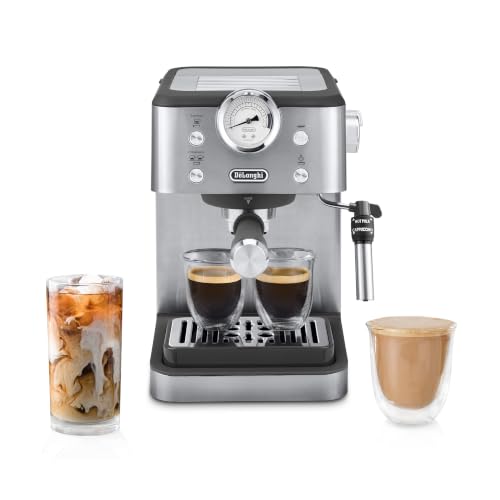
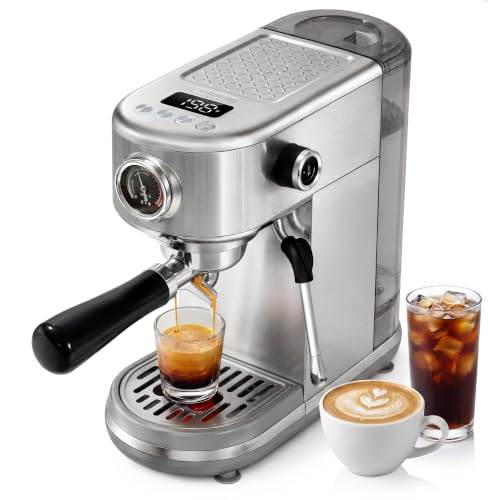

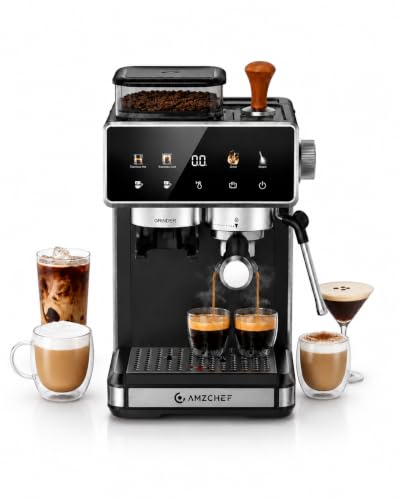

Measure the Space Before You Pick a Brew Style
Counter width is only half the picture. Height under the wall cabinets, the room a lid or tank needs to open, and the gap for a mug under the spout all count. Stand a tape measure beside the spot and note three numbers: width, depth with the tank fitted, and clear height with the lid lifted. A machine that fits only with the lid shut will be used with a cramped arm and the occasional spill.
Think about cords and heat too. A short cord ties the machine to one outlet, which may not be where you want it. Espresso models also vent steam, so leave a few inches behind and keep the machine away from the sink edge and from the toaster.
Mug and Cup Clearance
Many compact machines have a drip tray that lifts out or steps down so a tall travel mug fits underneath. Check the maximum cup height in the listing, not only the width of the machine. If your favorite mug does not fit, you will end up pouring from a small cup into a big one every day.
Tank Size and Refill Habits
Small tanks keep the body slim but need refilling more often. A tank that lifts out lets you fill it at the sink instead of carrying a jug to the counter. One person who has a cup or two each morning can live happily with a small tank, while a couple who both drink several cups will refill daily, so decide how many cups you pour before you accept a very slim design.
Compact Espresso Machines: Strong Drinks in a Small Footprint
Compact espresso machines suit people who like a concentrated shot, a milk drink, or both. Most use a pump to push hot water through finely ground coffee, and many add a steam wand for frothing milk. The reward is a richer drink than a basic brewer can make. The cost is practice: grind size, dose, and tamping all change the shot, and a machine that looks simple on the counter still asks for a few weeks of learning.
Some small espresso machines include a built in grinder, which saves a separate gadget but adds height and noise, and one more part to clean. Others take capsules or ground coffee only. If you want to compare the whole family before narrowing to small sizes, see our guide to the best espresso coffee machines, and if a grinder is on your wish list, the best grinder coffee machines explain what that feature adds.
Compact Pod and Capsule Machines: Fast, Tidy Cups
Pod machines are the easiest way to a hot drink on a small counter. You drop in a pod or capsule, press a button, and rinse a mug. They are narrow, quick to heat, and forgiving for guests who do not drink coffee often. The trade off is running cost, since pods cost more per cup than ground coffee or beans, and the range of drinks depends on which pod system the machine uses.
Capsule espresso machines sit between pod brewers and full espresso machines. They give a shot style drink with almost no learning, but you stay tied to the maker's capsule range. Check that capsules are easy to buy where you live before you commit to a system.
Compact Drip Machines and Brewers: Several Cups at Once
A small drip machine or single serve brewer still wins when more than one person wants coffee. It brews a mug or a small pot with almost no skill, uses ordinary ground coffee, and costs little to run. Compact versions shorten the body or shrink the carafe, so check the real height with the lid open. For a wider view of this style, see our guide to the best drip coffee machines.
Features That Matter More at Small Sizes
- Removable drip tray: lets you fit taller mugs and makes cleaning easy.
- Visible water level: a window or marked tank saves you from guessing before the first cup.
- Automatic shut off: a useful safeguard when the machine lives close to cabinets and clutter.
- Descaling reminder or program: keeps mineral build up from slowing a small heater.
- Quiet operation: small kitchens are often open plan, so a loud pump is noticed all over the home.
Running Costs and Care
Pods and capsules are the biggest recurring cost, so count a month of your own drinks against a bag of ground coffee before you decide. Descaling is the other regular job. Harder water needs it more often, and the maker's guide gives the interval for your machine. Rinse milk parts right after use, empty the drip tray daily, and wash removable parts by hand unless the guide says they are dishwasher safe.
Budget matters too, and small machines run from simple pod brewers to well built espresso machines. If cost is your main filter, our guide to the best affordable coffee machines shows what spending less gives up, and the best coffee machine makers page helps you compare the makers behind the models.
Who Should Buy Which Style
Among the best compact coffee machines, renters, dorm residents, and anyone with a short counter usually do best with a pod or capsule machine that stores easily. Home baristas with a little more room can enjoy a compact espresso machine and the ritual that comes with it. Shared offices and households with several coffee drinkers are better served by a small drip machine, since it makes more cups without extra effort. Guests often prefer a pod machine, because it asks nothing of them.
Common Mistakes to Avoid
- Buying the smallest machine without checking mug height, then pouring every drink into a second cup.
- Ignoring tank access, which turns a daily refill into a chore.
- Choosing espresso for the look and then never using the steam wand.
- Forgetting the cost of pods and filters in a yearly budget.
- Skipping descaling, which slows brewing and dulls the flavor.
FAQ
How small is a compact coffee machine?
Compact usually means a narrow footprint and a lower body than a standard machine, but sizes vary a lot between styles. Check the width, depth, and height against your counter and cabinets, and leave room for the lid or tank to open. The word compact alone does not guarantee a fit.
Do compact machines make weaker coffee?
Not by size alone. Strength depends on grind, dose, and brew method, so a well set small espresso machine can brew as strongly as a larger one. Pod machines are limited by the pod you choose, and small drip machines brew as strongly as the amount of coffee you add.
Are pod machines cheaper overall?
Pod machines often cost less to buy but more per cup than machines that use ground coffee or beans. Heavy daily use can erase the upfront saving, so add up a month of pods before deciding.
How often should a compact machine be descaled?
Follow the maker's guide and your water hardness, which often means every few months for regular use. Hard water needs it sooner. Scale slows brewing and can change the taste of every cup.
Can a compact machine handle guests?
Small tanks and single serve brewing slow down service for a group. A compact drip machine copes better with several cups at once, and a second brewing method can help if you host often.
Final Thoughts
Measure the counter and the tallest mug first, then choose the brew style that matches how you actually drink coffee. Pods suit speed, espresso suits flavor and ritual, and drip suits sharing. Use the product table to compare current options, and the best compact coffee machines for your kitchen will be the ones that fit the space, the routine, and the budget without forcing a compromise you will feel every morning.


