
Best Commercial Italian Espresso Machines: Types Compared and How to Choose for 2026
Disclosure: We may earn a commission when you buy through links on this page, at no extra cost to you. As an Amazon Associate I earn from qualifying purchases. Learn more

Compare the best commercial italian espresso machines by type, boiler, grinder and daily output, with a clear checklist for cafes and restaurants.
Choosing commercial espresso equipment can feel confusing because Italian machines come in several types that look similar but work very differently. A compact lever machine, a heat exchanger model, and a dual boiler workhorse do not suit the same counter or the same drink volume. This guide compares types first, so you can narrow the field before you look at prices.
The best commercial italian espresso machines share strong boilers, stable bar pressure, and parts built for daily service, but the right one depends on your menu and your staff. Use the comparison table below to see how the main types line up, then read on for who each type serves best and what to check before you buy.




How Commercial Italian Espresso Machines Compare to Other Options
Italian commercial machines are built around pressure brewing. Water is forced through finely ground coffee at about nine bars, which creates a concentrated shot with crema in about 25 to 30 seconds. That speed and intensity set them apart from slower brewing methods that rely on gravity or steeping. They also steam milk to order, which pour over and cold brew setups simply cannot do.
The trade off is cost and care. A commercial espresso machine needs plumbing or a large tank, regular cleaning, and a trained hand to dial in the grind. Other brewers cost less and ask far less of your staff, but they cannot produce lattes, cappuccinos, or straight shots. For a broader view of pump machines in general, see our guide to the best espresso coffee machines before you commit to a format.
Commercial Italian Espresso Machines vs Pour Over Brewers
Pour over brewers make clean, delicate filter coffee by dripping hot water over grounds in a paper filter. They shine when you want to highlight a single origin bean and serve black coffee by the cup. They cannot steam milk, they brew slowly, and each cup needs attention from start to finish.
Choose pour over as a side station for filter coffee lovers, not as your main service machine. If most orders are milk drinks or shots, espresso equipment should carry the menu and pour over can stay a small extra.
Commercial Italian Espresso Machines vs Percolators
Percolators cycle boiling water through grounds again and again, which often leads to bitter, over extracted coffee. They are cheap, simple, and able to make large batches for events, but temperature and brew strength are hard to control. You get volume without finesse, and no milk steaming at all.
A percolator can work for a church hall or a job site where people just want hot coffee fast. A cafe that charges premium prices needs the control and consistency of an espresso machine instead.
Commercial Italian Espresso Machines vs Cold Brew Makers
Cold brew makers steep coarse grounds in cold water for 12 to 24 hours, producing a smooth, sweet concentrate with low acidity. The method is forgiving and the gear is inexpensive, but the long steep means you must plan a full day ahead. There is no hot drink, no crema, and no milk texture.
Many cafes run both, using cold brew for iced drinks in summer and espresso for everything else. If you can only fund one system, pick the one that matches most of your orders.
Who Should Choose Commercial Italian Espresso Machines?
Cafes, restaurants, bakeries, and busy offices that serve espresso based drinks all day are the natural fit. If your menu lists lattes and cappuccinos, or guests expect a proper shot after a meal, a commercial Italian machine earns its counter space quickly. Volume matters too. A shop pulling 50 or more shots a day will wear out home grade gear in months.
Smaller settings should think carefully. A tiny deli that sells a handful of coffees may do better with a simpler setup, and home users should look at the best italian espresso machines for home instead, since commercial units need more space, power, and upkeep than a kitchen usually allows. If your drinks are mostly drip coffee, a good batch brewer will serve you better for far less money.
How to Choose the Right Commercial Italian Espresso Machine
Built In Grinder vs Pre Ground
Freshly ground coffee tastes noticeably better, and espresso is unforgiving of stale grounds. A separate commercial grinder gives you the most control over grind size and dose, and it keeps working if the machine needs service. The cost is extra counter space and a higher total bill.
Machines with a built in grinder save space and simplify training, but the grinder is usually the weaker half of the pair. Pre ground coffee is the last resort for low volume sites. It loses aroma fast, and you cannot adjust the grind when shots run too fast or too slow. Whatever route you take, choose burr grinding over blade grinding for even particles and repeatable shots.
Pod Cost and Long Term Value
Some compact commercial units accept pods or capsules, which keeps service fast and tidy. The cost per cup, though, is far higher than whole bean coffee, often several times the price for the same drink. Over a year of busy service, that gap can exceed the price difference between machines.
Pods also create packaging waste, and few local programs recycle them easily. Whole beans bought in bulk lower your cost per cup and let you change roasters when you want. If speed matters most and volume is low, pods can still make sense, but run the yearly math before you decide.
Footprint and Countertop Fit
Measure your counter before you fall for a specification sheet. Commercial machines range from compact single group units to wide three group models, and they need clearance for the portafilter, cups on top, and steam wand swing. Check door width and counter depth too, not just the final spot.
Think about water and power at the same time. Many units need a plumbed line, a drain, and a dedicated circuit. A removable tank helps in food trucks and carts, but staff will refill it often during a rush. Leave room behind the machine for hoses and for a technician to work.
Cleaning, Descaling, and Maintenance
Daily cleaning keeps espresso tasting sweet and machines alive. Staff should backflush the groups, wipe the steam wand after every use, and soak portafilters on a set schedule. Milk residue turns fast, and coffee oils build up into rancid flavors if you skip days.
Descaling and water filtration protect the boiler from mineral damage, which is the most common cause of costly repairs. Ask about parts availability, local service, and warranty terms before you buy. Shoppers comparing build standards across brands may also find our guide to the best quality espresso machines useful for spotting solid construction.
Brewing Method and Coffee Style
Start from the drinks you will actually sell. A menu built on straight shots and small milk drinks suits a single boiler or heat exchanger design for moderate volume. Long milk drinks and back to back rushes call for a dual boiler, which brews and steams at the same time without temperature swings.
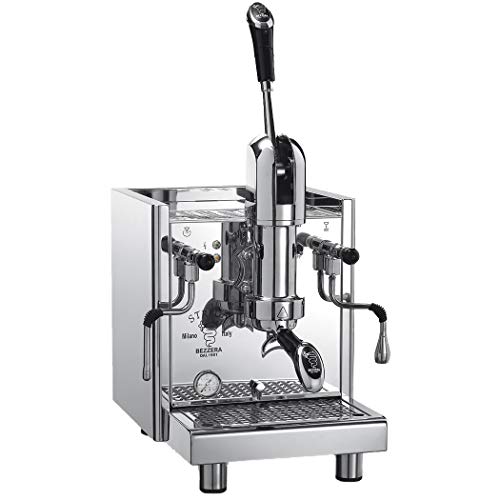
Lever machines give a skilled barista fine control and a quiet, classic feel, but output is slower and results vary by hand. Programmable volumetric models dose each shot by volume, which helps new staff stay consistent. Match the brewing method to your team skill and your peak hour queue, not to looks alone. Readers who want the heritage angle can explore the best italian made espresso machines for machines built in Italy itself.
Setup and Care Tips
Whichever of the best commercial italian espresso machines you choose, use filtered water from day one. Good filtration protects flavor and reduces scale inside the boiler, which extends the life of heating elements and valves. Descale every 1 to 3 months depending on water hardness, or follow the machine alert if it has one, and never ignore a warning light during service.
Clean the carafe area, drip tray, baskets, and steam wand after each use, and purge the wand before and after steaming milk. Train every staff member on the same routine and post it near the machine. A simple checklist at closing time prevents most flavor problems and most repair bills.
Commercial Italian Espresso Machines: Your Questions Answered
How often should I descale my commercial italian espresso machine?
Descale every 1 to 3 months in most shops, and more often if your water is hard. A practical sign is slower heating or temperature swings during a rush, which often mean scale is coating the element. Using filtered water stretches the interval, but it does not remove the need. Always use the descaler the maker approves, since harsh acids can damage seals and void coverage.
What grind size works best with a commercial italian espresso machine?
A fine, even grind that feels like soft sand works best for most espresso. The real check is timing. A double shot should pour in about 25 to 30 seconds and taste balanced, not sour or bitter.
If it gushes out pale and fast, grind finer. If it drips and tastes harsh, grind coarser. Change one small step at a time and taste again.
How long does a commercial italian espresso machine usually last?
A well maintained commercial machine often serves 7 to 10 years or more in daily use. Longevity depends less on the brand badge and more on water quality, cleaning habits, and timely replacement of gaskets and shower screens. Budget for a professional service visit each year. Shops that skip maintenance usually face boiler or pump failure far sooner than shops that keep a simple service log.
Is a commercial italian espresso machine with a built in grinder worth it?
It can be worth it for a small site where counter space is tight and drinks are simple. You gain a compact footprint and one plug, and training is easier for new staff. The limit is grind quality and repair risk, since a grinder fault can take the whole unit out of service. Busy cafes almost always do better with a separate grinder matched to their volume.
Is a more expensive commercial italian espresso machine really worth it?
It is worth it when the extra money buys capacity and stability you will use daily. Larger boilers, extra groups, and volumetric dosing pay off during rushes and reduce wasted shots. They do not pay off in a quiet site that serves a few drinks an hour. Compare the upgrade cost against your peak demand, and also check the best inexpensive espresso machines if your volume is still growing and budget is tight.
The Bottom Line
Focus on three things: the type that matches your menu, a boiler sized for your busiest hour, and a cleaning routine your staff will actually follow. Get those right and the machine will pay for itself in consistent drinks and fewer repairs. Look back at the product table above to compare the best commercial italian espresso machines side by side, then choose the type that fits your counter, your team, and your daily volume.


