Best Commercial Coffee Machines 2026: A Clear Buying Guide
Disclosure: We may earn a commission when you buy through links on this page, at no extra cost to you. As an Amazon Associate I earn from qualifying purchases. Learn more

Choose the best commercial coffee machines by brewing method, output, cleaning ease and service support for cafes, offices and restaurants.
Buying the best commercial coffee machines is different from buying a home brewer. Volume, speed, durability, and service support matter as much as taste. The comparison table below gives an overview, and this guide explains the business side of the choice in plain language.
A commercial machine earns its keep during rushes, not quiet moments. This guide helps cafes, offices, and restaurants match output and features to real daily demand, so you avoid both underpowered machines and expensive overkill.


Choosing the Best Commercial Coffee Machines: The Basics
A commercial machine brews many drinks in a row without long waits or quality drops. Larger boilers, stronger pumps, and sturdier parts separate it from home models. It also needs regular cleaning and occasional servicing, which should be part of your budget from the start.
Drink range matters early. Espresso based drinks, filter coffee, and bean to cup automation each suit different settings. A cafe needs flexibility and control, while a busy office often values speed and simplicity over fine tuning.
Key Features Explained in Plain English
The numbers for commercial machines describe capacity and workflow. Learn the ones that affect your rush hour, and you can compare models without getting lost in marketing terms.
Brewing Method and Drink Range
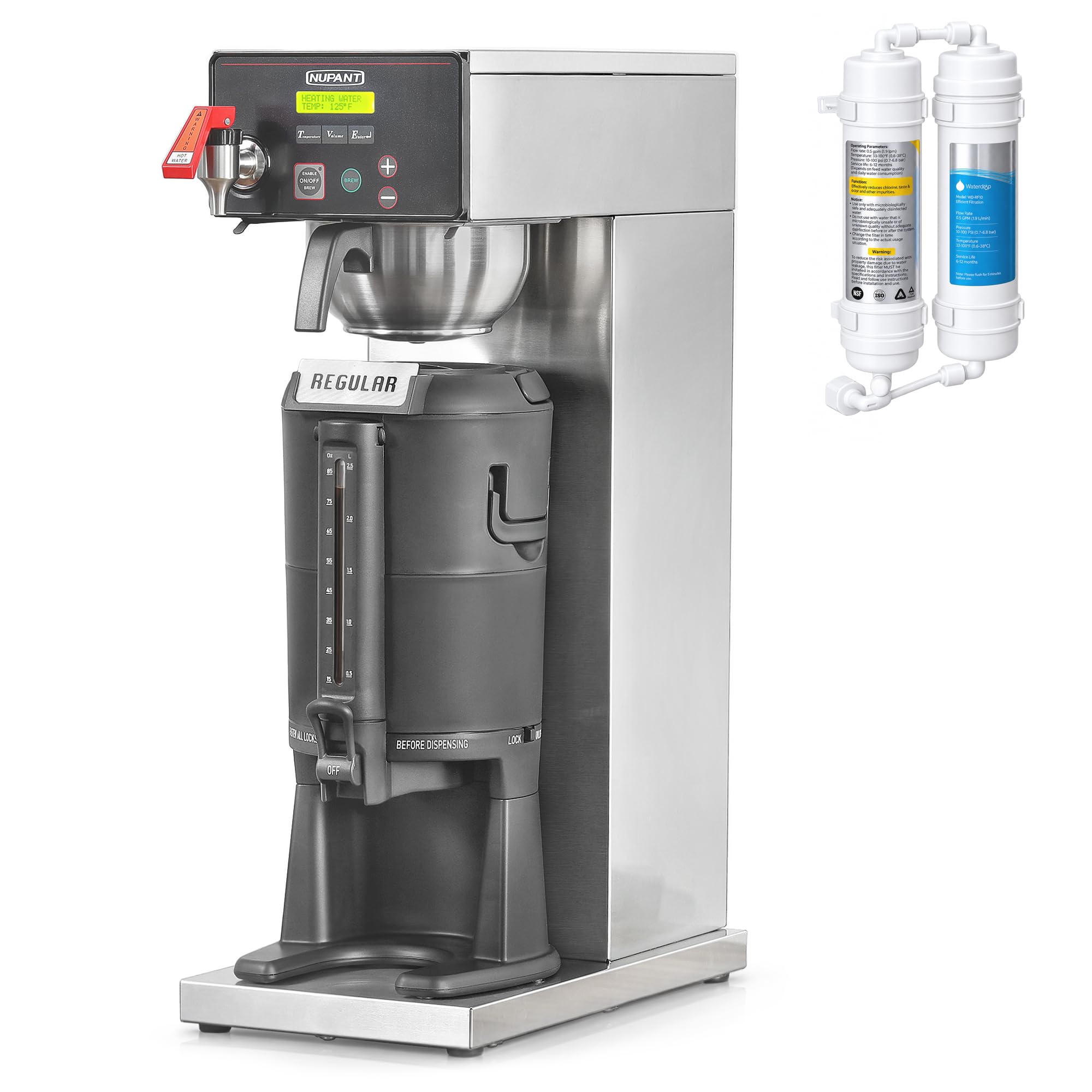
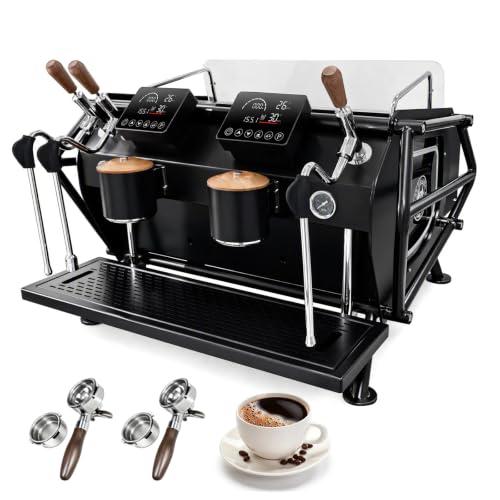
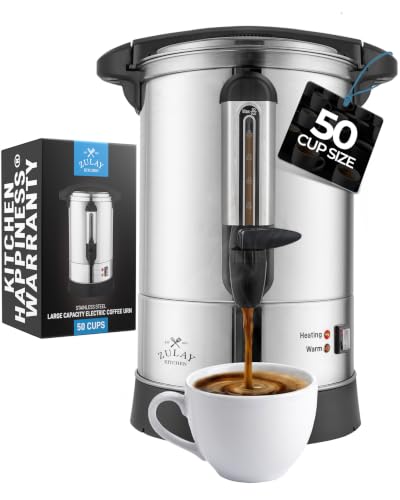
Drip and batch brewers suit high volume filter coffee for offices and diners. Espresso machines suit cafes that serve milk drinks and specialty orders. Bean to cup machines grind, brew, and froth at the touch of a button, which suits self serve settings and staff without barista training.
Match the method to your menu. If most orders are simple black coffee, a batch brewer may beat a complex espresso setup. If lattes and cappuccinos dominate, invest in steaming power and milk handling instead.
Output, Boiler, and Recovery Time
Output tells you how many drinks the machine can serve per hour, but recovery time tells you how fast it bounces back after a rush. A machine with a large boiler or dual boilers handles back to back orders better than a small single boiler that needs pauses.
Ask about cups per hour at your typical drink size, not just the headline number. A machine rated for small cups may serve far fewer large drinks in the same hour, which changes staffing and queue times.
Cleaning, Maintenance, and Service
Daily cleaning keeps taste consistent and prevents breakdowns. Look for automatic cleaning cycles, accessible brew groups, and clear descaling steps. Machines that are hard to clean get cleaned less, and taste suffers first.
Service access matters as much as features. Check warranty length, local technician availability, and parts supply before buying. A great machine with slow service becomes a liability during a busy week.
Matching the Machine to Your Setting
Cafes need control over grind, dose, and milk texture, plus durability for all day use. Offices need reliability, simple operation, and low training time, since many people share the machine. Restaurants need a machine that fits kitchen workflow and survives heat, steam, and spills.
Space and power also constrain choices. Measure counter space, check electrical requirements, and confirm water supply and drainage needs. A machine that needs plumbing changes the install cost and timeline, so confirm those details before ordering.
Costs Beyond the Machine
Beans, milk, filters, cleaning products, and service contracts add up over a year. Estimate daily drink volume and multiply by ingredient cost to see the real running total. A cheaper machine with high waste or frequent breakdowns can cost more than a pricier reliable one.
Training time is another hidden cost. Complex machines need skilled staff, while automated machines reduce training but limit customization. Choose the balance that fits your team, not just your menu ambitions.
For related options, see best coffee machine makers and best espresso coffee machines. Regional shoppers may compare best commercial coffee machines australia, while simpler setups are covered in best drip coffee machines and best commercial bean to cup coffee machines.
Planning Installation Properly
Measure counter height, depth, and clearance before ordering, and confirm doorways and delivery routes for large machines. Commercial machines are heavy and bulky, and a delivery surprise on install day delays opening and adds cost. Plan the route as carefully as the machine choice.
Confirm electrical capacity, water supply, drainage, and ventilation with a qualified installer before purchase. Some machines need dedicated circuits or plumbed lines that take days to arrange. Early checks prevent expensive last minute changes.
Train staff before the first busy service, not during it. Practice drink recipes, cleaning steps, and basic troubleshooting in quiet hours so rushes run smoothly. Written quick guides near the machine help new staff learn without slowing service.
Managing Daily Workflow
Design the coffee station around flow: grinder, machine, milk, cups, and pickup in a logical order. A well arranged station cuts steps, reduces spills, and speeds service during rushes. Small layout improvements often beat equipment upgrades for throughput.
Assign cleaning tasks clearly across shifts so nothing gets skipped. Morning, midday, and closing routines each cover different needs, from fresh water and wiped surfaces to deep cleaning and descaling checks. A posted checklist keeps standards consistent.
Track drink sales and waste to spot menu and portion issues. High waste on a particular drink may signal recipe, training, or equipment problems worth fixing. Data from sales guides bean ordering and staffing better than guesswork.
Before You Place Your Order
Before ordering, request a written quote that includes delivery, installation, training, and first year service terms. Verbal promises fade quickly when installers arrive, while written terms protect your budget and timeline. Compare quotes line by line, since one supplier may include plumbing and training while another charges separately for the same work.
Ask for references from businesses similar to yours, and visit one in operation if possible. Watching a machine during a real rush tells you more than any brochure about speed, noise, and workflow. Ask staff about cleaning time and breakdown frequency, since daily operators notice problems that sales material never mentions.
Plan bean storage and ordering alongside the machine purchase, since fresh beans and reliable supply affect taste as much as equipment. A machine without good beans disappoints customers regardless of price, while a steady supply chain keeps quality consistent through busy weeks and seasonal demand changes.
Frequently Asked Questions
How many drinks per day justify a commercial machine?
There is no single threshold, but steady daily volume above a home machine's comfort zone points to commercial gear. If queues form, quality drops during rushes, or home machines break often, a commercial model usually pays for itself in reliability and speed.
Do I need plumbing for a commercial machine?
Many larger machines need a plumbed water line and drainage, while smaller commercial models use refillable tanks. Plumbing adds install cost but saves refilling labor. Confirm power and water needs with your installer before purchase.
What maintenance does a commercial machine need daily?
Daily tasks usually include cleaning brew parts, wiping steam wands, emptying drip trays, and running rinse cycles. Weekly and monthly tasks add deeper cleaning and descaling. Follow the maker guide, since skipped cleaning affects taste and warranty.
Is a bean to cup machine right for a cafe?
Bean to cup machines suit self serve settings and teams without barista training, since they automate grinding and brewing. Traditional espresso machines suit cafes that prize manual control and craft. Choose based on staff skill and customer expectations.
How important is local service support?
Very important. Even reliable machines need parts and repairs eventually. A local technician with stocked parts can return you to service in hours, while distant support can mean days of lost sales. Check service coverage before you buy.
Final Thoughts
Match output, drink range, cleaning ease, and service support to your real daily volume. A machine that survives your busiest hour without fuss is worth more than one with extra features you never use. The product table above helps compare the main types side by side.
Plan for beans, cleaning, and service in your budget, train your team well, and choose the best commercial coffee machines for your setting. Reliability during a rush is the true measure of a commercial purchase.