
Coffee Machines
Explore the best coffee machines for every brewing style, from espresso and drip to single-serve and fully automatic systems. Whether you're a beginner looking for convenience or a coffee enthusiast chasing café-quality results at home, our curated selection covers top-rated models for every need and budget.
We analyze performance, build quality, features, and real user experience to help you find the perfect machine. Discover trusted brands, compare key specs, and learn what truly matters before you buy. From compact designs for small kitchens to high-end machines with built-in grinders and milk frothers, everything you need to brew the perfect cup is right here.
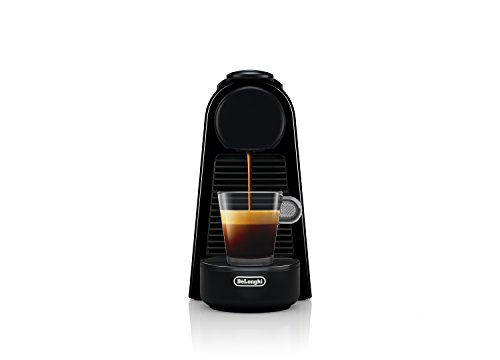
Best Espresso Machine Brands: A Complete Buying Guide
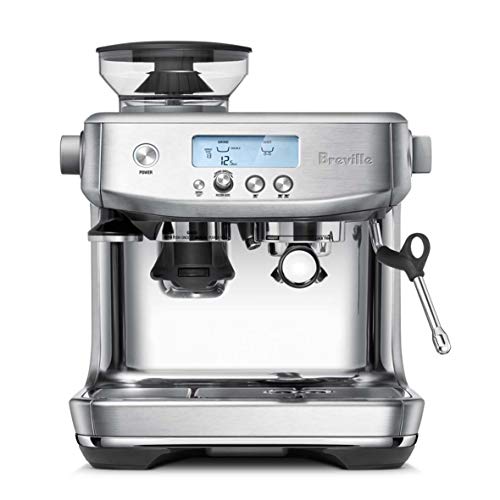
Best Commercial Espresso Machine: Complete Buying Guide
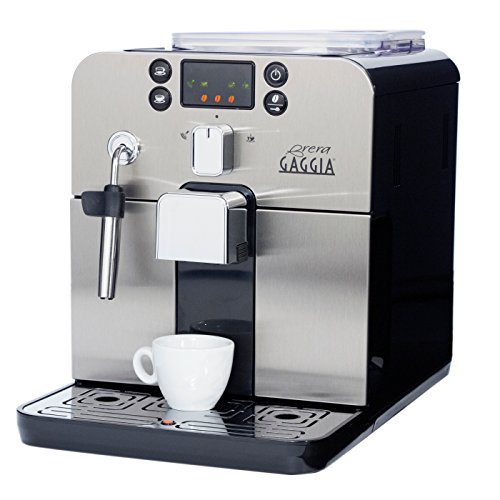
Best Italian Espresso Machines (2026 Buying Guide)
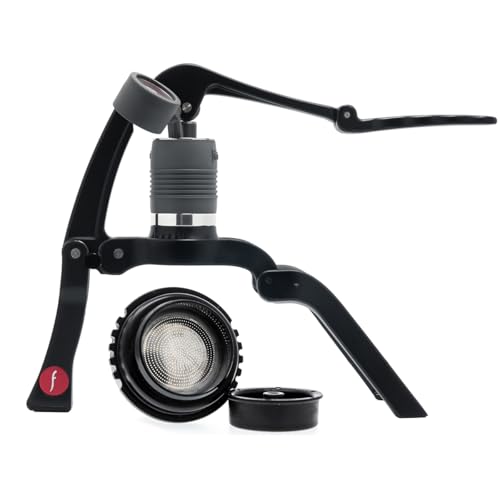
Best Portable Espresso Maker (2026 Buying Guide)
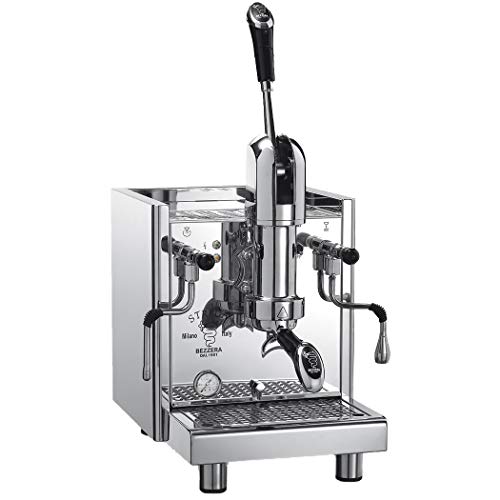
Best Lever Espresso Machines (2026 Buying Guide)

Best Breville Espresso Machines (2026 Buying Guide)
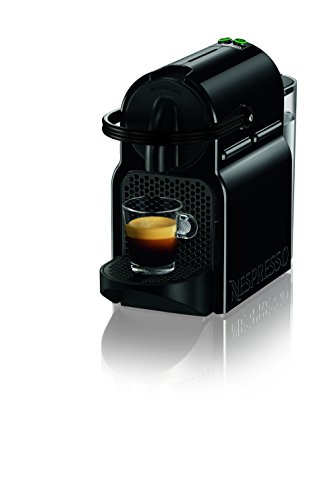
Best Nespresso Machines (2026 Buying Guide)
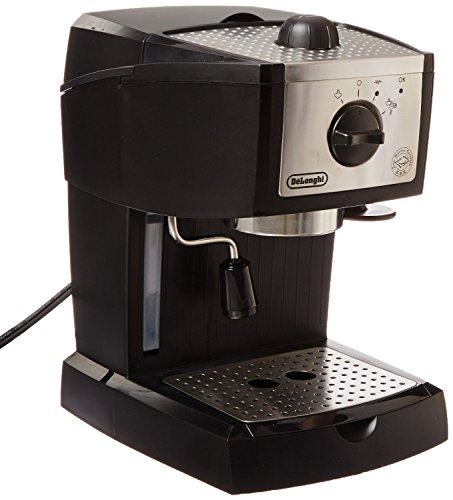
Best Espresso Machines for Beginners (2026 Buying Guide)

Best Prosumer Espresso Machines (2026 Buying Guide)
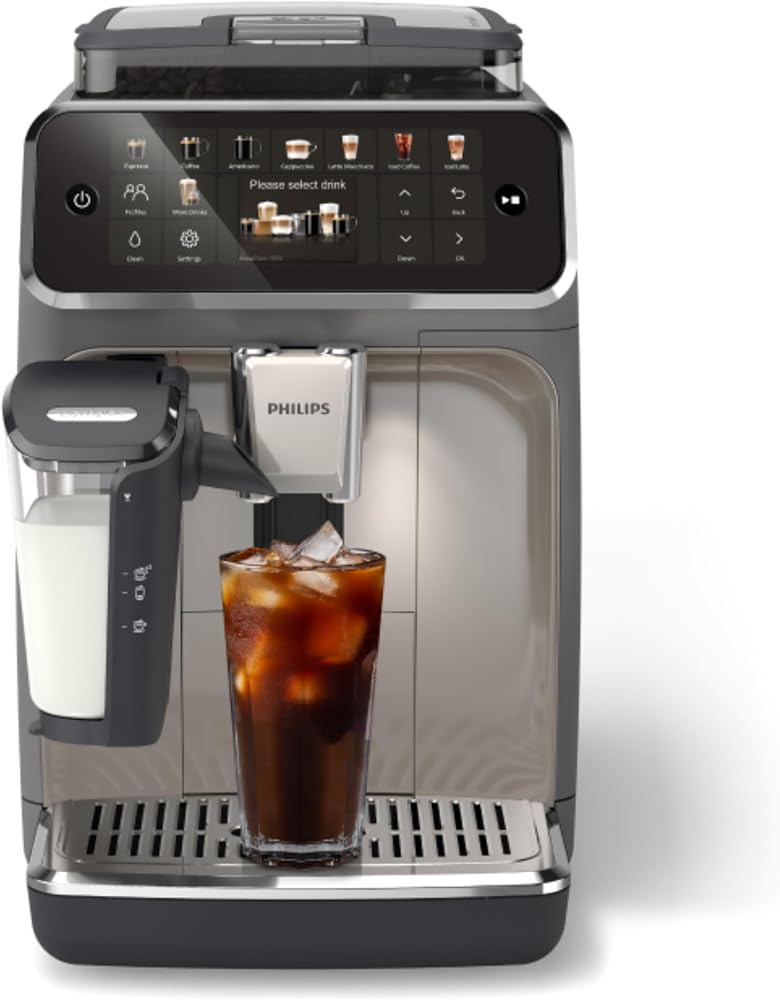
Best Saeco Espresso Machines (2026 Buying Guide)
Best Gaggia Espresso Machines (2026 Buying Guide)
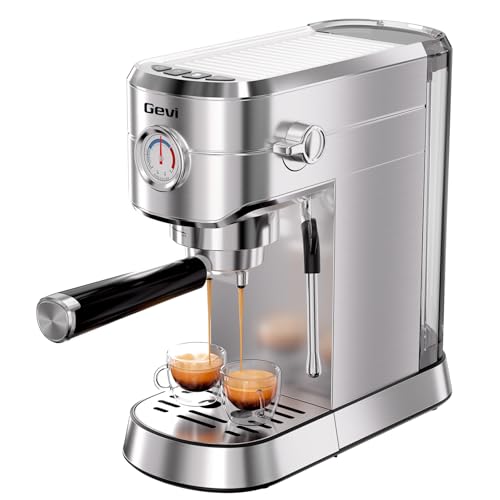
Best Gevi Espresso Machines (2026 Buying Guide)
Start With the Drinks You Actually Make
The fastest way to narrow the field is to list what you drink on a normal weekday. Straight espresso and Americanos need very different hardware than daily lattes for two people, and a machine that suits one household can frustrate another. Be honest about how much time you want to spend at the counter each morning, too.
Main Types of Espresso and Coffee Machines
- Capsule machines: one button, little cleanup, and consistent results. Nespresso Original and Vertuo use different capsules, so check pod availability and cost per cup before committing. Our guide to Nespresso machines explains the trade-offs.
- Semi-automatic machines: you grind, dose, tamp, and start the shot. They reward practice and usually need a capable grinder.
- Super-automatic machines: grind, tamp, and brew on their own, often with automatic milk systems. Convenient, but more internal parts to clean and maintain.
- Lever and manual machines: manual pressure control with a loyal following and a real learning curve.
Specs That Matter More Than the Box Suggests
Boiler design
Single-boiler machines must switch between brewing and steaming temperatures, which slows down milk drinks. Heat-exchanger and dual-boiler designs let you pull a shot and steam at the same time. Thermoblock and thermocoil systems heat up quickly and suit lighter use.
Pressure and temperature control
A big "bar" number on the box says little about shot quality. Stable brew temperature (often managed by a PID controller) and a proper 58mm portafilter on mid-range and higher models tend to matter more for flavor and accessory compatibility.
Milk steaming
Automatic frothers are easy but offer less control over texture. A traditional steam wand takes practice yet produces finer microfoam for latte art.
Budget and Common Mistakes
Entry-level espresso machines often cost $100 to $300, solid semi-automatics around $400 to $900, and dual-boiler or prosumer models can run well above $1,000. If you are new to espresso, a forgiving machine from our beginner espresso picks is a smarter start than an advanced model you never dial in.
The most common mistake is spending the whole budget on the machine and pairing it with pre-ground coffee or a blade grinder. Fresh, evenly ground beans matter enormously for espresso, so set aside money for a burr unit from our coffee grinder section. Other frequent regrets: ignoring the water tank size, skipping descaling, and buying a machine too tall to fit under upper cabinets.
Coffee Machines FAQ
Do I need a separate grinder for an espresso machine?
Unless the machine has a built-in grinder or uses capsules, yes. Espresso needs a fine, consistent grind that blade grinders cannot deliver, so a burr grinder made for espresso is one of the best upgrades you can make.
What is the difference between single boiler and dual boiler machines?
A single boiler machine heats water for brewing and steaming one after the other, so there is a wait between tasks. A dual boiler keeps separate boilers at different temperatures, letting you brew and steam at once, which is helpful for frequent milk drinks.
Are capsule machines worth it compared to espresso machines?
Capsule machines are worth it if speed and simplicity matter most. They cost less up front but more per cup over time, and they offer less control over flavor than a semi-automatic machine with freshly ground beans.
How often should I descale an espresso machine?
Most manufacturers suggest descaling every one to three months, depending on how hard your water is and how often you brew. Using filtered water and following the manual's schedule helps protect the boiler and keep flavor consistent.
How much should a beginner spend on an espresso machine?
Many beginners do well with a machine around $200 to $500 plus a decent burr grinder. That range covers reliable entry models that teach the basics without the complexity of prosumer equipment.