
Best Compact Espresso Machine Guide for 2026: How to Choose for a Small Home
Disclosure: We may earn a commission when you buy through links on this page, at no extra cost to you. As an Amazon Associate I earn from qualifying purchases. Learn more

The best compact espresso machine fits your counter, your routine and your cleaning habits; here is how to judge size, milk system and care.
A small kitchen does not have to mean weak coffee or a counter taken over by one appliance. The right best compact espresso machine gives you real espresso, steamed milk and a footprint that still leaves room to cook, prep and store food. The product table sums up the key size and feature differences so you can narrow your shortlist fast.
This guide focuses on how a compact machine fits your home, household size and daily routine. You will learn how to judge width, height, water access and cleaning time. If you want the wider view first, start with our guide to the best espresso machine and then come back here for the small space advice.


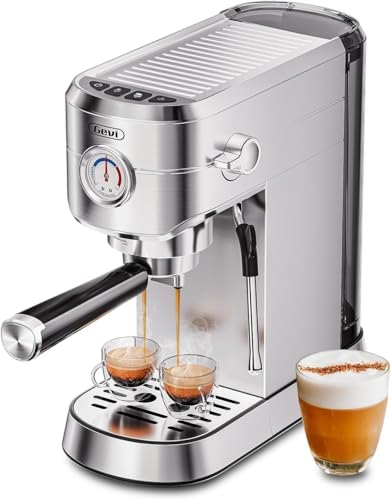
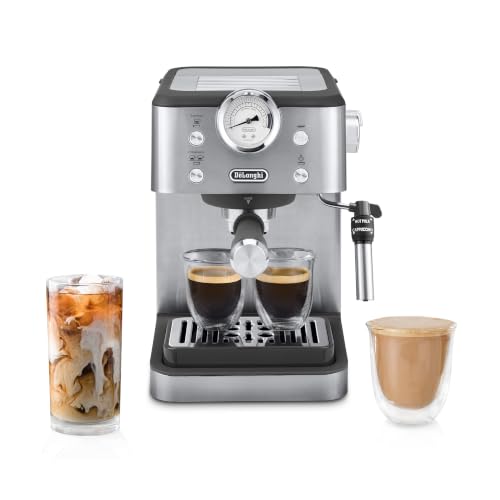
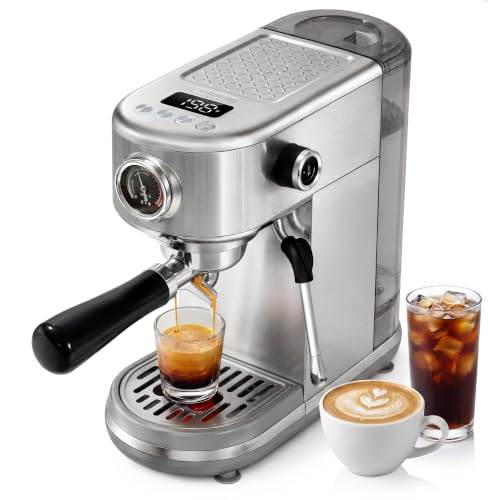

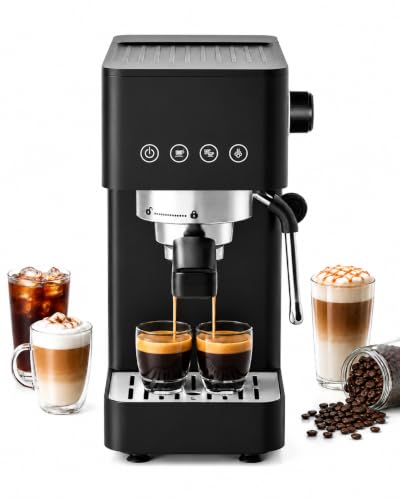
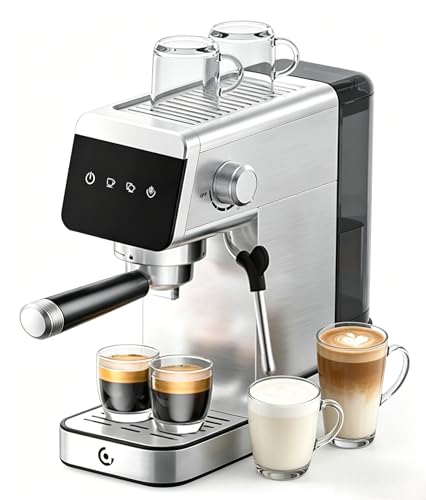
Quick Answer: What Makes a Compact Machine Work at Home
A compact machine works when it fits your counter with room to open lids and pull out the water tank, heats up fast enough for busy mornings, and matches how many drinks you make in a row. A narrow body suits most small counters, but height under your cabinets and tank access matter just as much. Choose the type and milk system that fit your routine, and skip extras you will rarely use.
Before You Buy: A Checklist for Choosing a Compact Espresso Machine
Which Type Fits Your Routine
Semi automatic machines give you control over grind, dose and shot timing, and they reward a little practice with better flavor. Super automatic machines grind, tamp and brew at the touch of a button, which suits households that want speed and low effort each morning. Manual and lever designs take the most skill and time, so they suit hobbyists who enjoy the ritual more than the shortcut.
Think about who else will use the machine. A home with one careful coffee lover can thrive with a semi automatic setup, while a busy family may value one touch drinks. If several people are learning at once, our guide to the best espresso machine for beginners explains the easiest starting points.
Features Worth Paying For and Ones to Skip
A built in grinder saves counter space and a separate purchase, but it adds noise, cleaning steps and one more part that can fail. A steam wand gives you full control for latte art and costs less than an automatic milk system, while an automatic frother suits readers who want milk drinks with almost no technique. A pressure gauge and a PID controller help you repeat good shots, yet neither matters if the tank is hard to refill or the drip tray is tiny.
Put your money toward stable brew temperature, a solid portafilter and controls you can understand at a glance. Skip cup warmers, extra drink presets you will never select, and large color screens that add cost without improving the coffee. On a compact body every extra feature competes for space, so a short feature list often serves a small home better.
Brew Temperature and Pressure Basics
Espresso extracts best with water at about 195 to 205 degrees Fahrenheit, and steady temperature matters more than a high peak number. Machines that warm up in under a minute suit weekday mornings, while larger boilers hold heat better for several drinks in a row. Look for clear information about pre infusion and pump pressure, and treat vague claims about bar numbers with care. Consistent heat and even water flow shape flavor far more than marketing terms on the box.
Water Reservoir, Filters and Descaling
Tank size controls how often you refill, and tank position controls whether refilling is easy in your kitchen. A front or top filling tank beats a rear tank that forces you to slide the whole machine out from under a cabinet each time. Most compact tanks are small, so plan on refilling every day or two with regular use. A water filter can slow scale in hard water areas, but it is a running cost you should plan for.
Descaling matters because scale slows heating and changes taste over time. Check how the cleaning cycle works before you buy, how long it takes, and whether the machine alerts you when a cycle is due. A removable brew group or easy access panels will save you real time each month.
Counter Footprint and Cabinet Clearance
Measure three numbers before you shop: the width of clear counter, the depth from wall to edge, and the height from counter to the underside of your cabinets. Then add working room, because you need space to lock in the portafilter, place a cup and move a milk jug without hitting the machine beside it. Check width, depth and height on each listing, and remember that lids and bean hoppers need extra height to open.
Also check where the cord exits and whether the tank or hopper lifts straight up. In a rental or a shared kitchen, a machine you can move to a cupboard after use may beat one that must live on the counter full time. Weight matters too, since a lighter body is easier to shift for cleaning behind it.
Realistic Budget Ranges
Under about $200 you get basic semi automatic machines that need a separate grinder and make one drink at a time with modest temperature control. About $200 to $500 is the zone where built in grinders, better steam power and faster heat up times become common, and it suits most small homes well. Above about $500 you pay for stronger build quality, quieter pumps, larger boilers and milk systems that need less effort from you.
Hold back part of your budget for beans, a tamper, a milk jug and cleaning supplies, since those items shape your results from day one. Our guide to the best espresso machine under 500 shows what that middle budget can include. Paying more only helps if the gains match your routine.
Three Buying Profiles and What to Prioritize
The Solo Drinker in a Studio or Small Apartment
Your priority is the smallest honest footprint, a fast start and simple cleaning, because the machine shares space with everything else you own. A semi automatic model with a small tank and a manual steam wand covers espresso and the odd cappuccino without taking over the room. Measure cabinet height with special care, since studio kitchens often have the lowest clearance.
The Couple or Small Family Making Milk Drinks Daily
Your priority is speed across two or more drinks, a tank you can refill without moving the machine, and a milk system everyone can use. A super automatic design or a semi automatic model with strong steam power will cut waiting time and reduce mess. Look for a drip tray that holds a full day of use and a frother that rinses with one button press.
The Keen Home Barista Short on Space
Your priority is control and consistency in a narrow body, even if the routine takes a little longer each morning. Focus on temperature stability, a standard size portafilter and a steam wand with good range of motion for texture and latte art. A separate compact grinder often beats a built in one for grind quality, if you can spare the extra width.
How to Compare Options Fairly
Compare machines on the same short list: footprint with lids open, heat up time, tank access, milk method, cleaning steps and total ownership cost. Read the manual summary for each model to see the real descaling routine, not just the headline features. Check verified buyer comments for notes about noise, leaks and tank handling in small kitchens.
Compact Machines Compared With Full Size Machines
Compact machines trade boiler size and work space for a footprint that fits real homes, and for one or two drinkers that trade is usually worth it. A full size machine holds temperature better across many drinks and gives you more room to work, but it can dominate a small counter and cost far more to buy and repair. Heat up time often favors compact designs, since a smaller system reaches brew temperature faster on a weekday morning. Your household size should make this call, not the fear of missing features you may never use.
Learning the basics well matters more than body size for flavor. If you are new to the routine, our walkthrough on how to use an espresso machine covers dosing, tamping and timing in plain steps. Good beans, a steady grind and fresh water will lift a compact setup further than a larger machine used with stale supplies.
Common Buying Mistakes to Avoid
- Measuring only the width and forgetting the height needed to open the bean lid or lift out the water tank.
- Buying a built in grinder in a home where noise at dawn will upset others in the household.
- Ignoring descaling time and filter costs, then letting scale build up until flavor and flow both suffer.
- Choosing a tiny tank for a family that makes four or more drinks each morning and needs constant refills.
- Paying for many drink presets while skipping basics such as a solid portafilter and a usable steam wand.
- Placing the machine where steam and splashes reach wooden shelves or stored food, which speeds up wear and mess.
Cost of Ownership and Care
Running costs include beans, water filters, descaling solution and the odd replacement seal or shower screen over the years of use. A compact machine uses less power per heat up cycle than a large boiler model, but frequent reheating across the day can close that gap. Budget a small amount every few months for filters and cleaning supplies, depending on your water hardness and drink volume. Keeping the machine clean is the cheapest way to protect both flavor and the pump.
Wipe the steam wand right after each use, empty the drip tray daily and rinse the portafilter basket after every session. Run cleaning and descaling cycles on the schedule the maker sets, and use filtered water if your tap water leaves heavy scale. Our step by step guide to how to clean an espresso machine walks through each task with timings.
Your Questions, Answered
What is the most reliable espresso machine brand?
No single brand is the most reliable for every home, because reliability depends on the type, the parts used and how well the machine is cleaned. Look for a clear warranty, spare parts that are easy to order and a service network in your country. Simple designs with fewer motors and screens tend to need fewer repairs over time.
How do you clean an espresso machine?
You clean an espresso machine by wiping the wand after each drink, rinsing the basket daily and running descale and brew group cycles on schedule. Use the cleaning product the maker specifies, since harsh chemicals can damage seals and leave tastes behind. One point many owners miss is the space under the drip tray, where stale water can cause odors in a warm kitchen. Dry that area weekly and your machine will smell fresh and drain freely.
Is an espresso machine worth it?
An espresso machine is worth it if you drink espresso based coffee most days and will use it at least four or five times a week. The savings against cafe prices build up within the first year for most households, even after beans and filters are counted. It is less worth it if you travel often or prefer filter coffee most of the time. A modest machine used daily beats a costly one that sits idle.
How long does an espresso machine last?
A well kept home espresso machine usually lasts about 5 to 10 years, with pumps and seals the parts most likely to need service first. Descaling on time and using water with moderate mineral content extend that life a great deal. If repair costs pass half the price of a comparable new machine, replacement is usually the smarter spend.
Are compact espresso machines worth it?
Compact espresso machines are worth it when counter space is your main limit and you make one to three drinks at a time. They heat fast, cost less to run and fit kitchens where a full size model would block food prep space. The compromise is slower back to back drinks and smaller tanks that need more refills. For a large family making many milk drinks at once, that compromise may be too big.
What is the best compact espresso machine?
The best compact espresso machine for you is the one that fits your measured space, matches your milk drink habits and stays easy to clean week after week. Solo drinkers should prize footprint and heat up speed, while families should prize tank access and steam power. There is no single winner for every kitchen, and that is a strength of this category. Use the product table above to match the profiles in this guide to your own routine.
Final Thoughts
A compact machine can deliver real cafe style coffee from the smallest counter when you choose by fit, routine and care needs rather than by feature count. Measure your space, pick the type that matches your mornings and keep the cleaning routine simple enough to sustain. When you judge the best compact espresso machine options against your own household, the product table above will help you settle on the right one with confidence.


