Best Compact Car Battery Jump Starter in 2026: Budget Guide
Disclosure: We may earn a commission when you buy through links on this page, at no extra cost to you. As an Amazon Associate I earn from qualifying purchases. Learn more

Entry, middle and upper price tiers compared for the best compact car battery jump starter, plus care tips so it works when needed.
Prices for small jump starters stretch from under $50 to well above $150, and labels can make a cheap unit sound stronger than it is. The best compact car battery jump starter for your car has enough power for your engine, guards that forgive a wrong connection, and a shape that stays in your car. Use the product table to match budget to real capability.
This guide explains who gains most from a compact unit, what each price tier adds, which features deserve your money, and how to store the unit so it works when you need it.


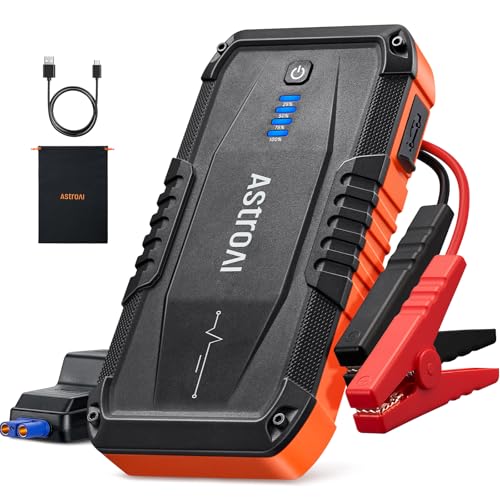
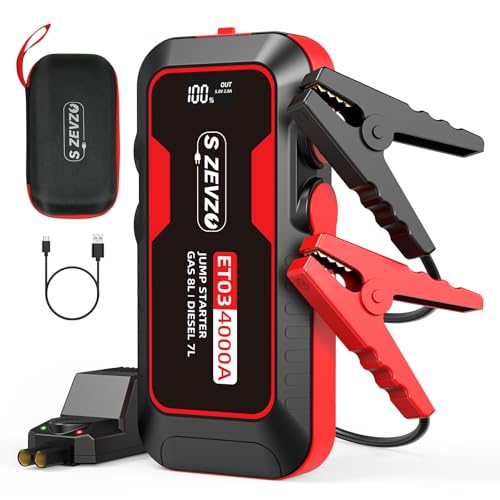
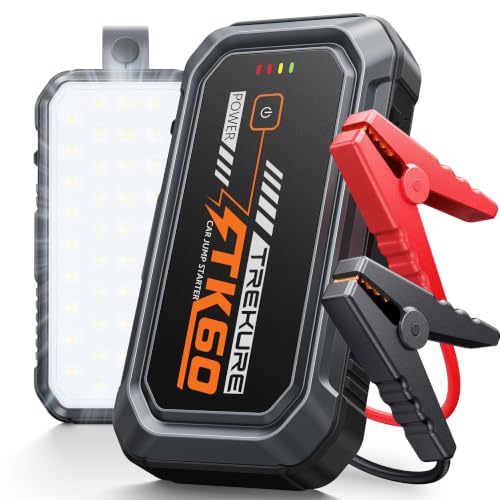

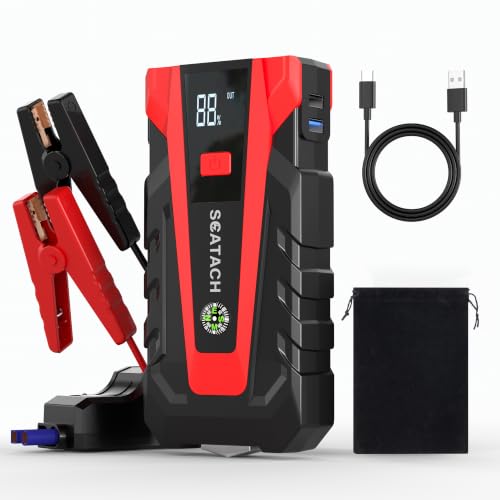

Who Should Buy a Compact Jump Starter for a Small Car?
A compact unit suits a small gasoline car far better than an oversized booster built for trucks. Buy for the car you have now, not for a vehicle you might own later.
Daily Commuters Who Park Outdoors in Cold Weather
You leave early, park outside, and cannot wait for another driver to help with cables. A compact unit lets you restart the car yourself in minutes. Choose stronger starting power and a charge indicator you can read at a glance, because cold mornings cut battery strength and a unit stored at low charge may fail.
Drivers of Older Compact Cars With Aging Batteries
If your hatchback or sedan already starts slowly on some mornings, a jump starter buys you time while you plan a battery test. It will not repair a worn battery or a faulty alternator, and repeated use is a sign to visit a shop. Pick clear polarity guards so a stressful roadside start stays simple.
Students and Apartment Drivers With Little Storage
You may park on the street, share a car, or keep tools in a small trunk. A light unit that fits in a glove box or a small case is easier to keep charged and present. Skip bulky extras, and value a simple USB socket for phone power during a delay.
Jump Starter Price Tiers: More Jumps and Stronger Clamps
When you shop for the best compact car battery jump starter by budget, the fair question is what extra money buys. It usually buys more jumps per charge, stronger clamps, and better cold weather reserve, not a different basic job. For a wider view across sizes, see our guide to the best rated car battery jump starter.
Entry Tier at About $50 to $70: Enough for Most Small Gas Engines
Expect enough peak power for a typical four cylinder or small six cylinder gasoline engine, basic polarity protection, and a small light. You may get only a few jumps before recharging, and the clamps often feel plain. This tier suits a newer car whose battery failed once after lights were left on.
Middle Tier at About $70 to $120: More Jumps and Stronger Clamps
This range usually adds a larger internal battery, more jumps per charge, faster recharging, and clamps with a firmer grip. Many units add USB ports and a brighter light with flashing modes. For most compact car owners this is the practical balance, because you pay for reserve rather than for size you cannot store.
Upper Tier Above About $120: Cold Reserve and Faster Charging
Paying more should bring stronger cold weather output, quicker recharge times, a tougher case, and displays that show remaining charge as a number. Some units can also help larger gasoline engines, which matters if your household shares one booster. If a pricey unit only adds a larger light, the extra cost is hard to justify.
Key Features to Compare
Judge every model by the same five points below. A high peak number means little if the clamps, guards, or storage size work against you.
Peak Amps and Engine Fit for Compact Cars
Peak amps describe a short burst of power, not steady output, so treat very large numbers with care. Most compact cars with gasoline engines of about 2 to 3 liters start well with a modest rating, while larger engines and cold weather demand more reserve. Cold cranking amps rate the car battery itself, not the booster, so do not compare the two numbers directly. Many compact units are not rated for diesel engines.
Battery Capacity, Jumps Per Charge and Recharge Time
Capacity decides how many starts you get before the unit needs power again. A small unit may offer only a few jumps, while a larger one can handle repeated starts and still charge a phone. Recharge time matters too, because a unit that needs most of a day to refill is easy to leave empty. Look for a clear charge indicator and a common USB charging input.
Safety Guards and Clamp Quality That Forgive Mistakes
Reverse polarity protection warns you or blocks power if a clamp lands on the wrong terminal, and that guard matters most for new users. Good units also guard against short circuits, overheating, and charging errors. Clamps should open wide, bite clean metal, and stay put without rocking. Short cables are normal, so both clamps must reach the terminals easily.
Size, Weight and Storage Inside a Compact Car
A compact booster often weighs about 1 to 2 pounds and is roughly the size of a thick paperback book. Measure the glove box, console, or under seat space you plan to use, and include the case and clamps in that space, not the unit alone. A unit left at home helps no one, so choose the smallest size that still meets your engine needs.
Lights and Phone Charging: Useful Extras, Not the Main Event
A built in light helps you find battery terminals at night, and flashing modes can warn traffic while you work. USB output turns the booster into a small power bank for a phone, which is handy while you wait for help. Treat both as secondary points, because extra lighting and ports drain the same battery you need for starting.
How to Check Fit and Use a Compact Jump Starter Safely
Before you buy, confirm three facts: a 12 volt electrical system, your engine size and fuel type, and terminal access in the engine bay. Some compact cars place the battery under a cover or in the trunk, with marked posts under the hood. If your household also runs a larger vehicle, see our guide to the best car jump starter for higher output models.
Most units work as plug and play helpers: park, switch the car off, clamp red to the positive terminal and black to the marked ground point, wait for the ready light, then start the engine and remove the clamps in reverse order. Never attempt a jump if the car battery is swollen, leaking, or cracked. Those signs need a qualified mechanic, not another try, so call a professional.
Common Mistakes to Avoid
Most failed starts with a small booster come from a few avoidable errors.
- Buying by the largest peak number alone leaves you with weak clamps that slip off small terminals.
- Storing the unit empty for months leaves it unable to start the car when you need it.
- Clamping to a painted or rusty surface gives a weak connection that only clicks instead of starting.
- Using a gasoline only unit on a diesel engine leaves you short of the power a diesel start demands.
- Jumping the same car every week hides a failing battery until it strands you away from home.
Care and Maintenance for Your Compact Jump Starter
Recharge the unit after every use, and top it up every 3 to 6 months even when it sits unused, because stored lithium cells lose charge slowly. Keep it in its case, away from deep cold and from a hot trunk where you can, and wipe clamps clean and dry after use so corrosion does not build on the contact faces.
Ownership cost stays low: charging from a wall outlet costs very little, and the main expense is replacing the unit after several years when its internal battery no longer holds a useful charge. A longer warranty softens that cost. If you would rather keep a home unit plugged in to maintain the car battery, see our guide to the best car battery charger jump starter.
Questions About Compact Car Jump Starters
How long does a compact jump starter hold its charge in storage?
Most compact jump starters still work after several months on a shelf, but heat speeds charge loss sharply. Store yours indoors during a heat wave if you can. A numeric display makes a quick check easier than four small lights, and checking before a long trip catches a low unit while you still have time to refill it.
Can a compact jump starter start a compact car with a completely dead battery?
Yes, a compact jump starter can start a compact car even when the battery is too weak to turn the engine, as long as the battery is not damaged. Give the unit a minute connected before you turn the key, because that pause lets a very weak battery settle. If the engine only clicks, stop and check clamp contact on clean metal.
Does a compact jump starter work for a hybrid compact car?
Many compact jump starters can start a hybrid compact car, because the unit only powers the small 12 volt battery that wakes the system, not the large drive battery. Check the car manual for the marked starting posts, since hybrids often hide that battery away from the engine bay. Never connect clamps to high voltage parts, usually marked in orange.
When should you replace a compact jump starter instead of recharging it?
Replace a compact jump starter when a full charge gives only one weak start, when the case bulges, or when the unit shuts off during a normal start. Those changes show the internal battery has aged past useful service. Recycle the old unit through a battery collection point, because its cells need special handling.
Final Thoughts
Spend first on starting power that fits your engine, guards that make connection safe, and a size you will keep in the car. Then let budget decide how much reserve you add, and use the product table to confirm size, weight, and price. When you choose the best compact car battery jump starter on those points, a dead battery becomes a short delay instead of a ruined morning.