Best Auto Battery Jump Starter 2026: Which One Fits the Way You Use It?
Disclosure: We may earn a commission when you buy through links on this page, at no extra cost to you. As an Amazon Associate I earn from qualifying purchases. Learn more
Pick the best auto battery jump starter for your engine, routine and storage space, with plain notes on peak amps, protections and price.
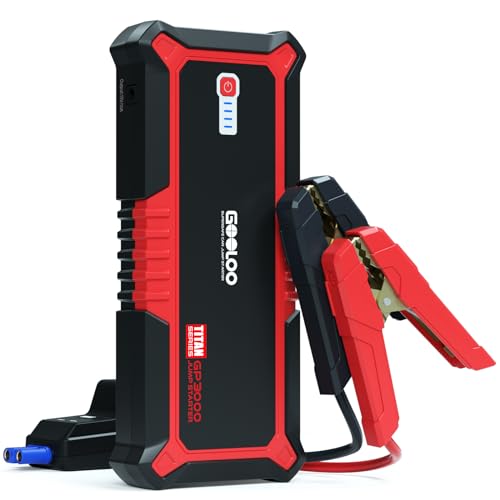
A jump starter only has to work on the worst morning of your year, and the right one depends entirely on the vehicle it must start and the life it will lead in your car. There is no single best auto battery jump starter for every driver, because a small hatchback, a diesel truck, and a car that sits for weeks ask very different things of a pack. This guide starts with fit, then moves to the specs and safety points that decide whether the pack works when it is finally needed.
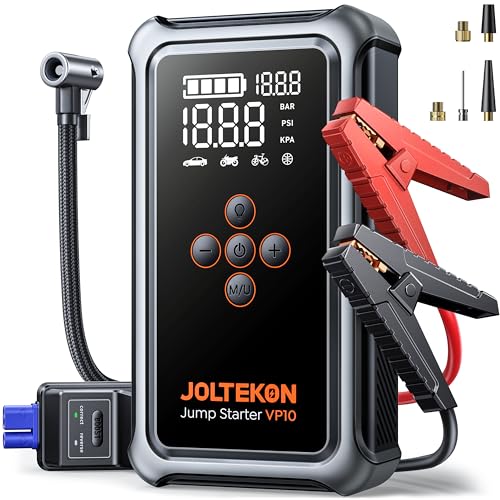
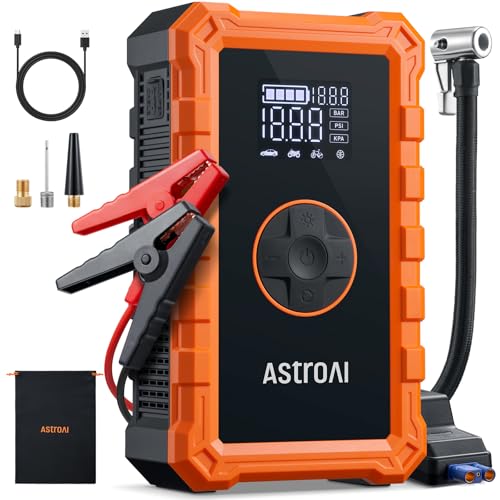
Size the class to your engine, be honest about how often you drive, and check where the pack will live before you compare any numbers. The product table collects the current options, and the sections after the intro explain how to read their claims without being misled by the biggest figure on the box.



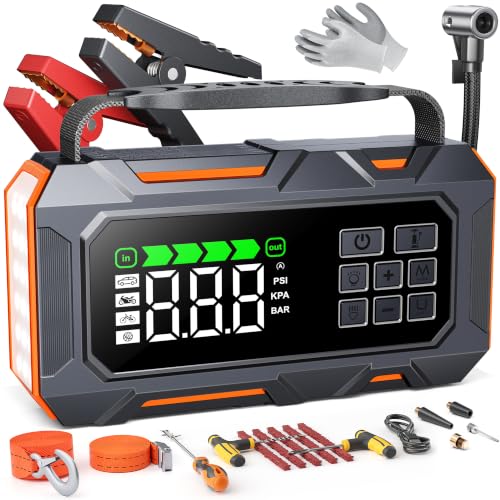

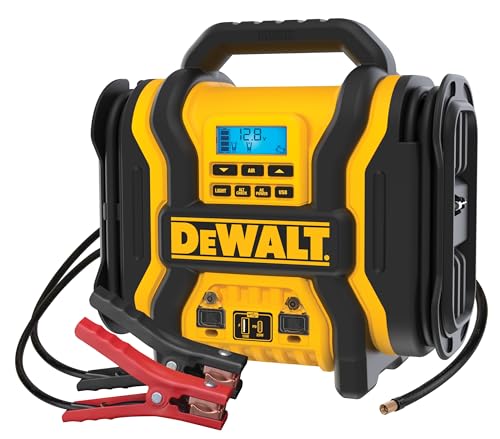
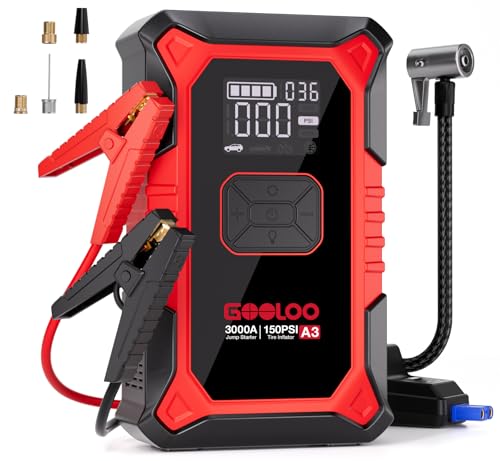


Who Should Buy Which Class of Auto Battery Jump Starter
User groups differ less by budget than by the vehicle and routine the pack must serve. Read your own pattern in the four groups below, and note the class each one points to before looking at any spec sheet.
For First Time Buyers
A first pack should be simple enough to use calmly in a dark parking lot with cold hands. Choose a midsize class with clear markings on the clamps, plain instructions printed on the unit or its case, and protections that forgive mistakes, especially reverse polarity protection. Power needs stay modest for most cars, so spend on clarity and build rather than the largest rating. A compact case that lives in the glovebox beats a stronger pack left at home, a point our guide to best battery jump starter portable covers in more depth.
For Gift Shoppers
A jump starter is a gift the receiver hopes never to use, so it must explain itself to someone who did not choose it. Pick a widely compatible class that starts most cars and light trucks, with a sturdy case, a simple charge indicator, and instructions a stranger can follow. Warranty length matters here because the giver will not be there to troubleshoot. Include a note telling the receiver where to store it and when to recharge it, since a thoughtful card extends the gift more than a bigger box does.
For Drivers Who Want the Strongest Performance
Drivers of trucks, large engines, and diesels are the ones who genuinely need the upper classes, because bigger engines demand more from any pack in cold weather. This is also the group that benefits from extras with real work behind them, such as a bright work light for night repairs and enough capacity for several starts between charges. Even here, the rating on the box is a maker figure, and the section on performance specs below explains how to compare classes honestly. Weight grows with capacity, so confirm the pack still fits its intended storage spot.
For Value Seekers
Value in a jump starter means cost per reliable start, not the lowest sticker. A midsize class from a maker with a clear warranty and available replacement cables usually outlasts a bargain pack with mystery parts. Skip paying for features you will never open, such as app connections, and put the money toward capacity matched to your engine. Drivers weighing rated options against price can see how ratings are read in our guide to best rated car battery jump starter, then judge whether the premium buys anything their vehicle needs.
Key Features to Compare
With the class chosen, four checks separate a pack that fits from one that merely looks strong on paper. Use the product table to compare the classes side by side while you work through them.
Performance Specs, Read Honestly
Peak amps is the headline number, and it is a maker figure measured under conditions each brand sets for itself, so peak amp claims are not comparable across brands and should never be the only basis for a choice. Use the figure only to place a pack in a broad class: small engines need less, large and diesel engines need more. Cold cranking performance matters on winter mornings, and honest listings describe the engine sizes a pack is built for. Treat any pack that promises to start everything, at any size, with suspicion.
Protections That Forgive Mistakes
Reverse polarity protection is the feature that saves a battery and a nervous driver when clamps land on the wrong posts, and it belongs on any shortlist. Short circuit protection, spark proof clamps, and clear error lights or beeps all serve the same purpose: they turn a mistake into a message instead of damage. These systems do not remove the need to follow the connection order in the safety section below. They simply make a first attempt calmer, which is when errors actually happen.
Vehicle Compatibility
Compatibility starts with the basics: the pack must suit a standard 12 volt vehicle system and an engine class like yours. Check the stated engine limits from the maker against your own vehicle, and remember that a pack rated for small gasoline engines is the wrong tool for a large diesel. Hybrid and electric vehicles have their own rules for jump starting the small auxiliary battery, and the vehicle manual governs those cases, so read it before the need arrives. Our guide to best auto jump starter walks through similar matching checks for drivers comparing formats.
Size, Storage, and Extra Features
A pack earns its keep only if it is in the vehicle, so measure the glovebox, console, or under seat space before ordering, and choose the largest class that fits that home. Extra features deserve a cold eye: a work light helps at night, USB ports can charge a phone during a long wait, and an air compressor adds real bulk. None of those extras adds starting power, and each one competes with capacity for the same money. Compact designs in our guide to best battery pack jump starter show how much starting ability now fits in a small case.
Using a Jump Starter Safely: The Steps That Are Not Negotiable
Every pack ships with a connection order, and the vehicle manual may add its own, so follow the instructions from the maker and the manual exactly rather than any summary, including this one. In general terms the order runs the same way on most packs: connect the clamps in the stated sequence, make the final ground connection to a solid metal point away from the battery, and remove everything in reverse order when the engine runs. Never lean over the battery while connecting or disconnecting, and keep your face and hands clear of the posts.
Some batteries must not be jumped at all. A battery that is swollen, leaking, cracked, or giving off a strong rotten smell is finished, and the safe response is replacement or a professional, not a stronger pack. Repeated heavy sparking while you connect means stop, remove the clamps in reverse order, and have the vehicle checked. If two careful starting attempts fail, the fault is bigger than a flat battery, because a jump starter is an emergency bridge to a repair, not the repair itself.
Common Mistakes to Avoid When Buying a Jump Starter
Most bad purchases come from the same short list of errors.
- Buying by the peak amp figure alone, even though brands measure it differently and the numbers cannot be compared directly.
- Choosing a class below your engine size, so the pack strains on the coldest morning when it matters most.
- Storing the pack on a garage shelf instead of in the vehicle, where it cannot help on the road.
- Letting the charge fade for a year or more, since a stored pack slowly loses charge and ages whether it works or not.
- Trusting a rating without reading what it measures, as our guide to best rated battery jump starter explains in detail.
Care and Charging Habits That Keep a Pack Ready
A stored jump starter slowly loses charge, so put a recharge reminder on your calendar about every three months and top the pack up whether it was used or not. After any real jump start, recharge it the same day, since a pack left empty ages faster. Store it in its case inside the vehicle, away from the extremes of a hot trunk in summer where you can manage it, and check the clamps and cables for damage each time you charge.
Read the vehicle manual section on jump starting before you ever need it, because some models name a specific ground point or forbid certain methods. When the pack itself reaches old age, swelling of the case, a charge that will not hold overnight, or cables with cracked insulation mean retirement and proper battery recycling. A pack replaced on schedule is cheaper than a tow.
FAQs: Questions Answered
What makes a jump starter easy for a first time user to use?
Clear clamp markings, printed instructions, and protections that warn instead of punishing a mistake make a pack easy for a new user. One detail rarely listed: the length of the cables matters, because short cables force awkward clamp angles on some battery layouts. If the posts sit far apart in your engine bay, measure before buying. A calm first use usually comes from reading the steps once at home, in daylight, before any real emergency.
Will a jump starter pack work with my vehicle?
It will, provided the pack class covers your engine size and your vehicle uses a standard 12 volt system. The check takes two minutes: find the engine size in your manual or on the maker site, then compare it with the range the pack maker states. One case to handle separately is a vehicle with a battery mounted in the trunk or under a seat, where remote jump posts under the hood are the intended connection points.
How long does a jump starter pack hold its charge in storage?
Most packs hold a useful charge for several months, then fade gradually, which is why a recharge every three months is the safe habit. Heat shortens that window, so a pack stored in a sun baked car may need attention sooner. A simple check tells the truth: if the indicator shows a strong charge and the pack starts your car once in a planned daytime trial, it is ready. Replace guesswork with that calendar reminder and the pack rarely surprises you.
Do I need a professional to install or use a jump starter pack?
No, a jump starter pack needs no installation at all, because it is a portable unit that connects only at the moment of use and then goes back in its case. A professional enters the picture for the battery itself, not the pack: repeated failures, visible battery damage, or a charging system warning light all belong in a workshop. Think of the pack as the ride to the mechanic, and the mechanic as the fix for whatever drained the battery.
What specs matter most when choosing a jump starter pack?
The match between pack class and engine size matters most, followed by the protection systems and the charge indicator you will actually check. Beyond the label, look at the stated number of starts per charge if the maker gives one, since road trips can demand a second attempt hours later. Cable thickness is a quiet spec worth a glance, because thin cables on a large engine waste the capacity you paid for. Ignore any single headline number that stands alone.
Final Thoughts
Fit beats force: match the class to your engine, keep the pack charged on a simple schedule, store it where the emergency will happen, and follow the safety steps every single time. Extras are welcome only after those four points are settled, and the biggest number on a box is the least honest guide of all. The best auto battery jump starter for you is the one in the product table that fits your vehicle, your storage space, and your routine. Buy that one, charge it the day it arrives, and set the reminder.