Best Compact Car Battery Charger in 2026: Beginner Guide
Disclosure: We may earn a commission when you buy through links on this page, at no extra cost to you. As an Amazon Associate I earn from qualifying purchases. Learn more

Learn what the best compact car battery charger really does, how to read the specs and which beginner mistakes to avoid.
A dead car battery rarely picks a convenient moment. It happens before work, in a cold parking lot, or the morning of a trip, and if you have never owned a charger, the product pages can feel like alphabet soup: amps, CCA, peak amps, maintenance modes. This guide slows everything down.
We will explain what the best compact car battery charger actually does, translate the specs into plain English, and show you the mistakes first time buyers make most often. By the end, you will know which style fits your car and your garage. The product table gives you the shortlist in one view.


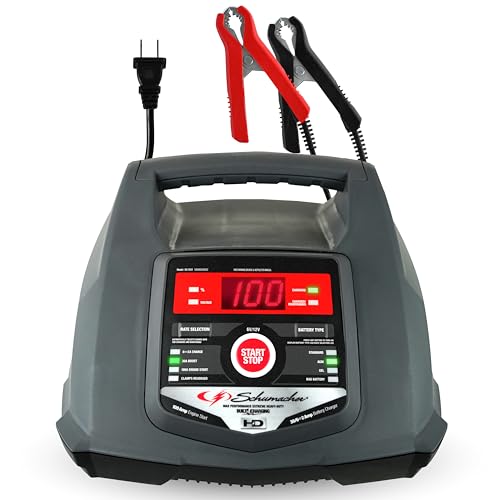
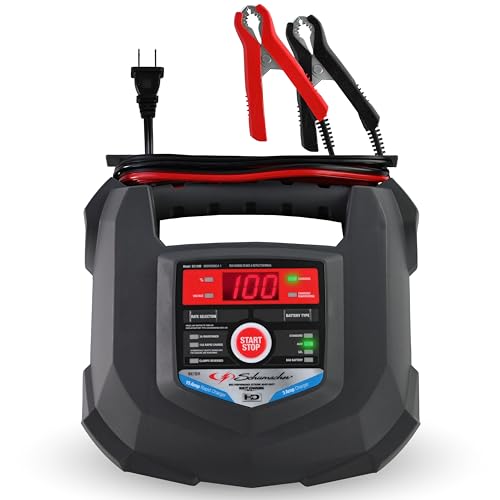
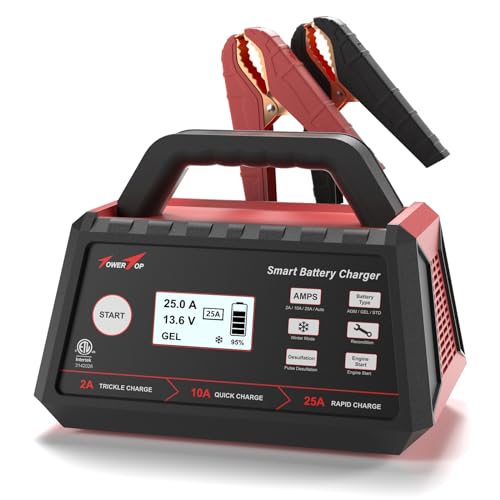
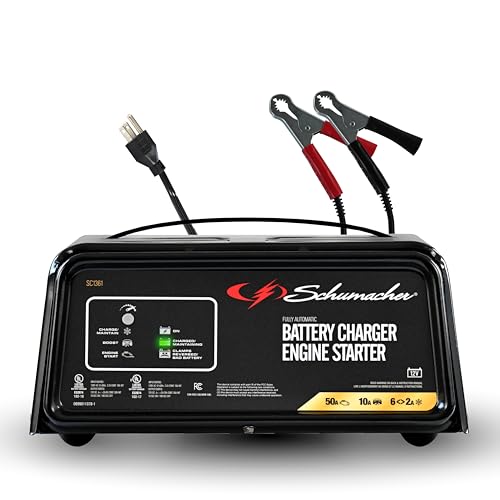
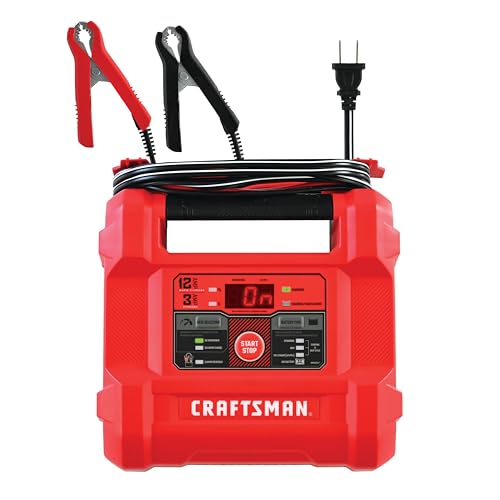

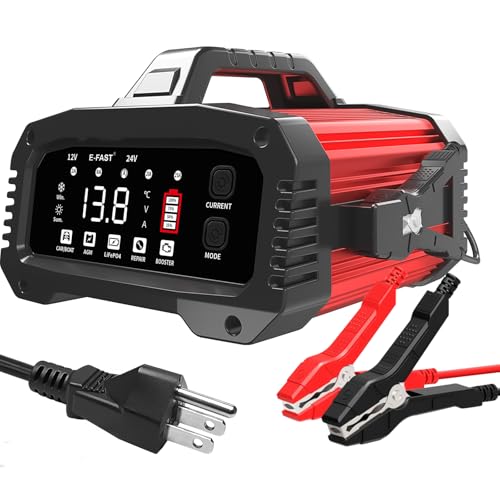

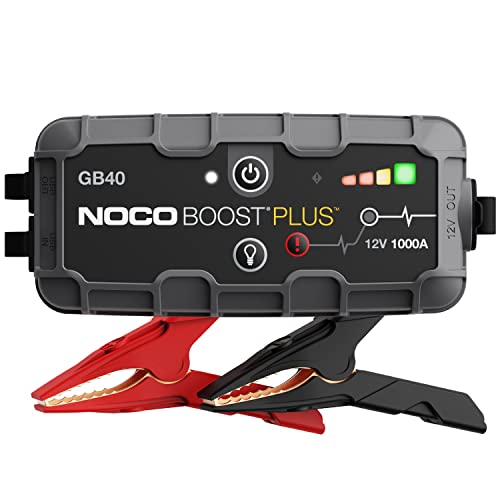
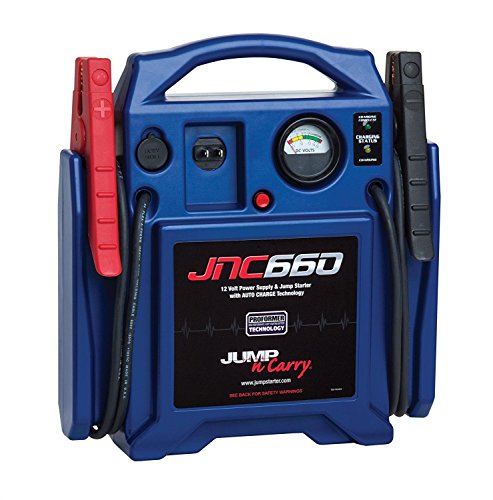
One note before we start: a charger and a jump starter are cousins, not twins. A charger plugs into a wall outlet and restores a battery over hours, while a jump starter carries its own battery and gets you moving in minutes. Many compact units now combine both jobs, and knowing which job you need most is the first real decision.
Compact Car Battery Chargers 101: The Basics
A car battery charger takes household power and feeds a controlled current into your 12 volt battery until the battery reaches full charge. Smart chargers go further: they test the battery, adjust the charge rate as the battery fills, and then switch to a maintenance or float mode that holds the charge without overcooking the battery. That float mode is why a compact smart charger is the tool of choice for cars that sit unused for weeks, motorcycles, lawn tractors, and project cars.
Older manual chargers demanded attention, because leaving one connected too long could overcharge and damage the battery. Modern compact units are largely plug and play: connect the clamps, pick a mode if asked, and let the electronics manage the rest. Many also include a repair or desulfation pulse that can help a tired battery recover some capacity, though no charger can revive a battery with a dead cell. If you mainly need emergency starts away from outlets, see our guide to the best compact car battery jump starter instead, since that tool works without wall power.
Key Specs Explained in Plain English
Five ideas explain nearly every line on a charger box. Learn these and the rest is detail.
Measuring for Size and Portability
Compact chargers range from pocket sized maintainers around half a pound to stronger units of two or three pounds with thicker cables. Measure where the charger will live: a glove box, a trunk corner, or a garage shelf near an outlet. Cable length matters more than body size for most people, because the clamps must reach both battery terminals while the charger sits somewhere stable and dry. The trade off is simple: the smallest units charge slowly and maintain well, while larger compact units charge faster but need a dedicated storage spot.
Vehicle Compatibility
Start with your owner manual, which lists your battery type and size. Most cars use a 12 volt flooded or AGM battery, but some vehicles use lithium starting batteries that need a charger with a lithium mode, and charging a lithium battery on a lead acid setting can damage it. Check that the charger supports your battery chemistry and voltage before anything else.
Engine size matters for jump starter combos, since bigger engines need more cranking power. The OBD2 port does not affect charging directly, but some maintainers plug into it or a 12 volt socket, so confirm your vehicle keeps that socket powered when parked.
Safety Features
Reverse polarity protection is the headline feature: it stops the charger from sending current if you clip the clamps onto the wrong terminals, which is the most common beginner slip. Spark proof clamps reduce the chance of a spark when you make the connection, an important safeguard because batteries can vent flammable gas. Also look for overcharge protection, short circuit protection, and thermal shutoff. Practical safety habits matter just as much: charge in a ventilated space, keep flames and cigarettes away, wear eye protection when working around a battery, and connect the negative clamp to a clean metal ground point away from the battery when the manual directs it.
Build Quality and Weather Resistance
A charger that lives in a trunk or garage should shrug off dust, vibration, and temperature swings. Look for a sealed or rugged housing, strain relief where the cables meet the body, and clamps with strong springs and copper coated jaws that bite cleanly. An IP rating such as IP65 means the unit resists dust and water spray, which helps if you charge outdoors under a carport. Cheap clamps are the usual failure point on bargain units, so squeeze them in the store if you can, and favor cables that stay flexible in cold weather.
Performance Specs
Amps describe charging speed: a 1 to 2 amp unit maintains a battery, a 4 to 10 amp unit recharges a drained car battery in a reasonable time, and higher rates suit large truck batteries. For jump starter combos, peak amps are a headline number, but CCA, or cold cranking amps, better reflects real starting power in cold weather. Treat huge peak amp claims on tiny units with skepticism, and weight the CCA figure and engine size ratings more heavily. For inverter or power station features bundled into some units, RMS watts describe continuous output, which is the number that matters for running small tools or lights.
Rookie Mistakes to Avoid
- Buying only on peak amps. A giant peak number does not guarantee strong cold weather starts; check CCA ratings and engine compatibility too.
- Ignoring battery chemistry. Charging an AGM or lithium battery on the wrong mode shortens its life or worse, so match the charger modes to your battery type.
- Expecting a charger to fix a dead battery. If a battery will not hold a charge after a full cycle, the battery itself is likely finished, and our guide to the best car battery brands can help when replacement time comes.
- Leaving a jump starter uncharged. A stored jump pack slowly loses charge; a flat rescue tool rescues nobody.
- Clamping onto corroded terminals. White or green crust blocks current, so clean the terminals first for an honest charge.
Getting Started: Setup and First Use
Setup takes five minutes. First, read the charger manual and your owner manual sections on the battery, and note the battery type. Park on a level surface, switch everything off, and open the hood in a ventilated area.
Connect the red clamp to the positive terminal, then the black clamp to the negative terminal or the ground point your manual specifies. Plug the charger in last, select the mode for your battery, and let it run until it reports full.
For a maintainer on a stored car, you can leave a smart charger connected for weeks, checking monthly. For jump starter combos, recharge the pack every 3 months and after every use, and store it indoors where temperatures stay moderate. If you also want roadside inflation in the same kit, the best portable car battery charger and air compressor category combines both tools, while drivers who want the strongest portable charging should also compare the best rated portable car battery charger options and the hybrid units in our best car battery charger jump starter guide.
Compact Car Battery Chargers: Your Questions Answered
How long does a compact car battery charger last?
A decent compact charger lasts about five to ten years with normal use. The electronics rarely wear out; cables, clamps, and fans fail first. Store the unit dry, avoid yanking cords from the plug, and keep the clamps clean, and it should outlast the battery it maintains. Jump starter combos age faster because their internal lithium packs lose capacity over time, even on the shelf.
Do I need professional installation for a compact car battery charger?
No, a compact charger needs no installation at all. It clamps on and off in minutes, which is exactly why beginners like them. The exception is a permanently mounted onboard maintainer for boats or stored cars, which some owners ask a mechanic or marine tech to wire. If you feel unsure about identifying terminals, a quick visit to an auto parts store can get you a free demonstration.
Will a compact car battery charger fit my vehicle?
It fits if it matches your battery voltage and chemistry, and nearly all cars, SUVs, and light trucks use 12 volt systems. Confirm your battery type in the owner manual or from the label on the battery case, and check that the clamp cables reach comfortably in your engine bay. Motorcycles and lawn equipment often use smaller 12 volt or 6 volt batteries, so choose a charger that lists those modes if you want one tool for everything.
What specs matter most on a compact car battery charger?
Charge rate, battery chemistry modes, and safety protections matter most. Pick a rate that suits your patience: maintainers for stored vehicles, mid range amps for overnight recovery. Then confirm the unit supports your exact battery type and includes reverse polarity protection. Everything else, from repair modes to digital displays, is a convenience layered on top of those three foundations.
Wrapping Up
For a first purchase, keep it simple: a smart compact charger with the right chemistry modes, honest amp ratings, and reverse polarity protection will handle almost every home situation. Stored cars want a maintainer, daily drivers want mid range charging speed, and drivers far from outlets should add jump starting ability. Choose the version of the best compact car battery charger that matches your most likely bad day, and compare your finalists in the product table.