
Best Car Battery Charger Jump Starter: A First Time Buyer's Guide for 2026
Disclosure: We may earn a commission when you buy through links on this page, at no extra cost to you. As an Amazon Associate I earn from qualifying purchases. Learn more

A first time buyer guide to charger jump starter combos: peak amps in plain English, clamp safety order, storage habits, and the mistakes new owners make.
A dead battery always picks the worst morning, and if you have never bought rescue gear for a car, the product names alone can feel like a second language. The best car battery charger jump starter units are really two tools sharing one box: a charger that refills a weak battery slowly from a wall outlet, and a jump pack that lends a strong burst of power so the engine can start right away. This guide walks from the plain basics to the specs that matter, and the product table above lines the main types up side by side.
You do not need shop experience to choose well. You need to know your engine size, how often the car gets driven, and whether it sits unused for long stretches, and the sections ahead turn those three answers into a short and confident shortlist.



Two Tools in One Box: The Basics
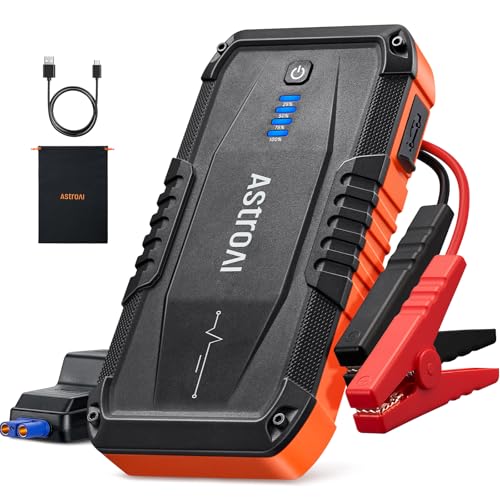
The charger half plugs into a wall outlet and feeds a low, steady current into the battery over several hours, which is how a charger restores a weak battery slowly and fully instead of just getting you moving. The jump half is a stored battery pack with short, thick cables and clamps, and it delivers one strong burst so the starter motor can turn the engine. If you already own a charger and only want the rescue burst, a jump only unit from the best car jump starter class skips the wall charging half entirely.
Connection order is the one safety habit to learn before anything else, because the order you attach and remove the clamps governs the spark risk near the battery. Connect the positive clamp first, then set the negative clamp on solid engine metal away from the battery as the ground, and make that ground connection the last one you attach. When you finish, take the ground clamp off first and the positive clamp off last, and never let the two clamps touch each other while the pack is switched on. If the battery case is cracked, leaking, swollen, or frozen, skip the jump completely and call a professional, because a damaged battery is not safe to charge or jump.
Key Specs Explained in Plain English
Beginner Friendly Features That Matter
Look for protections that forgive beginner errors. Reverse polarity protection sounds an alarm or refuses to deliver power when the clamps land on the wrong terminals, and spark proof clamps reduce the chance of a spark during hookup. A clear charge level display tells you whether the stored pack is ready before you rely on it, and a simple one button start beats a row of modes you will never use. Printed steps on the case matter too, because the moment you need this tool is rarely a calm one.
Vehicle Compatibility
Nearly all cars, motorcycles, and riding mowers use a 12 volt battery, and most combo units are built for that class, while some large trucks use different setups that need a unit rated for them. Check your owner manual for the battery voltage and the engine size, and match both to the unit before you buy. One compatibility extra worth knowing: some chargers offer a memory saver lead that plugs into the OBD2 port to keep clock and radio settings alive while a battery is disconnected.
Build Quality and Weather Resistance
Clamp quality decides how much of the burst actually reaches the starter, so look for clamps with strong springs, full metal jaws, and cables thick enough to stay flexible in cold weather. Cable length on pack units is short by design, usually enough to reach from a battery set beside the engine bay, so plan where the pack will rest before you start. A sealed case with a dust and splash rating shrugs off trunk storage and light rain, and storage temperature limits matter because a pack left in a hot trunk ages faster.
Features and Extras Worth Having
Extras should support the two main jobs rather than replace them. USB ports turn the stored pack into a phone charger during a power outage, and a bright LED light helps you find battery terminals in a dark parking lot. Some larger combo units add a small air compressor for topping up tires, which earns its space if you drive long rural routes. A digital display that shows both pack charge and charging progress is the extra most owners say they use every single time.
Performance Specs: Peak Amps and Engine Size
Peak amps is the headline number, and it only makes sense read against your engine. About 400 to 700 peak amps covers most four and six cylinder cars, while V8 trucks and diesel engines usually ask for about 800 to 1,200 peak amps. Peak amps is a short burst figure, so it is not the same as the cold cranking amps printed on your car battery, and the two numbers cannot be compared directly.
Drivers of small cars who want the smallest footprint can look at the best compact car battery jump starter class, which trades some reserve power for glove box size. Star ratings alone cannot tell you whether a pack suits your engine, so treat pages for the best rated car battery jump starter as a starting list and check peak amps and clamp quality yourself.
Rookie Mistakes to Avoid
- Choosing the smallest pack for a diesel truck, so the burst falls short on a cold morning and the engine never turns over.
- Clamping both leads straight onto the battery posts, which puts any spark right where battery gases gather.
- Leaving the stored pack uncharged in the trunk for a year, so it is flat on the one day it is needed.
- Running a fast charger rate on a small motorcycle battery, which can heat the battery and shorten its life.
- Treating every successful jump as a repair, when repeated jumps usually mean the battery itself is worn out.
Getting Started: Setup and First Use
Start at home, not at the roadside. Charge the jump pack fully before you store it, top it up again after every use, and recharge it every three to six months even if it just sits, because stored packs lose charge slowly over time. While it charges, read the battery section of your car owner manual so you know where the battery and the ground point sit before you ever need them.
For the charger half, connect everything with the car switched off, choose the rate that matches your battery size, and let a weak battery take its hours rather than rushing it. Store the unit where it stays dry, and keep the clamps from touching in storage.
Frequently Asked Questions
Can a jump starter pack charge a flat car battery the way a charger does?
No, a jump pack delivers one short burst meant to crank the engine, and it does not refill the battery the way a charger does over several hours. What many first time buyers miss is that a successful jump still leaves the battery low. The drive that follows should last at least about 20 to 30 minutes, or the battery should go on a charger afterward, or the car may refuse to start again the next morning.
Does cold weather change how much jump starter power a car needs?
Yes, cold weather raises the power a car needs and lowers the power a battery can give at the same time. Thick cold oil makes the engine harder to turn, and battery chemistry slows as temperatures fall, so a pack that feels generous in summer can feel marginal in January. If your winters are hard, choose one size class above the minimum for your engine and check the pack charge more often during the cold months.
What should you do if the car still will not start after a jump start?
Stop cranking after a few attempts and let the starter motor rest, because repeated tries overheat the starter and drain the pack. Check that both clamps bite clean metal, since corrosion or paint under a clamp can block the burst completely. If the car starts but dies, or needs a jump again within days, the battery is likely worn out or the charging system needs a mechanic, and a new pack will not fix either problem.
Can a battery charger stay connected to a car battery overnight?
A smart maintenance charger can stay connected, because it lowers its output once the battery is full and then holds the charge there safely. A basic manual charger is different, and left connected too long it can overcharge, heat the battery, and shorten its life. One point many owners miss: charge in a ventilated space away from sparks, because a charging lead acid battery can release small amounts of gas.
Can one charger jump starter unit work for a motorcycle or a riding mower too?
Often yes, because most motorcycles and riding mowers also use 12 volt batteries, and a combo unit can serve all three machines. Use the lowest charger rate for small batteries, since a rate that suits a car battery can be too strong for a bike battery. The clamps on full size packs can be bulky for tight motorcycle terminals, so check that the jaws fit before the day you actually need them.
The Bottom Line
For a first purchase, match peak amps to your engine, insist on reverse polarity protection, and build the storage recharge habit from day one. Most first time buyers land in the range of about $60 to $150, with larger trucks and diesel engines pushing budgets higher. Compare your finalists in the product table above, and the best car battery charger jump starter for your driveway is simply the one sized for your engine with safety features you will actually use.


