Best Commercial Jump Starter for 2026: Which One Fits the Way You Use It?
Disclosure: We may earn a commission when you buy through links on this page, at no extra cost to you. As an Amazon Associate I earn from qualifying purchases. Learn more

Compare the best commercial jump starter by peak amps, diesel fit, clamp reach and recharge speed for shop, fleet and roadside crews.
A dead battery in a fleet yard or a service lane costs more than a late start. It blocks a bay, delays a route, and sends a worker hunting for cables. That is why choosing the best commercial jump starter is about workload, not just power. A unit that starts one sedan on a mild morning may fail on a cold diesel truck or quit after several starts in a row.
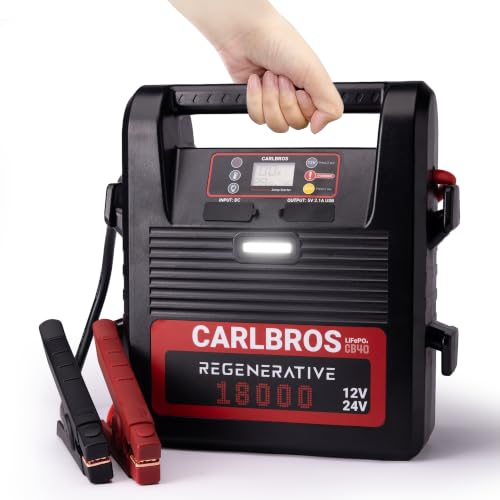
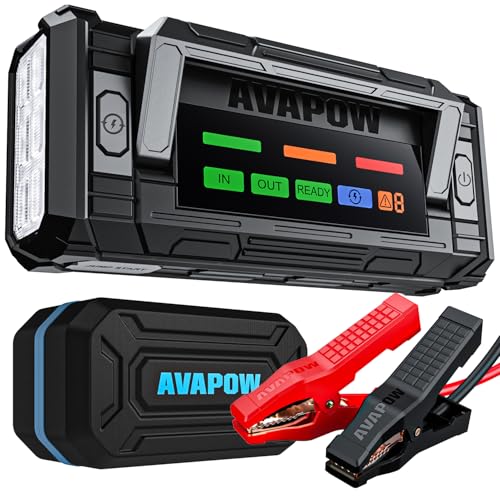
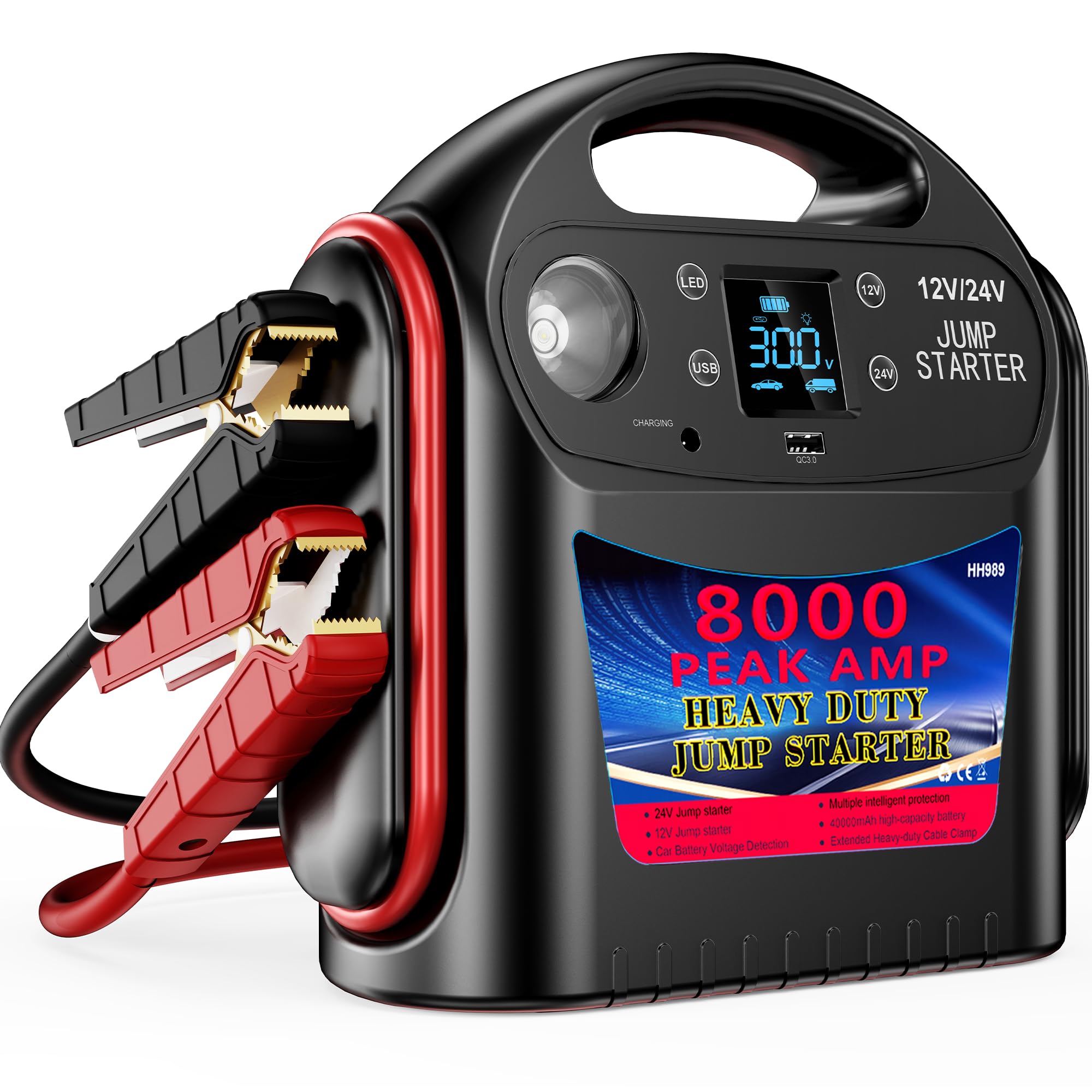
This guide matches the type of unit to the way your crew actually works. It covers cranking power, vehicle fit, safety protections, recharge speed, and durability. Use the comparison table below to compare the main options side by side before you decide.




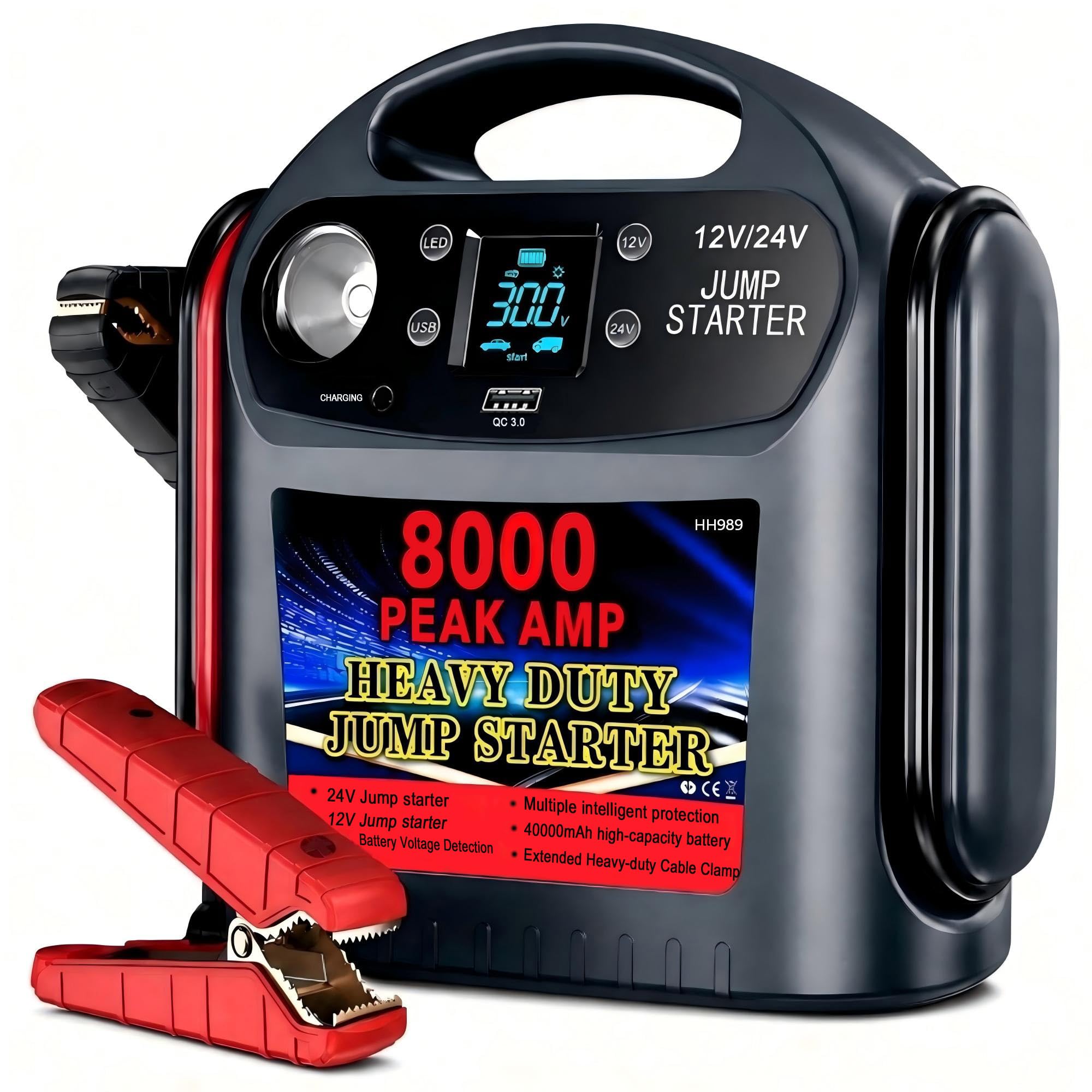
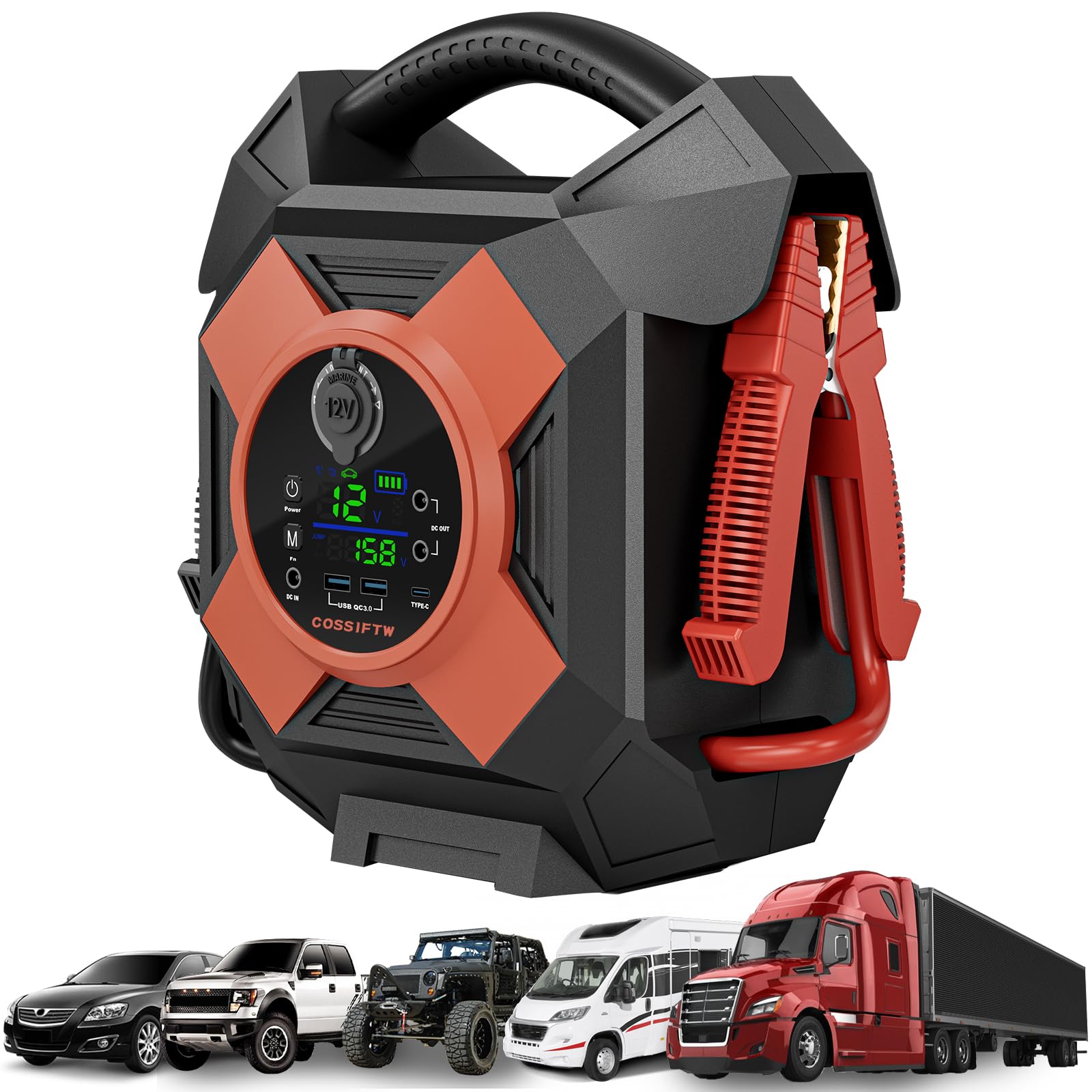
Who Should Buy Which Commercial Jump Starter?
Commercial buyers share one pressure that private owners rarely face. The unit has to work again and again, in poor light and bad weather.
Fleet Managers Who Need Many Starts Each Day
You need capacity and speed more than compact size. Look for a unit rated well above the largest engine in your fleet, with a clear charge gauge and a recharge time short enough to return it to service the same day. Many fleets keep two units in rotation, so one is always charged and ready.
Repair Shops and Service Lanes With Mixed Vehicles
Your next start could be a small hatchback or a large pickup, so breadth of fit is your priority. Choose clamps that open wide, cables long enough to reach varied terminal layouts, and ratings that cover both gasoline and diesel engines in your usual mix. Controls should be simple enough that a new technician can use the unit correctly with no settings to adjust between vehicles.
Roadside Crews and Mobile Technicians
Weight and weather resistance decide whether a unit earns its place in your van. A portable lithium pack is easier to carry to a vehicle parked in a tight or muddy spot, and a built in work light helps you find terminals at night. Choose a handle you can grip with gloves on.
Small Crews Buying Their First Commercial Unit
List the vehicles you will actually start, note the largest engine, and buy for that job with a sensible margin. Clear instructions, strong safety protections, and a readable charge indicator matter more than extra sockets you will never use. If your need is really one private car, see our guide to the best car jump starter instead.
Key Features to Compare
The features below decide whether a unit starts your hardest vehicle on its worst morning. Choosing the best commercial jump starter comes down to how these factors line up with your workload.
Peak Amps and Cranking Power for Large Engines
Peak amps is the brief burst a unit can deliver, while cranking amps and cold cranking amps describe the sustained current that actually turns an engine over. Peak figures look impressive, so compare cranking ratings when you can. Commercial portable units commonly advertise about 1,000 to 3,000 peak amps. Diesel engines need more current than gasoline engines of the same size because of higher compression, so size your choice for a winter morning.
Vehicle Compatibility Across Gasoline and Diesel Engines
Check voltage, engine size, and fuel type first. Most cars and light trucks use a 12 volt system, while some heavy trucks use 24 volt electrics that need a unit built for that voltage. Makers rate engine coverage in liters, and the diesel limit is always lower than the gasoline limit for the same unit.
Match the rating to the largest engine you serve. For more on ratings, see our guide to the best rated jump starter.
Safety Protections and Clamp Design
Reverse polarity protection warns you or blocks current when clamps land on the wrong terminals, and spark resistant connection design reduces arcing as you attach the second clamp. Clamps should be fully insulated, feel solid, and grip corroded terminals without slipping. Cable thickness and length matter too, because you often need to reach an unpainted metal ground point away from the battery.
Battery Capacity and Recharge Speed for Repeated Use
Capacity decides how many starts you get before the pack fades, and that number drops in cold weather and with larger engines. A busy crew should value honest jumps per charge figures and a gauge that shows remaining charge at a glance. Recharge speed matters just as much after a hard shift. A pack that recovers overnight beats one that needs a full day.
Build Quality and Weather Resistance for Shop and Outdoor Work
Commercial use means drops onto concrete, oil and water on the case, and cables flexed many times a day. Look for thick housings, rubber protection at the corners, and strong strain relief where cables meet the unit and the clamps. Port covers keep dust and spray out of sockets. Lithium packs are much lighter than lead acid packs of similar output, but lead acid units tolerate rough handling well and cost less to replace.
Warranty and Brand Support for Commercial Buyers
A warranty only helps if you can actually claim on it, so check the length of cover, whether commercial use is included, and how claims are handled. Some warranties shrink or vanish when a unit is used for business. Confirm that replacement cables and clamps are sold separately.
Portable Packs and Wheeled Shop Units Compared
Portable packs work on a plug and play basis. You charge the internal battery, carry the unit to the vehicle, connect the clamps, and start the engine, with no outlet needed at the curb. That freedom suits roadside work, rental lots, and fleet yards where vehicles sit far from power. To compare pack styles and sizes, see our guide to the best jump starter pack.
Wheeled shop units plug into a wall outlet and combine a battery charger with a high output starting mode. They never run flat during a shift, which suits a fixed service lane handling start after start all day. The trade off is movement, since the unit only works within reach of its power cord and rolls poorly over rough ground. Many busy sites run both types.
Common Mistakes to Avoid When Buying a Commercial Jump Starter
- Buying on peak amps alone, which can leave a unit too weak to turn over a cold diesel engine.
- Choosing a 12 volt unit for a 24 volt truck system, which means the truck still will not start.
- Picking short cables to save money, which can force clamps onto poor connection points with weak grip.
- Letting the pack sit uncharged for months, which leaves it flat on the morning you need it most.
- Ignoring whether the warranty covers business use, which can leave you paying for an early failure.
Setup and Care Tips for Commercial Jump Starters
Charge a new unit fully before its first job, and read the owner manual for its connection order and limits. After each use, recharge the pack rather than putting it away partly flat, and top it up at least every 3 months even when it sits idle.
Inspect clamps and cables monthly for cracked insulation, loose jaws, and green corrosion, and clean the clamp teeth with a dry brush. Store the unit indoors, dry, and away from extreme heat, with the clamps parked so they cannot touch each other. Stop and get help from a qualified technician if a vehicle battery case looks swollen, leaking, or frozen, or if you smell burning during a start attempt.
FAQ About Commercial Jump Starters
What makes a commercial jump starter different from a regular car unit?
A commercial jump starter is built for repeated starts across many vehicles, not occasional use on one car. It carries higher cranking output, a larger internal battery, and a case and cables made for daily handling. A duty cycle guide on many models tells you how long to rest the unit between starts, protecting the cells during a long shift.
Will a commercial jump starter fit the vehicles in a mixed fleet?
A commercial jump starter fits your fleet if its voltage and engine ratings cover your largest and hardest starting vehicle. Make a short list of every vehicle type you serve, with fuel type and engine size, and check it against the rating before buying. One practical step is to keep that list taped inside the storage cabinet, so any driver can confirm fit before carrying the unit out.
How long does a commercial jump starter last with daily shop use?
A commercial jump starter used daily typically gives a few years of service before its internal battery loses noticeable capacity. Cells also decline slowly with calendar age while stored. You can extend useful life by storing the pack partly charged rather than empty and by replacing worn clamps and cables, since connection wear often ends service before the battery itself wears out.
What specs matter most for a commercial jump starter used on diesel trucks?
Cranking amps matter most for diesel trucks, followed by system voltage and the diesel engine size rating. Diesel engines resist cranking because of high compression, and glow plugs draw current before you turn the key. On cold mornings, wait for the glow plug indicator to go out before cranking, and allow longer rest periods between attempts so the unit and the vehicle starter motor can cool.
Does a commercial jump starter need professional installation?
No, a commercial jump starter does not need professional installation, because portable packs connect with clamps only when a start is needed. There is nothing to wire into the vehicle. Wheeled shop units simply need a suitable grounded outlet and a clear rolling path. A short user briefing on connection order and ground clamp placement is still wise.
The Bottom Line
Match cranking power to your largest diesel job, confirm voltage and engine fit across your whole fleet, and choose recharge speed and build quality that suit your pace of work. Then use the product table above to compare the shortlisted options on those points. Chosen that way, the best commercial jump starter for your crew is the one that starts reliably on the worst morning, not the one with the longest feature list.