
Best Commuter Motorcycle Boots in 2026: A Guide for Daily Riders
Disclosure: We may earn a commission when you buy through links on this page, at no extra cost to you. As an Amazon Associate I earn from qualifying purchases. Learn more
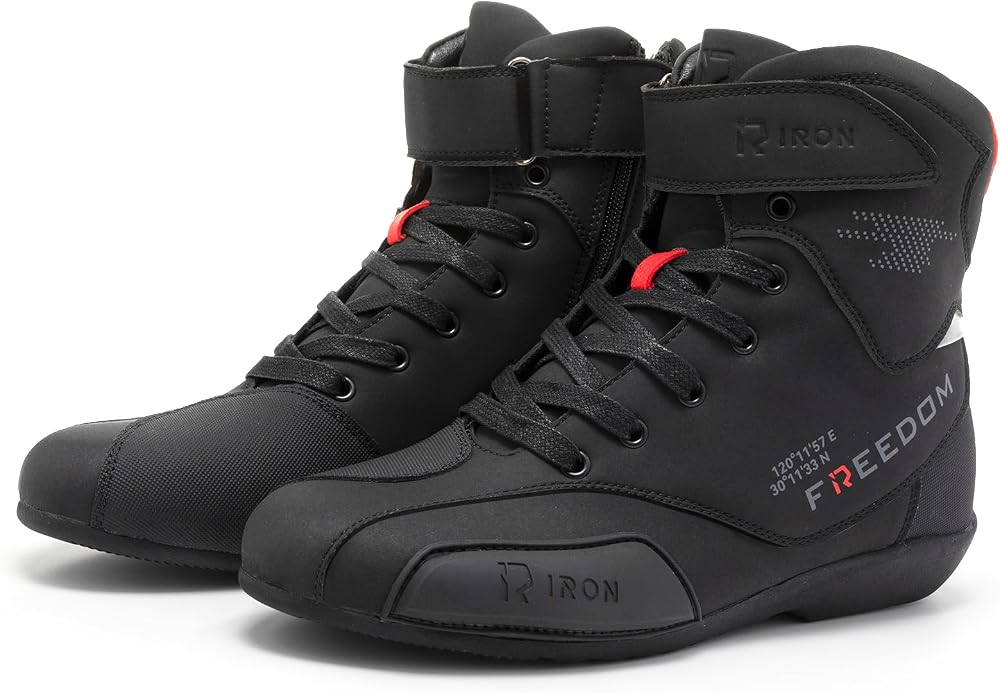
Riders who walk at work: compare the best commuter motorcycle boots by protection, waterproofing, fit, sole grip and price.
Your commute asks one pair of boots to do two jobs. You need protection in traffic and grip on wet pavement, plus comfort for the walk in and the day at work. The best commuter motorcycle boots balance those needs without a change of footwear at your desk. Check height, closure and price against your route before you buy.
Start with the ride you repeat most days, not the longest trip you take once a year. A short city ride, a faster suburban run and a mixed trip with walking each reward a different mix of coverage and sole softness. The sections below match those patterns to the features that matter.



Who Should Buy Commuter Motorcycle Boots?
Buy this style if your boots must work on the bike and off it on the same day. A commuter design trades some race stiffness and touring height for walking comfort, quicker entry and a workplace look.
City Riders Who Walk at Work
You ride a few miles in stop and go traffic, then walk blocks and stand on hard floors. Choose a short or mid height boot with a flexible forefoot and cushioned insole. Keep ankle armor and a firm toe box, because low speed falls are common in city parking. A plain dark upper helps the boots pass as work footwear.
Suburban Riders on Longer Routes
You spend more time at highway speed and in wind and rain, so coverage matters more for you. Choose a taller shaft, a closure that cannot work loose and a waterproof liner if you ride in all weather. A stiffer sole supports your foot on the pegs and reduces arch fatigue. Accept a little less walking ease for that stability.
Riders Who Mix Riding With Transit
You may ride to a station, walk a platform and walk again at the other end, so weight and entry speed shape your day. Choose a lighter boot with a side zip and clear tread for wet platforms. Prioritize a fit that stays comfortable when your feet swell later in the day.
Key Features to Compare
Compare protection first, then fit, weather, sole, closure and daily comfort. When you compare the best commuter motorcycle boots, a low price means little if the boot leaks, slips or hurts by midday.
Ankle, Toe and Heel Protection
Look for armor over both ankle bones, a reinforced toe box and a heel cup that holds its shape when squeezed. Many commuter boots carry a CE rating, and a higher level means more certified resistance to impact, abrasion and crushing. A sole shank adds support in a fall. If you fall and later notice swelling that grows, numbness or an ankle you cannot move or bear weight on, seek medical care promptly and talk with your clinician about your personal needs before riding again.
Fit and Comfort for Walking
Your heel should stay seated when you walk, and your toes should not press the front when you stand. Try boots late in the day with riding socks, because feet expand with heat and time on foot. Women often find a closer heel fit in lasts shaped for them, so look for women's or unisex sizing that holds the heel if standard sizes feel loose.
Waterproofing for Daily Rain
A waterproof liner keeps rain out only if the seams, zip and tongue also block water, so look for a gusseted tongue and sealed seams rather than a liner claim alone. Leather uppers shed road spray well but dry slowly once soaked. Shorter shafts let water in from the top in heavy rain unless trousers cover the opening. If rain is rare for you, a water resistant upper with better ventilation may feel cooler.
Sole Grip and Shift Feel
The sole must grip a wet peg, hold on painted lines and oily pavement when you put a foot down, and still walk like a shoe. Look for oil resistant rubber, tread blocks at the heel and forefoot and a flat area that sits steady on the peg. A reinforced shift patch protects the upper from the gear lever. Deep lugs feel vague on pegs and a smooth dress sole slides on wet ground, so moderate tread suits most commutes.
Fast and Secure Closures
A side zip gives the fastest daily entry, but the fit depends on the laces or strap you set once and leave alone. Laces alone give the most even pressure, yet loose ends must be tucked away from chains and pegs. Straps adjust quickly over thick socks, though they can look bulky at work. Choose a closure that holds the ankle firm without a hot spot and works in seconds with gloves off.
Ventilation, Visibility and Office Style
Perforated panels move air on warm rides but let rain in faster, while a solid upper runs warmer and suits cooler months. Reflective inserts at the heel and sides help drivers see you at junctions at dawn and dusk without looking loud in daylight. Matte black or brown uppers pair with most trousers and show less road spray, so you can stay in the boots at work.
Commuter Boots Compared With Other Styles
Other styles solve different problems. If you ride well beyond commuting, see our guide to the best motorcycle boots for broader coverage, and see our guide to the best motorcycle riding boots for styles built around longer days in the saddle.
Commuter Boots vs Tall Touring Boots
Tall touring boots cover the shin, seal better under rain trousers and support the leg on long highway days. That height adds weight, warmth and slower entry, and the stiffer sole is less pleasant for walking. Commuter boots give up shin coverage for speed and comfort on foot. Choose touring height if your commute is mostly highway and you change footwear on arrival.
Commuter Boots vs Race Boots
Race boots use rigid armor, sliders and a tight fit to protect at high speed and strong lean angles. That rigidity makes walking awkward and draws attention at work. Commuter boots use softer armor and a flexible sole, so they feel normal on stairs. Choose race boots for track use, and commuter boots when most of your day is off the bike.
Commuter Boots vs Work Boots
Work boots offer a strong toe and thick sole, but many lack ankle armor and a heel that stays put on a peg. Street shoes leave ankle bones exposed, and laces can catch on controls. Commuter boots add rated armor, a reinforced shift area and a secure closure. Treat a work boot with no motorcycle rating as a compromise, not an equal choice.
Common Mistakes to Avoid
Most poor choices come from judging a boot by one dry day in a shop.
- Buying by your trainer size alone leads to heel lift on the bike and blisters at work.
- Choosing a smooth fashion sole leaves you with weak grip on wet pavement.
- Ignoring the shift area wears a hole over the toes and makes gear changes feel vague.
- Leaving lace ends untucked lets them catch on a peg or chain and pull your foot.
- Picking the tallest and stiffest boot for a short ride adds heat and weight.
Drying and Conditioning Boots After the Commute
Brush road grit from the upper and sole after a wet ride, then dry the boots at room temperature away from direct heat. Remove the insoles and open the tongues and zips so air reaches the liner. Stuffing the toes with plain paper pulls moisture from leather. Never store damp boots in a closed locker, because trapped moisture weakens liners and creates odor.
Condition leather once it looks dry and light in color, and reproof coated fabrics when water stops beading. Work zips after cleaning so grit does not grind in the teeth, and check sole bonding each month. A sole lifting at the edge lets water in and can catch on a peg, so have it assessed before your next wet commute.
FAQ
How should commuter motorcycle boots fit with riding socks?
Commuter motorcycle boots should feel snug at the heel and midfoot, with clear space in front of your longest toe in riding socks. Press your foot forward in the unfastened boot and check that one finger fits behind your heel. If your toes touch the front while standing, go up a size.
Can I stand all day in commuter motorcycle boots?
Yes, you can stand all day in commuter motorcycle boots if the sole flexes at the forefoot and the insole cushions the heel. For long shifts on concrete, a cushioned work insole can add comfort without changing the outer fit much. A boot that forces a flat slap with each step will tire your shins.
Are commuter motorcycle boots ready for a rainy season?
Most waterproof commuter motorcycle boots handle a rainy season if your trousers overlap the shaft and you dry the boots fully between rides. The weak point is usually the top opening and the zip, not the toe. Before the season, stand in a shallow tray of water at home to spot a seam leak and decide on reproofing.
What reflective details help commuter motorcycle boots at dawn?
Commuter motorcycle boots help most at dawn when reflective material sits at the heel and outer side, where headlights strike first at junctions. A strip low on the heel stays visible even when trousers cover the upper. Clean that strip when you clean the sole, because road grit dulls it. Reflective details support, but never replace, lights and road positioning.
When should I replace commuter motorcycle boots?
Replace commuter motorcycle boots when tread at the heel or forefoot wears smooth, when armor cracks, or when the sole separates from the upper. A zip that opens while you ride also ends the safe life of the boot, because the ankle loses support. After a crash that bends the toe box, retire the pair even if damage looks minor.
Final Thoughts
Match protection and fit to your route first, then choose waterproofing, sole and closure for your weather and walking. Use the product table above to compare height, rating and price before you order.
When those points line up, the best commuter motorcycle boots disappear into your routine. You ride with support, arrive with dry and comfortable feet, and get on with your day in the same pair.


