
Best Compact Bread Machine: Which Type Fits Your Kitchen for 2026
Disclosure: We may earn a commission when you buy through links on this page, at no extra cost to you. As an Amazon Associate I earn from qualifying purchases. Learn more
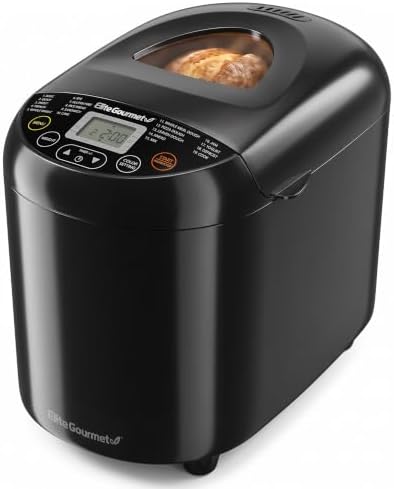
Compare the best compact bread machine types by loaf size, footprint and settings, and choose the one that fits your counter and household.
Saturday morning in a small apartment kitchen can leave almost no free counter for a bulky appliance, yet you still want fresh bread for the week. Choosing the best compact bread machine starts with your counter depth, the number of people eating each loaf, and how often you plan to bake. This guide focuses on fit for real homes, simple daily use, and the true cost of owning and cleaning a smaller machine. Use the comparison table below to match loaf size and footprint to your space before you read the details.
A compact model is not just a smaller version of a standard machine. Smaller pans change slice shape, cycle length, and how much bread stays fresh before it goes stale. The sections below walk through capacity, shape, settings, power, safety, and budget in that order.
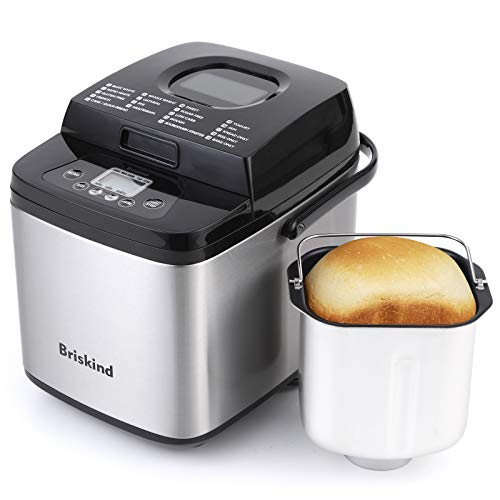

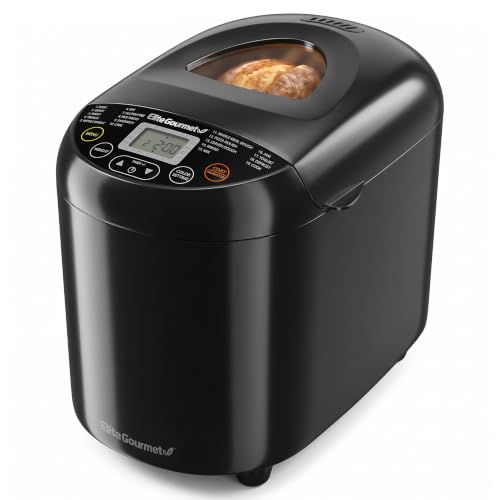


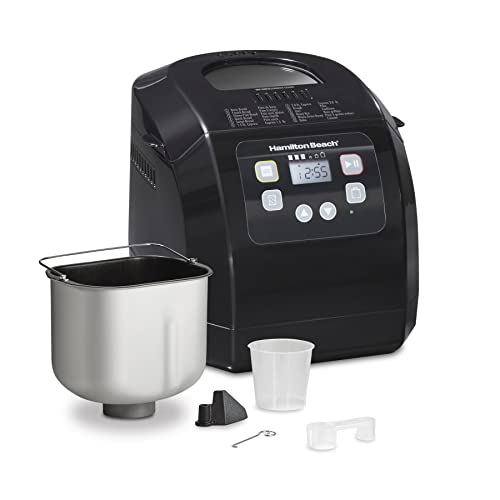
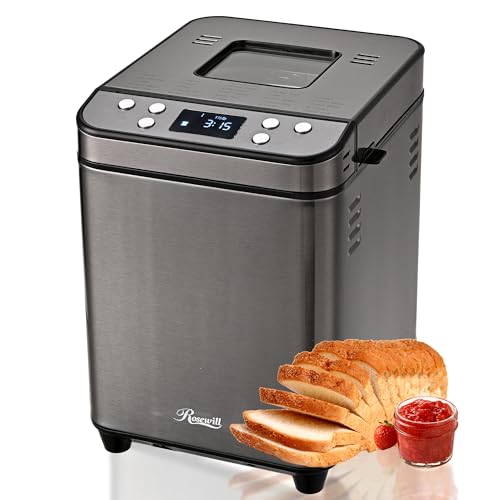
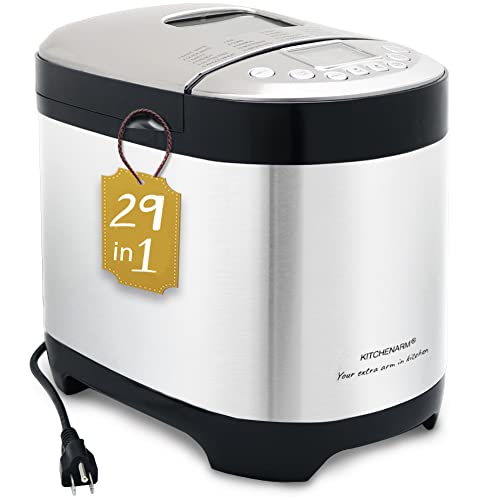
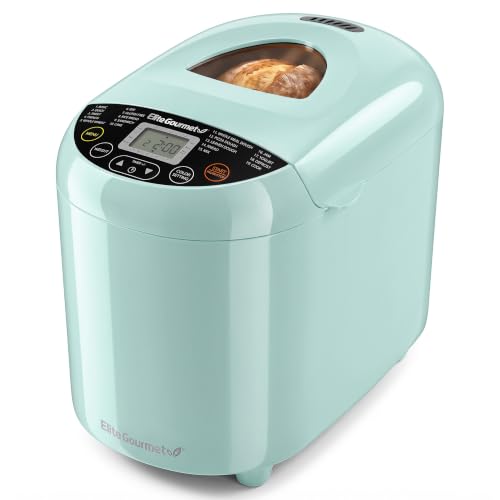
Quick Answer: Three Compact Types at a Glance
Compact machines fall into three broad types, and the best compact bread machine for your home is the type that matches your storage spot and your usual loaf size. All three knead, rise, and bake in one pan, so the real differences are shape, capacity, and how much room the machine needs while it runs.
- Vertical loaf models stand tall on a narrow base, suit tight counters, and produce a high loaf you cut across for smaller slices.
- Low horizontal models spread the loaf out for a familiar slice shape, but they need a wider shelf or deeper counter.
- Mini models bake a 1 lb loaf, weigh less, and store inside a cabinet, which suits one or two people who bake often.
Before You Buy: A Quick Checklist for Choosing a Bread Machine
Work through this checklist in order. Space and loaf size rule out more models than any setting list, so measure first and compare features second.
Size: Match the Loaf to Your Household
Compact machines most often bake 1 lb, 1.5 lb, or 2 lb loaves. A 1 lb loaf suits a single person who eats a few slices a day, while 1.5 lb covers most couples and small families without leaving half a loaf to dry out. A 2 lb model makes sense if you bake for guests or pack lunches daily. If your household regularly needs larger loaves, compare these sizes with the best bread machine options for standard kitchens before you commit to a compact pan.
Shape and Layout: Which Type Fits Your Routine
Vertical models use a tall pan, so the footprint stays small but the lid needs clear height under your cabinets. Horizontal models sit lower and give slices that fit a toaster and a sandwich more easily, at the cost of a wider base. Most compact pans use a single kneading paddle, and a few use two paddles for larger dough amounts. Check that the pan lifts out without a struggle, since you will remove it after nearly every bake.
Features Worth Paying For and Ones to Skip
A delay start timer, a dough setting for rolls and pizza bases, crust shade control, and a dedicated gluten free cycle earn their place in daily use. A fruit and nut dispenser helps if you bake seeded or sweet loaves often, since it adds ingredients after kneading starts. Jam settings and long lists of specialty cycles matter far less for most homes, so skip paying extra for them. If you bake without gluten every week, see our guide to the best gluten free bread machine for models built around that cycle.
Wattage, Power and Energy Use
Many compact models draw about 450 to 800 watts, and the heating element cycles on and off during rising and baking, so a full cycle uses less energy than the rated wattage suggests. A smaller pan also heats a smaller space than a kitchen oven, which keeps the room cooler in summer. Look at cycle length too, since a long whole wheat cycle can use more total energy than a short basic cycle.
Safety Features and Certifications
Choose a model with a UL or ETL listing, which shows the electrical design passed an independent safety check. Cool sides, a secure lid, and feet that grip the counter matter in a tight kitchen where you work close to the machine. Keep the cord away from the sink and from hot pans, place the machine where steam from the lid vent will not reach cabinet faces, and unplug it before cleaning.
Counter Space and Dimensions
Measure width, depth, and height with the lid fully open, not just the closed size on the box. Many compact models measure about 9 to 12 inches wide and about 11 to 14 inches deep, yet an open lid can still hit low cabinets. Leave a small gap on each side for air flow. If you plan to store the machine in a cabinet, weigh that plan honestly, since a model at about 8 to 12 pounds feels heavy when you lift it twice a week.
Realistic Budget Ranges
Models under $100 usually cover the core cycles with fewer crust options and a simpler display. Spending about $100 to $150 often adds a gluten free cycle, a dispenser, and a sturdier pan coating. Models at about $150 to $200 tend to run more quietly and offer more loaf sizes. Prices over $200 buy premium build and longer warranties rather than better basic bread, so only step up if you bake several times a week.
Three Compact Types Compared
With the checklist done, use these three type profiles to pick the layout that fits your kitchen, then compare individual models within that type.
Vertical Loaf Models for the Smallest Counters
Vertical models claim the least counter area, which makes them the default choice for galley kitchens, dorm rooms, and RV counters. The tall loaf slices into pieces that are wider than they are long, so most people cut each slice in half for sandwiches or toast. The trade off is a deeper pan, which can make the loaf harder to release. Choose this type when counter space, not slice shape, is your main limit.
Low Horizontal Models for Easier Slicing
Horizontal compact models bake a loaf that looks closer to a bakery loaf, with even slices for lunch boxes and French toast. They need more width, so measure your shelf before you order. Because the dough spreads over a longer pan, kneading can be more even for larger 1.5 lb and 2 lb recipes. Pick this type if your machine will live on the counter full time.
Mini Models for Singles and Couples
Mini models bake a 1 lb loaf and nothing larger, which keeps every bake small, fresh, and quick to finish. You will bake more often, but almost nothing goes stale, and the machine stores easily in a deep drawer or cabinet. The small pan cannot take large recipes. If this is your first machine, our guide to the best bread machine for beginners covers simple starter recipes that suit these small pans well.
How to Compare Compact Machines Fairly
Compare models on the same short list of criteria: true footprint with the lid open, loaf sizes, cycle noise in a small room, pan coating quality, ease of cleaning, safety listing, and warranty length. Base your view on manufacturer specifications and patterns in verified buyer comments, such as repeated notes about paddle marks or lid clearance.
Compact Compared With Full Size Bread Machines
A compact machine wins on fit. It stores in spaces a full size model cannot use, it is lighter to move, and its smaller loaves match small households, so less bread is wasted. It also suits renters, since it does not demand a permanent counter spot.
The limits are real. You cannot bake a large loaf for a crowd, double a recipe, or shape dough in bulk for a big bake day. Tall vertical slices can feel awkward for large sandwiches. If you regularly cook for six or more people, a compact model works best as a daily loaf machine rather than your only option.
Common Mistakes to Avoid
- Buying by loaf weight alone and ignoring the footprint, which leaves you with a machine that will not fit under your cabinets.
- Forgetting lid clearance, which means the machine has to run pulled forward to the counter edge every time.
- Choosing the largest compact size for two people, which leads to stale ends and wasted flour week after week.
- Paying extra for a long list of specialty cycles you will never run, which raises the price without improving your daily loaf.
- Ignoring the cost of a replacement pan and paddle, which can turn a cheap machine into a poor value if the coating wears early.
Cost of Ownership and Care
Ongoing costs stay modest. Electricity for one loaf is small next to heating a full oven, and your main spending goes on flour, yeast, and other ingredients. Budget for a replacement pan or paddle over the life of the machine, usually about $20 to $50, and treat the pan coating with care so that cost comes later rather than sooner. If you are new to the controls, our guide on how to use a bread machine walks through a first loaf in plain steps.
Store the machine with the lid slightly open so the inside stays dry and free of stale smells. Keep the pan and paddle inside the machine so small parts do not get lost in a drawer. Wipe the outside with a damp cloth, and never place the base under running water.
FAQ
How do you clean a compact bread machine?
Unplug the machine and let it cool fully before you start. Lift out the pan, soak it in warm water for about 10 to 15 minutes to loosen the paddle, then wash it by hand with a soft sponge to protect the coating. Wipe crumbs from the baking chamber with a dry cloth, and dry the pan and the paddle shaft well before you store them, since trapped moisture can cause odors and can damage the shaft seal over time.
How long does a compact bread machine last?
With regular home use, a compact machine often serves for several years, and lifespan depends mostly on how often you bake and how heavy your doughs are. Dense whole wheat doughs strain the motor and belt faster than soft white loaves. Warning signs include new grinding noises, a paddle that wobbles on its shaft, or loaves that stop rising because the kneading has grown weak.
Is a compact bread machine worth it for a two person home?
It is worth it if you bake at least once a week, since two people finish a 1 lb or 1.5 lb loaf while it is still fresh, and home baking usually costs less per loaf than bakery bread. The value drops if the machine sits unused, because ingredients expire and the counter space goes to waste. Start with a modest model, bake through your first bag of flour, and judge the habit before you spend more.
Can a compact bread machine make gluten free and sourdough loaves?
Yes, with the right approach. Gluten free batter is wetter than dough, so scrape the pan corners with a soft spatula during mixing to avoid dry flour pockets. For sourdough, many bakers use the dough cycle and then bake the shaped loaf in an oven for a crisper crust. Our guide to the best bread machine for sourdough explains starter timing and cycle choices in more depth.
Should you freeze extra slices from a compact bread machine loaf?
Freezing is a smart way to stretch a bake day. Slice the loaf once it has cooled, place wax paper between slices, and freeze them in a sealed bag so you can toast one slice at a time. Frozen slices keep their texture well for several weeks, and toasting from the freezer restores the crumb better than days on the counter.
Final Thoughts
Start with your space, then your loaf size, then your settings list, in that order. The best compact bread machine for your home is the one that fits under your cabinets, matches the amount of bread you actually eat, and stays easy to clean after a busy weeknight bake. Check the product table above once more against your measurements, and choose the type you will use every week rather than the model with the longest feature list.


