Best Bread Machine for Sourdough (2026): Types and Features
Disclosure: We may earn a commission when you buy through links on this page, at no extra cost to you. As an Amazon Associate I earn from qualifying purchases. Learn more

The best bread machine for sourdough offers rise control, a dough cycle and a pan size that suits your household and counter.
A good sourdough loaf starts the night before, and the morning often decides whether you bake it or abandon the bowl on the counter. If your starter is active but your schedule and space are limited, the best bread machine for sourdough can handle mixing, kneading and the long slow rise while you get on with the day. This guide helps you choose by space, household size and budget, and the comparison table below sums up the three types that fit most homes.


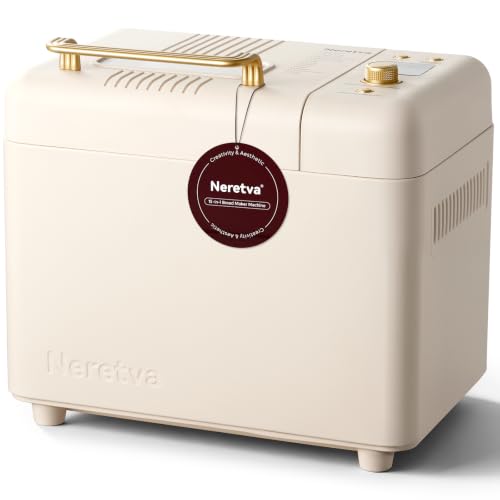
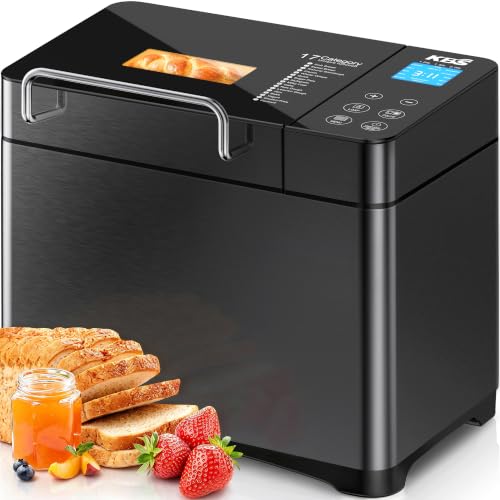
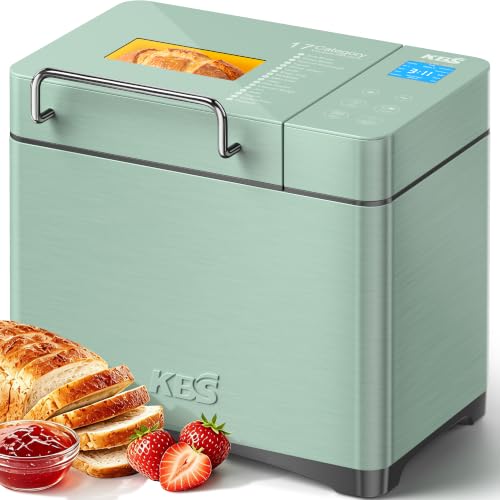

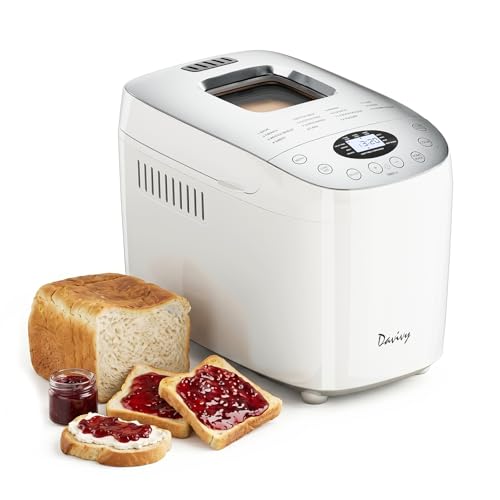


Quick Answer: The 3 Types That Fit Most Homes
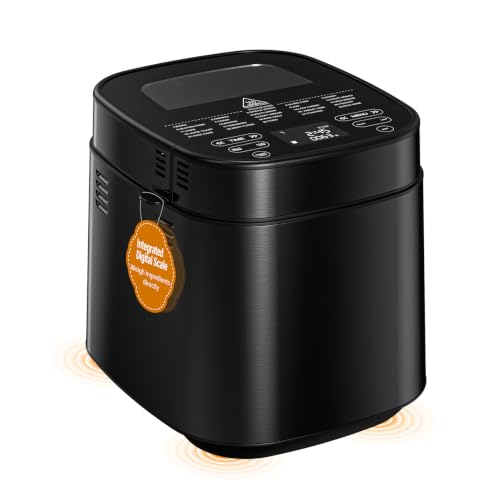
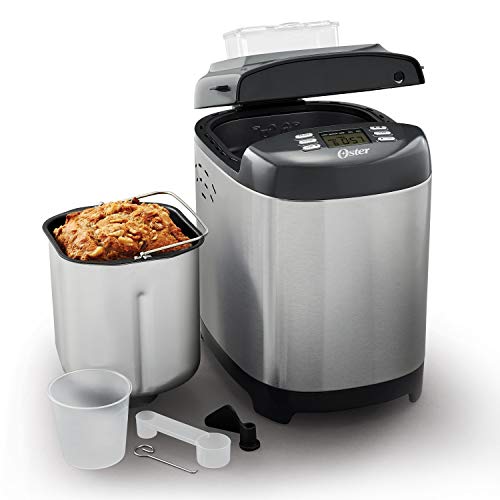
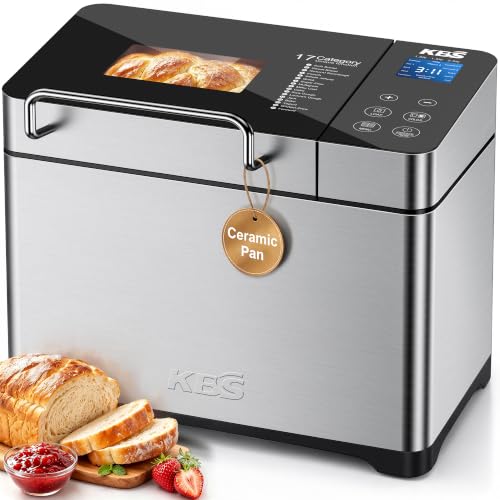
Most shoppers do well with one of three types. A mid size programmable model suits most families and gives you control over rise time. A compact value model suits small kitchens and one or two people who bake smaller loaves more often. A larger premium type with stronger kneading and more custom cycles suits frequent bakers who want to shape dough by hand and finish loaves in the oven. Match type to baking frequency.
Before You Buy: A Quick Checklist for Choosing a Bread Machine for Sourdough
Size: Match It to Your Space and Your Loaves
Loaf size is listed in pounds, and it shapes both the pan and the flour you use each bake. A 1 lb or 1.5 lb loaf suits one or two people and reduces waste when a large loaf would go stale. A 2 lb loaf suits a family that uses bread for sandwiches through the week. A 2.5 lb option suits larger households but needs more starter and more flour storage. Pick the smallest size you will use often, since fresh small loaves taste better than stored large ones.
Which Type Fits Your Routine
Programmable models let you extend rise times, which sourdough needs because wild yeast works slower than packet yeast. A horizontal pan gives a shape closer to a bakery loaf and often has two paddles for even kneading of stiff dough. A vertical pan saves counter width but gives a taller loaf that can slice unevenly. Stainless steel bodies wipe clean easily. A compact model fits a small house, while a full size model earns its space only if you bake weekly.
Features Worth It (and Ones to Skip)
For sourdough, a dough setting and a custom cycle are worth paying for, since they let the machine knead and proof dough without forcing a short bake. A gluten free setting can help some households, and our guide to the best gluten free bread machine explains how that cycle differs. A fruit and nut dispenser helps seeded loaves but adds little for plain sourdough. A jam setting is fun once or twice, yet most bakers rarely use it, so do not pay more just to get it.
Wattage, Power and Energy Use
Most home models use about 500 to 800 watts during baking, with lower draw during the long rise phases. Total energy per loaf stays modest because the heating element cycles on and off once the pan reaches temperature. A model with good insulation and a snug lid holds a steady proofing warmth. If you bake daily, that warmth matters more than a small gap in wattage, since failed loaves waste far more flour than a bake uses.
Safety Features and Certifications
Look for a UL or ETL mark, which shows the appliance carries a recognized safety certification. A cool touch exterior and a firmly seated lid reduce burns when you lift a hot pan. Stable feet matter, since kneading dense sourdough can make a light machine walk. Keep the cord clear of the lid vent, and place the machine away from sink spray.
Counter Space and Dimensions
Measure the spot before you order, including height with the lid fully open, since many machines need extra inches above the body to lift the pan out. Leave space on each side for steam to escape. If you plan to store it in a cabinet, check whether you can lift it while holding the door. Shoppers with tight kitchens may prefer the route covered in our guide to the best small bread machine, where footprint matters more than loaf size.
Realistic Budget Ranges
Under about $100, expect basic cycles, a smaller pan and limited control over rise time, which can still work if you proof dough outside the machine. About $100 to $150 adds better kneading and more useful custom settings. About $150 to $200 often brings a horizontal pan, two paddles and quieter operation. About $200 to $300 suits frequent bakers who value sturdy parts and longer warranties. Our overview of the best bread machine models in general can help you place these tiers in context.
3 Types Compared: Best Bread Machines for Sourdough
Mid Size Programmable Type
This type balances loaf size, control and price for a household of three to five people. It offers a 2 lb pan, a dough cycle and a custom cycle where you can lengthen the rise for an active starter on a cool day. Two paddles help when the dough is thick. The trade off is counter space, since the body is wider than compact models. Choose it if you want one machine to mix, proof and bake a weekday loaf without extra bowls.
Compact Type for Small Households
A compact value type makes sense when you bake for one or two people and your kitchen has little spare counter room. It usually makes 1 lb to 1.5 lb loaves, uses less flour per bake, and stores in a cabinet between uses. You may need to proof sourdough longer at room temperature, since custom rise control is limited at this price. The trade off is flexibility, but the lower cost lets new bakers learn their starter routine without a large outlay.
Premium Type With Strong Kneading
A premium type focuses on durable parts, even heat and broad control rather than novelty cycles. Strong motors and metal drive parts handle dense whole grain blends that strain lighter machines. Better temperature control during proofing helps in winter kitchens where dough rises slowly. Many owners use this type mainly for kneading and proofing, then shape the loaf by hand and bake it in a Dutch oven for a crisper crust. The trade off is price and weight, so it fits bakers who bake several times a week.
Our Selection Process for the Best Bread Machines for Sourdough
We compared types by capacity, control over rise time, ease of use, cleaning, noise, safety marks and warranty terms. We relied on maker specifications and patterns in verified buyer feedback about crumb and crust. We weighted fit for home size, daily ease and cost of ownership more than peak performance. A type only stayed on the list if its settings solved a real sourdough problem, such as a rise that ends too soon.
Living With It: What Really Matters in a Bread Machine for Sourdough
Sourdough rewards patience, and your machine should support that rhythm instead of rushing it. Feed your starter, let it peak, then load the pan in the order the maker directs, usually liquids first and flour on top. If your kitchen runs cool, use the proofing warmth of the machine to keep dough in a comfortable range, and if it runs warm, shorten the rise and watch the dough rather than the clock.
Consider the alternative before you commit counter space. If you already own a strong mixer, our comparison of bread machine vs stand mixer can help you decide whether you need proofing and baking in one box at all. A machine earns its place when it removes kneading sticky dough and watching a long rise. If you enjoy shaping by hand, choose a model with an excellent dough cycle and treat the bake cycle as a backup.
Common Buying Mistakes to Avoid
- Buying a 2.5 lb model for a two person home, which leads to stale leftovers and a pan too large for small loaves.
- Ignoring rise control and choosing by preset count alone, which leaves sourdough under proofed on a standard cycle.
- Forgetting the cost of a replacement pan and paddle, which wear over time and can be hard to source for obscure models.
- Placing the machine under low cabinets without checking lid clearance, which makes removing a hot pan awkward.
- Paying for novelty cycles you will not use, such as jam modes, while skipping the dough cycle you need most.
Cost of Ownership and Care
Running costs stay low, since flour, salt and starter cost far less per loaf than bakery bread, and electricity per bake is a small share of the total. Budget for a replacement paddle and, in time, a new pan when the coating wears. Wipe the chamber after each bake once it cools, and wash the pan by hand to protect its coating. Store the paddle inside the pan. Our guide on how to use a bread machine covers loading order and pan care.
Your Questions, Answered
What is the most reliable bread machine brand?
Reliability depends more on model line and parts support than on a single brand name. Lines that have sold the same basic design for years tend to have pans and paddles in stock, which keeps a machine in service longer. Check warranty length, whether the maker sells parts directly, and whether buyer reports mention belt or motor faults. A proven design often outlasts a new model with untested electronics.
How do you clean a bread machine?
Unplug the machine and let it cool fully before you start. Remove the pan, soak it briefly in warm water to loosen the paddle, then wash it by hand and dry it well. Wipe the chamber with a damp cloth, and clean crumbs from around the heating element with a soft brush. Never immerse the body in water, and avoid abrasive pads on the pan coating, since scratches lead to sticking later.
Is a bread machine worth it for sourdough bakers?
It is worth it when time and effort, rather than skill, are what stop you baking each week. The machine removes kneading and gives you a warm place for the first rise, which suits busy households. If you bake only on occasional weekends and love the full hands on process, you may not need one. Our deeper look at is a bread machine worth it weighs price against bakery spending for different habits.
How long does a bread machine last?
A home model used once or twice a week often lasts about five to eight years, though heavy whole grain doughs can shorten that span. The pan coating and paddle usually wear first, while the motor and belt decide the true end of life. Extend service by not overloading the pan beyond its rated flour amount and by letting it cool between cycles. When a replacement pan costs close to a new basic machine, replacement is smarter.
What should I look for in a bread machine for sourdough?
Start with rise control, since that is the setting sourdough depends on most. Then check pan shape, paddle design and whether the dough cycle stops before baking so you can shape the loaf yourself. A viewing window helps you judge dough without opening the lid and losing warmth. Also note that a machine bake gives a softer crust than a Dutch oven bake, even with a dark crust setting.
What is the best bread machine for sourdough for a beginner?
A beginner does best with a mid size programmable type that forgives timing errors and has a simple display. Clear cycle labels and a recipe guide written for natural starter help more than a long list of presets. Start with a lower hydration dough, which is easier for the paddle to knead and easier to judge as it rises. Once you can read your starter, you can use custom settings with confidence.
Final Thoughts
Choose the type that fits your counter, your household and your starter routine, and you will bake more often with less effort. The product table above can help you compare capacity and key settings before you decide. For most homes, a mid size programmable model is the best bread machine for sourdough choice, while compact and premium types serve small kitchens and devoted bakers well. Start with one reliable recipe.